

Underground Coal Mining
Underground coal mines extract coal through shafts and tunnels, following seams, supporting roofs, ventilating gases, and hauling material to the surface. Specialists turn production targets into daily shift plans, monitor equipment and safety compliance, manage inventory of roof bolts and supplies, schedule maintenance, track coal quality and shipments, and maintain the extensive permitting and inspection paperwork required for each mine.
What makes this business different
- Continuous monitoring of methane, carbon monoxide, oxygen and dust levels with automatic shut-down triggers
- Roof and rib support using bolts, mesh and cribs that must be installed per engineered plans
- Permits, MSHA inspections, ventilation plans, dust control plans and emergency response plans that require frequent updates
- Heavy mobile equipment (shuttle cars, continuous miners, roof bolters, scoops) with daily pre-shift inspections and maintenance logs
- Coal quality sampling, preparation and loading for rail or truck transport
- Shift-based production with crew assignments, face advancement tracking and supply replenishment underground
- Emergency evacuation drills, refuge chamber checks and communication systems that must be tested regularly
Specialist bots
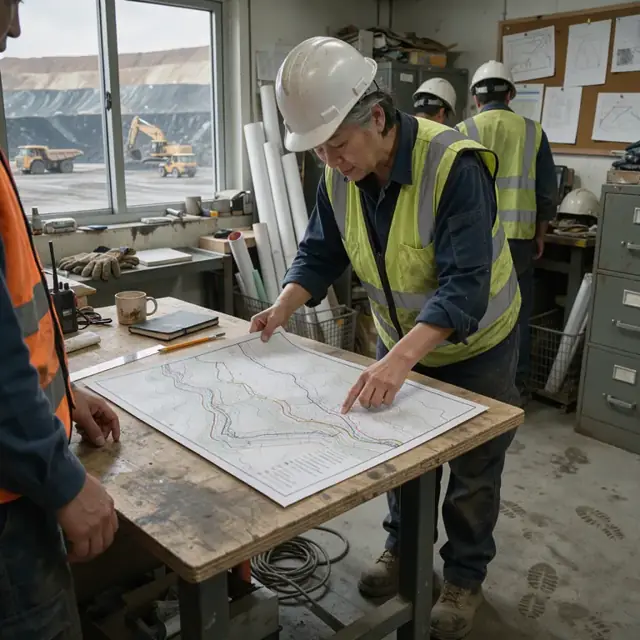
Shift Production Planner
Convert mine plans and current conditions into daily crew assignments, equipment deployments and supply requirements.
Works in: Ambitious Tasks, Ambitious Sheets, Process Optimizer · Workflows: Daily shift and production planning
Automates
- Pulls targets from the current mine plan
- Assigns crews and equipment to sections
- Calculates supply needs for planned advance
- Checks ventilation status before releasing the plan
Stops for a person
- Mine foreman approves the final shift plan
- Any changes to ventilation require engineer sign-off
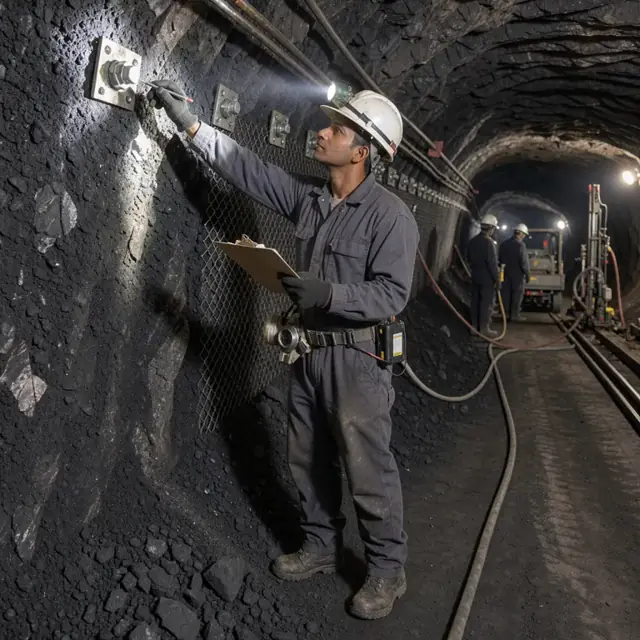
Safety and Compliance Examiner
Create and track pre-shift and on-shift safety examination checklists and corrective actions.
Works in: Ambitious Tasks, Ambitious Docs, Ambitious Sheets · Workflows: Pre-shift and on-shift safety examinations
Automates
- Generates section-specific checklists
- Logs examiner findings and timestamps
- Tracks open hazards until abated
- Maintains the official examination record
Stops for a person
- Certified examiners perform and sign the actual underground examinations
- Mine operator reviews and signs all official logs before submission

Equipment Maintenance Coordinator
Schedule and track maintenance and inspections for all underground and surface mining equipment.
Works in: Ambitious Tasks, Ambitious Sheets, Process Optimizer · Workflows: Equipment maintenance and inspection scheduling
Automates
- Builds daily pre-shift inspection forms
- Tracks equipment hours and service intervals
- Creates prioritized repair work orders
- Maintains equipment history files
Stops for a person
- Mechanics and operators complete and sign the actual inspections
- Maintenance superintendent approves any equipment taken out of service

Underground Supply and Inventory Manager
Forecast and maintain inventory of roof support materials, rock dust and other consumables needed underground.
Works in: Ambitious Sheets, Ambitious Tasks, Ambitious Docs · Workflows: Underground supply and inventory management
Automates
- Calculates bolt and dust requirements from advance rates
- Tracks surface and underground stock levels
- Generates reorder lists by supplier
- Schedules deliveries to the mine site
Stops for a person
- Purchasing manager approves and places all orders
- Mine foreman confirms material specifications match geological conditions
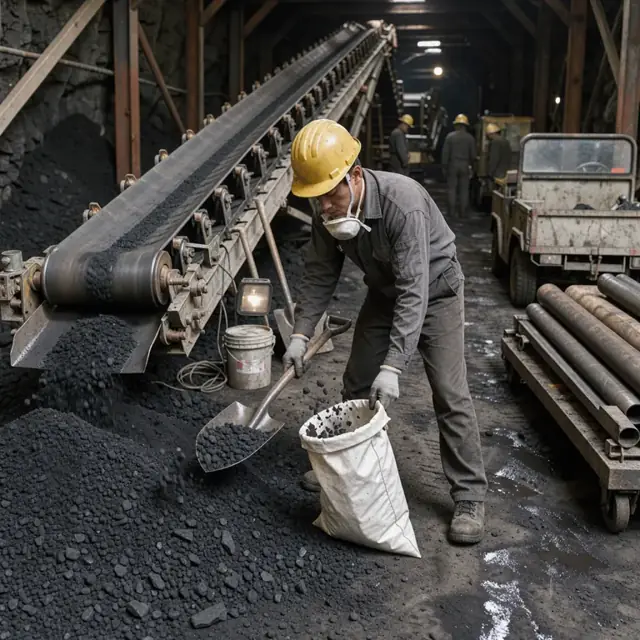
Coal Quality and Shipping Coordinator
Manage coal sampling, quality reporting and preparation of shipping documentation.
Works in: Ambitious Docs, Ambitious Sheets, Ambitious Tasks · Workflows: Coal quality sampling and shipment preparation
Automates
- Creates sampling schedules and chain-of-custody forms
- Compiles quality data from lab results
- Matches shipments to customer specifications
- Drafts bills of lading for approval
Stops for a person
- Certified sampler collects and labels all physical samples
- Mine manager reviews and signs all quality and shipping documents
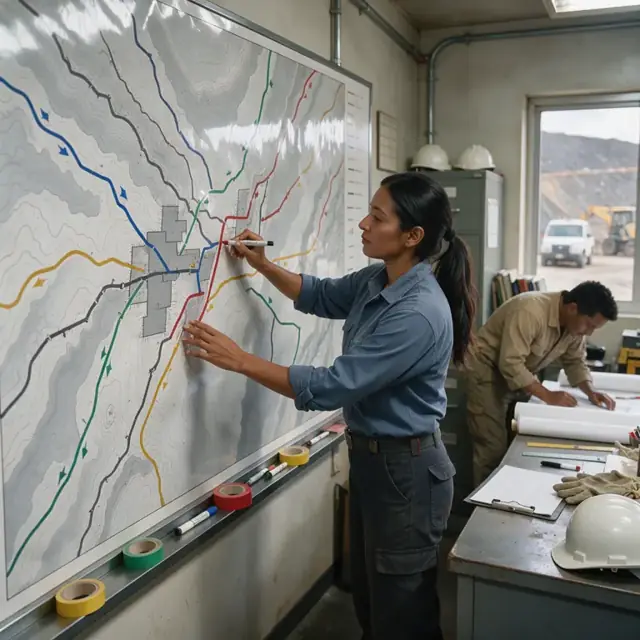
Permitting and Compliance Clerk
Track all mine permits, inspection deadlines, reporting requirements and maintain the compliance calendar.
Works in: Ambitious Tasks, Ambitious Sheets, Ambitious Docs · Workflows: Permitting, inspection and compliance tracking
Automates
- Maintains a master calendar of permit and report due dates
- Generates required monthly and quarterly production reports
- Compiles inspection and training records
- Organizes renewal application packages
Stops for a person
- Mine operator personally reviews and signs all regulatory submissions
- Engineers and safety managers verify technical content before filing

Ventilation and Gas Control Planner
Model and schedule ventilation changes, methane drainage and air quality control measures.
Works in: Process Optimizer, Ambitious Sheets, Ambitious Docs · Workflows: Ventilation and gas control planning
Automates
- Updates ventilation maps with current measurements
- Runs airflow and methane models
- Suggests regulator and fan adjustments
- Creates weekly ventilation survey checklists
Stops for a person
- Licensed engineer stamps and approves all ventilation plan changes
- Mine operator submits plan revisions to regulators
Workflows
Daily shift and production planning
Starts when: End of previous shift and weekly planning meeting
- Pull remaining targets from the mine plan and current face position
- Assign crews to sections, equipment and tasks for the shift
- Calculate required supplies (roof bolts, timber, rock dust) for the advance
- Review ventilation and methane drainage status for each section
- Create shift task list with production and safety checkpoints
Watch for: Production cannot begin until ventilation is confirmed adequate; Roof conditions from prior shift must be assessed before new bolting
Pre-shift and on-shift safety examinations
Starts when: Beginning of each shift and every 8 hours underground
- Generate checklist for each examiner covering air quality, roof, ribs, belts and electrical equipment
- Record findings from on-shift inspections performed by certified examiners
- Flag any hazardous conditions and required corrective actions
- Track corrective action completion before production resumes
- Update the master examination log for regulatory review
Watch for: Examinations must be performed by certified mine officials; Methane levels above 1% or oxygen below 19.5% require immediate withdrawal
Equipment maintenance and inspection scheduling
Starts when: Daily pre-use, weekly and monthly schedules
- Pull scheduled maintenance from equipment list (continuous miners, roof bolters, haulage)
- Create daily pre-shift inspection forms for each piece of equipment
- Track hours and fluid levels reported by operators
- Draft work orders for repairs that require downtime
- Maintain history of parts replaced and failures
Watch for: All mobile equipment must pass pre-shift inspection before entering the mine; Certain repairs require trained personnel
Underground supply and inventory management
Starts when: Daily consumption and weekly reorder
- Calculate roof bolt, cable, rock dust and timber needs based on advance rate
- Subtract current underground and surface stock
- Draft replenishment orders for delivery to the mine portal
- Track usage per section and flag low par levels
- Schedule delivery and storage underground to active faces
Watch for: Roof bolt length and resin type must match seam height and geology; Rock dust must be kept at required percentages to inert coal dust
Coal quality sampling and shipment preparation
Starts when: Each shift and upon loading
- Record face samples and belt samples per requirements
- Draft chain-of-custody forms for lab analysis
- Compile quality reports (ash, sulfur, BTU, moisture)
- Match loaded tonnages to rail or truck schedules
- Prepare bills of lading and quality certifications for approval
Watch for: Quality parameters vary by customer contract; Sampling frequency is dictated by permit and contract
Permitting, inspection and compliance tracking
Starts when: Inspection due dates, quarterly and annually
- Track expiration dates for all mine permits, ventilation plan approvals and dust control plans
- Generate required monthly and quarterly reports on production, employment and safety
- Compile inspection findings and abatement documentation
- Maintain training records for all miners and examiners
- Prepare renewal packages with updated maps and plans
Watch for: Mine maps must be updated daily with advance and sealed areas; All submitted documents require mine operator sign-off
Ventilation and gas control planning
Starts when: Weekly and after any ventilation change
- Update ventilation map with current fan pressures and airway dimensions
- Model methane liberation based on tonnage and seam characteristics
- Draft adjustments to regulator and seal placements
- Schedule methane drainage borehole drilling
- Generate weekly ventilation survey checklist
Watch for: Ventilation changes require engineer approval and regulatory notification; Air quantity must meet minimums at each working face
Bot templates for this industry
- Underground Coal Mining (7 bots)
Source: U.S. Small Business Administration, Office of Size Standards, Table of Small Business Size Standards Matched to North American Industry Classification System Codes, version March 2023 (effective 2023-03-17, NAICS 2022). Size standards are shown for reference only.