

Iron Ore Mining
Iron ore mining operations extract ore from open-pit or underground sites, crush and process it into concentrate or pellets, and ship bulk loads by rail or truck to steel mills. For a mid-sized open-pit site that runs daily blasts, loads haul trucks, feeds a crusher-concentrator plant and loads rail cars on a set schedule, the specialists turn drill and blast reports into load plans, track equipment hours and maintenance, convert daily tonnages into rail manifests and reorder consumables while the mine manager and safety officer keep permits, dust controls and reclamation plans current.
What makes this business different
- Drill and blast permits with strict vibration and fly-rock limits that must be filed before each shot
- Heavy mobile equipment tracked by hours, fuel and maintenance intervals to avoid breakdowns
- Ore grade sampling and blending to meet customer rail-car specifications
- Dust suppression, water runoff permits, reclamation bonds and environmental monitoring logs
- Rail or truck loading schedules coordinated with mill delivery windows and tonnage contracts
- Daily, weekly and quarterly safety inspections plus MSHA compliance paperwork
- Consumables such as explosives, diesel, grinding media and reagents bought on predictable cycles
- Shift schedules for operators, blasters and maintenance crews that change with weather and ore body progress
Specialist bots

Blast Planner
Convert geological data and bench progress into drill patterns, explosive loads and permit-ready blast designs.
Works in: Ambitious Docs, Ambitious Sheets, Process Optimizer · Workflows: Drill and blast planning
Automates
- Reads latest bench survey and block model
- Calculates hole spacing, burden and powder factor
- Drafts vibration prediction reports
- Builds drill rig task lists
- Flags any design that exceeds regulatory limits
Stops for a person
- The licensed blaster and mine manager approve every blast design
- A person files the blast permit and notifies neighbors

Load and Haul Dispatcher
Assign mobile equipment to faces, monitor loads and adjust routes in real time to meet tonnage targets.
Works in: Ambitious Tasks, Ambitious Sheets · Workflows: Load and haul dispatch
Automates
- Pulls shift targets from the mine plan
- Assigns trucks and loaders by ore type
- Logs tons, fuel and cycle times
- Alerts when equipment approaches hour limits
Stops for a person
- The shift supervisor approves route changes and overtime
- A person reviews and signs the daily production report
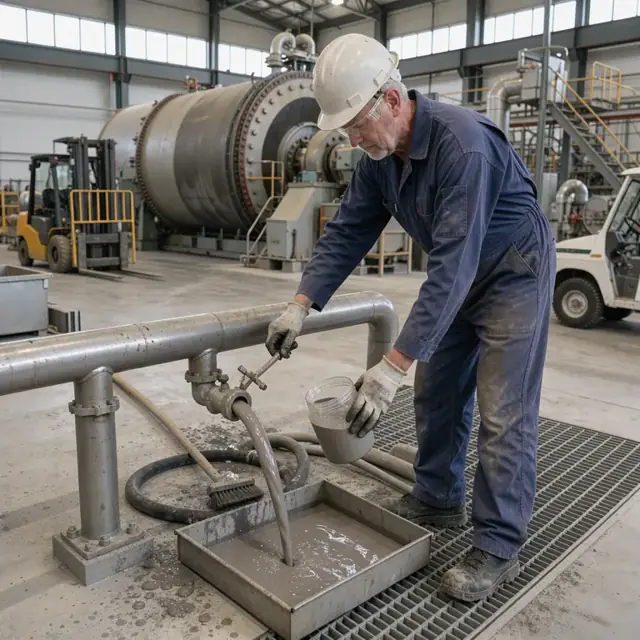
Plant Production Assistant
Track ore feed, adjust process setpoints and produce daily concentrate and pellet reports.
Works in: Ambitious Sheets, Ambitious Tasks, Process Optimizer · Workflows: Crushing, grinding and concentrating
Automates
- Compares feed grades to target concentrate specs
- Suggests mill feed rate and reagent adjustments
- Logs hourly production and power usage
- Generates reagent and media reorder quantities
Stops for a person
- The plant operator approves any process change
- A metallurgist reviews and signs off on assay results
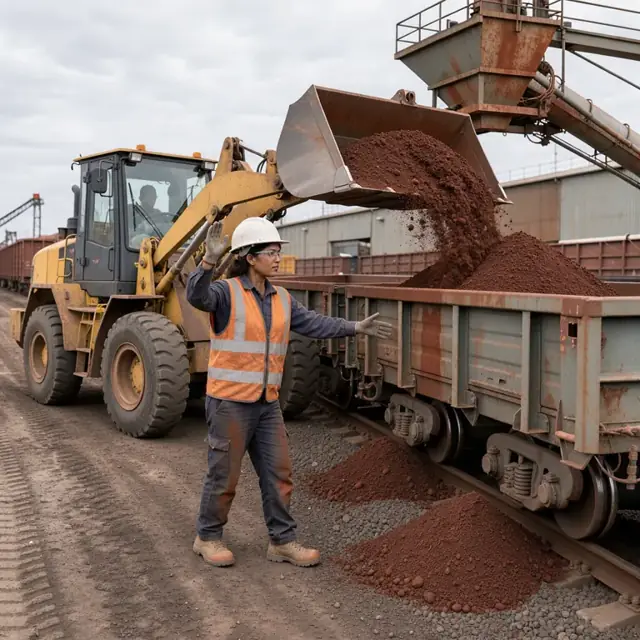
Rail Shipping Coordinator
Forecast daily product tonnage, prepare rail manifests and coordinate loading with the railroad.
Works in: Ambitious Docs, Ambitious Sheets, Ambitious Tasks · Workflows: Rail car loading and shipping
Automates
- Calculates available concentrate by rail-car weight
- Builds the manifest with car numbers and grades
- Drafts bills of lading and seal lists
- Updates inventory after each train departs
Stops for a person
- The mine manager approves every manifest before loading
- A person physically seals and inspects each car
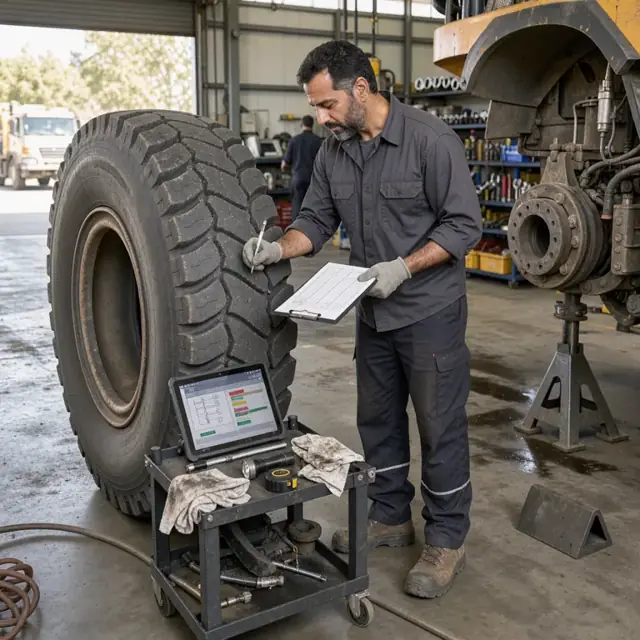
Fleet Maintenance Planner
Track equipment hours, generate preventive maintenance tasks and manage parts inventory.
Works in: Ambitious Sheets, Ambitious Tasks · Workflows: Fleet maintenance and parts inventory
Automates
- Pulls meter readings from dispatch logs
- Creates work orders by maintenance interval
- Checks stock levels against scheduled jobs
- Drafts purchase lists for diesel, tires and grinding balls
Stops for a person
- Mechanics approve and close every work order
- The maintenance superintendent authorizes parts purchases

Environmental Compliance Clerk
Compile monitoring data, track permit dates and draft renewal applications for air, water and reclamation requirements.
Works in: Ambitious Docs, Ambitious Sheets, Ambitious Tasks · Workflows: Environmental monitoring and permit tracking
Automates
- Organizes daily dust and water sample results
- Flags upcoming permit and bond renewal dates
- Populates draft application forms
- Maintains the reclamation progress tracking sheet
Stops for a person
- The environmental manager reviews and signs every submission
- People conduct field sampling and handle agency inspections

Safety and Training Coordinator
Generate daily inspection checklists, track certifications and prepare regulatory safety reports.
Works in: Ambitious Tasks, Ambitious Docs, Ambitious Sheets · Workflows: Safety inspections and training records
Automates
- Creates pre-shift equipment checklists
- Lists operators whose certifications expire soon
- Compiles near-miss and incident logs
- Pre-fills quarterly reporting forms
Stops for a person
- Supervisors complete and sign every checklist
- The safety director reviews and files all regulatory reports
Workflows
Drill and blast planning
Starts when: End of each production shift or weekly bench advance
- Review geological block model and mark next blast pattern
- Calculate drill-hole locations, depths and explosive loads
- Draft blast permit application with vibration predictions
- Schedule drill rigs and blaster crews
- Create task list for pattern marking and pre-blast inspection
Watch for: Blast designs must stay within regulatory vibration and airblast limits; Weather delays can cancel or postpone shots
Load and haul dispatch
Starts when: Start of each production shift
- Assign haul trucks, loaders and shovels to active mining faces
- Set dispatch targets by ore type and waste tonnage
- Monitor real-time GPS locations and load counts
- Adjust routes when roads or faces change
- Log tons moved and fuel used per equipment
Watch for: Ore and waste must go to separate destinations; Equipment cannot exceed rated payload or hour limits
Crushing, grinding and concentrating
Starts when: Continuous while ore is delivered to the plant
- Record hourly feed tonnages and ore grades from the mine
- Adjust crusher gaps and mill feed rates to maintain target grind size
- Sample concentrate for iron content and impurities
- Track reagent and media consumption
- Generate daily plant production report
Watch for: Ore blend must meet minimum iron and maximum silica specs; Water recycling and tailings management must stay within permit volumes
Rail car loading and shipping
Starts when: Daily when rail cars are spotted or on contract cadence
- Forecast daily concentrate or pellet tonnage available
- Draft rail manifest with car numbers, weights and grades
- Coordinate loading times with railroad
- Print and attach car seals and shipping documents
- Record loaded cars and update inventory
Watch for: Each car must meet precise weight and quality specs; Loading must finish before railroad cutoff
Fleet maintenance and parts inventory
Starts when: Daily at shift end and on scheduled intervals
- Pull equipment hour readings from dispatch logs
- Generate preventive maintenance tasks by meter reading
- Check parts stock against upcoming work orders
- Draft purchase list for consumables and spares
- Close completed work orders and update asset history
Watch for: Critical haul trucks and shovels cannot miss scheduled services; Explosive and fuel storage areas have separate inspection rules
Environmental monitoring and permit tracking
Starts when: Daily, weekly and on renewal dates
- Compile dust, noise and water quality samples
- Update reclamation progress maps and bond reports
- Track permit expiration dates for air, water and mining
- Draft renewal applications for regulatory submission
- Maintain inspection checklists for stormwater and tailings
Watch for: Local, state and federal agencies have overlapping requirements; All monitoring data must be kept for audits
Safety inspections and training records
Starts when: Start of shift, weekly and quarterly
- Generate daily pre-shift inspection checklists for mobile equipment
- Track operator certifications and refresher training due dates
- Log near-miss and incident reports
- Draft corrective action lists
- Prepare quarterly MSHA reporting summaries
Watch for: Blaster and crane operator licenses must be current; Any regulatory citation must be answered by mine management
Bot templates for this industry
- Iron Ore Mining (7 bots)
Source: U.S. Small Business Administration, Office of Size Standards, Table of Small Business Size Standards Matched to North American Industry Classification System Codes, version March 2023 (effective 2023-03-17, NAICS 2022). Size standards are shown for reference only.