

Gold Ore and Silver Ore Mining
Gold and silver ore mining operations drill, blast, haul and process ore from open-pit or underground sites, then run it through crushing, grinding, leaching or milling circuits. Specialists convert drill results and face samples into daily blast and haul plans, maintain equipment and reagent inventories, schedule maintenance around ore grades, track haulage and stockpile movements, manage permitting and environmental sampling, and prepare shift reports and regulatory filings. Geologists, miners, maintenance crews and environmental staff keep final decisions on safety, blasting and compliance.
What makes this business different
- Daily face sampling and assay results that dictate which headings or benches are mined next
- Blasting permits, vibration monitoring and flyrock control that must be logged before every shot
- Heavy equipment maintenance schedules tied to operating hours, ore tonnage and dust loading
- Reagent and consumable inventories (cyanide, lime, balls, liners) ordered on just-in-time cycles with strict storage and spill protocols
- Stockpile management: separate high-grade, low-grade and waste piles with continuous sampling
- Environmental water sampling, dust monitoring, reclamation bonding and permit renewals that follow strict state and federal calendars
- Shift-based production tracking with tonnage, grade, recovery and downtime logs that feed both operations and regulatory reports
- Underground or pit-specific safety and ventilation requirements that change with depth and season
Specialist bots

Mine Geologist
Convert daily assay results and face samples into updated short-term mine plans and blast patterns.
Works in: Ambitious Sheets, Ambitious Docs, Process Optimizer · Workflows: Daily mine planning from assays
Automates
- Imports assay data into the block model
- Highlights mineable areas for the next 48 hours
- Generates blast-hole layouts and loading sheets
- Flags material for separate high-grade stockpiles
Stops for a person
- The chief geologist or mine manager approves every blast plan
- Any change to the approved mining sequence requires signed authorization
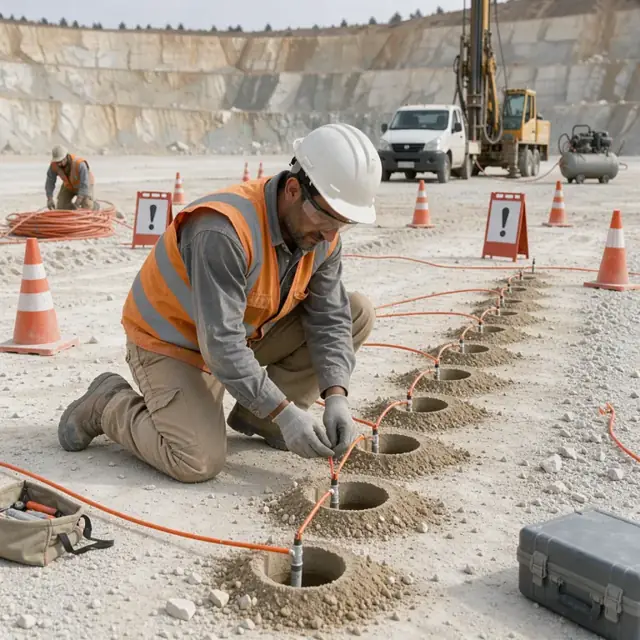
Blasting Permit Coordinator
Prepare blast permits, monitor vibration and file all required pre- and post-blast documentation.
Works in: Ambitious Docs, Ambitious Tasks, Ambitious Sheets · Workflows: Blasting permit and monitoring
Automates
- Checks weather and permit limits before each blast
- Drafts notifications and arranges seismograph placement
- Logs explosive usage and files post-blast reports
Stops for a person
- The blaster-in-charge signs every blast plan and initiation sequence
- Regulatory notifications are sent only after manager approval

Fleet Maintenance Planner
Build weekly maintenance schedules for haul trucks, drills, loaders and mill equipment based on hours and tonnage.
Works in: Ambitious Sheets, Process Optimizer, Ambitious Tasks · Workflows: Fleet and mill maintenance scheduling
Automates
- Pulls operating hours and fault data from equipment
- Aligns maintenance tasks to production windows
- Generates parts lists and tracks work backlog
Stops for a person
- The maintenance superintendent approves all scheduled downtime
- Critical safety-related repairs are verified by a certified mechanic

Reagent and Consumables Manager
Track daily reagent consumption, maintain par levels and prepare orders for cyanide, lime and grinding media.
Works in: Ambitious Sheets, Ambitious Tasks, Ambitious Docs · Workflows: Reagent and consumables inventory
Automates
- Calculates usage against ore processed
- Generates reorder lists by supplier lead time
- Logs storage inspections and spill-kit checks
Stops for a person
- The site environmental manager approves all hazardous chemical orders
- Physical inventory counts are performed by people and reconciled monthly

Haulage and Stockpile Dispatcher
Track haul trucks, assign loads to correct stockpiles and maintain running grade inventories.
Works in: Ambitious Tasks, Ambitious Sheets, Ambitious Docs · Workflows: Ore haulage and stockpile management
Automates
- Imports GPS load counts each shift
- Assigns material to stockpiles by grade
- Updates daily tonnage and sampling schedule
- Drafts end-of-shift production summaries
Stops for a person
- The mine supervisor confirms stockpile assignments before loads are dumped
- Any variance report is reviewed and signed by the shift foreman

Environmental Compliance Clerk
Schedule water and air sampling, prepare discharge reports and track permit and bonding deadlines.
Works in: Ambitious Docs, Ambitious Sheets, Ambitious Tasks · Workflows: Environmental sampling and permit tracking
Automates
- Generates chain-of-custody and sampling schedules
- Compares lab results to permit limits
- Drafts monthly monitoring reports
- Alerts on upcoming permit renewals
Stops for a person
- The environmental manager reviews and signs every regulatory filing
- People perform actual sampling and confirm corrective actions

Shift Production Reporter
Compile tonnage, grade, safety and downtime data into daily shift reports and monthly regulatory summaries.
Works in: Ambitious Docs, Ambitious Sheets, Ambitious Tasks · Workflows: Shift production and safety reporting
Automates
- Rolls up shift data from each crew
- Flags variances against the mine plan
- Drafts handover notes and monthly production tables
Stops for a person
- The mine manager approves all production and safety reports before submission
- Any regulatory filing is reviewed and certified by the responsible person
Workflows
Daily mine planning from assays
Starts when: Morning assay results and geologist face samples arrive
- Import new drill-hole and face-sample assays into the block model
- Update the short-term mine plan with approved headings or benches
- Generate blast-hole patterns and loading instructions for the next 24-48 hours
- Flag any high-grade pockets that require separate stockpiling
- Create a haul schedule with target tonnages per shift
Watch for: Geologist must approve any deviation from the approved plan; Blast patterns must respect minimum standoff distances to structures
Blasting permit and monitoring
Starts when: Before every scheduled blast
- Check blast plan against current permit limits and weather forecast
- Draft the blast notification and flyrock control measures
- Schedule seismograph placement and pre-blast survey
- Log explosive inventory used and remaining
- File post-blast report with vibration and airblast data
Watch for: All explosive handling follows ATF and state fire-marshal rules; Neighbors and regulators must receive notice within required windows
Fleet and mill maintenance scheduling
Starts when: Weekly and after every 250 operating hours
- Pull meter readings and fault codes from haul trucks, drills, loaders and crushers
- Cross-reference against maintenance intervals for each asset
- Draft weekly shutdown schedule that minimizes impact on ore delivery
- Generate parts and consumable reorder lists
- Track backlog of deferred work
Watch for: Critical spares for underground ventilation and fire suppression cannot drop below minimum stock; Mill liners and grinding media changes must align with ore hardness data
Reagent and consumables inventory
Starts when: Daily stock check and after each mill circuit run
- Record daily consumption of cyanide, lime, collectors and flocculants
- Compare against par levels and lead times from suppliers
- Draft purchase orders for next delivery
- Flag any chemicals approaching shelf-life or regulatory reporting thresholds
- Log spill-kit and secondary containment inspections
Watch for: Cyanide and other hazardous reagents require locked storage and constant leak detection; Usage must be reconciled against ore tonnage and recovery figures
Ore haulage and stockpile management
Starts when: End of every shift
- Import load counts and GPS-tracked routes from haul trucks
- Assign material to correct stockpiles based on grade
- Update running totals for high-grade, low-grade and waste
- Sample each new stockpile lift and send to lab
- Draft daily production report for management
Watch for: Stockpile segregation must prevent mixing of materially different grades; Moisture and dust suppression must be documented on every haul road
Environmental sampling and permit tracking
Starts when: Weekly sampling schedule and permit renewal dates
- Generate chain-of-custody forms for water, air and soil samples
- Track laboratory results against permit limits
- Draft monthly discharge monitoring reports
- Alert on upcoming permit, bond or inspection deadlines
- Maintain reclamation cost estimates and bonding records
Watch for: All samples must follow EPA or state-approved methods and holding times; Any excursion triggers immediate notification and corrective-action documentation
Shift production and safety reporting
Starts when: End of each shift
- Compile tonnage, grade, recovery and downtime from each crew
- Log safety observations, near-misses and equipment issues
- Draft end-of-shift handover notes for the incoming crew
- Roll daily totals into monthly regulatory and investor reports
- Flag any variance against the weekly mine plan
Watch for: All safety incidents must be reviewed by the safety manager before filing; Production figures are locked once entered for regulatory reporting
Bot templates for this industry
- Gold Ore and Silver Ore Mining (7 bots)
Source: U.S. Small Business Administration, Office of Size Standards, Table of Small Business Size Standards Matched to North American Industry Classification System Codes, version March 2023 (effective 2023-03-17, NAICS 2022). Size standards are shown for reference only.