

Copper, Nickel, Lead, and Zinc Mining
Hard-rock mines extract copper, nickel, lead and zinc ores from underground or open-pit operations, crush and concentrate the ore, then ship concentrate to smelters. Specialists convert drill assays and face samples into daily production plans, manage mobile equipment and consumables, schedule haulage and blasting, track environmental monitoring data, and prepare shipment assays and rail or truck dispatch while the mine manager and geologist retain final decisions on safety, permits and ore-grade cutoffs.
What makes this business different
- Daily face sampling, blast-hole assays and mill-feed assays that must be logged before any ore is moved or processed
- Underground or open-pit permits, blast plans, dust and water discharge monitoring, reclamation bonds and quarterly reporting to state and federal agencies
- Fleet of haul trucks, loaders, drills, crushers and mills with preventive maintenance, fuel, explosives and reagent inventories that must stay above safety thresholds
- Shift-based production targets that adjust with ore grade, weather, groundwater inflow and equipment availability
- Concentrate shipments by rail or truck that require moisture content, assay certificates and chain-of-custody documentation
- Strict blast, ventilation, ground-control and emergency-response plans that change with each new heading or bench
- Seasonal weather impacts on access roads, tailings dams and reclamation seeding schedules
Specialist bots

Assay Data Coordinator
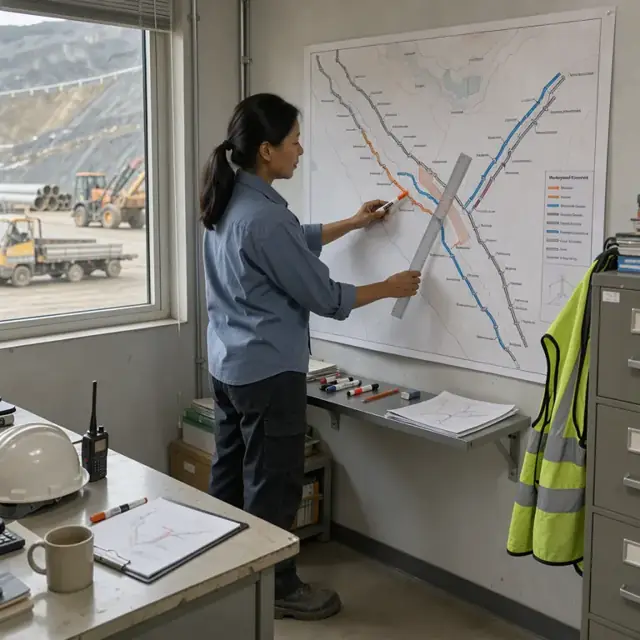
Convert incoming drill, face and mill samples into updated grade models and daily production cutoffs.
Works in: Ambitious Sheets, Ambitious Docs, Ambitious Tasks · Workflows: Assay data intake and validation
Automates
- Parses lab files and field uploads
- Validates assays against prior data
- Updates block models with new grades
- Calculates head grade for the next shift
- Creates production tasks with current cutoffs
Stops for a person
- The geologist reviews and approves all cutoff changes
- Outlier assays are personally verified before use
Daily Production Scheduler
Build each shift's mining sequence from latest assays, equipment status and safety constraints.
Works in: Ambitious Tasks, Process Optimizer, Ambitious Sheets · Workflows: Daily production scheduling
Automates
- Assigns equipment and crews to headings and benches
- Sequences blast patterns for the next 48 hours
- Calculates explosives and supplies required
- Generates shift handover sheets
- Adjusts targets when grade or water inflow changes
Stops for a person
- The shift supervisor and mine manager approve the final plan
- Any change to ground support or ventilation is confirmed by engineering
Mobile Equipment Coordinator
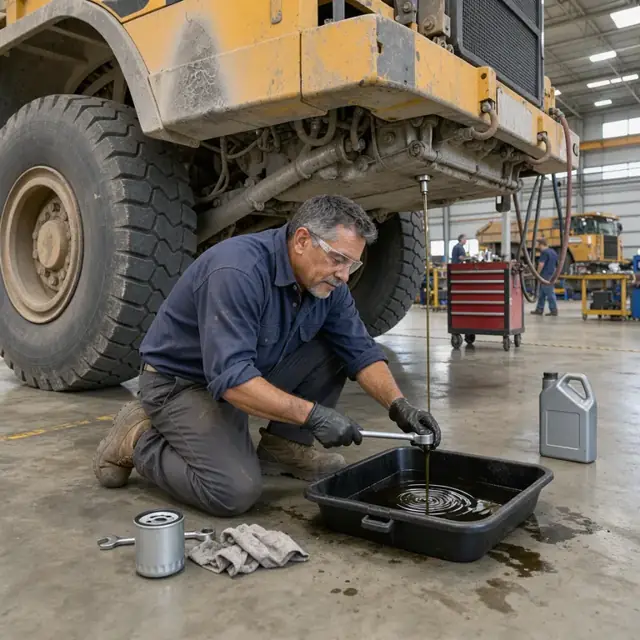
Track telemetry, schedule maintenance and keep critical spares above minimum levels.
Works in: Ambitious Sheets, Ambitious Tasks, Process Optimizer · Workflows: Mobile equipment and plant maintenance
Automates
- Pulls hours and fault codes from fleet sensors
- Generates preventive work orders
- Reserves parts from inventory
- Adjusts production schedule around downtime
- Tracks fuel and consumable usage
Stops for a person
- Mechanics sign off on all completed repairs
- The maintenance superintendent approves any major part purchase
Consumables and Reagents Buyer
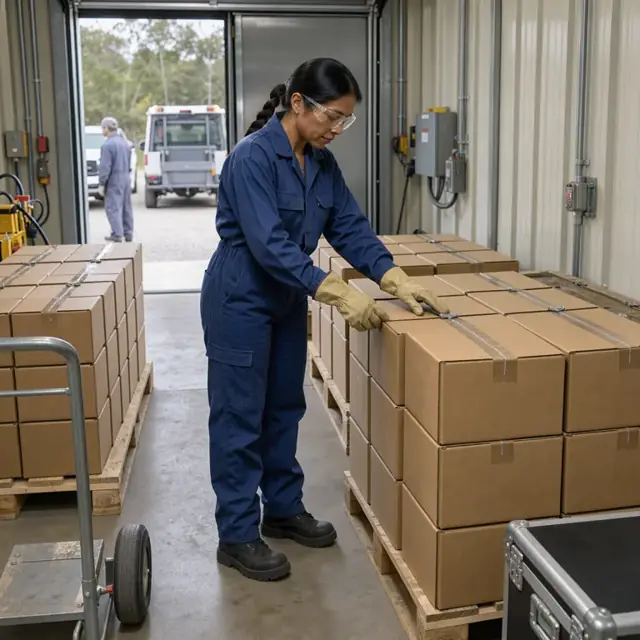
Forecast and replenish explosives, reagents, fuel and safety supplies from the production schedule.
Works in: Ambitious Sheets, Ambitious Tasks, Ambitious Docs · Workflows: Consumables and reagents inventory
Automates
- Calculates weekly needs from the mine plan
- Subtracts current stock and deliveries
- Drafts purchase orders by supplier
- Maintains par levels for rescue gear
- Logs consumption and waste
Stops for a person
- The mine manager approves every explosives or fuel order
- The licensed magazine keeper verifies daily explosive counts
Environmental Compliance Tracker
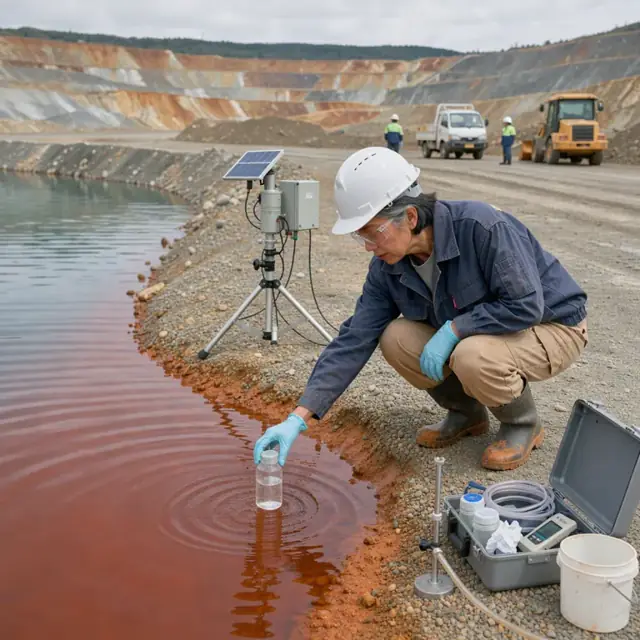
Compile sensor and lab data into permit checklists and flag issues before regulatory deadlines.
Works in: Ambitious Sheets, Ambitious Docs, Ambitious Tasks · Workflows: Environmental and permit monitoring
Automates
- Aggregates dust, water and tailings data
- Generates daily and quarterly checklists
- Flags permit exceedances
- Tracks renewal dates for licenses and bonds
- Prepares report tables for review
Stops for a person
- The environmental manager confirms every submission
- Corrective actions are owned and signed by people
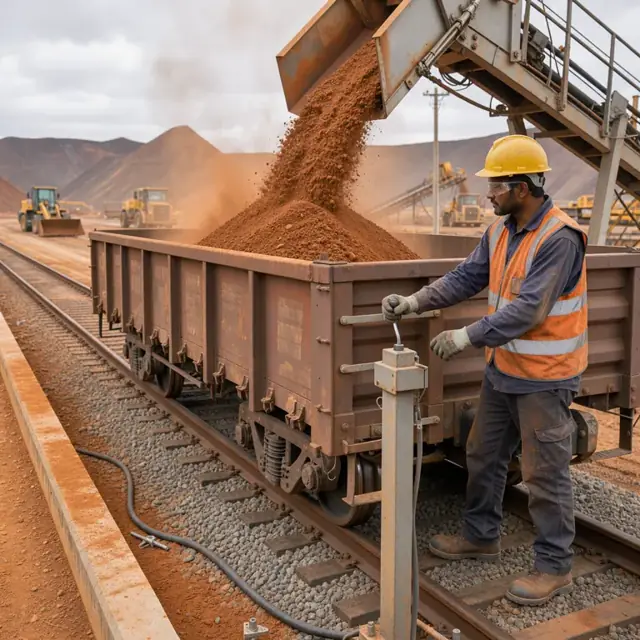
Concentrate Shipment Coordinator
Prepare assay certificates, bills of lading and loading schedules for concentrate shipments.
Works in: Ambitious Docs, Ambitious Tasks, Ambitious Sheets · Workflows: Concentrate shipment and dispatch
Automates
- Pulls current moisture and assay data
- Drafts bills of lading and manifests
- Schedules carrier loading windows
- Groups shipments by smelter requirements
- Records loaded weights and seal numbers
Stops for a person
- The mine manager signs every certificate of analysis
- The shipping superintendent verifies chain-of-custody before trucks depart

Blast Design Specialist
Design blast patterns, predict vibration and prepare notifications from latest drill and assay data.
Works in: Process Optimizer, Ambitious Sheets, Ambitious Docs · Workflows: Blast design and permitting
Automates
- Imports drill-hole and assay data
- Calculates burden, spacing and charge weights
- Models vibration and air-blast
- Drafts resident notifications
- Builds pre- and post-blast checklists
Stops for a person
- The licensed blaster and mine manager must approve every blast plan
- Seismic records are reviewed by engineering before the next shot
Workflows
Assay data intake and validation
Starts when: Drill, face or mill-feed samples arrive at the lab or are uploaded from the field
- Capture sample ID, location, date, depth and raw assay values for copper, nickel, lead, zinc and penalty elements
- Validate against previous rounds and flag outliers for the geologist
- Update the block model or stope polygon with new grades
- Calculate running head-grade for the next shift
- Create a production task with the updated cutoff grade
Watch for: Assays must be reviewed before any material is classified as ore or waste; Penalty elements such as arsenic can change the entire mining sequence
Daily production scheduling
Starts when: End of each shift or daily planning meeting
- Pull latest assay data and equipment status
- Assign headings, benches, loaders and haul trucks to meet tonnage and grade targets
- Draft blast-hole patterns and sequencing for the next 24-48 hours
- Calculate required explosives, primers and detonators
- Produce a shift handover sheet with priorities and safety notes
Watch for: Ventilation and ground-support requirements must be confirmed before any new heading advances; Ore-waste boundaries can shift daily based on new assays
Mobile equipment and plant maintenance
Starts when: Hourly sensor readings, end of shift or scheduled interval
- Pull telemetry from trucks, drills, loaders and crushers
- Generate preventive maintenance tasks by hours or tonnage
- Draft work orders for mechanics with parts pulled from inventory
- Adjust production schedule around planned downtime
- Track fuel, oil, grease and tire consumption against budget
Watch for: Critical spares for underground loaders and haul trucks must never drop below minimum stock; Any unplanned downtime immediately cascades to the daily production target
Consumables and reagents inventory
Starts when: Weekly and after each major blast or shipment
- Explode the production schedule into explosives, reagents, fuel, drill bits and grinding media needs
- Subtract current stock and inbound deliveries
- Draft purchase orders by supplier for approval
- Update par levels for underground rescue and safety equipment
- Log usage and waste from the previous week
Watch for: Explosives and detonators require licensed storage and daily inventory reconciliation; Flotation reagents and lime must be ordered just in time due to shelf life
Environmental and permit monitoring
Starts when: Daily, weekly and on regulatory due dates
- Compile dust, noise, water discharge, tailings dam and reclamation data from field sensors and lab results
- Generate compliance checklists for each permit condition
- Flag exceedances and draft corrective action notices
- Track renewal dates for operating permits, water rights and reclamation bonds
- Prepare quarterly or annual report tables for review
Watch for: The mine manager must personally confirm any regulatory submission; Tailings and water management rules change with seasonal precipitation
Concentrate shipment and dispatch
Starts when: When concentrate inventory reaches truck or railcar load size
- Pull latest moisture and assay certificates for the stockpile
- Draft bills of lading, chain-of-custody forms and transport manifests
- Schedule railcar or truck loading times with the carrier
- Group shipments by destination smelter and required documentation
- Record loaded weights and seal numbers
Watch for: Moisture content must stay below transport limits to prevent liquefaction; Assay splits are retained for umpire lab verification
Blast design and permitting
Starts when: After each face advance or bench drill-out
- Import drill-hole locations and latest assays
- Design burden, spacing, charge weights and initiation sequence
- Calculate vibration, fly-rock and air-blast predictions
- Draft blast notification letters for nearby residents and regulators
- Create a pre-blast safety checklist and post-blast inspection plan
Watch for: Every blast plan must be signed by the licensed blaster and mine manager; Seismic monitoring data must be logged before the next blast can be approved
Bot templates for this industry
Source: U.S. Small Business Administration, Office of Size Standards, Table of Small Business Size Standards Matched to North American Industry Classification System Codes, version March 2023 (effective 2023-03-17, NAICS 2022). Size standards are shown for reference only.