

Dimension Stone Mining and Quarrying
Dimension stone operators locate deposits, obtain permits, plan benches and blasts, cut large blocks with wire saws and diamond blades, split or finish them to specification, and ship to stone yards and fabricators. Specialists turn permit and customer specs into a quarterly quarry schedule, convert that schedule into blast and cut plans with equipment assignments, track block inventory by color and quality, and manage shipping and compliance logs while the quarry manager and blaster retain final authority on safety, shots and stone quality.
What makes this business different
- Multi-year land leases, exploration permits, operating permits, reclamation bonds and MSHA compliance that must be renewed on fixed cycles
- Blast plans, vibration monitoring and pre-blast notifications that require regulatory submission before every shot
- Large capital equipment including wire saws, diamond chain saws, excavators, loaders, haul trucks and cranes that need daily pre-use inspections and scheduled maintenance
- Stone blocks extracted in specific sizes and colors with quality grading for fractures, seams and consistency that directly affects pricing
- Inventory of rough blocks stored in yards by color, size and grade with constant tracking to match customer orders
- Customer specifications for cut-to-size, split-face, honed or polished finishes that drive cutting and finishing sequences
- Seasonal limits on operations due to weather, frozen ground or high water tables and annual reclamation reporting
- Weigh tickets, bills of lading, chain-of-custody and royalty reports that must be accurate for every load leaving the site
Specialist bots

Regulatory Compliance Coordinator
Track and organize all operating, blasting, environmental and reclamation permits and prepare renewal and reporting packages.
Works in: Ambitious Tasks, Ambitious Docs, Ambitious Sheets · Workflows: Permit and regulatory compliance management
Automates
- Maintains the master permit calendar with all agency deadlines
- Compiles required monitoring data and draft reports
- Generates renewal application templates and checklists
- Logs inspection results and tracks corrective actions
Stops for a person
- The quarry manager reviews and signs every submission to regulators
- The licensed blaster or safety officer confirms blast notices before sending
- People confirm all regulatory interpretations and final filings

Quarry Scheduling Planner
Convert customer orders, stone inventory and pit design into a quarterly bench and extraction schedule.
Works in: Ambitious Sheets, Process Optimizer, Ambitious Tasks · Workflows: Quarry bench and extraction scheduling
Automates
- Balances demand by color against current yard inventory
- Sequences benches to maintain stability and follow reclamation plan
- Assigns equipment and projects block output
- Highlights shortfalls and suggests schedule adjustments
Stops for a person
- The quarry manager approves the final quarterly schedule
- Any change affecting high-value stone faces requires owner sign-off
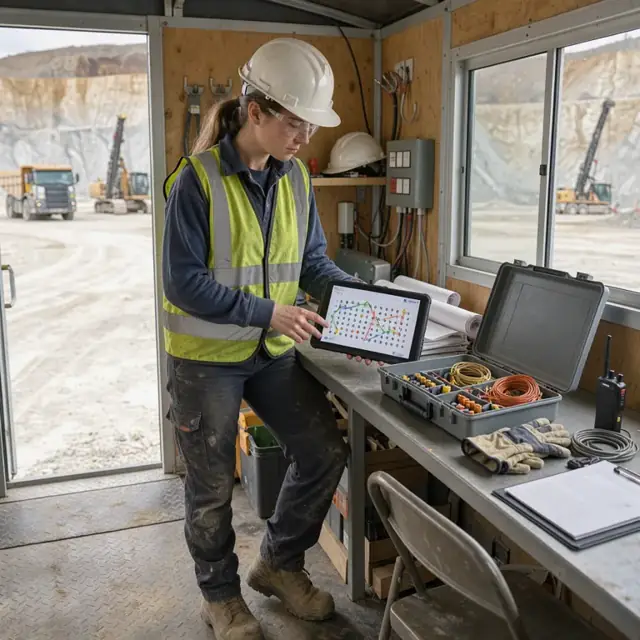
Blast Plan Coordinator
Prepare blast designs, notification packages and monitoring plans for regulatory approval.
Works in: Ambitious Docs, Ambitious Sheets, Process Optimizer · Workflows: Blast planning and execution prep
Automates
- Builds hole patterns and charge calculations from bench data
- Drafts pre-blast notices and monitoring station layouts
- Assembles the complete submission package
- Tracks approval status and expiration
Stops for a person
- Only the licensed blaster can modify or sign the final blast plan
- The safety officer verifies all vibration predictions meet permit limits
- Regulatory submissions are sent only after personal review

Block Production and Inventory Tracker
Record every block cut from the face, grade it, locate it in the yard and allocate it to customer orders.
Works in: Ambitious Sheets, Ambitious Tasks, Ambitious Docs · Workflows: Block cutting and primary processing, Block inventory and order allocation
Automates
- Logs measurements and quality notes for each new block
- Assigns yard locations and updates inventory map
- Matches blocks to orders by color, size and grade
- Flags inventory shortages for the scheduler
Stops for a person
- The quarry manager or stone selector personally verifies color and quality grades
- Any block designated for a premium contract is physically inspected before reservation
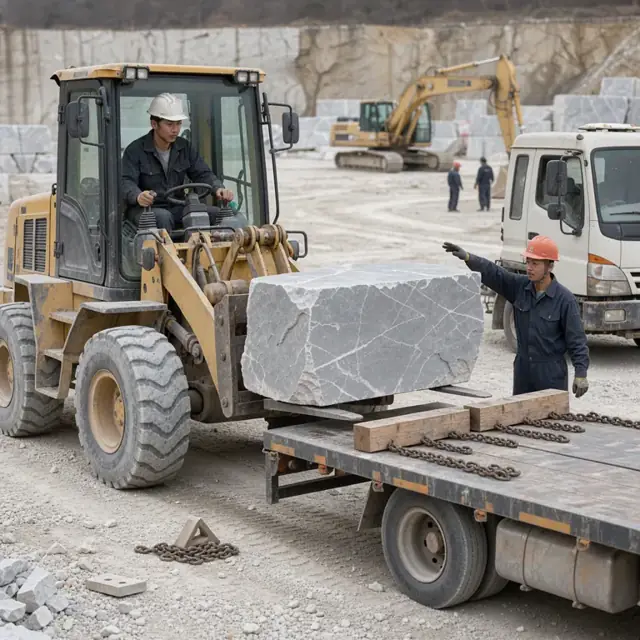
Shipping and Load Dispatcher
Prepare loading lists, bills of lading, weigh tickets and shipping documents for each outbound load.
Works in: Ambitious Tasks, Ambitious Docs, Ambitious Sheets · Workflows: Shipping, loading and documentation
Automates
- Generates load manifests from allocated blocks
- Creates weigh tickets and bills of lading
- Drafts chain-of-custody and quality certificates
- Schedules loader time and tracks carrier confirmations
Stops for a person
- The scale operator or loader driver confirms actual weights and signs tickets
- The quarry manager approves any special routing or overweight permits
- A person physically verifies load securement before departure
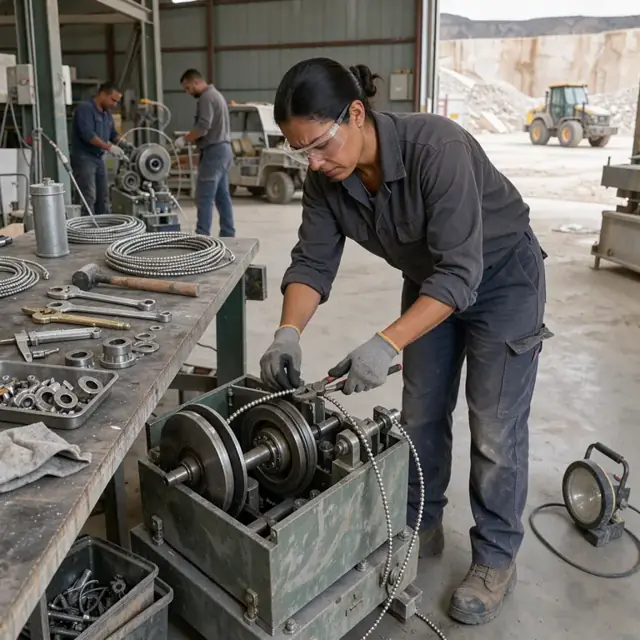
Equipment Maintenance Coordinator
Track daily inspections, equipment hours and schedule preventive maintenance for all quarry machinery and saws.
Works in: Ambitious Tasks, Ambitious Sheets, Ambitious Docs · Workflows: Equipment inspection and maintenance tracking
Automates
- Generates daily pre-use inspection forms for each machine
- Logs operating hours and wear data
- Schedules blade changes, oil services and major overhauls
- Maintains digital service history and flags out-of-service equipment
Stops for a person
- Equipment operators complete and sign every daily inspection
- The maintenance mechanic verifies all repair work and updates records
- The quarry manager must approve taking any critical machine offline
Workflows
Permit and regulatory compliance management
Starts when: On fixed renewal dates, after any regulatory inspection and before every planned blast
- Track expiration dates for operating permit, reclamation plan, air quality permit, water discharge permit and MSHA training records
- Compile required documentation packages including blast notices, monitoring data and annual production reports
- Draft renewal applications and updates for agency submission
- Maintain the master compliance calendar and flag upcoming deadlines
- Log all inspections, citations and corrective actions
Watch for: Different agencies (federal, state, county) have overlapping but non-identical requirements and deadlines; Blasting permits must be secured and notifications sent to neighbors within strict time windows
Quarry bench and extraction scheduling
Starts when: Start of each fiscal quarter and after any major customer order or equipment outage
- Incorporate active customer orders, forecasted demand by stone color and current block inventory
- Sequence benches and faces to optimize color consistency, minimize waste and respect geotechnical stability
- Assign equipment and crews to each bench for the period
- Calculate projected block yields and flag any shortfalls
- Produce a visual quarterly schedule for the quarry manager
Watch for: Stone color and quality vary by bench and depth; schedule must preserve high-value material; Bench progression must follow approved pit design and reclamation sequence
Blast planning and execution prep
Starts when: When a new bench area is ready for drilling and at least 14 days before the planned shot date
- Review geotechnical data and free-face conditions for the target bench
- Draft blast design including hole pattern, burden, spacing, powder factor and initiation sequence
- Calculate explosive quantities and draft the blast notification package
- Submit the plan for regulatory review and obtain signed approvals
- Generate the pre-blast checklist and monitoring station locations
Watch for: Only a licensed blaster can finalize and sign the plan; Vibration and fly-rock predictions must stay within permit limits; Any change in pattern or explosives requires re-submission
Block cutting and primary processing
Starts when: Daily at the start of each shift and when new orders arrive
- Assign wire saws, chain saws or diamond blades to specific cuts based on the quarterly schedule and order specs
- Track each block from the face through splitting or guillotining to final dimension
- Record measurements, color, grade and any defects for each block produced
- Update the block inventory log with location in the yard
- Flag blocks that meet premium or reject criteria
Watch for: Saw and blade life must be monitored to schedule maintenance without halting production; Blocks must be handled with cranes or loaders without causing new fractures
Block inventory and order allocation
Starts when: After every production shift and when a customer order is confirmed
- Record new blocks by color, size, grade and yard location
- Match existing inventory against incoming orders by specification
- Reserve blocks and move them to the staging area
- Identify any shortfall and trigger additional cutting or purchasing from partner quarries
- Maintain photos and test data linked to each block lot
Watch for: Color consistency within a single customer order is critical and must be verified before allocation; Blocks can only be moved once without incurring extra handling cost
Shipping, loading and documentation
Starts when: When a customer order is ready and a truck is scheduled
- Confirm order specifications, required finish and destination
- Generate load list, weigh tickets and bills of lading
- Schedule loader and crane time for safe loading
- Draft chain-of-custody and quality certificates
- Track shipment status until the carrier signs for receipt
Watch for: Overweight loads require special permits and routing; Stone must be secured to prevent damage during transit; Royalty and severance taxes are calculated per load
Equipment inspection and maintenance tracking
Starts when: Daily before first use, weekly for full inspections and on manufacturer intervals
- Generate daily pre-use inspection checklists for each piece of heavy equipment and saw
- Record hours, fluid levels, blade wear and any defects
- Schedule preventive maintenance and parts orders
- Maintain service history and compliance stickers
- Flag any equipment taken out of service
Watch for: MSHA requires documented inspections; incomplete logs can halt operations; Wire saw cables and diamond blades have strict replacement criteria based on wear
Bot templates for this industry
- Dimension Stone Mining and Quarrying (6 bots)
Source: U.S. Small Business Administration, Office of Size Standards, Table of Small Business Size Standards Matched to North American Industry Classification System Codes, version March 2023 (effective 2023-03-17, NAICS 2022). Size standards are shown for reference only.