

Crushed and Broken Limestone Mining and Quarrying
Quarries extract limestone from open pits or underground faces, then crush, screen and size the rock for sale as construction aggregate, road base, railroad ballast or agricultural lime. Daily operations include blast planning, loading haul trucks, running primary and secondary crushers, maintaining conveyor systems and stockpiles, plus constant monitoring of dust, noise and groundwater. Specialists turn permit and customer orders into weekly blast and production schedules, track inventory by size and quality, schedule maintenance around weather and demand, and keep safety and reclamation paperwork current. The quarry manager and blaster retain all decisions on explosives, face stability and regulatory filings.
What makes this business different
- Blast plans that follow approved patterns, vibration limits and pre-blast notifications to neighbors
- Crusher and screen setups that must change between different product sizes and specifications
- Stockpile management by gradation, with moisture and quality testing before shipment
- Heavy equipment maintenance windows coordinated with production and weather
- MSHA safety training records, dust control plans, stormwater permits and reclamation bonds
- Seasonal demand peaks for road construction and agricultural lime in spring and fall
- Weighing and ticketing of every outbound load with chain-of-custody for certified projects
Specialist bots

Order and Specification Coordinator
Convert customer requests for crushed limestone into scheduled, specification-checked orders.
Works in: Ambitious Tasks, Ambitious Docs, Ambitious Sheets · Workflows: Customer order and specification intake
Automates
- Parses incoming order details and required gradations
- Checks current inventory and production schedule
- Creates sales order tasks for the scale and loadout team
- Drafts order acknowledgments
Stops for a person
- Quarry manager approves special certification or rush orders
- A person reviews and sends all customer communications

Blast Plan Developer
Turn face survey data and production targets into blast designs and notifications.
Works in: Ambitious Docs, Ambitious Sheets, Process Optimizer · Workflows: Blast planning and permitting
Automates
- Calculates powder factors and hole patterns from bench dimensions
- Models expected vibration and fragmentation
- Generates neighbor notification lists and draft letters
- Prepares drill and shot report templates
Stops for a person
- The licensed blaster approves every blast plan before drilling
- The quarry manager confirms notifications have been sent

Production and Loadout Dispatcher
Assign daily equipment tasks, crusher settings and customer loadout times.
Works in: Ambitious Tasks, Ambitious Sheets · Workflows: Daily production scheduling and dispatch
Automates
- Builds the shift schedule from orders and inventory
- Suggests loader and truck assignments by location
- Sets crusher and screen configurations for target sizes
- Coordinates arrival windows for customer trucks
Stops for a person
- The shift foreman adjusts assignments based on pit conditions
- The loader operator confirms actual material moved

Stockpile and Quality Inventory Manager
Maintain accurate volumes, quality data and forecasts for every crushed stone size.
Works in: Ambitious Sheets, Ambitious Docs, Ambitious Tasks · Workflows: Stockpile inventory and quality control
Automates
- Updates stockpile volumes from survey data
- Records gradation and moisture test results
- Reconciles tickets against inventory
- Forecasts days until next blast per product
Stops for a person
- The quality control technician verifies test data
- The manager approves any inventory adjustments
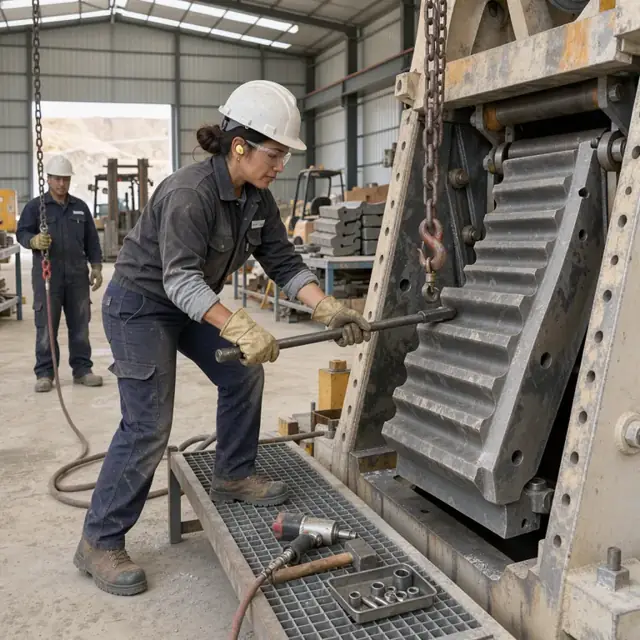
Maintenance Scheduler
Schedule preventive maintenance and parts orders around production and weather windows.
Works in: Ambitious Tasks, Ambitious Sheets, Process Optimizer · Workflows: Preventive maintenance and downtime scheduling
Automates
- Pulls equipment hour data and flags service intervals
- Builds weekly maintenance calendar
- Generates parts lists for crushers and loaders
- Creates lockout and permit templates
Stops for a person
- Mechanics approve work orders before starting repairs
- The quarry manager decides which downtime to take
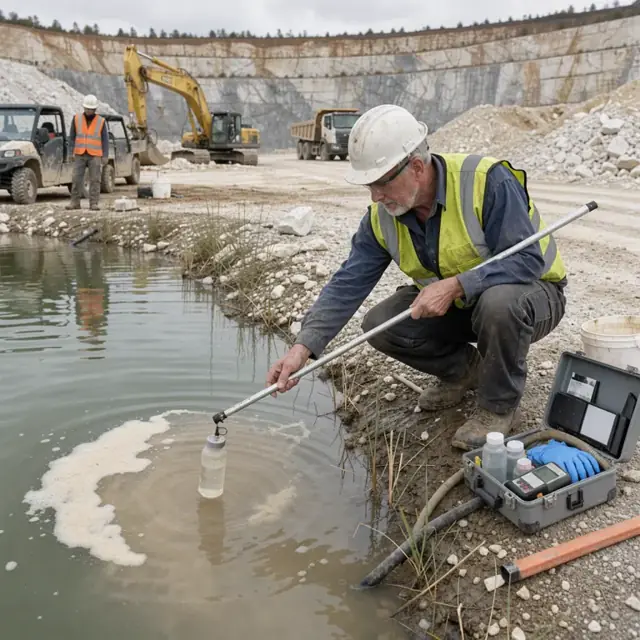
Compliance and Safety Clerk
Keep daily safety logs, environmental samples and permit renewals on schedule.
Works in: Ambitious Tasks, Ambitious Docs, Ambitious Sheets · Workflows: Safety, environmental and reclamation compliance
Automates
- Generates daily dust, safety and stormwater checklists
- Logs vibration and water quality data
- Tracks training and license expirations
- Assembles monthly production reports
Stops for a person
- The safety director reviews all logs and corrective actions
- The quarry manager confirms which reports are submitted
- People handle all regulatory filings and inspections

Scale and Billing Specialist
Capture every load weight, generate tickets and prepare accurate customer invoices.
Works in: Ambitious Tasks, Ambitious Docs, Ambitious Sheets · Workflows: Loadout, ticketing and invoicing
Automates
- Records scale weights and product codes
- Populates tickets with customer and certification data
- Reconciles daily loads to orders
- Drafts invoices with tonnage and pricing
Stops for a person
- The scale operator verifies each ticket before printing
- Accounting reviews and sends all invoices
Workflows
Customer order and specification intake
Starts when: A customer order arrives by phone, email or portal for aggregate by size and volume
- Capture required gradation, tonnage, delivery or pickup dates and any project certifications
- Check current stockpile levels and production schedule against the request
- Confirm pricing, payment terms and any special testing requirements
- Create a sales order task with loadout instructions
- Draft acknowledgment for review
Watch for: Certain DOT or architectural projects require specific source approvals and test reports; Orders must be scheduled around blast and crushing cycles
Blast planning and permitting
Starts when: Weekly or when face inventory drops below target
- Review face survey data and desired product mix
- Draft blast pattern, hole layout, powder factor and timing sequence
- Calculate expected fragmentation and vibration levels
- Generate pre-blast notification list and draft letters
- Assemble drill log, shot report template and seismograph placement plan
Watch for: All blast designs must stay within state and MSHA limits; Neighbors within a set distance must be notified in advance
Daily production scheduling and dispatch
Starts when: Each morning before shift start
- Review overnight orders, stockpile levels and weather forecast
- Assign loader and haul truck fleets to face, crusher or stockpile tasks
- Set crusher settings and screen decks for the day's primary product
- Create loadout schedule for customer trucks or rail cars
- Flag any quality sampling or wash plant runs needed
Watch for: Equipment assignments change with pit conditions and customer truck arrivals; Crusher throughput is limited by feed size after each blast
Stockpile inventory and quality control
Starts when: Daily and after each major production run
- Update volumes by product size using drone surveys or ground measurements
- Record moisture, gradation and quality test results
- Reconcile sales tickets against physical inventory
- Forecast weeks until next blast for each key size
- Flag stockpiles that need re-screening or blending
Watch for: Moisture content affects both weight sales and crusher performance; Segregation in large stockpiles must be managed
Preventive maintenance and downtime scheduling
Starts when: Weekly and after equipment hours thresholds
- Pull hours and fault codes from fleet telemetry
- Draft weekly maintenance calendar around production and weather
- Generate parts and supply orders for crushers, screens and loaders
- Track conveyor belt wear, screen media life and crusher liner hours
- Create lockout-tagout and confined-space entry permits for each job
Watch for: Maintenance must avoid peak construction season windows; Certain repairs require outside contractors and permits
Safety, environmental and reclamation compliance
Starts when: Daily for safety, monthly and quarterly for reports
- Generate daily safety and dust-control checklists
- Log water quality samples, dust readings and blast vibrations
- Track training expirations for MSHA certifications and blaster licenses
- Draft monthly production and sales reports
- Monitor reclamation bond status and progressive rehabilitation progress
Watch for: Groundwater monitoring wells and stormwater ponds require regular sampling; All records must be available for unannounced MSHA or state inspections
Loadout, ticketing and invoicing
Starts when: Every outbound truck or rail shipment
- Capture scale weights and product type at the gate
- Print or email tickets with customer, project and certification data
- Reconcile daily loadout against orders and inventory
- Draft invoices with tonnage, price per ton and any fuel surcharges
- Flag loads needing third-party quality certification
Watch for: Overweight loads must be caught before leaving the property; Certain government projects require electronic ticketing and daily submittals
Bot templates for this industry
Source: U.S. Small Business Administration, Office of Size Standards, Table of Small Business Size Standards Matched to North American Industry Classification System Codes, version March 2023 (effective 2023-03-17, NAICS 2022). Size standards are shown for reference only.