

Crushed and Broken Granite Mining and Quarrying
Granite quarries blast, extract, crush, screen and stockpile granite aggregate for construction and road building. For an operation that drills, blasts, loads, hauls, crushes and ships on a daily schedule, the specialists turn drill-and-blast permits and face maps into shot plans, production tonnages into daily schedules and load tickets, quality samples into spec sheets, and truck orders into dispatch and billing. Blast safety, MSHA compliance paperwork, equipment maintenance and reclamation stay with the site manager and certified blaster.
What makes this business different
- Drill and blast plans that must be filed with state and federal agencies before every shot
- Daily production targets by size fraction (riprap, base, #57, screenings) driven by customer orders
- Heavy mobile equipment (drills, excavators, loaders, haul trucks, crushers) that requires daily pre-use inspections and scheduled maintenance
- Stockpile management with tonnage tracking, moisture testing and quality control samples sent to lab
- Truck weighing, load tickets and scale calibration for every outbound load
- MSHA training records, dust control plans, stormwater permits, blast vibration monitoring and reclamation bonding
- Seasonal demand peaks in spring and summer construction months with weather-dependent operations
- Multiple customers (road contractors, concrete plants, asphalt plants) who order on short notice and require certified material
Specialist bots

Blast Planner
Convert face maps and geological data into permitted blast designs with vibration controls.
Works in: Ambitious Docs, Ambitious Sheets, Process Optimizer · Workflows: Blast planning and permitting
Automates
- Calculates burden, spacing and powder factor from bench dimensions
- Predicts peak particle velocity and drafts vibration control plan
- Generates blast layout diagrams and hole loading sheets
- Prepares permit application package for state submission
Stops for a person
- Certified blaster reviews and signs every blast plan
- Site manager approves shot timing and notification list
- Regulatory agency must issue permit before drilling begins
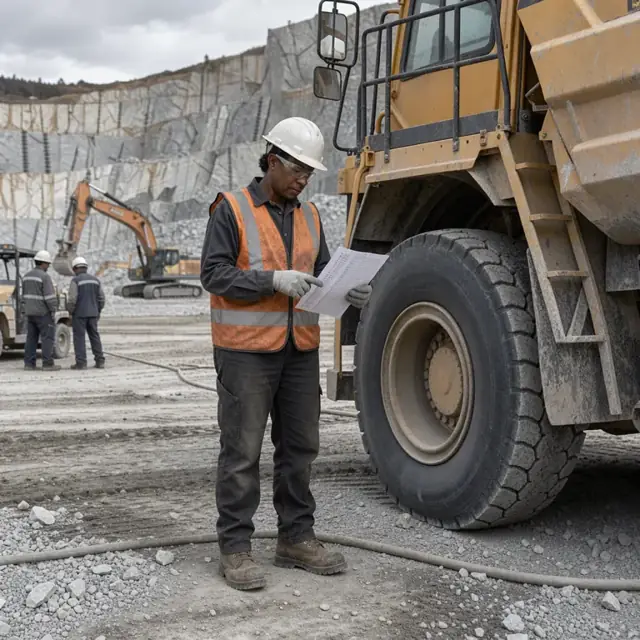
Production Coordinator
Turn daily customer orders and stockpile levels into equipment assignments and production targets.
Works in: Ambitious Tasks, Ambitious Sheets · Workflows: Daily production scheduling
Automates
- Compares orders to inventory by size fraction
- Assigns drills, loaders, haul trucks and crushers to tasks
- Builds shift schedule with tonnage targets
- Adjusts crusher settings for required gradation
Stops for a person
- Quarry manager approves daily plan before shift start
- Blaster confirms safe distances before any shot

Quality Control Technician
Schedule sampling, record lab results and maintain material certification records.
Works in: Ambitious Sheets, Ambitious Docs, Ambitious Tasks · Workflows: Quality control and sampling
Automates
- Creates sampling schedule based on production volume
- Logs gradation, soundness and moisture test results
- Compares results against customer specifications
- Generates certified test reports for each stockpile
Stops for a person
- Lab manager reviews all test data before certification
- Quarry manager decides on material that fails specification
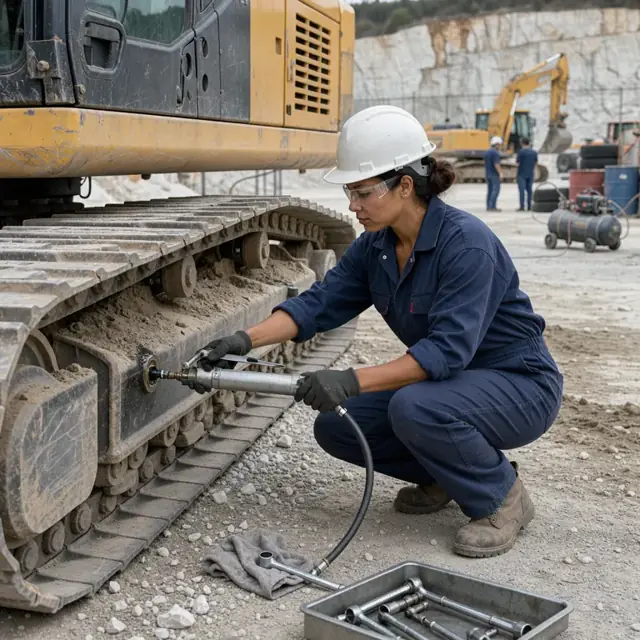
Maintenance Coordinator
Track equipment hours, generate inspection checklists and schedule preventive maintenance.
Works in: Ambitious Tasks, Ambitious Sheets, Process Optimizer · Workflows: Equipment maintenance tracking
Automates
- Pulls meter readings from daily logs
- Creates pre-use inspection forms for each piece of equipment
- Flags overdue maintenance items by priority
- Tracks parts inventory for wear items and liners
Stops for a person
- Mechanics perform and sign off on all repairs
- Site manager approves major repair expenditures

Scale and Loadout Operator
Manage truck weighing, generate load tickets and update inventory after each load.
Works in: Ambitious Tasks, Ambitious Sheets, Ambitious Docs · Workflows: Loadout and truck dispatch
Automates
- Records tare and loaded weights
- Matches truck to correct stockpile and material spec
- Prints load tickets with all required information
- Updates real-time inventory by size
Stops for a person
- Truck driver confirms ticket accuracy before leaving
- Site manager reviews daily sales and inventory reconciliation

Compliance and Reporting Clerk
Compile production, safety and environmental records for monthly and quarterly agency reports.
Works in: Ambitious Docs, Ambitious Sheets, Ambitious Tasks · Workflows: Compliance and reclamation reporting
Automates
- Aggregates tonnage, sales and inventory data
- Organizes blast monitoring records
- Tracks permit and training renewal dates
- Prepares draft reports for reclamation and MSHA
Stops for a person
- Quarry manager reviews every report before submission
- People confirm all regulatory requirements are met
- The bot never certifies compliance

Customer Order Intake Specialist
Capture customer orders, check availability and prepare quotes for aggregate materials.
Works in: Ambitious Tasks, Ambitious Docs, Email Buckets · Workflows: Customer order intake and billing
Automates
- Records customer, job, material size and quantity
- Checks current inventory and scheduled production
- Drafts priced quote for approval
- Creates dispatch task once order is confirmed
Stops for a person
- Sales manager approves all pricing and credit terms
- A person sends the final quote and handles payment questions
Workflows
Blast planning and permitting
Starts when: Weekly or when face advance requires new shot
- Review face map and geological data for the next bench or shot area
- Calculate burden, spacing, hole depth and powder factor for the shot
- Draft blast plan with vibration predictions and flyrock control measures
- Submit plan to state mining agency for review and secure permit number
- Create task for certified blaster to load and shoot
Watch for: All blast designs must be signed by a certified blaster before loading; Seismic monitoring equipment must be placed and records kept for every shot
Daily production scheduling
Starts when: Each morning before shift start
- Review overnight customer orders and current stockpile inventories by size
- Assign drill, blast, load, haul and crush targets for the day
- Allocate mobile equipment and operator crews to each task
- Update crusher settings for target gradations
- Generate daily production report template
Watch for: Weather can halt drilling, blasting or crushing at any time; Crusher throughput is limited by feed size and moisture content
Quality control and sampling
Starts when: After each major production run or on customer request
- Schedule sampling of material from conveyor or stockpile
- Send samples to lab for gradation, specific gravity and soundness tests
- Record results against customer specifications
- Flag any material that fails specs and quarantine pile
- Update certified test reports for each size fraction
Watch for: Certain customers require state DOT certified material with chain-of-custody; Moisture content affects weight and must be tested daily
Equipment maintenance tracking
Starts when: Daily pre-shift and on scheduled intervals
- Generate daily pre-use inspection checklists for drills, loaders, haul trucks and crushers
- Track hourly meter readings and flag overdue preventive maintenance
- Schedule major repairs during low-production windows
- Maintain parts inventory for critical wear items (bits, teeth, crusher liners)
- Log all repairs and downtime
Watch for: MSHA requires documented inspections before each shift; Crusher liner changes require production shutdown and crane support
Loadout and truck dispatch
Starts when: When a customer truck arrives at the scale
- Weigh empty truck and record tare weight
- Assign load to correct stockpile based on order and spec
- Generate load ticket with tonnage, material type, customer and job number
- Weigh loaded truck and print final ticket
- Update inventory and customer order status
Watch for: Scale must be certified and recalibrated on schedule; Overweight trucks must be adjusted before leaving site
Compliance and reclamation reporting
Starts when: Monthly, quarterly and on permit renewal dates
- Compile monthly production, sales and inventory tonnages
- Collect blast vibration and airblast records
- Track water usage, dust control and stormwater sampling results
- Update reclamation progress maps and bonding calculations
- Prepare documents for MSHA quarterly reporting
Watch for: Different agencies require reports on different schedules and formats; All submitted paperwork must be reviewed by the site manager
Customer order intake and billing
Starts when: When a customer places an order by phone, email or portal
- Capture customer, job location, material size, quantity and delivery or pickup date
- Check current inventory and production schedule for availability
- Draft quote with delivered or FOB pricing
- Create order task and notify dispatch
- Generate invoice after loadout is complete
Watch for: Many orders are for exact tonnage that must be met within tight tolerance; Credit status must be verified before loading
Bot templates for this industry
Source: U.S. Small Business Administration, Office of Size Standards, Table of Small Business Size Standards Matched to North American Industry Classification System Codes, version March 2023 (effective 2023-03-17, NAICS 2022). Size standards are shown for reference only.