

Other Crushed and Broken Stone Mining and Quarrying
Quarries extract, crush and size stone such as granite, limestone, traprock or marble for construction aggregates, riprap, road base and landscaping. The operation drills and blasts benches, loads haul trucks, feeds primary and secondary crushers, screens material into stockpiles by size, and ships by truck or rail. Daily focus is on blast plans, crusher settings, screen changes, stockpile management, dust control, safety inspections and loadout tickets. The specialists convert customer orders into production targets, maintain equipment schedules, track inventory by size and quality, prepare shipping documents and handle regulatory paperwork.
What makes this business different
- Drill-and-blast cycle governed by permit limits on timing, vibration and flyrock
- Multiple product sizes (riprap, base, #57, #8, fines) produced simultaneously from one feed
- Crusher and screen settings must be adjusted for material hardness and moisture
- Stockpile inventory measured by survey or drone, tracked by size and quality
- Daily pre-shift equipment inspections, MSHA compliance logs and dust-suppression water usage
- Loadout tickets, weight tickets and chain-of-custody for DOT and customer specs
- Seasonal demand peaks in spring and summer construction months, with winter slowdowns
- Reclamation plans, stormwater permits, air-quality monitoring and blast notifications to neighbors
Specialist bots

Order Coordinator
Convert customer requests into confirmed sales orders and weekly production targets.
Works in: Ambitious Tasks, Ambitious Docs, Ambitious Sheets · Workflows: Customer order intake and production target setting
Automates
- Parses incoming order details and required specifications
- Checks current stockpile availability
- Creates production target tasks
- Drafts order confirmations
Stops for a person
- Quarry manager approves any non-standard material requests
- A person sends all customer confirmations and negotiates delivery dates

Blast Planner
Design drill patterns, calculate charges and schedule blasts within permit limits.
Works in: Ambitious Docs, Ambitious Sheets, Process Optimizer · Workflows: Drill and blast planning
Automates
- Generates burden and spacing calculations from bench survey data
- Drafts blast designs and explosive quantities
- Checks vibration predictions against permit thresholds
- Creates pre-blast and post-blast task lists
Stops for a person
- Licensed blaster reviews and signs every blast plan
- Quarry manager approves neighbor notifications
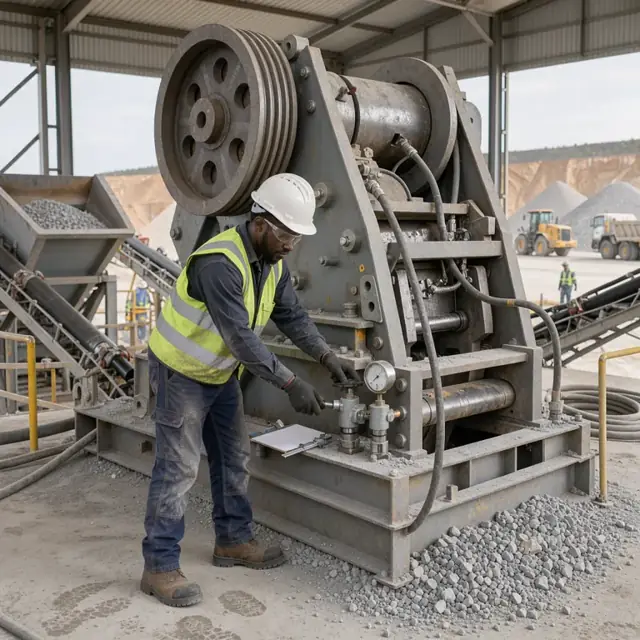
Crushing and Screening Scheduler
Set daily crusher and screen configurations to meet production targets and quality specs.
Works in: Ambitious Tasks, Process Optimizer, Ambitious Sheets · Workflows: Daily crushing and screening schedule
Automates
- Recommends daily production sequence by size fraction
- Suggests crusher gap and screen deck changes
- Monitors expected throughput and flags adjustments
- Creates sampling and quality check tasks
Stops for a person
- Lead operator confirms all equipment settings before startup
- Plant manager approves any major screen configuration changes

Inventory and Quality Tracker
Maintain accurate stockpile volumes, gradation records and quality test results by material size.
Works in: Ambitious Sheets, Ambitious Docs, Ambitious Tasks · Workflows: Stockpile inventory and quality tracking
Automates
- Updates stockpile tonnages from scale and survey data
- Logs gradation and quality test results
- Compares inventory to open orders
- Flags low-stock sizes for production
Stops for a person
- Site manager reviews monthly inventory reconciliation
- Lab technician confirms all quality test entries
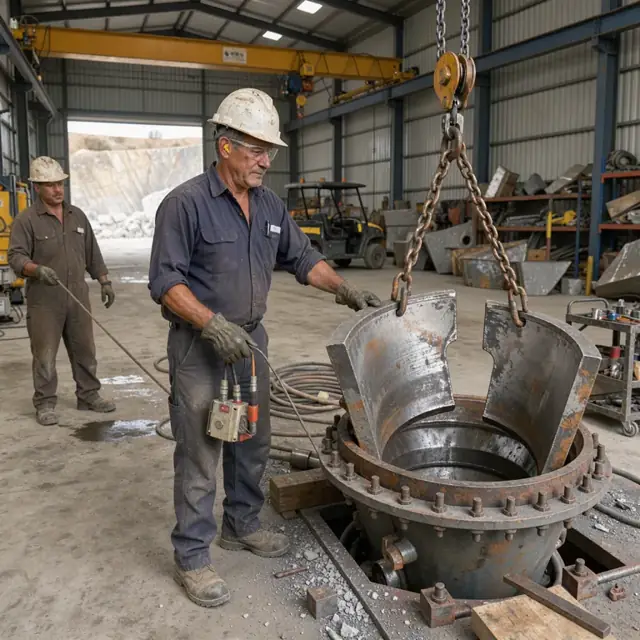
Maintenance Scheduler
Track equipment hours, generate preventive maintenance tasks and schedule downtime.
Works in: Ambitious Tasks, Ambitious Sheets, Process Optimizer · Workflows: Preventive maintenance and equipment scheduling
Automates
- Pulls operating hours from each piece of equipment
- Generates lubrication and inspection checklists
- Suggests optimal maintenance windows
- Tracks parts usage and drafts reorder lists
Stops for a person
- Maintenance lead approves all scheduled work
- Mechanics sign off on completed repairs
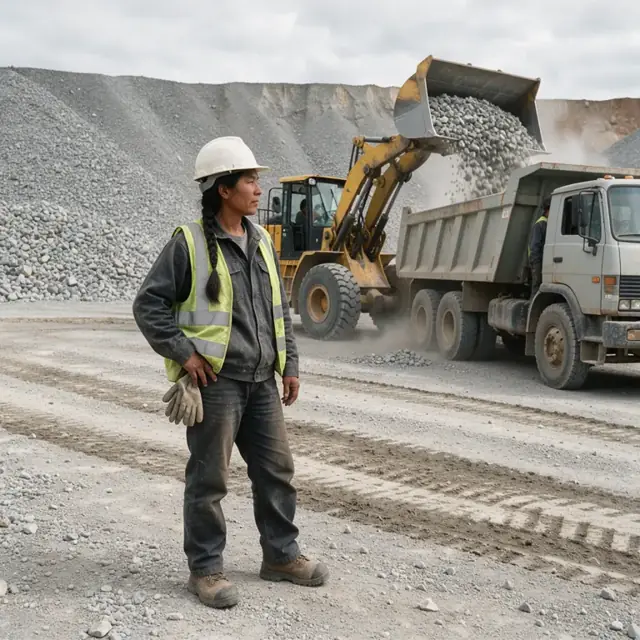
Loadout and Dispatch Coordinator
Manage truck scale ticketing, loader assignments and shipment documentation.
Works in: Ambitious Tasks, Ambitious Docs, Ambitious Sheets · Workflows: Loadout, ticketing and dispatch
Automates
- Verifies order before issuing weight tickets
- Sequences loader assignments
- Groups shipments for efficient routing
- Updates inventory after each loadout
Stops for a person
- Scale operator prints and signs every weight ticket
- Loader operator confirms correct material is loaded
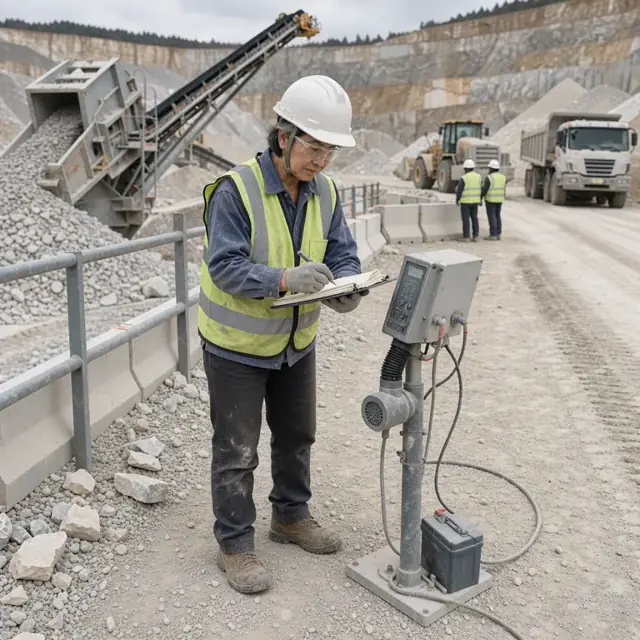
Compliance and Reporting Clerk
Compile daily safety logs, record environmental data and prepare required regulatory reports.
Works in: Ambitious Docs, Ambitious Sheets, Ambitious Tasks · Workflows: Regulatory compliance and safety documentation
Automates
- Assembles daily inspection and training records
- Logs dust, water usage and blast data
- Tracks permit and license renewal dates
- Drafts monthly production reports
Stops for a person
- Quarry manager reviews and signs all reports before submission
- Safety director confirms accuracy of MSHA-related logs
- People confirm all regulatory requirements are met
Workflows
Customer order intake and production target setting
Starts when: A customer requests material by phone, email or portal
- Capture required size, quality spec, quantity and delivery date
- Check current stockpiles and projected crusher output against the request
- Draft production target for the week and flag any special washing or testing needs
- Create a sales order task with delivery window
- Send confirmation draft to customer
Watch for: Material specs are strict and cannot be substituted without lab confirmation; Large orders may require dedicated production runs or screen changes
Drill and blast planning
Starts when: Weekly or when bench inventory drops below threshold
- Review face survey and determine drill pattern, burden and spacing
- Calculate explosive loads and draft blast design
- Check vibration limits against permit and neighbor notification list
- Schedule drill rig and loading crew
- Create pre-blast checklist and post-blast inspection task
Watch for: Blast windows are restricted by time of day and weather; Seismograph data must be recorded and filed
Daily crushing and screening schedule
Starts when: Start of each production shift
- Review overnight orders and current stockpile levels
- Set crusher closed-side settings and screen deck configurations
- Sequence feed from different benches or stockpiles
- Monitor throughput and adjust for moisture or wear
- Flag any quality deviations for sampling
Watch for: Moisture content changes crusher performance and screen blinding; Equipment must be shut down for screen changes and liner swaps
Stockpile inventory and quality tracking
Starts when: Daily at shift end and after each major run
- Record tons crushed and screened by size fraction
- Update stockpile volumes from scale tickets or drone survey
- Log gradation samples and quality test results
- Calculate remaining inventory versus committed orders
- Draft reorder or production adjustment
Watch for: Stockpiles must be kept separated by size and source to avoid cross-contamination; Moisture and frost content affect usable tonnage
Preventive maintenance and equipment scheduling
Starts when: Weekly and after every 250 operating hours
- Pull hours from each crusher, screen, conveyor and loader
- Generate lubrication, wear-part and inspection tasks
- Schedule downtime windows that minimize production impact
- Track parts inventory and draft purchase orders
- Log completed work and update equipment history
Watch for: Crusher liner changes require full shutdown and rigging; Conveyor belt splices and screen media changes are weather-dependent
Loadout, ticketing and dispatch
Starts when: When a truck arrives at the scale or customer requests pickup
- Verify customer order and available product
- Issue weight ticket with material size, source and weight
- Draft loadout sequence for loaders
- Group shipments by destination for efficient truck routing
- Record delivery confirmation and update inventory
Watch for: Overweight loads must be adjusted before leaving the quarry; Rail or barge loadout requires different documentation and staging
Regulatory compliance and safety documentation
Starts when: Daily, monthly and on permit renewal dates
- Compile daily safety inspection sheets and MSHA training logs
- Record water usage, dust readings and blast vibration data
- Track permit expiration dates for air, water and reclamation
- Prepare monthly production reports for state and federal agencies
- Maintain current blasting logs and neighbor notification records
Watch for: Different agencies require reports on different schedules; Any deviation from blast plan must be documented immediately
Bot templates for this industry
Source: U.S. Small Business Administration, Office of Size Standards, Table of Small Business Size Standards Matched to North American Industry Classification System Codes, version March 2023 (effective 2023-03-17, NAICS 2022). Size standards are shown for reference only.