

Industrial Sand Mining
Industrial sand mines extract, process and ship high-purity silica sand for fracking, glass, foundry and filtration markets. Operations run on blast schedules, pit progression, wet and dry plant throughput, rail or truck load-out windows, stockpile management and reclamation plans. Specialists turn permit and customer specs into daily blast and excavation plans, convert production data into quality and inventory reports, schedule maintenance around rail cars, and keep reclamation, dust control and safety logs current. The site manager and blaster retain all decisions on explosives, pit sequencing and regulatory sign-off.
What makes this business different
- Drill-and-blast plans that must follow exact shot patterns, powder factors and vibration limits set by the licensed blaster
- Wet and dry plant circuits with tight particle-size and purity specs that change by customer and season
- Rail-car and truck load-out windows coordinated with rail schedules and customer just-in-time needs
- Stockpile tracking by grade, moisture and sieve analysis across multiple pads
- Continuous dust, noise, water-quality and reclamation monitoring required by state and federal permits
- Weekly or monthly production and safety reports that feed both internal records and MSHA paperwork
- Seasonal demand swings from oil-and-gas fracking that require rapid changes in mine plan and inventory build
- Equipment maintenance tracking by operating hours and tonnage moved with critical spares kept on site
Specialist bots

Blast Planner
Convert pit survey data and customer grade requirements into approved drill-and-blast patterns.
Works in: Ambitious Docs, Ambitious Sheets, Process Optimizer · Workflows: Drill and blast planning
Automates
- Pulls latest face survey and calculates bench volume
- Applies standard blast templates to generate hole layout and powder factor
- Estimates vibration and fly-rock risk zones
- Creates the daily blast task list and checklist
Stops for a person
- The licensed blaster reviews and signs every blast plan before drilling
- The site manager approves any deviation from standard patterns
- Explosive quantities and sequences are never finalized without the blaster's signature

Mine Operations Dispatcher
Assign loaders, trucks and dozers to faces and route material to the correct plant or stockpile each shift.
Works in: Ambitious Tasks, Ambitious Sheets · Workflows: Daily excavation and haul dispatch
Automates
- Builds the shift equipment assignment list from current pit map
- Calculates tons needed by plant to meet daily targets
- Logs equipment hours and material movement
- Updates the live pit-progress map
Stops for a person
- The shift foreman confirms assignments and safety checks before crews start
- Any rerouting that changes product grade requires manager approval
- Highwall and pit-floor stability checks are performed by people each shift
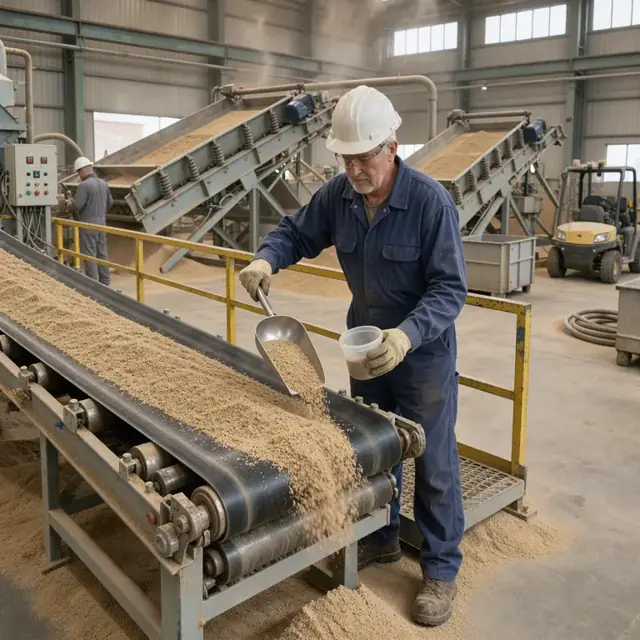
Plant Process Controller
Adjust wet and dry plant settings to hit customer particle-size and purity specifications and log hourly quality data.
Works in: Ambitious Sheets, Process Optimizer, Ambitious Docs · Workflows: Wet and dry plant production control
Automates
- Loads current sieve targets and suggests initial set points
- Records hourly samples and trends key parameters
- Flags out-of-spec material and suggests corrective adjustments
- Generates the shift quality and production report
Stops for a person
- The plant operator makes all final equipment adjustments
- The quality technician reviews and signs every certificate of analysis
- Any circuit cleaning between product types is verified by the operator
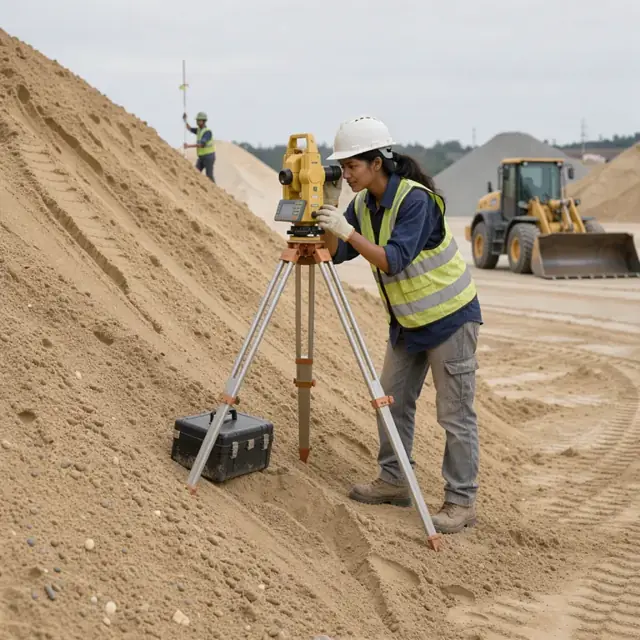
Stockpile and Inventory Coordinator
Reconcile production, shipments and survey data to maintain accurate inventory by grade and location.
Works in: Ambitious Sheets, Ambitious Tasks · Workflows: Stockpile and inventory reconciliation
Automates
- Imports drone or GPS survey volumes
- Subtracts daily production and load-out weights
- Applies moisture corrections and flags low-stock grades
- Prepares weekly inventory report
Stops for a person
- The site manager reviews and approves the reconciled inventory numbers each week
- Any reclassification of material between grades requires lab confirmation
- Final stock targets are set by the site manager

Load-out and Logistics Coordinator
Match customer orders to available inventory and schedule rail-car or truck loading within permitted windows.
Works in: Ambitious Tasks, Ambitious Docs, Ambitious Sheets · Workflows: Rail and truck load-out scheduling
Automates
- Reserves rail cars or truck slots against current inventory
- Generates bill-of-lading and quality certificate drafts
- Calculates loading times based on silo rates
- Records loaded weights and shipment details
Stops for a person
- The scale operator and loader driver confirm final weights and seals
- All shipping documents are reviewed and signed by the site manager before release
- Dust suppression during load-out is verified by the loader operator
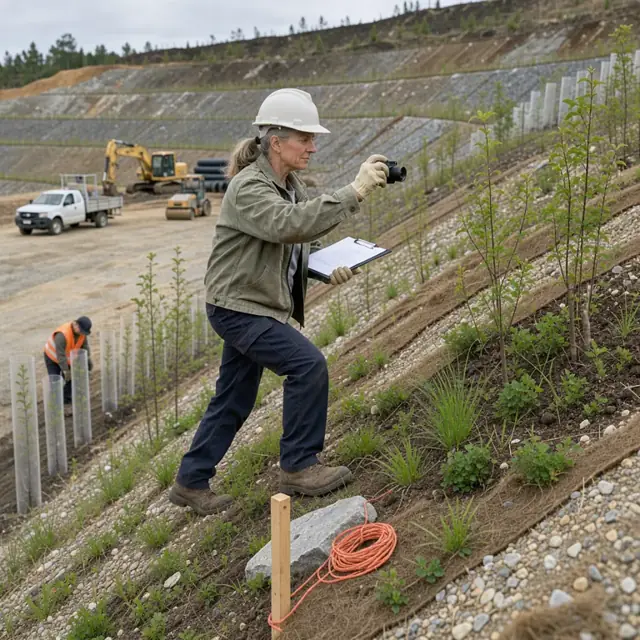
Compliance and Reclamation Clerk
Compile environmental, safety and reclamation data and track all permit and reporting deadlines.
Works in: Ambitious Docs, Ambitious Sheets, Ambitious Tasks · Workflows: Regulatory compliance and reclamation tracking
Automates
- Aggregates sensor logs for dust, noise and water quality
- Updates reclamation maps and disturbed-acreage totals
- Generates draft monthly production and MSHA reports
- Flags upcoming permit and inspection dates
Stops for a person
- The site manager reviews every report before submission
- People confirm and sign all regulatory filings and never rely on the bot for certification
- Reclamation progress photos and field observations are verified by the site manager

Maintenance Scheduler
Track equipment runtime and schedule preventive maintenance without conflicting with production or rail commitments.
Works in: Ambitious Sheets, Ambitious Tasks, Process Optimizer · Workflows: Preventive maintenance and shutdown scheduling
Automates
- Pulls operating hours and tonnage from logs
- Matches against maintenance intervals and suggests tasks
- Reserves plant and load-out time for outages
- Orders parts and updates equipment history
Stops for a person
- The maintenance foreman approves all work orders and schedules
- The site manager signs off on any production downtime
- Critical spare parts orders are placed only after manager review
Workflows
Drill and blast planning
Starts when: Weekly pit schedule or new customer order requiring specific sand grade
- Review current pit face survey and next bench elevation
- Draft blast pattern, hole spacing, burden and powder factor from the approved blast design template
- Calculate explosive quantities and initiation sequence
- Flag any nearby structures or wells for vibration monitoring
- Create blast permit task and safety checklist for the blaster
Watch for: All explosive quantities and patterns must be approved by the licensed blaster before any drilling begins; Seismic and weather conditions can cancel or delay the shot; Blast plans must match current permit limits on vibration and fly-rock
Daily excavation and haul dispatch
Starts when: Start of each production shift
- Assign loaders, haul trucks and dozers to active faces and stockpile pads
- Route trucks between pit, crusher, wash plant or dry plant based on current grade needs
- Track tons moved and hours per piece of equipment
- Update pit-progress map after each shift
- Log any equipment downtime or material-quality deviations
Watch for: Pit floor stability and highwall safety must be visually checked each shift; Haul roads change daily as the pit advances; Equipment assignments must stay within permitted daily production limits
Wet and dry plant production control
Starts when: Start of each operating shift and when product specs change
- Load current customer sieve and purity targets into the control system
- Adjust screen sizes, wash rates, dryer temperatures and spiral settings
- Sample and record hourly gradation and turbidity
- Route finished product to the correct stockpile or load-out silo
- Generate shift production and quality report
Watch for: Moisture content of finished sand must stay within tight customer limits; Plant circuit must be cleaned when switching between frac sand and glass sand; Any out-of-spec material must be diverted before reaching finished stockpiles
Stockpile and inventory reconciliation
Starts when: End of each week and after each major load-out
- Survey all active stockpiles with drone or ground GPS
- Subtract daily production and shipments from running inventory by grade
- Adjust for measured moisture and compaction factors
- Flag any grade that falls below minimum stock target
- Draft reorder or mine-plan adjustment if supply gaps appear
Watch for: Stockpile volumes are estimates until surveyed; moisture changes weight; Separate pads required for different API grades and glass sand; Reconciliation must match scale tickets from load-out
Rail and truck load-out scheduling
Starts when: Customer order or rail-car arrival notice
- Match order to available stockpile grade and location
- Reserve rail cars or truck slots within the permitted load-out window
- Generate bill-of-lading and quality certificate drafts
- Notify carrier of loading time and required scale tickets
- Record loaded weights and seal numbers
Watch for: Rail siding has limited spots and must clear before next train; Load-out dust suppression must run during every transfer; Quality certificates must match the exact stockpile tested
Regulatory compliance and reclamation tracking
Starts when: Daily, monthly and on permit renewal dates
- Compile dust, noise and water-quality logs from field sensors
- Update reclamation acreage disturbed and reclaimed in the permit map
- Track MSHA training, equipment inspections and incident logs
- Draft monthly production report for state mining agency
- Alert on upcoming blast, air, water or reclamation permit deadlines
Watch for: Different states require different frequencies and formats for the same data; All final reports and permit applications are reviewed and signed by the site manager; Reclamation plans must show progressive restoration as mining advances
Preventive maintenance and shutdown scheduling
Starts when: Weekly and before planned outages
- Pull hours and tonnage from each crusher, screen, pump and conveyor
- Cross-reference against manufacturer and site maintenance intervals
- Draft next-week maintenance tasks and parts orders
- Reserve load-out and plant time for scheduled downtime
- Track completion and update equipment history files
Watch for: Maintenance windows must not overlap rail load-out commitments; Critical spares for the wet plant must be kept on site due to remote location; Any maintenance that affects production must be cleared with the site manager
Bot templates for this industry
- Industrial Sand Mining (7 bots)
Source: U.S. Small Business Administration, Office of Size Standards, Table of Small Business Size Standards Matched to North American Industry Classification System Codes, version March 2023 (effective 2023-03-17, NAICS 2022). Size standards are shown for reference only.