

Drilling Oil and Gas Wells
Drilling contractors mobilize rigs to well sites, prepare locations, drill and case boreholes according to operator programs, and manage daily drilling reports, bit records, mud programs and safety logs. Specialists turn drilling programs into rig schedules and move plans, daily reports into cost and inventory trackers, and regulatory notices into permit and inspection checklists. The drilling superintendent and toolpushers retain final say on operations, safety calls and any deviation from the program.
What makes this business different
- Multi-week rig schedules that must coordinate with operator drilling programs, lease timelines and regulatory windows
- Heavy equipment mobilization: rig moves, location preparation, water and fuel hauling, and pad construction before spud
- Daily drilling reports capturing depth, bit hours, mud properties, casing points, cement volumes, incidents and costs
- Real-time inventory of pipe, bits, mud chemicals, cement and fuel with daily consumption tracking and just-in-time reorders
- Strict regulatory permits, drilling notifications, blowout preventer inspections, cement bond logs and daily safety meetings
- Remote well sites with satellite or radio communications, limited cell coverage and requirements for H2S monitoring and emergency evac plans
- Operator approvals required for any deviation from the approved drilling program, mud weight changes or casing depths
Specialist bots
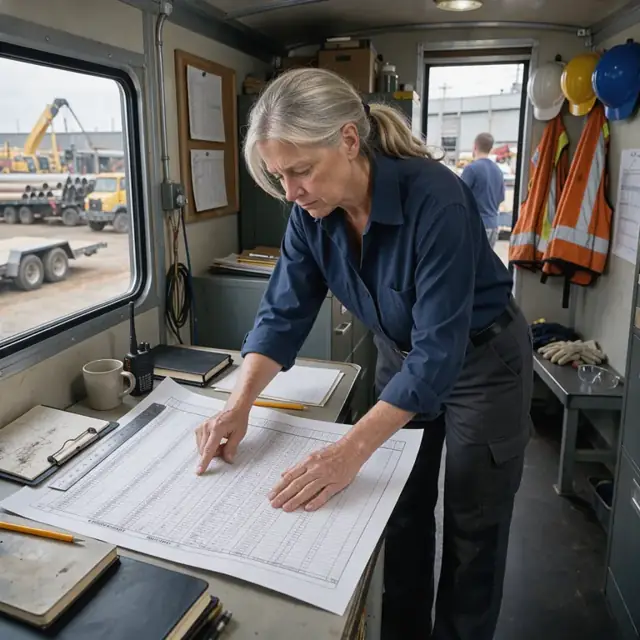
Drilling Program Coordinator
Convert operator drilling programs into rig schedules, move plans and spud notifications.
Works in: Ambitious Tasks, Ambitious Sheets · Workflows: Rig scheduling and move coordination
Automates
- Parses drilling program dates and requirements
- Checks rig availability and maintenance windows
- Builds the rig move and location prep timeline
- Drafts pre-spud notifications and schedules
Stops for a person
- The drilling superintendent approves every move date and program deviation
- Operator must confirm final spud schedule

Morning Report Clerk
Extract daily drilling data from morning reports, calculate costs and distribute approved reports.
Works in: Ambitious Docs, Ambitious Sheets, Ambitious Tasks · Workflows: Daily drilling report and cost tracking
Automates
- Pulls depth, mud, bit and activity data from reports
- Calculates daily and cumulative costs
- Flags deviations and safety events
- Formats and distributes the final morning report
Stops for a person
- The toolpusher verifies all numbers before submission
- Superintendent approves any cost variance explanations
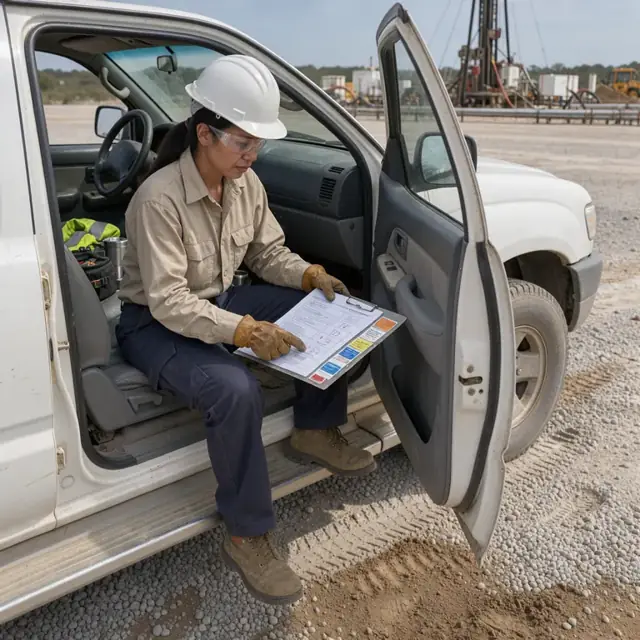
Permit and Inspection Tracker
Track drilling permits, regulatory notifications and schedule required inspections and tests.
Works in: Ambitious Tasks, Ambitious Docs, Ambitious Sheets · Workflows: Permit, notification and inspection management
Automates
- Organizes permit applications and renewal dates
- Generates pre-spud and BOP checklists
- Schedules regulatory inspections and cement bond logs
- Maintains the central filing system for approvals
Stops for a person
- The company man or superintendent confirms which permits apply in each jurisdiction
- People witness and sign all regulatory inspections and tests
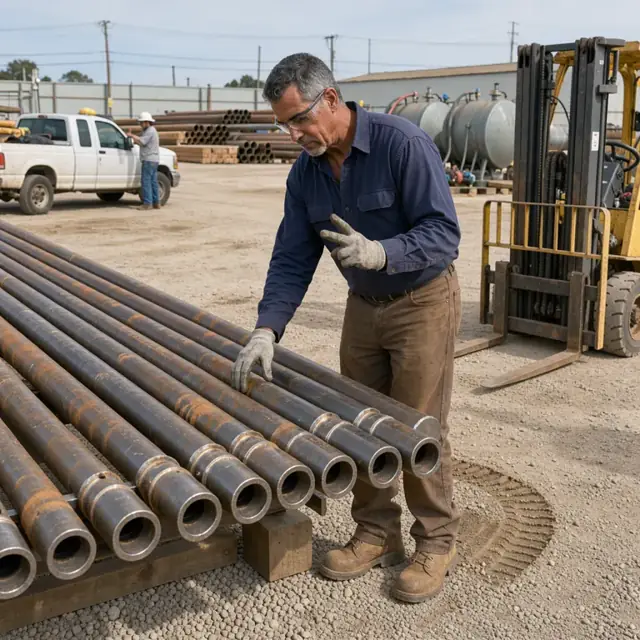
Drilling Inventory Manager
Track pipe, bits, mud products and fuel inventories and generate timely replenishment orders.
Works in: Ambitious Sheets, Ambitious Tasks, Ambitious Docs · Workflows: Drilling inventory and consumables replenishment
Automates
- Updates daily consumption from morning reports
- Projects needs to next casing point or total depth
- Drafts purchase orders for pipe, chemicals and diesel
- Reconciles deliveries against invoices
Stops for a person
- The toolpusher or superintendent approves all purchase orders before they are sent
- Any substitution of critical materials requires operator approval

Rig Move Coordinator
Build and track detailed rig move checklists, permits and daily rig-up progress.
Works in: Ambitious Tasks, Ambitious Docs · Workflows: Rig move execution and location prep
Automates
- Creates sequenced move and rig-up checklists
- Verifies road permits and escort requirements
- Tracks truck loads and arrival times
- Generates daily progress and safety reports
Stops for a person
- The rig manager approves the final move plan and any changes due to weather
- Location builder and operator must sign off on pad readiness

Safety and Compliance Logger
Generate daily safety meeting topics, record attendance and track required inspections and certifications.
Works in: Ambitious Tasks, Ambitious Docs, Ambitious Sheets · Workflows: Safety meeting and compliance logging
Automates
- Builds daily JSA and safety meeting agendas from current operations
- Logs attendance and stop-work cards
- Tracks crew training and equipment inspection due dates
- Prepares weekly safety summary reports
Stops for a person
- Toolpushers and superintendents lead all safety meetings and confirm topics
- People investigate and document every incident or near-miss

Casing and Cement Coordinator
Prepare casing tallies, coordinate cementing services and record final job details for regulatory files.
Works in: Ambitious Docs, Ambitious Sheets, Ambitious Tasks · Workflows: Casing and cementing coordination
Automates
- Verifies casing inventory and thread inspection status
- Calculates required cement volumes and displacement
- Schedules cementing crew and lab testing
- Compiles final cement job report for filing
Stops for a person
- Drilling superintendent approves all cement programs and any changes
- Operator company man must witness pressure tests and sign final reports
Workflows
Rig scheduling and move coordination
Starts when: New drilling program received from operator or rig release from previous well
- Parse the drilling program for spud date, target depth, casing points and special requirements
- Check rig availability, crew rotation and maintenance schedule against the proposed spud window
- Draft the rig move plan including road permits, location builder, water source and fuel supplier
- Coordinate with operator on exact move date and any regulatory pre-spud notifications
- Create the master rig schedule task and notify all service companies
Watch for: Rig moves require permits for oversized loads and may be restricted by weather or road conditions; Spud dates are often locked by lease expiration or regulatory windows
Daily drilling report and cost tracking
Starts when: Each morning after tour change or when the morning report is filed by the toolpusher
- Extract morning report data: depth, footage drilled, mud properties, bit record, casing and cement activity
- Calculate daily costs for rig time, mud, bits, fuel and third-party services
- Update cumulative well cost and days versus authorization for expenditure
- Flag any deviations from the drilling program or safety incidents
- Distribute the approved morning report to operator and internal records
Watch for: Reports must be filed before regulatory deadlines and match IADC or operator-specific formats; Cost variances greater than a threshold require superintendent approval
Permit, notification and inspection management
Starts when: New well permit application, spud notification or upcoming regulatory inspection
- Draft and organize permit applications for drilling, water use, discharge and road use
- Track expiration dates for permits, blowout preventer certifications and rig inspections
- Generate pre-spud checklist including surface casing cement bond log and BOP test
- Schedule and record regulatory inspections and third-party BOP testing
- Maintain digital copies of all filed documents and approvals
Watch for: State and federal rules differ by basin; some require 24-48 hour spud notifications; BOP pressure tests and inspections must be witnessed and logged exactly per regulation
Drilling inventory and consumables replenishment
Starts when: Daily consumption update or when stock falls below par levels
- Update pipe tally, drill bits, mud chemicals, cement and fuel inventories from morning report
- Calculate projected usage to next casing point or total depth
- Draft replenishment orders for pipe, bits, mud products and diesel
- Coordinate delivery timing to rig site to avoid downtime
- Reconcile invoices against delivered quantities and update cost tracker
Watch for: Pipe and bits are high-value and must be tracked by serial number or heat number; Mud chemicals have shelf-life and temperature storage requirements
Rig move execution and location prep
Starts when: Rig release from previous location or confirmed move date
- Build the move checklist: dismantle, load, transport, unload and rig-up sequence
- Confirm road and bridge permits, escort requirements and location builder readiness
- Track each truck load and arrival at new pad
- Generate daily rig-up progress report and safety checklist
- Notify operator when rig is ready to spud
Watch for: Location must be built with proper drainage, cellars and rig foundation before move-in; Environmental and safety inspections are required before spud can occur
Safety meeting and compliance logging
Starts when: Daily tour change, new crew arrival or regulatory requirement
- Generate daily safety meeting agenda based on current operations and hazards
- Record attendance, topics covered and any stop-work observations
- Track required training certifications for crew members and subcontractors
- Log equipment inspections including derrick, BOP, fire extinguishers and H2S monitors
- Draft weekly or monthly safety reports for operator and internal review
Watch for: Stop-work authority must be reinforced daily; any unsafe condition halts operations until corrected; H2S and hazardous gas monitoring logs must be continuous at certain sites
Casing and cementing coordination
Starts when: When the drilling report indicates an upcoming casing point
- Confirm casing tally, thread inspection and float equipment readiness
- Draft cement program requirements based on depth and hole conditions
- Coordinate cementing service company arrival and lab testing schedule
- Track cement volumes, displacement and pressure tests in real time
- Record final cement job details for regulatory filing and bond log scheduling
Watch for: Cementing must occur immediately after reaching casing depth to avoid hole problems; All casing and cement records become part of permanent well files
Bot templates for this industry
- Drilling Oil and Gas Wells (7 bots)
Source: U.S. Small Business Administration, Office of Size Standards, Table of Small Business Size Standards Matched to North American Industry Classification System Codes, version March 2023 (effective 2023-03-17, NAICS 2022). Size standards are shown for reference only.