

Support Activities for Coal Mining
Support contractors for coal mining provide site preparation, drilling, blasting, water management, reclamation and equipment maintenance to active and idle mine sites. The specialists turn permit and drill plans into daily work orders, track blast patterns and inventory of explosives, schedule heavy equipment dispatch and maintenance, manage water treatment and sediment control, and keep reclamation bonds and safety logs current. All regulatory filings, blast notifications and environmental sampling stay with the licensed operator and blaster.
What makes this business different
- Daily, weekly and seasonal coordination with the mine operator on active faces, bench heights and extraction sequences
- Explosives storage, transport, use and inventory that must follow strict ATF, MSHA and state rules with signed manifests
- Highwall, bench and spoil-pile stability monitoring with geotechnical data and daily inspection logs
- Water management including sumps, pumps, settling ponds, treatment chemicals and discharge sampling points
- Reclamation grading, seeding, topsoil replacement and bond release inspections on a multi-year schedule
- Heavy equipment dispatch, preventive maintenance, fuel logs and downtime tracking across scattered sites
- Blast notifications to nearby residents, railroads, utilities and emergency services before every shot
- MSHA Part 46 training records, dust sampling, noise monitoring and incident reporting that the operator must review
Specialist bots

Permit Coordinator
Assemble and track permit packages, bond calculations and environmental baseline documents for operator approval.
Works in: Ambitious Docs, Ambitious Sheets, Ambitious Tasks · Workflows: Permit and plan preparation
Automates
- Pulls maps and data into standardized templates
- Builds application checklists by agency
- Tracks submission dates and agency comments
- Maintains version history of plans
Stops for a person
- The licensed mine operator reviews and signs every submission
- Changes to permit limits are confirmed by the operator before refiling

Blast Pattern Planner
Convert mine face advance needs into drill patterns, powder factors and blast notification lists.
Works in: Ambitious Sheets, Process Optimizer, Ambitious Tasks · Workflows: Drill and blast scheduling
Automates
- Calculates burden, spacing and hole depths from seam data
- Builds daily rig and crew schedules
- Prepares resident and utility notification lists
- Generates shot report templates
Stops for a person
- The certified blaster-in-charge approves every pattern and loading plan
- The mine operator confirms shot timing with production goals

Explosives Inventory Clerk
Maintain real-time magazine and usage logs, reconcile physical counts and prepare regulatory manifests.
Works in: Ambitious Sheets, Ambitious Tasks, Ambitious Docs · Workflows: Explosives inventory and manifest
Automates
- Records deliveries, transfers and per-hole consumption
- Reconciles magazine physical inventory
- Drafts daily and weekly manifests
- Flags low stock and expiration dates
Stops for a person
- The licensed blaster verifies every magazine count and signs manifests
- Any discrepancy is reported immediately by the operator

Equipment Dispatcher
Assign heavy machines to faces and reclamation areas while tracking maintenance, fuel and inspection status.
Works in: Ambitious Tasks, Ambitious Sheets · Workflows: Heavy equipment dispatch and maintenance
Automates
- Matches equipment to daily work zones
- Pulls maintenance due items by hour meter
- Generates pre-shift inspection forms
- Logs fuel and repair needs
Stops for a person
- The operator and site foreman approve daily assignments
- Mechanics and operators complete and sign all inspection sheets
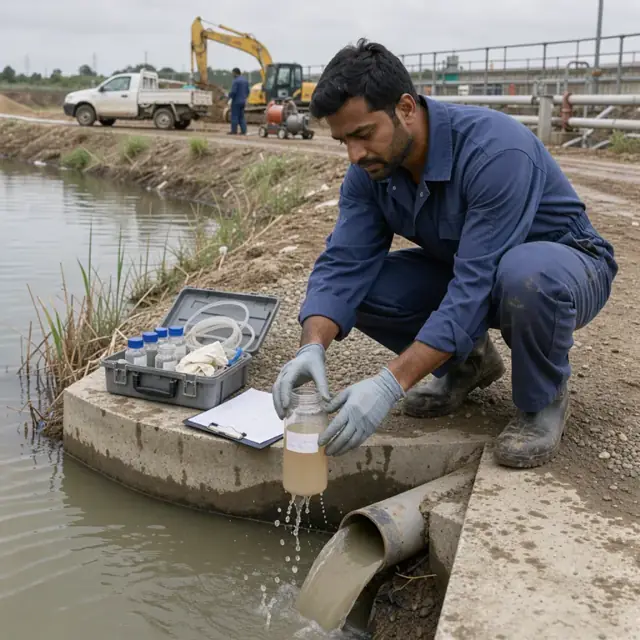
Water Treatment Technician
Monitor sumps, ponds and treatment systems and prepare sampling schedules and discharge reports.
Works in: Ambitious Sheets, Ambitious Tasks, Ambitious Docs · Workflows: Water management and treatment
Automates
- Tracks pump run times and pond levels
- Calculates daily chemical dosing
- Schedules sampling and chain-of-custody
- Drafts discharge monitoring reports
Stops for a person
- The operator reviews all lab results and signs regulatory reports
- Corrective actions for exceedances are directed by the operator
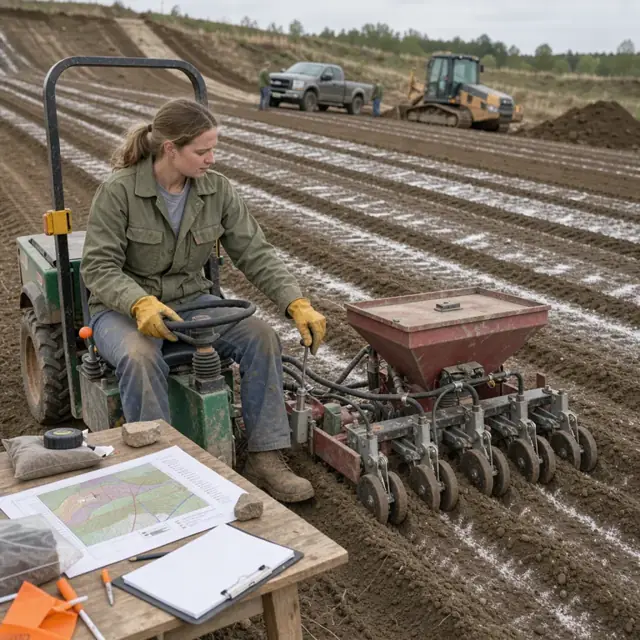
Reclamation Coordinator
Track completed grading, seeding and monitoring plots against approved reclamation plans and bond schedules.
Works in: Ambitious Sheets, Ambitious Tasks, Ambitious Docs · Workflows: Reclamation and bond release tracking
Automates
- Compares as-built contours to permit drawings
- Schedules seeding by optimal seasonal windows
- Maintains photo point logs
- Compiles bond release data packages
Stops for a person
- The operator and regulatory inspector approve all bond release packages
- Landowner sign-off on final reclamation is obtained by the operator
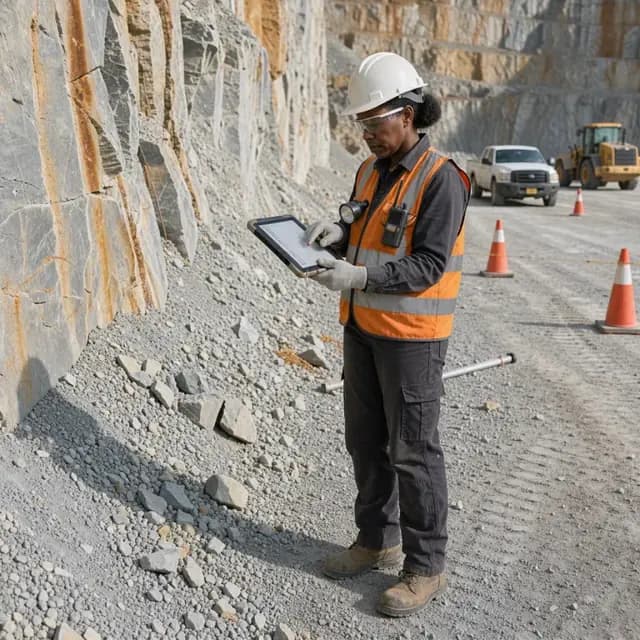
Safety and Training Logger
Maintain daily inspection, training and sampling logs and prepare summary reports for operator review.
Works in: Ambitious Tasks, Ambitious Sheets, Ambitious Docs · Workflows: Safety, training and inspection logging
Automates
- Generates daily training attendance sheets
- Compiles dust, noise and inspection findings
- Tracks training due dates by task
- Drafts incident report templates
Stops for a person
- The mine operator reviews and signs every formal submission
- All training and corrective actions are delivered by qualified people
Workflows
Permit and plan preparation
Starts when: New mine area, modification request or seasonal renewal
- Pull latest mine maps, geologic data and operator requirements
- Draft permit application packages with drill patterns, blast designs and reclamation plans
- Compile supporting documents including bond calculations and environmental baseline data
- Route the full package for operator and regulatory review
- Track approval timelines and resubmission needs
Watch for: Each state and federal agency has different forms and lead times; Changes to blast vibration limits or water discharge points require full resubmission
Drill and blast scheduling
Starts when: Weekly operator production call or face advance milestone
- Align drill pattern with current highwall and coal seam elevation
- Calculate hole depths, burdens, spacings and powder factors
- Build daily drill rig and blast crew assignments
- Prepare blast notification list and pre-blast survey requirements
- Create shot report template for post-blast data
Watch for: Weather, wind direction and nearby structures affect shot timing; Blaster-in-charge must personally approve every pattern before loading
Explosives inventory and manifest
Starts when: After every blast and on delivery
- Record quantities received, moved to magazine and used per hole
- Reconcile physical magazine count against digital log
- Generate daily and weekly ATF and state manifest reports
- Flag low stock and draft reorder quantities
- Track expiration dates on emulsions and detonators
Watch for: Explosives must be stored in approved Type 1, 2, 3 or 4 magazines with dual locks; Any discrepancy over a few pounds requires immediate operator and regulatory notification
Heavy equipment dispatch and maintenance
Starts when: Start of each shift and weekly
- Match excavators, dozers, drills and haul trucks to the day’s face and reclamation zones
- Pull preventive maintenance due dates and hour-meter readings
- Draft daily pre-shift inspection checklists
- Log fuel, grease and filter usage
- Schedule shop or field repairs around production windows
Watch for: MSHA requires documented pre-shift and on-shift inspections for each piece of equipment; Equipment crossing public roads needs escort and signage
Water management and treatment
Starts when: Daily at active sites and after rain events
- Check sump levels, pump status and pond freeboard
- Draft chemical dosing schedule for flocculants or pH adjustment
- Schedule sampling at discharge points and compile chain-of-custody forms
- Generate discharge monitoring reports for NPDES or state permits
- Track sediment removal and pond cleanout needs
Watch for: pH, total suspended solids and iron limits are site-specific and change seasonally; Any exceedance triggers immediate operator notification and corrective action log
Reclamation and bond release tracking
Starts when: End of each mining phase and annually
- Compare completed grading and topsoil placement against approved plans
- Schedule seeding, mulching and tree planting windows
- Maintain photo logs and vegetation success monitoring plots
- Compile data for interim and final bond release applications
- Track remaining reclamation liability and bond amounts
Watch for: Bond release requires multiple years of vegetation data and landowner concurrence; Spoil piles and highwalls must meet approved slope and stability criteria
Safety, training and inspection logging
Starts when: Daily, monthly and on training due dates
- Generate daily MSHA Part 46 training attendance forms
- Compile dust, noise and ventilation survey results
- Track highwall, ground control and electrical inspection findings
- Draft incident and near-miss reports for operator review
- Maintain current task training and certification matrices
Watch for: All training and inspection records must be available for immediate MSHA inspection; Only the operator can sign and submit formal reports to regulators
Bot templates for this industry
- Support Activities for Coal Mining (7 bots)
Source: U.S. Small Business Administration, Office of Size Standards, Table of Small Business Size Standards Matched to North American Industry Classification System Codes, version March 2023 (effective 2023-03-17, NAICS 2022). Size standards are shown for reference only.