

Support Activities for Metal Mining
Support contractors for metal mining provide drilling, blasting, sampling, core handling, equipment mobilization, site preparation and reclamation services under contract to operating mines. For a crew that drills blast holes, collects geological samples and moves heavy equipment between remote sites on weekly or weather-driven schedules, the specialists turn client work orders into permitted daily task lists, convert drill plans into blast-hole patterns and sample schedules, track bit inventory and explosive manifests, schedule equipment transport with road permits, and maintain reclamation logs. Safety, environmental and blasting certifications stay with the licensed blaster and site supervisor.
What makes this business different
- Client work orders that specify exact collar locations, depths, angles and sample intervals for each drill hole
- Daily and weekly mobilization between remote mine sites with changing weather and road conditions
- Explosive and detonator inventories that require secure storage, manifests and chain-of-custody logs
- Drill-bit, rod and hammer tracking with wear limits and reconditioning cycles
- Environmental permits, water-use approvals, reclamation bonds and daily dust and noise monitoring
- Core and chip sample labeling, chain-of-custody and delivery to assay labs on tight schedules
- Equipment transport permits, oversize load escorts and site-specific safety plans
- Blasting permits, pre-blast notifications and post-blast inspection reports filed with regulators
Specialist bots

Work Order Coordinator
Convert client drill and blast orders into validated, crew-ready task lists with all geospatial and permit data attached.
Works in: Ambitious Tasks, Ambitious Docs, Contract Analyzer · Workflows: Client work order intake and validation
Automates
- Reads incoming work orders and extracts collar coordinates, depths and sample intervals
- Checks permit status against order dates
- Drafts confirmation and creates master task list
- Attaches required safety and access documents
Stops for a person
- The site supervisor approves any deviation from permitted parameters
- A licensed person reviews and sends all client confirmations

Drill and Blast Pattern Planner
Turn approved work orders into sequenced drill patterns, sample schedules and daily consumable requirements.
Works in: Ambitious Tasks, Process Optimizer, Ambitious Sheets · Workflows: Daily drill and blast pattern scheduling
Automates
- Sequences holes to minimize rig moves
- Calculates powder factors and sample bag requirements
- Flags low consumable stock
- Generates pre-shift safety and blast notification lists
Stops for a person
- The licensed blaster approves final shot patterns and powder loads
- Crew lead confirms sequence on site before drilling begins

Consumables and Sample Inventory Tracker
Maintain real-time logs of explosives, drill bits, rods and geological samples with chain-of-custody records.
Works in: Ambitious Sheets, Ambitious Tasks, Ambitious Docs · Workflows: Explosive, bit and sample supply inventory
Automates
- Logs usage against manifests
- Calculates reorder quantities
- Creates sample ID tags and custody forms
- Alerts when magazines near minimum stock levels
Stops for a person
- A licensed magazine keeper physically verifies explosive counts
- The supervisor signs every chain-of-custody transfer

Equipment Mobilization Coordinator
Schedule heavy equipment moves between sites, secure transport permits and generate site setup checklists.
Works in: Ambitious Tasks, Ambitious Docs · Workflows: Heavy equipment transport and site setup
Automates
- Checks road permits for oversized loads
- Builds transport and pilot vehicle schedule
- Creates site preparation and inspection checklists
- Records arrival and setup times
Stops for a person
- The equipment operator performs and signs off on all pre-move inspections
- A person obtains and files all oversize load permits

Sampling and Assay Logistician
Assign sample IDs, prepare chain-of-custody documents and schedule secure delivery of core and chip samples to laboratories.
Works in: Ambitious Tasks, Ambitious Docs, Ambitious Sheets · Workflows: Core and chip sampling logistics
Automates
- Generates unique sample tags and custody forms
- Schedules lab pickup from remote sites
- Tracks status until lab confirmation
- Flags lost or contaminated intervals
Stops for a person
- The geologist verifies sample intervals and quality before sealing
- A person physically hands off samples to the courier
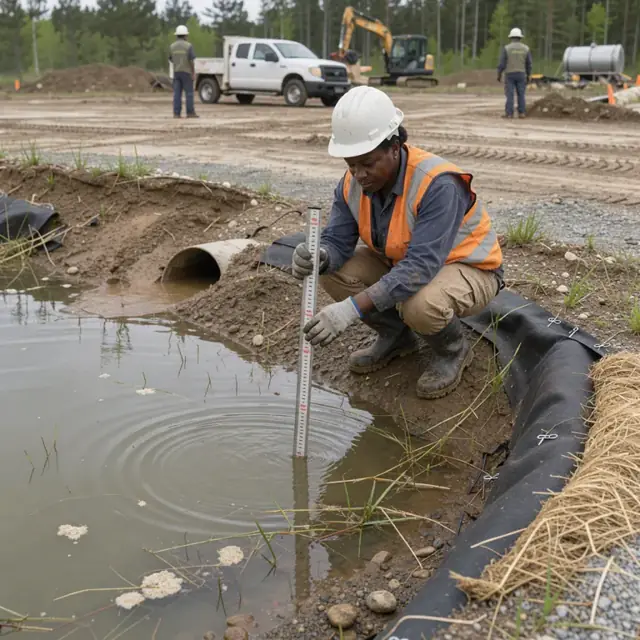
Reclamation and Environmental Clerk
Track daily environmental monitoring data, reclamation progress and prepare reports for bond release and regulatory review.
Works in: Ambitious Docs, Ambitious Sheets, Ambitious Tasks · Workflows: Site reclamation and environmental monitoring
Automates
- Generates daily dust, noise and runoff logs
- Compares reclamation status against bond schedule
- Prepares weekly cuttings and stabilization reports
- Maintains photo documentation log
Stops for a person
- The environmental manager reviews and signs all submitted reports
- People perform actual field measurements and take photographs

Permit and Blasting Compliance Officer
Monitor blasting and environmental permit status, prepare notifications and compile all required regulatory filings and logs.
Works in: Ambitious Tasks, Ambitious Docs, Ambitious Sheets · Workflows: Blasting and environmental permit compliance
Automates
- Checks permit and license expiration dates
- Drafts pre-blast notifications
- Compiles post-blast reports and vibration data
- Organizes manifests and safety logs
Stops for a person
- The licensed blaster approves every blast plan and report
- A person confirms which local, state or federal requirements apply and signs all filings
Workflows
Client work order intake and validation
Starts when: A mining client sends a new drill, blast or sampling order by email or portal
- Parse collar coordinates, hole depths, angles, sample intervals and any special instructions
- Cross-check order against current site permit status and equipment availability
- Confirm required blasting or environmental permits are active for the date range
- Draft a confirmation with scheduled start date and required PPE or site access details
- Create a master task list for the crew with all hole specifications attached
Watch for: Exact geospatial data must be captured without transcription error; Any deviation from permitted depths or locations requires client and regulator sign-off
Daily drill and blast pattern scheduling
Starts when: Approved work order and crew availability for the shift
- Load collar locations into a drill pattern map
- Sequence holes to minimize equipment moves and optimize powder factors
- Assign sample collection intervals and bag numbers per hole
- Calculate daily consumables (bits, rods, explosives) and flag low stock
- Generate pre-shift safety checklist and blast notification list
Watch for: Drill patterns must respect minimum separation from underground workings; Weather or wind conditions can halt blasting on short notice
Explosive, bit and sample supply inventory
Starts when: End of each shift and weekly stock check
- Log explosives and detonators used against the blast manifest
- Record drill bit wear, rod hours and regrind needs
- Draft reorder quantities for bulk explosives, bits and sample bags
- Maintain chain-of-custody log for all geological samples leaving site
- Alert when secure magazines approach regulatory minimums
Watch for: Explosives must be tracked by serial number and lot; Sample bags require tamper-evident seals and unique IDs
Heavy equipment transport and site setup
Starts when: Client requests move to new drill site or weekly rotation
- Check road and bridge permits for oversized loads
- Schedule lowboy transport and pilot vehicles for drill rig and compressor
- Generate site preparation checklist (leveling pads, sumps, berms)
- Draft daily equipment inspection reports and maintenance schedule
- Record arrival time and set-up completion for client billing
Watch for: Remote sites often have single-lane access limited by weather; All transport requires current oversize permits and escorts
Core and chip sampling logistics
Starts when: Completion of each drill hole or shift
- Assign unique sample IDs and print tamper-evident tags
- Create chain-of-custody forms with hole depth and interval data
- Schedule pickup or delivery to the assay laboratory
- Track sample status until lab receipt confirmation
- Flag any lost or contaminated intervals for client notification
Watch for: Samples must stay dry and secure during transport from remote sites; Certain metals require expedited delivery to prevent oxidation
Site reclamation and environmental monitoring
Starts when: End of each drill pad use and on regulatory deadlines
- Generate daily dust, noise and water-runoff monitoring logs
- Track reclamation progress against the approved bond release schedule
- Draft weekly reports on drill cuttings containment and site stabilization
- Alert on upcoming permit renewal or inspection dates
- Maintain photo log of before-and-after conditions
Watch for: Reclamation standards differ by federal, state and tribal land status; All monitoring data must be available for unannounced regulator audits
Blasting and environmental permit compliance
Starts when: Before every blast and on recurring permit cycles
- Check current blasting permit, magazine license and shot reports
- Draft pre-blast notifications to nearby operations and residents
- Compile post-blast inspection results and vibration data
- Track renewal dates for water, air and reclamation permits
- Organize all signed manifests and daily safety logs for filing
Watch for: Only licensed blasters can approve final shot plans; Regulators require specific formats and retention periods for all records
Bot templates for this industry
- Support Activities for Metal Mining (7 bots)
Source: U.S. Small Business Administration, Office of Size Standards, Table of Small Business Size Standards Matched to North American Industry Classification System Codes, version March 2023 (effective 2023-03-17, NAICS 2022). Size standards are shown for reference only.