

Support Activities for Nonmetallic Minerals (except Fuels) Mining
Support contractors for nonmetallic minerals mining (sand, gravel, crushed stone, clay, dimension stone) provide site preparation, drilling, blasting, hauling, crushing, screening, washing and reclamation. The specialists turn permit applications and drill plans into approved blast schedules, convert daily production targets into dispatch and load tickets, track equipment hours and consumables, manage stockpiles and reclamation bonds, and keep blast logs, dust-control records and safety paperwork current. All final approvals, sign-offs and regulatory filings stay with the licensed blaster and site supervisor.
What makes this business different
- Site-specific permits, blast plans, dust and noise mitigation plans, and reclamation bonds that must be filed with state and local agencies before work begins
- Daily coordination with the mine operator on production targets, pit locations, and restricted zones
- Controlled blasting with precise timing, powder factors, and vibration monitoring that requires a licensed blaster's approval
- Heavy equipment fleets (drills, excavators, loaders, haul trucks, crushers, screen plants) with daily pre-use inspections, fuel, and maintenance tracking
- Stockpile management, moisture testing, and gradation sampling for sand, gravel, crushed stone and washed aggregates
- Load tickets, scale weights, and delivery manifests for on-site or off-site customers
- Reclamation tracking including topsoil salvage, seeding, and bond release documentation
- Environmental monitoring for water quality, air quality, and noise with required logs and chain-of-custody forms
Specialist bots

Permit and Blast Plan Coordinator
Assemble and track permit applications, blast designs, and reclamation plans for regulatory submission.
Works in: Ambitious Docs, Ambitious Sheets, Ambitious Tasks · Workflows: Permit and blast plan preparation
Automates
- Compiles site data into standardized permit templates
- Calculates charge weights and scaled distances
- Tracks approval status and renewal dates
- Drafts notification letters and maps
Stops for a person
- The licensed blaster reviews and signs every blast plan
- The site supervisor approves all submissions before filing
- Regulatory changes are interpreted by people

Production Dispatch Coordinator
Convert daily production targets into equipment assignments, load tickets, and real-time progress updates.
Works in: Ambitious Tasks, Ambitious Sheets · Workflows: Daily production target and dispatch
Automates
- Assigns specific machines and operators to pits and crushers
- Generates load tickets with material specs and destinations
- Monitors haul counts against tonnage targets
- Flags delays for supervisor review
Stops for a person
- The mine operator approves daily targets and any major changes
- A person makes final decisions on reallocation during breakdowns

Blast Design Planner
Build blast designs from drill data, calculate parameters, and prepare shot reports for the licensed blaster.
Works in: Ambitious Sheets, Ambitious Docs, Process Optimizer · Workflows: Blast design and execution
Automates
- Imports drill-hole surveys and face profiles
- Calculates burden, spacing, and powder factors
- Predicts vibration levels and drafts delay sequences
- Prepares post-blast report templates
Stops for a person
- Only the licensed blaster may approve and sign the final blast plan
- The supervisor verifies evacuation and notification steps

Equipment Maintenance Clerk
Track daily inspections, fuel, consumables, and scheduled maintenance for the entire equipment fleet.
Works in: Ambitious Sheets, Ambitious Tasks, Ambitious Docs · Workflows: Equipment inspection and maintenance tracking
Automates
- Generates pre-shift inspection forms for each asset
- Logs operating hours and flags service intervals
- Tracks parts usage for bits, teeth, and filters
- Forecasts upcoming major repairs
Stops for a person
- Mechanics and operators complete and sign all inspection sheets
- The supervisor authorizes any repair spending
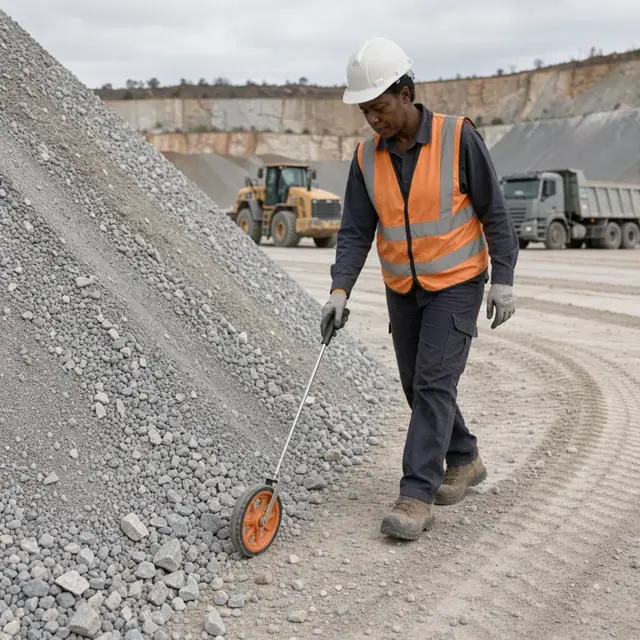
Stockpile and Inventory Manager
Maintain accurate volumes, test results, and availability for all material stockpiles and reclamation reserves.
Works in: Ambitious Sheets, Ambitious Tasks, Ambitious Docs · Workflows: Stockpile and inventory management
Automates
- Updates stockpile volumes from survey data
- Records moisture and gradation test results
- Calculates available product versus orders
- Separates reclamation materials in tracking
Stops for a person
- A certified technician performs and verifies all lab tests
- The site supervisor approves production adjustments based on inventory
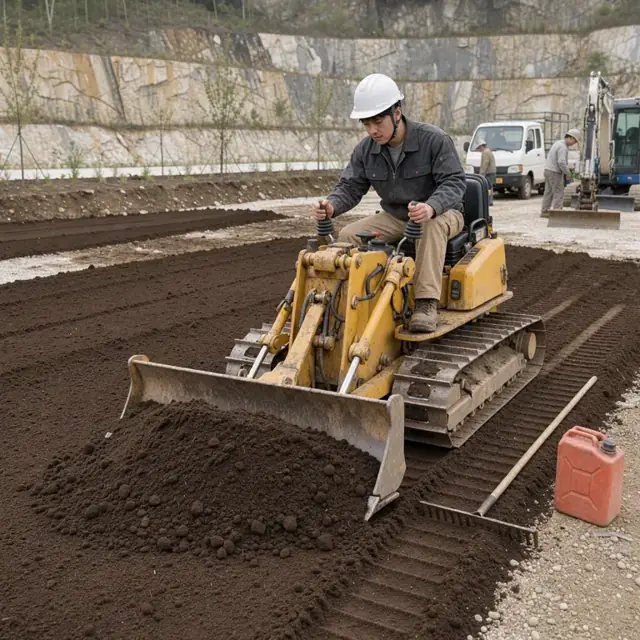
Reclamation and Bond Coordinator
Track completed reclamation work, compile bond-release packages, and monitor regulatory deadlines.
Works in: Ambitious Docs, Ambitious Sheets, Ambitious Tasks · Workflows: Reclamation and bond release tracking
Automates
- Logs reclaimed acres and seeding activities
- Tracks bond amounts and reduction requests
- Compiles as-built documentation and photos
- Drafts bond-release application packages
Stops for a person
- The operator confirms reclamation success before submission
- Regulatory agencies perform final inspections and approvals
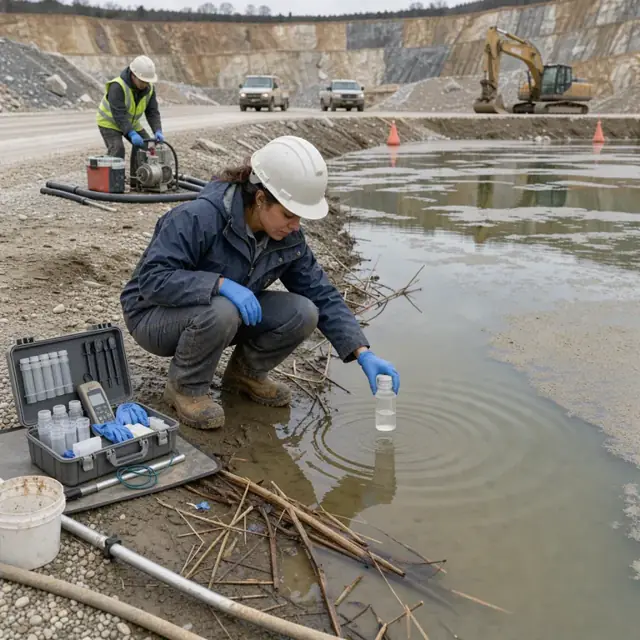
Environmental Compliance Clerk
Maintain daily environmental and safety logs, sampling records, and prepare reports for regulatory review.
Works in: Ambitious Docs, Ambitious Sheets, Ambitious Tasks · Workflows: Environmental and safety compliance logging
Automates
- Generates daily dust, noise, and water-sampling checklists
- Organizes chain-of-custody forms and lab results
- Maintains blast monitoring logs
- Prepares periodic report drafts
Stops for a person
- The competent person or supervisor signs every log
- People review and submit all reports to agencies
- The bot never certifies compliance
Workflows
Permit and blast plan preparation
Starts when: New site award or renewal date
- Gather site maps, geotechnical data, and proximity surveys
- Draft permit application packages including blast design, dust control, and reclamation plans
- Calculate scaled distances and maximum charge weights per delay
- Route completed draft packages for licensed blaster and operator review
- Track submission dates and agency approval status
Watch for: Exact compliance with state mining and explosives regulations; Seismic and structure inventories must be current before any blast
Daily production target and dispatch
Starts when: Start of each shift or when mine operator sends targets
- Receive daily tonnage and material-type targets from the operator
- Assign drill, blast, load, haul, and crush tasks to specific equipment and crews
- Generate digital load tickets and scale manifests
- Monitor real-time progress against targets
- Adjust assignments when weather, breakdowns, or pit conditions change
Watch for: Haul roads and pit floors must stay within safe grades and clearances; Different material specs (screenings, 57 stone, washed sand) cannot be cross-contaminated
Blast design and execution
Starts when: When drill pattern is complete and face is ready
- Import drill-hole data and face profile into the blast design
- Calculate burden, spacing, sub-drill, and powder factor
- Draft the blast notification and evacuation plan
- Produce the shot report template with delay sequence and vibration predictions
- Log pre-blast, during-blast, and post-blast observations
Watch for: Only the licensed blaster may finalize and sign the blast plan; Seismograph placement and air-blast monitoring are mandatory
Equipment inspection and maintenance tracking
Starts when: Daily before first use and on scheduled intervals
- Generate pre-shift inspection checklists for each drill, loader, haul truck, and crusher
- Track fuel, grease, and filter usage against hours
- Flag items needing repair or parts ordering
- Maintain service records for each asset
- Forecast upcoming major maintenance or replacement needs
Watch for: MSHA-required daily and weekly inspections must be documented; Ground-engaging tools and drill bits are high-cost consumables
Stockpile and inventory management
Starts when: End of each production day and weekly
- Update volumes by material type and stockpile using survey or drone data
- Record moisture samples and gradation test results
- Calculate available sellable product versus committed orders
- Draft reorder or production adjustment recommendations
- Track reclamation material (topsoil, overburden) separately
Watch for: Moisture content directly affects weight and customer acceptance; Stockpile segregation by spec is required for quality control
Reclamation and bond release tracking
Starts when: End of each mining phase and on regulatory deadlines
- Log completed reclamation acres, topsoil replacement, and seeding
- Track bond amounts and reduction requests
- Compile as-built surveys and photo documentation
- Draft bond-release application packages
- Monitor vegetation establishment periods
Watch for: Regulatory agencies require specific seed mixes and success criteria; Partial bond release is only granted after verified reclamation
Environmental and safety compliance logging
Starts when: Daily operations and on sampling events
- Generate daily dust-control and noise-monitoring checklists
- Record water-quality sample chain-of-custody and lab results
- Maintain blast-vibration and air-blast logs
- Track employee training and certification expirations
- Prepare periodic regulatory reports for review
Watch for: All logs must be signed by the competent person or operator; People confirm that submitted reports meet agency requirements
Bot templates for this industry
Source: U.S. Small Business Administration, Office of Size Standards, Table of Small Business Size Standards Matched to North American Industry Classification System Codes, version March 2023 (effective 2023-03-17, NAICS 2022). Size standards are shown for reference only.