

Fossil Fuel Electric Power Generation
Fossil fuel electric power generation facilities operate gas turbines, steam boilers and combined-cycle plants fueled by natural gas, coal or oil. The specialists convert market and reliability signals into dispatch decisions, schedule outages and maintenance, track fuel inventories and deliveries, manage emissions and regulatory reporting, and produce daily generation plans while the control-room operators retain authority over all actual starts, stops and load changes.
What makes this business different
- Continuous 24/7 monitoring of grid signals, market prices, fuel supply and weather that drive real-time dispatch decisions
- Strict NERC, FERC, EPA and state environmental compliance with continuous emissions monitoring, quarterly and annual reporting
- Fuel procurement contracts, pipeline nominations, coal pile management and just-in-time deliveries coordinated with generation schedules
- Planned and forced outage coordination with regional transmission organizations, including weekly, monthly and annual maintenance windows
- Safety tagging, lockout-tagout, confined-space and hot-work permitting for all maintenance on high-pressure steam, fuel and electrical systems
- Inventory tracking of fuel, lubricants, water treatment chemicals, spare parts and emissions reagents with strict reorder points
- Shift handover logs, alarm management and incident reporting that must be preserved for regulatory audits
Specialist bots
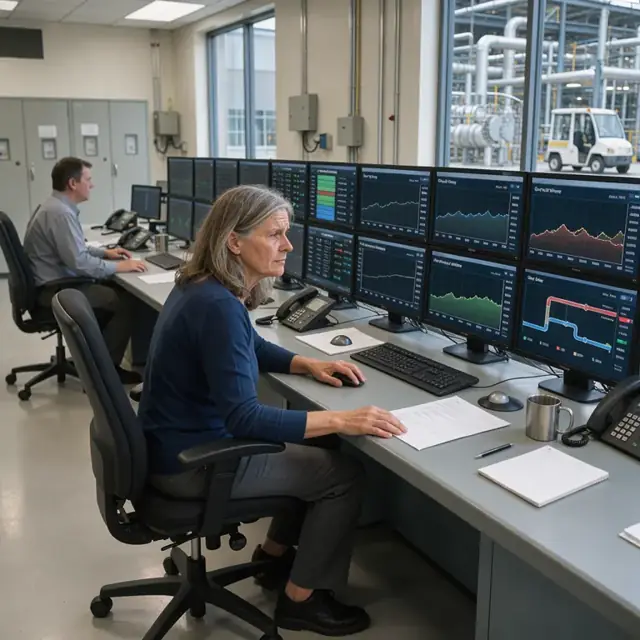
Dispatch Planner
Convert day-ahead market prices, forecasts and unit availability into optimal hourly generation schedules.
Works in: Process Optimizer, Ambitious Sheets, Ambitious Tasks · Workflows: Daily generation dispatch planning
Automates
- Pulls latest price and load forecast data
- Runs unit commitment logic against heat rates and costs
- Builds hourly schedules and reserve requirements
- Drafts offer curves for submission
Stops for a person
- The control-room operator reviews and approves every schedule before it is submitted
- The plant manager confirms any deviation from economic dispatch

Fuel Coordinator
Track fuel inventories, calculate burn rates and prepare pipeline nominations and delivery orders.
Works in: Ambitious Sheets, Ambitious Tasks, Ambitious Docs · Workflows: Fuel procurement and inventory
Automates
- Calculates expected consumption from dispatch plans
- Compares against current tank, pile and line inventories
- Drafts weekly nominations and purchase orders
- Projects delivery dates and updates stock forecasts
Stops for a person
- The fuel manager approves all purchase orders and nominations before transmission
- Operations leadership reviews any projected fuel shortage alerts

Outage Coordinator
Collect maintenance needs, align them with market conditions and submit formal outage requests to the grid operator.
Works in: Ambitious Tasks, Ambitious Sheets, Process Optimizer · Workflows: Outage planning and coordination
Automates
- Aggregates requests from engineering and operations
- Aligns outages with price forecasts and fuel availability
- Prepares and submits outage requests with required details
- Updates plant scheduling systems after approval
Stops for a person
- The operations manager approves every outage request before submission
- Any changes to approved outages are reviewed by senior leadership
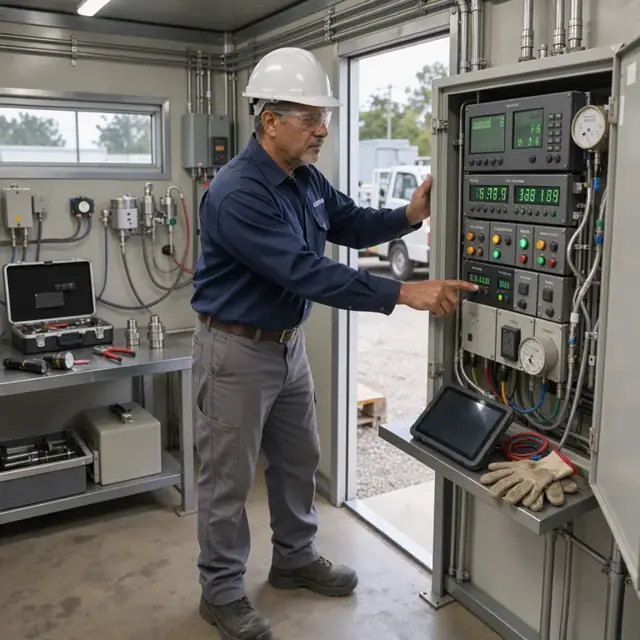
Emissions and Compliance Clerk
Monitor continuous emissions data, calculate averages and draft quarterly and annual environmental reports.
Works in: Ambitious Sheets, Ambitious Docs, Ambitious Tasks · Workflows: Emissions and environmental compliance
Automates
- Pulls and validates real-time CEMS readings
- Calculates rolling averages and compares to permit limits
- Drafts deviation reports and quarterly filings
- Tracks reagent usage against emissions control needs
Stops for a person
- The environmental manager reviews and signs every compliance report
- Plant leadership confirms corrective actions for any exceedances

Work Permit and Safety Clerk
Convert approved maintenance into detailed work orders complete with all required safety permits and lockout-tagout documentation.
Works in: Ambitious Docs, Ambitious Tasks, Contract Analyzer · Workflows: Maintenance work order and permitting
Automates
- Generates standardized work orders from outage schedules
- Attaches appropriate permit templates and isolation sheets
- Tracks permit status and craft assignments
- Closes completed orders and updates equipment history
Stops for a person
- Operations shift supervisor physically signs every permit before work begins
- The safety manager reviews complex or high-risk job packages

Shift Handover Logger
Compile operator logs, alarms and operating data into standardized handover reports for each crew change.
Works in: Ambitious Docs, Ambitious Tasks, Ambitious Sheets · Workflows: Shift handover and log management
Automates
- Pulls data from DCS, alarm historians and generation logs
- Highlights abnormal conditions and open permits
- Formats standardized handover packets
- Archives completed logs for regulatory retention
Stops for a person
- Outgoing and incoming operators both review and acknowledge the handover report
- The plant manager reviews any highlighted incidents or abnormal conditions
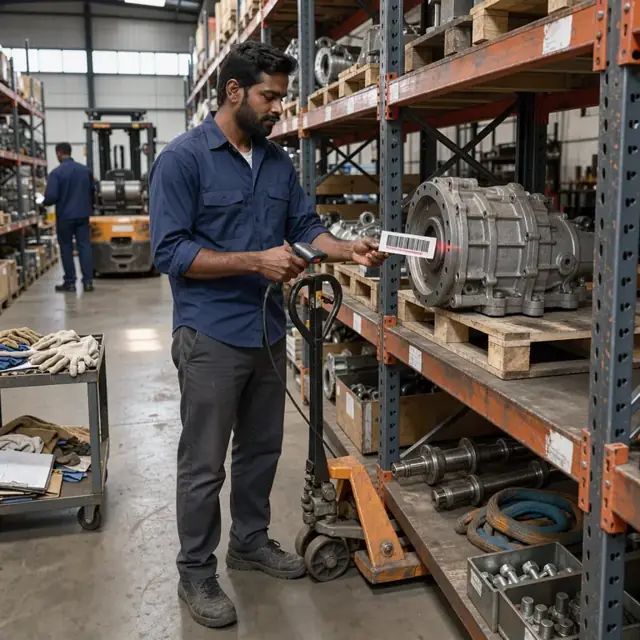
Spares and Consumables Steward
Maintain accurate stock levels of critical spares, lubricants, chemicals and consumables with reorder triggers tied to outage plans.
Works in: Ambitious Sheets, Ambitious Tasks, Ambitious Docs · Workflows: Critical spares and consumables inventory
Automates
- Runs weekly cycle counts against minimum levels
- Flags parts required for scheduled outages
- Drafts purchase requisitions for replenishment
- Updates records after receipts and issues
Stops for a person
- The maintenance manager approves all spare parts purchases above a set value
- Engineering reviews any substitution of critical safety-related components
Workflows
Daily generation dispatch planning
Starts when: Day-ahead market close and morning reliability assessment
- Pull latest day-ahead energy and ancillary service prices plus load forecasts
- Run unit commitment models against fuel costs, heat rates and maintenance status
- Produce hourly generation schedule and reserve requirements
- Draft startup and shutdown sequences for each available unit
- Submit final offer curve and schedule to the regional transmission organization for review
Watch for: All final offers and schedules must be reviewed by the control-room operator before submission; Rapid changes in fuel prices or forced outages require immediate re-run
Fuel procurement and inventory
Starts when: Weekly nomination cycle and daily burn-rate update
- Calculate expected burn based on dispatch schedule and actual heat rates
- Compare against current tank, pile and pipeline inventories
- Draft fuel orders or pipeline nominations for the next period
- Track delivery schedules and update on-hand projections
- Flag any projected shortages to operations leadership
Watch for: Pipeline nominations must be submitted on exact tariff deadlines; Coal quality specifications and stockpiles must meet environmental permit limits
Outage planning and coordination
Starts when: Weekly planning meeting and monthly RTO submission window
- Collect maintenance requests from engineering and operations teams
- Align requests with market prices, load forecasts and fuel availability
- Draft outage requests with estimated start, duration and return-to-service
- Submit to the regional transmission organization for approval
- Update plant maintenance tracking system and notify affected departments
Watch for: Critical-path equipment outages require long lead times and regulatory notifications; Any change to approved outage windows needs formal resubmission
Emissions and environmental compliance
Starts when: Continuous emissions monitor data stream and quarterly reporting deadlines
- Pull real-time CEMS data for NOx, SO2, CO2, mercury and opacity
- Calculate 30-day rolling averages and compare to permit limits
- Draft quarterly and annual compliance reports
- Flag any exceedances and generate deviation reports
- Maintain reagent and emissions control inventory projections
Watch for: All reported values must be reviewed and signed by the plant environmental manager; Continuous monitoring systems require daily quality-assurance checks
Maintenance work order and permitting
Starts when: Approved weekly schedule or equipment alarm
- Convert approved outage or corrective request into detailed work order
- Attach required safety permits, lockout-tagout sheets and confined-space forms
- Assign to craft personnel and update scheduling board
- Track completion, parts used and return-to-service test results
- Close the work order and update equipment history
Watch for: No work may begin until all permits are physically signed by operations; High-energy systems require specific clearance procedures
Shift handover and log management
Starts when: Every shift change (typically every 12 hours)
- Compile operator logs, alarm summaries, generation totals and fuel burn
- Highlight any open permits, abnormal conditions or outstanding orders
- Draft standardized handover report for incoming crew
- Archive completed logs for regulatory retention
- Flag any items requiring management review
Watch for: Control-room operators must personally review and acknowledge the handover; All logs are subject to audit for NERC and environmental compliance
Critical spares and consumables inventory
Starts when: Weekly cycle count and reorder point alerts
- Scan current stock levels against minimum and reorder quantities
- Identify parts tied to upcoming outages or high-risk equipment
- Draft purchase requisitions for consumables and spares
- Update inventory records after receipts and usage
- Maintain shelf-life and calibration tracking for critical instruments
Watch for: Certain safety-related spares may only be ordered after engineering approval; Rotating equipment spares require specific storage and preservation steps
Bot templates for this industry
Source: U.S. Small Business Administration, Office of Size Standards, Table of Small Business Size Standards Matched to North American Industry Classification System Codes, version March 2023 (effective 2023-03-17, NAICS 2022). Size standards are shown for reference only.