

Nuclear Electric Power Generation
Nuclear power plants generate electricity from controlled fission in reactor cores, producing steam that drives turbines. For a facility that runs continuous generation with scheduled refueling outages, the specialists convert regulatory and operational data into daily generation schedules, coordinate outage work packages, maintain equipment and fuel inventories, track radiation and environmental compliance paperwork, and prepare reports for grid operators and regulators. Reactor physics, radiation protection and safety calls stay with the licensed operators and engineers.
What makes this business different
- Strict regulatory oversight with mandatory reporting to the Nuclear Regulatory Commission and other bodies on safety, emissions and operations
- Refueling outages every 18-24 months requiring detailed work planning, parts, contractors and regulatory approvals
- Continuous 24/7 operations with shift handovers, surveillance testing and emergency preparedness drills
- High-value specialized equipment and nuclear fuel inventory with strict tracking, chain of custody and waste management
- Radiation monitoring, dosimetry, contamination control and environmental sampling with detailed logs
- Grid dispatch coordination, capacity market bids and power purchase agreements with precise scheduling
- Extensive technical documentation, procedures, work orders and configuration management under nuclear quality assurance programs
- All work follows strict permit-to-work, radiation work permits, locked valve and tagout procedures with multiple independent verifications
- Equipment and spare parts inventories maintained with strict foreign material exclusion and configuration management
Specialist bots

Grid and Dispatch Coordinator
Convert plant conditions, market signals and operational constraints into daily generation offers and schedules for the grid operator.
Works in: Ambitious Tasks, Ambitious Sheets, Process Optimizer · Workflows: Daily generation and grid coordination
Automates
- Pulls real-time reactor, turbine and environmental data
- Forecasts available capacity, constraints and limiting conditions
- Prepares and formats offer curves or schedules
- Distributes approved schedules to shift operators and updates plant logs
Stops for a person
- Licensed senior reactor operators review and approve all schedule changes
- A person confirms and electronically signs submissions to the independent system operator

Outage Work Planner
Build integrated critical-path schedules, risk assessments and work packages for refueling outages and major maintenance.
Works in: Ambitious Tasks, Ambitious Sheets, Process Optimizer · Workflows: Refueling outage and major maintenance planning
Automates
- Assembles work scope from reliability databases and regulatory requirements
- Creates logic-linked schedules with resource loading and critical path identification
- Identifies long-lead materials, contractor needs and tooling requirements
- Generates risk profiles, contingency templates and regulatory submission lists
Stops for a person
- Senior plant management, engineering and regulatory affairs review and approve final outage scope and schedule
- All work packages receive multiple independent reviews by operations, engineering and radiation protection
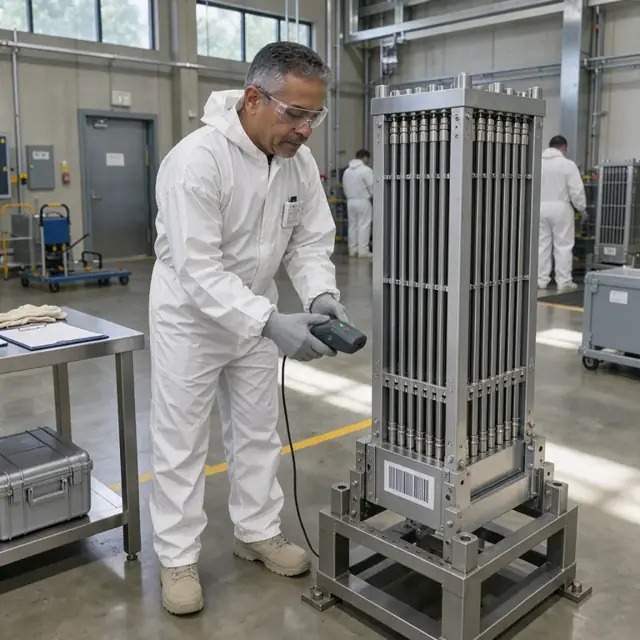
Nuclear Fuel and Core Manager
Track reactor core physics parameters, manage fresh and spent fuel inventory and prepare reload plans.
Works in: Ambitious Sheets, Ambitious Docs, Ambitious Tasks · Workflows: Nuclear fuel and reactor core management
Automates
- Calculates burnup, isotopic inventories and reactivity parameters
- Models proposed fuel loading patterns and control rod configurations
- Prepares material accounting, custody records and movement sequences
- Generates fuel receipt and inspection checklists
Stops for a person
- Reactor engineers and licensed operators verify all core physics calculations and loading patterns
- A person signs all nuclear material accounting reports and fuel movement authorizations

Maintenance Work Control Coordinator
Screen, package and schedule maintenance work while maintaining configuration control and safety standards.
Works in: Ambitious Tasks, Ambitious Docs, Process Optimizer · Workflows: Preventive and corrective maintenance work control
Automates
- Screens and prioritizes incoming work requests against safety and regulatory criteria
- Assembles procedure-based work packages with required permits and radiation controls
- Schedules work windows around plant operating modes and system availability
- Updates equipment history and reliability databases upon completion
Stops for a person
- Operations shift managers approve all work that affects plant configuration
- Qualified reviewers and operations personnel sign off on every safety-related work package before and after execution

Radiation Protection and Dosimetry Specialist
Issue radiation work permits, track personnel dose, log surveys and prepare effluent and environmental reports.
Works in: Ambitious Tasks, Ambitious Sheets, Ambitious Docs · Workflows: Radiation monitoring and dosimetry management
Automates
- Generates radiation work permits with dose estimates and stay-time limits
- Tracks dosimetry issuance, stay times and exposure records
- Compiles survey, air sample and contamination data into logs
- Prepares draft effluent, environmental and dose reports
Stops for a person
- The radiation protection manager reviews and approves all permits and reports
- A person confirms any release of radioactive material and signs off on final reports

Regulatory Compliance and Reporting Clerk
Compile operational data and draft the required regulatory, environmental and license compliance reports.
Works in: Ambitious Docs, Ambitious Sheets, Ambitious Tasks · Workflows: Regulatory and environmental compliance reporting
Automates
- Pulls data from multiple plant computer systems and logs
- Populates report templates with required metrics and narratives
- Tracks license conditions, technical specifications and renewal dates
- Organizes documentation packages for inspections and audits
Stops for a person
- The plant manager or designated responsible individual reviews and signs every regulatory submittal
- Engineering, operations and radiation protection confirm technical accuracy before any filing

Emergency Preparedness Coordinator
Maintain emergency plans, schedule drills and track corrective actions from exercises and regulatory findings.
Works in: Ambitious Tasks, Ambitious Docs, Ambitious Sheets · Workflows: Emergency preparedness drills and plan maintenance
Automates
- Maintains drill schedules, participant lists and facility readiness checklists
- Generates scenario templates, evaluation forms and corrective action trackers
- Updates notification rosters, emergency action levels and procedure revisions
- Prepares documentation for offsite agency coordination
Stops for a person
- The emergency preparedness manager approves all drill scenarios and plan changes
- Senior leadership and offsite agencies participate in final exercise evaluations and sign off on corrective actions

Inventory and Procurement Coordinator
Maintain equipment, spare parts and consumables inventory with strict quality and configuration controls.
Works in: Ambitious Sheets, Ambitious Tasks, Ambitious Docs · Workflows: Equipment, parts and consumables inventory
Automates
- Reviews inventory levels against outage and maintenance schedules
- Generates procurement requests for parts and materials
- Tracks receipt, inspection, storage and issuance records
- Maintains shelf-life, traceability and foreign material exclusion logs
Stops for a person
- Qualified inspectors and quality assurance personnel verify all nuclear-grade receipts and inspections
- A person approves all purchase orders and signs off on material issuance for safety-related work
Workflows
Daily generation and grid coordination
Starts when: Daily at 0600 and upon receipt of grid operator instructions
- Collect current reactor power level, core status, equipment availability and any limiting conditions from the control room log
- Forecast generation capability for the next 24-48 hours based on fuel burnup, planned surveillance tests and maintenance
- Prepare and submit offer curves or schedules to the grid operator or balancing authority using approved templates
- Incorporate any transmission constraints, market price signals or reliability requirements
- Distribute the approved schedule to control room operators, update the plant log and flag any deviations for notification
Watch for: Nuclear units typically run at full capacity unless directed otherwise; Any deviation from schedule requires regulatory notification in many cases; All submissions must be reviewed by licensed operators before filing
Refueling outage and major maintenance planning
Starts when: 18 months before each scheduled refueling outage and upon emergent equipment issues
- Develop detailed outage work scope from equipment reliability data, previous outage findings and regulatory requirements
- Build an integrated critical-path schedule with dependencies on fuel movement, inspections, testing and contractor availability
- Identify required parts, specialized contractors, cranes, tooling and long-lead items and initiate procurement
- Draft outage risk assessment, contingency plans and required regulatory submissions
- Submit key documents for regulatory review and obtain approvals prior to starting work
Watch for: Outages must be completed within tight regulatory and economic windows; All work follows strict nuclear quality assurance and configuration control; Multiple independent reviews and approvals are required before execution
Nuclear fuel and reactor core management
Starts when: Weekly and before each core reload
- Track current core burnup, isotopic inventory, reactivity parameters and spent fuel pool status
- Model next cycle fuel loading patterns and control rod configurations using approved physics codes
- Coordinate fresh fuel receipts, inspections, storage and movement into the spent fuel pool
- Prepare detailed fuel movement and core reload sequences with hold points
- Maintain chain-of-custody documentation and nuclear material accounting records for all fuel
Watch for: Fuel is extremely high value and strictly controlled under material accounting rules; All reactor physics calculations and reload plans require engineering and licensed operator review
Preventive and corrective maintenance work control
Starts when: Weekly schedule review and upon equipment failure notifications
- Screen incoming work requests for priority, safety impact, regulatory implications and mode applicability
- Develop detailed work packages including procedures, radiation work permits, parts lists and hold points
- Schedule work during appropriate plant modes and coordinate with operations, radiation protection and engineering
- Track completion, post-maintenance testing, independent verification and return to service
- Update equipment history, reliability databases and configuration management records
Watch for: All safety-related work requires qualified personnel and approved procedures; Foreign material exclusion, contamination control and locked-out/tag-out must be strictly enforced; Operations must approve any change to plant configuration
Radiation monitoring and dosimetry management
Starts when: Daily, upon entry to radiologically controlled areas and after each job
- Issue and track personnel dosimetry, electronic dosimeters and whole-body counts
- Generate radiation work permits with dose estimates, stay-time limits and contamination controls
- Log area radiation surveys, air sampling, smear samples and contamination monitoring results
- Track collective dose, individual exposures against administrative limits and ALARA goals
- Prepare draft reports on radioactive effluents, environmental sampling and release permits
Watch for: ALARA principles must be followed for every task; Any unusual radiological conditions or exceeding limits require immediate reporting and investigation
Regulatory and environmental compliance reporting
Starts when: Monthly, quarterly, on event occurrence and before license amendments
- Compile required data from operations, maintenance, chemistry, radiation protection and environmental logs
- Draft Licensee Event Reports, annual radioactive effluent reports, environmental monitoring summaries and other filings
- Track license conditions, technical specifications, regulatory commitments and renewal dates
- Organize documentation packages for NRC inspections, audits and license amendment requests
- Maintain a master list of all open regulatory actions and correspondence
Watch for: Reports must be factually accurate and submitted on time; All submissions are reviewed, signed and certified by licensed or responsible plant personnel
Emergency preparedness drills and plan maintenance
Starts when: Quarterly for drills and annually for full exercises
- Maintain the emergency plan, implementing procedures, equipment inventories and facility readiness checklists
- Schedule and coordinate table-top, field and full-scale drills with offsite agencies
- Track corrective actions from previous drills, NRC findings and self-assessments
- Update emergency action levels, notification lists, protective action recommendations and rosters
- Verify 24/7 staffing requirements for emergency response facilities are met
Watch for: Drills must meet NRC-evaluated performance criteria; Offsite fire, medical, law enforcement and state agency coordination is mandatory; All plan changes require regulatory review and approval
Equipment, parts and consumables inventory
Starts when: Weekly and before planned outages
- Review current equipment and spare parts inventory against outage and maintenance schedules
- Identify minimum stock levels for critical safety-related and non-safety parts
- Generate procurement requests for parts, consumables, tools and contractor support
- Track receipt, inspection, storage and issuance of items under quality assurance and foreign material exclusion rules
- Update inventory records, shelf-life tracking and equipment history files
Watch for: Nuclear-grade parts require traceability, dedication and receipt inspection; All inventory movements must preserve configuration control and prevent foreign material introduction
Bot templates for this industry
- Nuclear Electric Power Generation (8 bots)
Source: U.S. Small Business Administration, Office of Size Standards, Table of Small Business Size Standards Matched to North American Industry Classification System Codes, version March 2023 (effective 2023-03-17, NAICS 2022). Size standards are shown for reference only.