

Biomass Electric Power Generation
Biomass electric power generation facilities take delivery of wood chips, agricultural residues, energy crops and organic waste, then process, dry and combust or gasify the material to produce steam that drives turbines and generates electricity sold under power purchase agreements. The specialists turn fuel delivery notices into scheduled unloading and inventory plans, feedstock quality and moisture data into combustion adjustments, and operational logs into maintenance schedules, emissions reports and monthly invoices while the plant operators retain all safety, environmental and grid compliance decisions.
What makes this business different
- Continuous fuel supply with daily deliveries of wood chips, pellets, agricultural residues or municipal organic waste that must be weighed, sampled and stored without spontaneous combustion
- Feedstock variability in moisture content, ash percentage and energy density that directly affects boiler efficiency and emissions
- Seasonal supply swings such as harvest residues in fall or wood waste during winter storms requiring inventory buildup and blending plans
- Strict emissions monitoring, continuous emission monitoring systems data, ash handling and landfill or reuse permits
- Grid operator scheduling, power purchase agreement terms, availability reporting and monthly generation invoices
- Preventive maintenance on boilers, turbines, conveyors, dryers and baghouses with lockout-tagout and confined-space procedures
- Fuel contract management, moisture-based payment adjustments and supplier performance tracking
Specialist bots
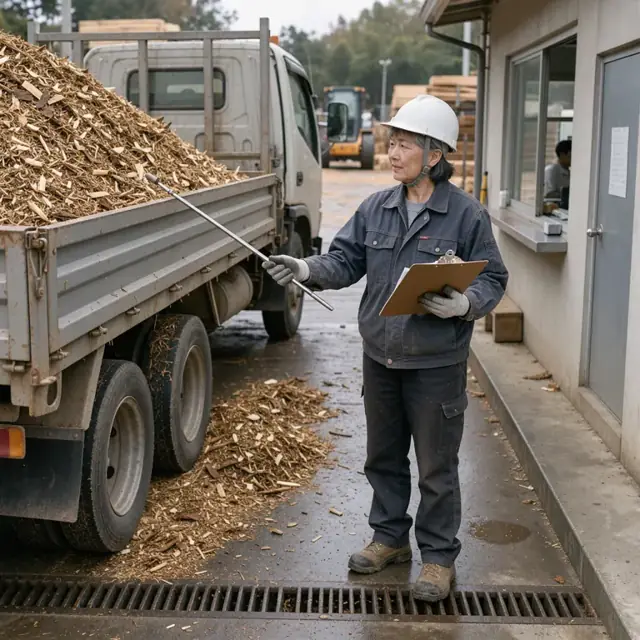
Fuel Receiver
Capture every inbound fuel load, record weight and quality data and update live inventory.
Works in: Ambitious Tasks, Ambitious Sheets, Ambitious Docs · Workflows: Fuel receipt and inventory
Automates
- Reads scale tickets and supplier manifests
- Logs material type, weight and visual condition
- Creates sampling tasks and updates pile inventories by BTU content
- Alerts when stock falls below safety levels
Stops for a person
- Plant operator approves rejection of off-spec loads
- A person physically samples and labels each load
- All inventory adjustments are confirmed by the fuel manager

Feedstock Blender
Analyze current feedstock piles and create daily blend recipes that meet boiler moisture and energy targets.
Works in: Ambitious Sheets, Process Optimizer, Ambitious Tasks · Workflows: Feedstock preparation and blending
Automates
- Pulls lab moisture and ash results for each pile
- Calculates optimal reclaim ratios from multiple piles
- Generates dryer setpoints and conveyor schedules
- Flags when target moisture cannot be achieved with current inventory
Stops for a person
- The shift supervisor reviews and approves each daily blend plan
- Actual dryer performance is verified by operators before full production
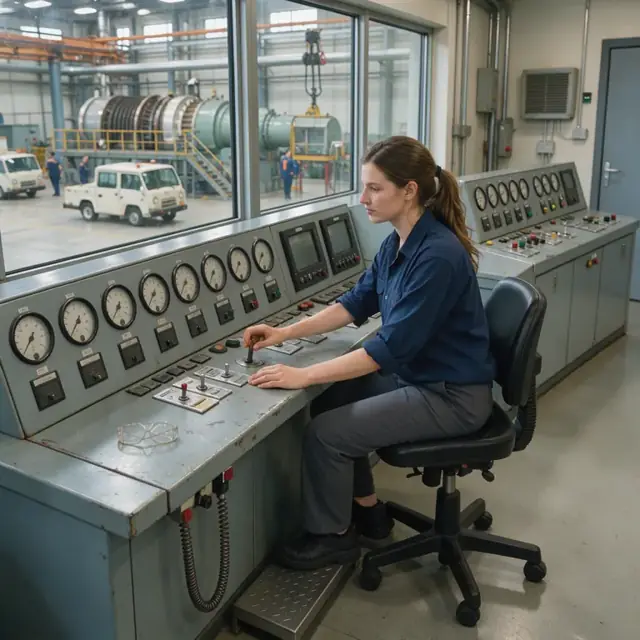
Generation Planner
Convert grid and power purchase agreement requirements into daily fuel burn rates, operating setpoints and availability forecasts.
Works in: Ambitious Sheets, Process Optimizer, Ambitious Tasks · Workflows: Generation scheduling and output
Automates
- Translates requested megawatt-hours into required fuel tonnage
- Adjusts for current feedstock heating value
- Forecasts daily ash and emissions
- Drafts availability reports for the grid operator
Stops for a person
- The plant manager confirms all availability declarations
- Any deviation from the schedule is approved by the control room operator
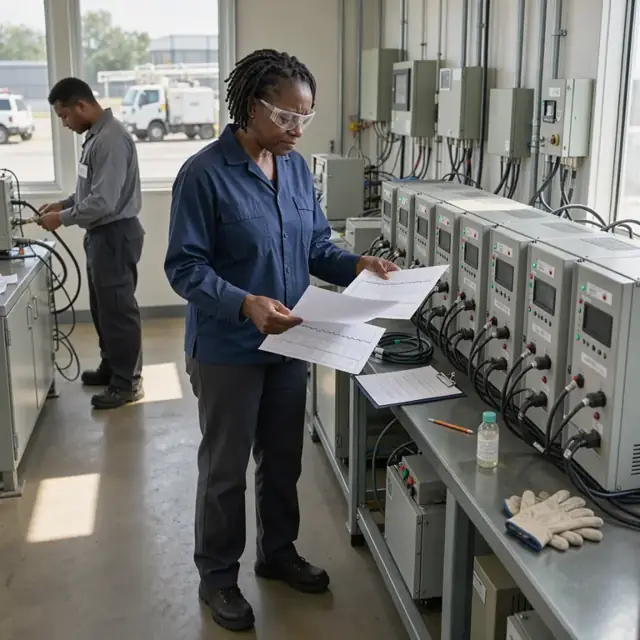
Emissions and Compliance Clerk
Pull continuous emission monitoring data, calculate permit averages and assemble monthly and quarterly reports.
Works in: Ambitious Docs, Ambitious Sheets, Ambitious Tasks · Workflows: Emissions monitoring and reporting
Automates
- Aggregates hourly CEMs readings
- Calculates 30-day rolling averages
- Flags permit limit excursions
- Prepares draft regulatory reports and ash disposal logs
Stops for a person
- The environmental manager reviews every report before submission
- Corrective actions for exceedances are decided and documented by people

Maintenance Coordinator
Track equipment run hours, generate preventive maintenance tasks and build outage schedules.
Works in: Ambitious Tasks, Ambitious Sheets, Process Optimizer · Workflows: Maintenance and outage planning
Automates
- Monitors hours on boilers, turbines and conveyors
- Creates weekly preventive work orders
- Aligns major outages with low grid demand periods
- Tracks spare parts inventory and contractor availability
Stops for a person
- All lockout and confined-space permits are issued by a qualified person
- The maintenance manager approves the final outage schedule and parts orders

Billing and Settlement Specialist
Reconcile generation meter data with grid records, apply contract rates and draft monthly invoices.
Works in: Ambitious Sheets, Ambitious Docs, Ambitious Tasks · Workflows: Power billing and settlement
Automates
- Pulls and reconciles meter data
- Applies PPA energy and capacity rates
- Calculates fuel cost true-ups from lab results
- Drafts invoices with supporting logs
Stops for a person
- The plant manager approves every invoice before it is sent
- Any dispute or true-up adjustment is negotiated by the owner or manager

Fuel Contract Manager
Track fuel supply contracts, monitor supplier performance and calculate moisture-based price adjustments.
Works in: Ambitious Docs, Contract Analyzer, Ambitious Sheets · Workflows: Fuel contract and supplier management
Automates
- Monitors remaining contract volumes
- Compares delivered quality against specifications
- Calculates price adjustments from lab moisture data
- Drafts renewal and performance notices
Stops for a person
- All contract changes, terminations and new agreements are signed by an authorized person
- Price adjustments are reviewed and approved before payment
Workflows
Fuel receipt and inventory
Starts when: A fuel delivery arrives at the plant gate
- Capture truck weight ticket, supplier, material type and visual quality
- Sample for moisture, ash and contaminant testing
- Update pile or silo inventory by energy content and location
- Schedule next delivery based on burn rate and current stock
- Draft receipt confirmation for supplier
Watch for: Moisture above 50 percent requires immediate drying or blending; Contaminated loads must be rejected before unloading
Feedstock preparation and blending
Starts when: Daily at start of each shift and when inventory changes
- Analyze current pile moisture and ash values from lab results
- Build a daily blend recipe from multiple storage piles
- Schedule conveyor, dryer and screener run times
- Adjust dryer temperature and residence time for target moisture
- Create a task for operators to verify blend uniformity
Watch for: Boiler requires fuel within a narrow moisture band for stable combustion; Seasonal wet material must be dried without exceeding dryer capacity
Generation scheduling and output
Starts when: Day-ahead grid operator request or power purchase agreement schedule
- Convert requested megawatt-hours into required fuel burn rate
- Adjust for current feedstock energy content and boiler efficiency
- Forecast daily ash production and emissions
- Draft availability and outage reports for the grid operator
- Create operator task list for ramp-up and steady-state
Watch for: Turbine and boiler must stay within ramp-rate limits; Grid curtailment can occur with short notice
Emissions monitoring and reporting
Starts when: Continuous and on the 5th of each month
- Pull data from continuous emission monitoring systems
- Calculate daily and monthly averages for NOx, SO2, CO and particulates
- Flag any exceedances and draft corrective action notes
- Assemble quarterly and annual permit reports
- Track ash volume, test results and disposal or reuse records
Watch for: Regulatory limits are set by site-specific air permits; Any exceedance triggers immediate operator notification
Maintenance and outage planning
Starts when: Weekly, after 500 operating hours and before scheduled outages
- Review equipment run hours and vibration data
- Generate preventive maintenance tasks for conveyors, grates, superheaters and baghouse
- Build an outage schedule with lockout and confined-space checklists
- Order parts and schedule contractor visits
- Track completion and update asset history
Watch for: Boiler inspections require full shutdown and cooling; Turbine maintenance must align with grid low-demand windows
Power billing and settlement
Starts when: End of each month and after meter read
- Pull generation meter data and reconcile with grid operator records
- Apply power purchase agreement rates and any capacity or availability bonuses
- Calculate fuel cost true-up based on actual moisture and energy content
- Draft monthly invoice with supporting generation and emissions logs
- Track payment status and flag disputes
Watch for: Capacity payments depend on declared availability; Fuel cost adjustments require verified lab results
Fuel contract and supplier management
Starts when: On contract renewal dates, quarterly and when deliveries deviate
- Track remaining volume under each fuel supply contract
- Compare delivered quality and moisture against contract specs
- Calculate price adjustments for moisture or energy content
- Draft performance reports and renewal option notices
- Identify new suppliers when seasonal shortages appear
Watch for: Long-term contracts often include take-or-pay clauses; Moisture-based pricing must be calculated from certified lab samples
Bot templates for this industry
- Biomass Electric Power Generation (7 bots)
Source: U.S. Small Business Administration, Office of Size Standards, Table of Small Business Size Standards Matched to North American Industry Classification System Codes, version March 2023 (effective 2023-03-17, NAICS 2022). Size standards are shown for reference only.