

Electric Power Distribution
Electric power distribution utilities receive high-voltage power from the transmission grid, step it down through substations, and deliver it safely to homes, businesses and industrial customers through local lines and meters. Specialists turn outage reports and meter data into dispatch orders, convert consumption readings into accurate bills, schedule line crews for maintenance and repairs, manage vegetation clearance cycles, track regulatory inspections and permits, and forecast load to keep feeders balanced. Switching procedures, safety clearances, storm response and pole inspections remain with licensed lineworkers and engineers.
What makes this business different
- 24/7 outage reporting from customers, SCADA systems and automated sensors that must trigger immediate crew dispatch
- Strict switching orders, lockout-tagout and hot-work permits before any line work begins
- Seasonal vegetation management cycles coordinated with local, state and federal land permits
- Monthly meter reads or AMI data that must produce accurate bills including demand, time-of-use and net metering credits
- Pole, transformer and substation inspections on regulatory schedules with detailed paperwork filed to commissions
- Load forecasting and feeder balancing to prevent overloads, especially during summer peaks and winter storms
- Coordination with transmission operators, municipalities, tree contractors and large industrial customers on planned outages
Specialist bots

Outage Coordinator
Convert outage reports and sensor data into prioritized crew dispatch tasks with accurate customer impact information.
Works in: Ambitious Tasks, Ambitious Docs, Email Buckets · Workflows: Outage detection and crew dispatch
Automates
- Reads incoming outage messages and SCADA alerts
- Matches reports to circuits and maps
- Builds dispatch packages with location and safety notes
- Drafts initial customer outage notifications
Stops for a person
- Lineworkers and dispatchers approve switching orders and clearances
- Critical customer priority lists are maintained by operations staff
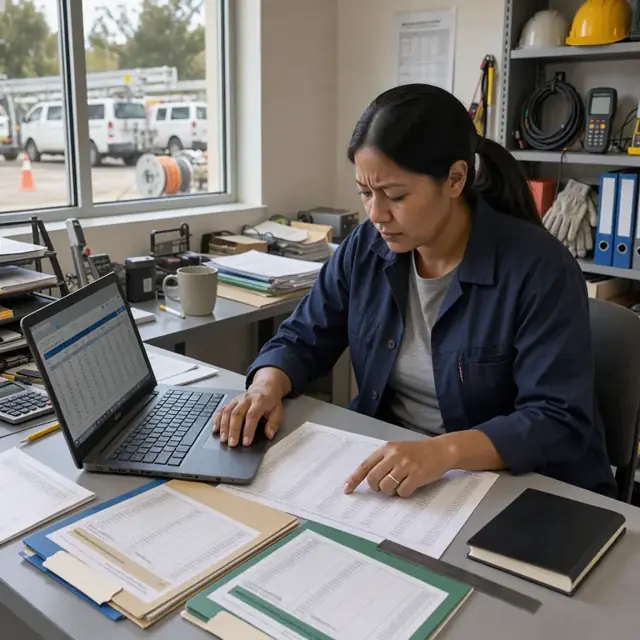
Billing and Meter Data Specialist
Process meter reads and AMI data to generate accurate customer bills according to approved rate schedules.
Works in: Ambitious Sheets, Ambitious Docs, Ambitious Tasks · Workflows: Meter reading and customer billing
Automates
- Pulls consumption data from systems
- Applies correct tariffs and riders
- Calculates bills including demand and net metering
- Flags abnormal usage patterns for review
- Prepares bill files for printing and electronic delivery
Stops for a person
- Rate changes and exceptions are approved by regulatory and finance staff
- A person reviews and sends final bills

Maintenance and Inspection Planner
Create and schedule preventive maintenance and inspection work orders for lines, poles, transformers and substations.
Works in: Ambitious Tasks, Ambitious Sheets, Process Optimizer · Workflows: Preventive maintenance and inspection scheduling
Automates
- Reviews regulatory inspection calendars
- Assigns work to qualified crews
- Coordinates with vegetation management
- Tracks completion and follow-up items
Stops for a person
- Crew supervisors and engineers approve all high-voltage work plans
- Completed inspection reports are signed by licensed personnel
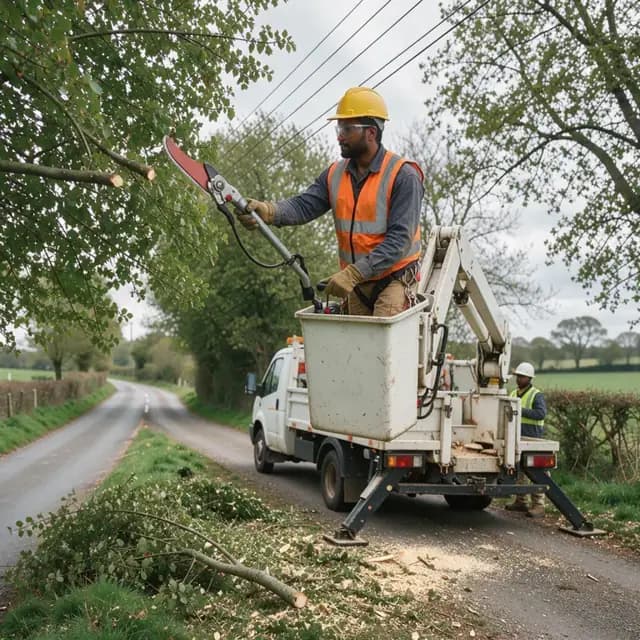
Vegetation Management Coordinator
Plan annual right-of-way clearing cycles, generate contractor work packages and track environmental permit compliance.
Works in: Ambitious Tasks, Ambitious Docs, Ambitious Sheets · Workflows: Vegetation clearance and right-of-way maintenance
Automates
- Identifies circuits due for trimming
- Builds map-based work packages
- Drafts property owner notifications
- Tracks contractor completion and herbicide logs
Stops for a person
- Arborists and environmental staff review sensitive areas
- All permits are obtained and signed by authorized utility personnel
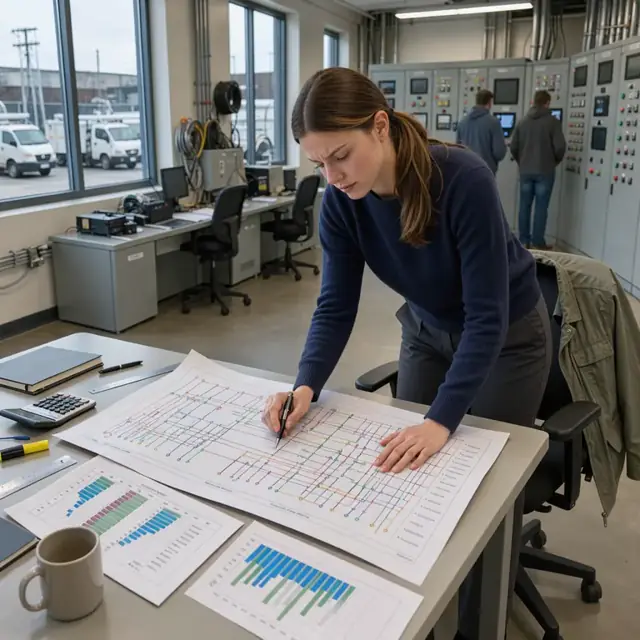
Load Forecaster and System Analyst
Build daily and seasonal load forecasts, identify at-risk feeders and recommend load transfers or system improvements.
Works in: Ambitious Sheets, Process Optimizer, Ambitious Docs · Workflows: Load forecasting and feeder balancing
Automates
- Combines historical data with weather forecasts
- Produces feeder-level load predictions
- Highlights overload risks
- Suggests switching or equipment solutions
Stops for a person
- All engineering recommendations are reviewed and approved by licensed distribution engineers
- Major system changes require management approval before implementation

Regulatory Compliance Clerk
Track permits, compile inspection data and organize regulatory filings for state commissions and other authorities.
Works in: Ambitious Docs, Ambitious Tasks, Ambitious Sheets · Workflows: Regulatory permitting and inspection tracking
Automates
- Monitors permit and inspection calendars
- Assembles required documentation and photos
- Organizes data into commission filing formats
- Sends renewal reminders
Stops for a person
- All filings and submissions are reviewed and approved by utility regulatory staff and legal counsel
- People confirm that requirements are met before any filing is sent
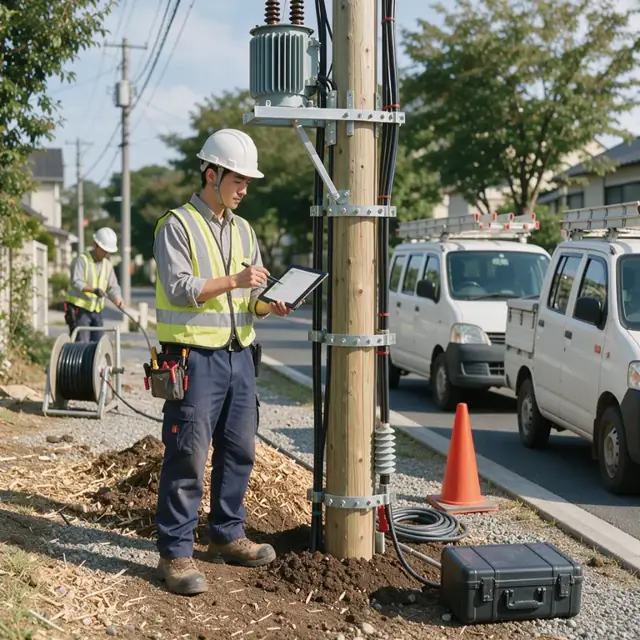
Asset Records and Work Order Specialist
Update GIS maps, asset databases and maintenance histories after field work and reconcile materials used.
Works in: Ambitious Docs, Ambitious Sheets, Ambitious Tasks · Workflows: Work order creation and asset updates
Automates
- Processes completed work order data
- Updates asset records and maps
- Reconciles materials and labor costs
- Triggers follow-on inspection tasks
Stops for a person
- Engineers verify as-built drawings and system changes
- Accounting staff approve cost allocations to regulatory accounts
Workflows
Outage detection and crew dispatch
Starts when: Customer report, SCADA alarm or automated sensor notification
- Capture location, time, affected customers and any known cause from the incoming report
- Cross-reference with known outages, AMI last-gasp data and feeder maps
- Create a prioritized dispatch task with safety notes and estimated restoration time
- Notify customers via email-buckets and draft initial outage updates
- Track crew arrival, restoration and cause code for regulatory reporting
Watch for: Priority must be given to critical infrastructure, hospitals and life-support customers; All switching and restoration steps require verified clearances from qualified personnel
Meter reading and customer billing
Starts when: Monthly on scheduled read dates or daily for AMI systems
- Pull consumption data from meters or AMI head-end system
- Apply correct rate schedule including demand, time-of-use, net metering and riders
- Calculate final bill, late fees and any credits
- Generate bills and usage summaries for mailing or electronic delivery
- Flag abnormal usage for investigation and create exception tasks
Watch for: Net metering customers require separate generation and consumption tracking; Large commercial and industrial accounts often need custom contract rates and riders
Preventive maintenance and inspection scheduling
Starts when: Regulatory calendar, inspection due dates or after major storms
- Review pole, transformer, switch and substation inspection schedules
- Assign work orders to qualified crews with required permits and safety clearances
- Coordinate with vegetation management for tree trimming around lines
- Track completion, findings and required follow-up repairs
- File inspection reports with state utility commissions on required dates
Watch for: High-voltage work requires documented qualifications and switching orders; Vegetation work must comply with local, state and federal environmental rules
Vegetation clearance and right-of-way maintenance
Starts when: Annual cycle, after storm damage or permit approval
- Identify circuits and sections due for trimming or removal this season
- Draft work packages with maps, tree species and permit requirements
- Coordinate with contractors and notify property owners
- Verify completion and update asset records
- Track herbicide application and environmental compliance logs
Watch for: Right-of-way permits and endangered species protections vary by jurisdiction; Notifications to customers and municipalities are required before work begins
Load forecasting and feeder balancing
Starts when: Daily, weekly ahead of peak seasons and after major load changes
- Pull historical usage, weather forecasts and large-customer schedules
- Run forecasts for each feeder and substation
- Identify circuits at risk of overload or voltage issues
- Recommend load transfers, capacitor switching or new equipment
- Create engineering tasks for any required system upgrades
Watch for: Summer air-conditioning peaks and winter heating peaks require separate models; Industrial customers with large intermittent loads must be specifically modeled
Regulatory permitting and inspection tracking
Starts when: Scheduled inspection dates, renewal periods or after construction
- Track all pole attachment, environmental, railroad and highway crossing permits
- Generate pre-inspection checklists for crews
- Compile data and photos from field inspections
- Draft and organize regulatory filings for state commissions
- Alert on upcoming renewal or reporting deadlines
Watch for: Different state public utility commissions require specific formats and deadlines; All submitted documents must be reviewed by licensed engineers or compliance staff
Work order creation and asset updates
Starts when: After completion of maintenance, repairs or new construction
- Capture as-built details from crew reports and photos
- Update GIS maps, asset records and maintenance histories
- Reconcile materials used against inventory
- Close work orders and trigger any follow-on inspections
- Archive switching logs and safety documentation
Watch for: All high-voltage equipment changes require engineering review and as-built drawings; Material and labor costs must be assigned to correct regulatory accounts
Bot templates for this industry
- Electric Power Distribution (7 bots)
Source: U.S. Small Business Administration, Office of Size Standards, Table of Small Business Size Standards Matched to North American Industry Classification System Codes, version March 2023 (effective 2023-03-17, NAICS 2022). Size standards are shown for reference only.