

Water Supply and Irrigation Systems
Water supply and irrigation systems operators manage wells, pumps, treatment processes, storage tanks, distribution lines and meter networks that deliver potable or agricultural water. Specialists turn service requests and usage data into work orders, schedule crews and equipment, track water quality samples and lab results, forecast seasonal demand, maintain permits and compliance logs, manage parts inventory for pumps and valves, and generate customer bills from meter reads. Seasonal peaks in summer irrigation and drought drive the daily, weekly and annual cadence while the operator keeps the system running and meets all sampling and reporting requirements.
What makes this business different
- Seasonal demand swings with summer irrigation peaks, drought restrictions and freeze protection schedules
- Regulatory sampling schedules for coliform, nitrates, turbidity and other contaminants with strict hold times and lab coordination
- Well, pump, tank and meter asset tracking with maintenance histories
- Backflow prevention testing, cross-connection control programs and annual permit renewals
- Emergency response for main breaks, low pressure or water quality complaints
- Meter reading routes that cover remote rural properties and large agricultural accounts
- Parts and chemical inventory for chlorine, polymers, repair clamps and pump seals that must stay above safety stock
- Billing that mixes flat fees, tiered usage and agricultural discounts with late notices and shutoffs
Specialist bots

Service Request Intake
Convert every customer inquiry, sensor alert or complaint into a correctly prioritized work order.
Works in: Ambitious Tasks, Ambitious Docs, Email Buckets · Workflows: Service request and work order creation
Automates
- Parses incoming messages and form submissions
- Matches to account and asset records
- Assigns initial priority and suggested crew
- Drafts customer acknowledgment
- Creates and routes the work order task
Stops for a person
- Crew lead confirms or adjusts priority and schedule
- Any order involving chemical treatment or confined space is approved by the operator
- A person sends all external customer communications

Water Quality Sampling Coordinator
Build daily sampling routes from the regulatory calendar and track every lab result to compliance logs.
Works in: Ambitious Tasks, Ambitious Sheets, Ambitious Docs · Workflows: Water quality sampling and lab coordination
Automates
- Generates the day's sampling list and route
- Pre-fills chain-of-custody forms
- Tracks sample transit and lab turnaround
- Flags out-of-limit results and drafts notices
Stops for a person
- The certified operator reviews all exceedances and signs reports
- Lab results are verified by a person before logging
- Public notices are approved before distribution
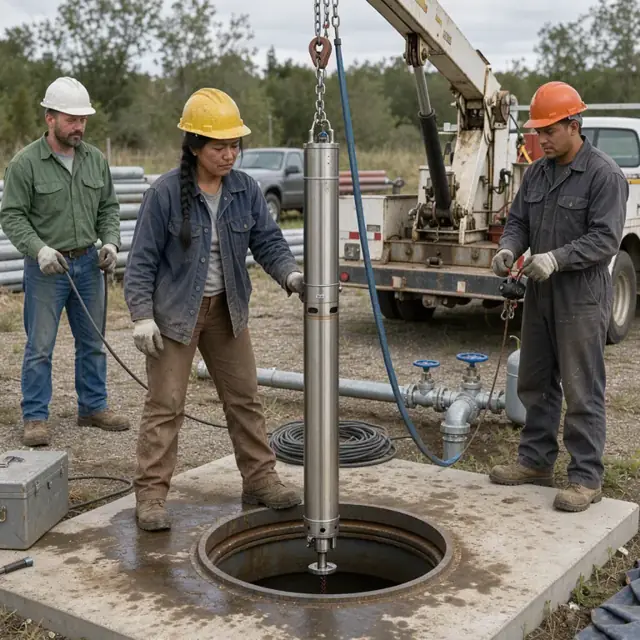
Maintenance and Repair Dispatcher
Schedule preventive and corrective maintenance on wells, pumps, tanks and meters while matching crews to required equipment.
Works in: Ambitious Tasks, Process Optimizer · Workflows: Preventive maintenance and repair dispatch
Automates
- Pulls all due and high-risk tasks
- Balances workload across available crews and vehicles
- Attaches safety procedures and equipment lists
- Updates asset records after completion
Stops for a person
- The operator approves all schedules involving wells or chemical feed systems
- Crew verifies lockout-tagout and confined-space paperwork on site
- A person closes out high-risk jobs
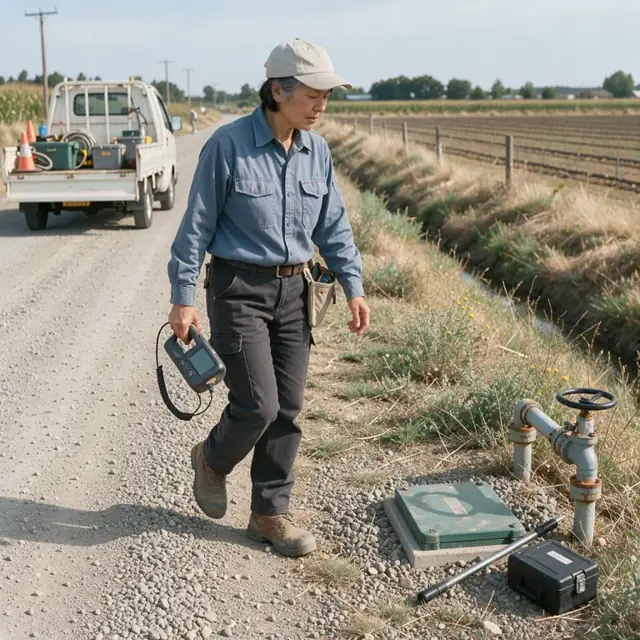
Meter Reading Route Planner
Optimize monthly meter reading routes and validate incoming reads against historical patterns.
Works in: Ambitious Tasks, Ambitious Sheets, Ambitious Docs · Workflows: Meter reading and route management
Automates
- Creates efficient geographic routes
- Loads data to field devices
- Flags anomalous or missing reads
- Prepares validated data for billing
Stops for a person
- Field staff correct route obstacles such as locked gates or aggressive animals
- The billing supervisor reviews flagged high-usage exceptions
- A person handles all estimated reads and customer disputes

Inventory and Procurement Manager
Maintain minimum stock of treatment chemicals, repair parts and safety equipment and generate purchase lists.
Works in: Ambitious Sheets, Ambitious Tasks, Ambitious Docs · Workflows: Parts, chemical and equipment inventory
Automates
- Calculates usage and reorder points
- Drafts purchase orders by supplier
- Tracks chemical shelf life and equipment certifications
- Adjusts levels for seasonal demand
Stops for a person
- The operator approves all chemical and large equipment purchases
- A person physically receives, inspects and shelves deliveries
- Spill or safety incidents are documented by staff

Billing and Collections Specialist
Generate accurate bills from validated meter data, process payments and manage late notices and shutoffs.
Works in: Ambitious Sheets, Ambitious Docs, Ambitious Tasks · Workflows: Billing, collections and shutoff processing
Automates
- Calculates usage and applies rate tiers
- Drafts bills and usage charts
- Tracks payments and flags past-due accounts
- Prepares shutoff lists after notice periods
Stops for a person
- The manager approves all disconnection orders
- A person mails or hand-delivers final shutoff notices
- Disputes and payment arrangements are handled by staff

Compliance and Permit Clerk
Track all permit deadlines, compile regulatory reports and maintain backflow and sampling records.
Works in: Ambitious Docs, Ambitious Sheets, Ambitious Tasks · Workflows: Permit tracking and regulatory reporting
Automates
- Monitors renewal and reporting dates
- Pulls data from sampling and maintenance logs
- Drafts report templates for agency submission
- Maintains cross-connection control database
Stops for a person
- The certified operator reviews and signs every regulatory filing
- People confirm that submitted data meets all agency requirements
- Any corrective action plan is written and filed by staff

Demand and Restriction Forecaster
Forecast weekly and seasonal water demand using usage history, weather and supply data to recommend restrictions when needed.
Works in: Ambitious Sheets, Process Optimizer, Ambitious Docs · Workflows: Seasonal demand forecasting and restriction planning
Automates
- Combines historical reads with weather and reservoir data
- Projects demand curves by customer class
- Recommends restriction stages
- Drafts customer advisory messages
Stops for a person
- The system operator approves all restriction announcements and timing
- A person reviews forecast assumptions before wide distribution
- Agricultural customers are consulted on proposed changes
Workflows
Service request and work order creation
Starts when: Customer call, email, online form or automated sensor alert for low pressure or leak
- Capture location, account number, reported issue and urgency
- Check against active meters, recent work and system maps
- Create a prioritized work order with assigned crew and equipment
- Draft acknowledgment and estimated response time
- Log the request in the master schedule
Watch for: Emergency breaks must be dispatched within minutes; Agricultural customers may require same-day response during peak season
Water quality sampling and lab coordination
Starts when: Daily, weekly or monthly regulatory calendar dates
- Generate the day's sampling route and required parameters from the compliance calendar
- Assign field techs and pull chain-of-custody forms
- Track sample pickup, lab delivery and result receipt
- Flag any exceedances and draft required notices or corrective actions
- Update the master compliance log with results and lab reports
Watch for: Samples must reach the lab within hold times, often 6-30 hours; Repeat sites and seasonal surface water sources need special tracking
Preventive maintenance and repair dispatch
Starts when: Weekly schedule, asset age thresholds or sensor-detected anomalies
- Pull due maintenance tasks for wells, pumps, valves, tanks and meters
- Match tasks to available crews, vehicles and specialized tools
- Schedule around customer usage patterns and irrigation seasons
- Draft work packets with lockout-tagout procedures and safety checklists
- Close out completed tasks and update asset histories
Watch for: Pump and well work often requires specialized rigging and confined-space permits; Work in agricultural fields must avoid crop damage and planting windows
Meter reading and route management
Starts when: Monthly or bimonthly billing cycle start
- Generate optimized reading routes by geographic clusters and road access
- Load routes to handheld devices or assign drive-by AMR routes
- Capture reads, anomalies, tamper evidence and final meter photos
- Validate reads against historical usage and flag exceptions
- Export validated reads to the billing system
Watch for: Remote rural routes require four-wheel-drive vehicles and seasonal access planning; Large agricultural meters may need manual chart or telemetry verification
Parts, chemical and equipment inventory
Starts when: Weekly review and after every major repair
- Review usage of chlorine, polymers, repair clamps, seals, meter parts and pump components
- Calculate reorder quantities against par levels and lead times
- Draft purchase orders for suppliers and chemicals
- Track equipment certifications and calibration due dates
- Adjust par levels based on seasonal usage patterns
Watch for: Disinfection chemicals have strict storage, handling and spill reporting rules; Critical pump parts must be stocked to avoid days-long outages
Billing, collections and shutoff processing
Starts when: After meter reads are validated each cycle
- Import reads and calculate usage charges with tiered rates and agricultural discounts
- Generate and draft bills with usage history graphs
- Process payments, flag past-due accounts and draft late notices
- Schedule field shutoffs for non-payment after all notices are sent
- Reconcile payments and update account statuses
Watch for: Agricultural accounts often have different rate structures and seasonal billing; Shutoffs require documented attempts and safety checks
Permit tracking and regulatory reporting
Starts when: Fixed calendar dates and after any reportable event
- Track all permit, discharge and backflow program renewal dates
- Compile sampling results, usage data and maintenance summaries
- Draft required monthly, quarterly and annual reports for state and local agencies
- Maintain cross-connection control and backflow test records
- Alert operators before any deadline
Watch for: Different agencies require different formats and submission methods; Any water quality exceedance triggers immediate additional reporting
Seasonal demand forecasting and restriction planning
Starts when: Weekly during growing season and before each quarter
- Pull historical usage, weather data and current reservoir or well levels
- Forecast demand for the next 30-90 days by customer class
- Suggest voluntary or mandatory restriction tiers if supply is tight
- Draft customer communications about expected availability and conservation measures
- Update pump and treatment capacity plans accordingly
Watch for: Drought years require rapid changes to restriction messaging; Irrigation customers dominate summer peaks and must be notified early
Bot templates for this industry
- Water Supply and Irrigation Systems (8 bots)
Source: U.S. Small Business Administration, Office of Size Standards, Table of Small Business Size Standards Matched to North American Industry Classification System Codes, version March 2023 (effective 2023-03-17, NAICS 2022). Size standards are shown for reference only.