

Sewage Treatment Facilities
Sewage treatment facilities receive wastewater from municipal and industrial sources, treat it through physical, chemical and biological processes, and discharge or reuse the treated effluent while managing residuals. For a mid-sized plant that processes daily influent flows with variable industrial loads, the specialists turn incoming flow data and lab results into treatment schedules, convert schedules into chemical dosing and equipment run plans, turn residuals data into hauling and land-application orders, and keep every permit, sampling event and discharge report on schedule. Process control, regulatory sampling and operator certifications remain with the licensed operators.
What makes this business different
- Continuous 24/7 flow monitoring with diurnal, wet-weather and industrial shock-load variations that must be handled without bypass
- Strict NPDES or state discharge permits with numeric limits on BOD, TSS, ammonia, phosphorus, bacteria and dissolved oxygen
- Multiple treatment stages (headworks, primary clarification, biological nutrient removal, secondary clarification, disinfection, solids handling) that require sequenced equipment operation
- Laboratory sampling schedules, chain-of-custody forms and QA/QC records for compliance reporting
- Biosolids management including dewatering, hauling, land application or landfill disposal with manifests and nutrient management plans
- Chemical inventory, feed rates and safety data sheets for coagulants, polymers, chlorine or UV lamps, and odor control agents
- Preventive maintenance on pumps, blowers, clarifiers, digesters and instrumentation with lockout-tagout and confined-space procedures
- Annual operator certification renewals, operator logs and regulatory inspection readiness
Specialist bots

Influent Flow and Load Monitor
Convert continuous SCADA and industrial user data into daily loading summaries and operational alerts.
Works in: Ambitious Tasks, Ambitious Sheets, Process Optimizer · Workflows: Influent flow and load monitoring
Automates
- Pulls and averages flow, rainfall and loading data
- Compares values to historical baselines and permit thresholds
- Flags shock loads or wet-weather events
- Generates daily operations summary
- Creates review tasks for operators
Stops for a person
- Licensed operators interpret anomalies and decide on process changes
- Any potential permit exceedance is reviewed and logged by a person
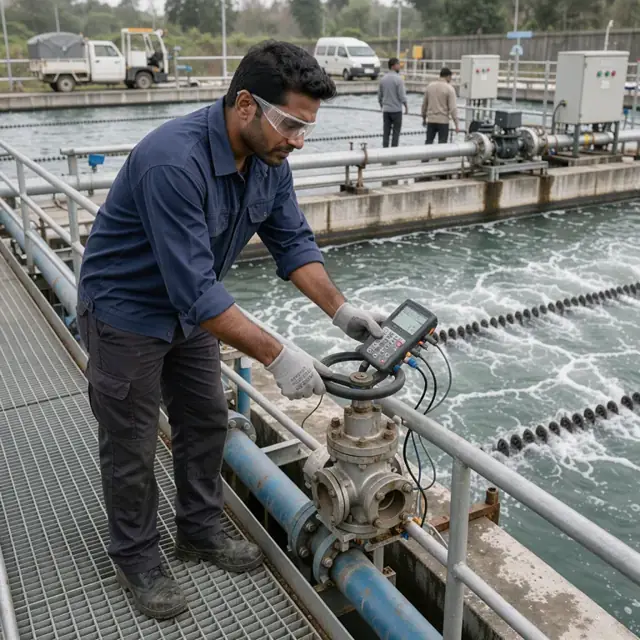
Treatment Process Scheduler
Turn current influent data and tank levels into daily setpoints and equipment run schedules.
Works in: Ambitious Tasks, Process Optimizer, Ambitious Sheets · Workflows: Daily treatment process scheduling
Automates
- Calculates target sludge return and waste rates
- Optimizes blower and pump sequences for energy and treatment balance
- Adjusts chemical feed and disinfection intensity
- Produces shift handover sheets with setpoints
Stops for a person
- The shift operator approves or modifies all setpoints before implementation
- Process changes that affect permit parameters are confirmed by a licensed operator

Sampling and Compliance Coordinator
Maintain the regulatory sampling schedule, prepare chain-of-custody documents and compile lab results for reporting.
Works in: Ambitious Tasks, Ambitious Docs, Ambitious Sheets · Workflows: Regulatory sampling and lab coordination
Automates
- Generates the calendar of required samples and parameters
- Creates chain-of-custody forms and labels
- Imports lab results and compares to permit limits
- Drafts monthly discharge monitoring reports
Stops for a person
- Licensed operators collect the actual samples
- The laboratory director and plant manager review and sign all compliance reports before submission
- People confirm that all QA/QC requirements are met
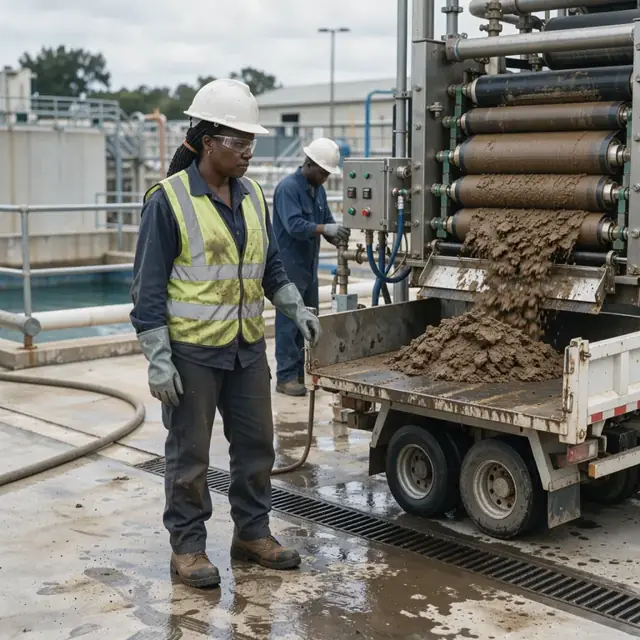
Biosolids and Residuals Manager
Convert digester and dewatering data into hauling schedules, manifests and annual land-application reports.
Works in: Ambitious Tasks, Ambitious Sheets, Ambitious Docs · Workflows: Biosolids processing and hauling
Automates
- Calculates daily solids production and polymer needs
- Schedules dewatering and truck loads
- Prepares manifests and nutrient application records
- Tracks storage and land-application capacity
- Drafts the annual biosolids report
Stops for a person
- The operator in charge verifies pathogen and vector reduction calculations
- The manager approves all hauling contracts and land-application sites
- Regulatory filings are signed by a responsible person

Chemical and Inventory Tracker
Track daily chemical consumption, maintain reorder points and prepare purchase documentation for treatment chemicals and consumables.
Works in: Ambitious Sheets, Ambitious Tasks, Ambitious Docs · Workflows: Chemical and consumables inventory
Automates
- Calculates usage rates from feed data and tank levels
- Generates reorder lists by supplier and chemical type
- Maintains safety data sheet files and inspection logs
- Forecasts seasonal chemical demand
Stops for a person
- Purchasing and spending are approved only by authorized personnel
- Hazardous chemical deliveries are received and verified by trained staff

Maintenance and Asset Dispatcher
Generate weekly preventive maintenance tasks, track work orders and schedule equipment inspections and repairs.
Works in: Ambitious Tasks, Ambitious Sheets, Process Optimizer · Workflows: Preventive maintenance and repair dispatch
Automates
- Pulls the weekly PM schedule from asset records
- Assigns tasks with required safety procedures
- Tracks completed work and parts consumed
- Updates run hours and calibration due dates
- Flags assets approaching major service intervals
Stops for a person
- Licensed operators perform and sign off on all maintenance that affects treatment performance
- Lockout-tagout and confined-space permits are issued and closed by qualified personnel
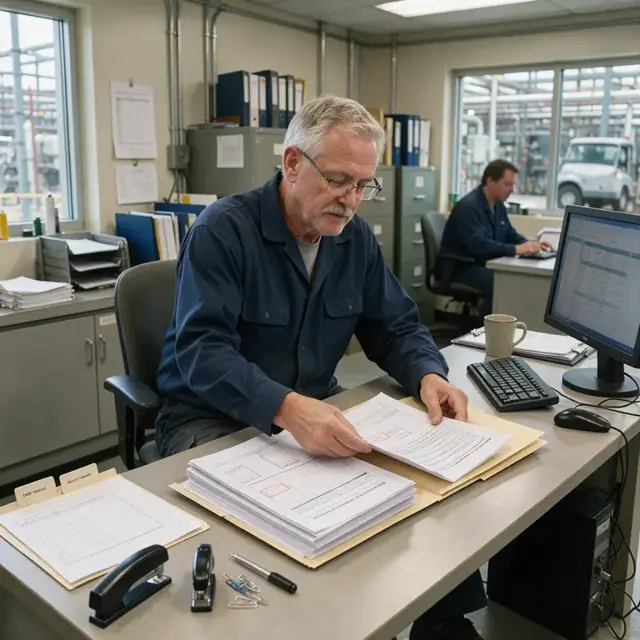
Regulatory Reporting Clerk
Assemble data packages, draft permit reports and maintain the master compliance calendar for all regulatory filings.
Works in: Ambitious Docs, Ambitious Sheets, Ambitious Tasks · Workflows: Permit tracking and regulatory reporting
Automates
- Compiles sampling, flow and operations data into report templates
- Drafts monthly, quarterly and annual regulatory reports
- Tracks all permit expiration and renewal dates
- Organizes supporting calculations and records
- Maintains the plant-wide compliance calendar
Stops for a person
- The plant manager and engineer review every draft report
- All submissions are approved and electronically signed by the responsible licensed operator or manager
- People confirm that every regulatory requirement is satisfied before filing
Workflows
Influent flow and load monitoring
Starts when: Continuous SCADA data feed and daily operator rounds
- Pull real-time flow, rainfall and industrial discharge data into daily averages and peaks
- Compare current loading to historical and permit limits for BOD, TSS and ammonia
- Flag wet-weather or high-strength events that require operational adjustments
- Generate daily operations log with trends and anomalies
- Create a task for the operator to review any exceedance
Watch for: Industrial users may send batch discharges that spike loadings without warning; Flow meters must be calibrated on a set schedule
Daily treatment process scheduling
Starts when: Start of each shift and after any flow excursion
- Review current influent characteristics and tank levels
- Set target return activated sludge, waste activated sludge and chemical feed rates
- Schedule blower run times, mixer schedules and pump sequences for the biological process
- Adjust disinfection contact time or UV intensity based on flow and turbidity
- Produce a shift handover sheet with setpoints and watch points
Watch for: Nitrification and denitrification zones must stay in balance to meet ammonia and nitrate limits; Aeration energy is a major cost that must be optimized without compromising treatment
Regulatory sampling and lab coordination
Starts when: Fixed weekly, monthly, quarterly and annual permit dates plus 24-hour composite triggers
- Generate the sampling schedule and required parameters for each location
- Create chain-of-custody forms and labels for each sample
- Track sample results against permit limits
- Draft the monthly discharge monitoring report from validated lab data
- Flag any permit excursion for immediate operator and manager review
Watch for: Samples must be collected at exact times and locations specified in the permit; Laboratory accreditation and method detection limits are required for compliance
Biosolids processing and hauling
Starts when: Daily digester and dewatering data plus monthly land-application windows
- Calculate daily sludge production, volatile solids reduction and polymer dose
- Schedule dewatering equipment run times and truck loading
- Prepare manifests, land-application records and nutrient loading calculations
- Track remaining storage capacity at the plant and at approved land sites
- Draft the annual biosolids report
Watch for: Biosolids must meet Class B or Class A pathogen and vector attraction reduction requirements; Hauling and land application are weather and crop dependent
Chemical and consumables inventory
Starts when: Weekly and when usage spikes
- Track daily usage of coagulants, polymers, chlorine, sodium bisulfite and odor scrubber chemicals
- Compare consumption against tank levels and reorder points
- Draft purchase orders by supplier for bulk and drum deliveries
- Maintain safety data sheets and secondary containment inspection logs
- Forecast seasonal demand for wet-weather polymers and disinfection chemicals
Watch for: Many chemicals are hazardous and require specific storage, spill and safety protocols; Delivery must be scheduled to avoid running out during peak treatment periods
Preventive maintenance and repair dispatch
Starts when: Weekly PM schedule and equipment alarms
- Pull the weekly preventive maintenance list from the asset database
- Assign tasks to operators or outside contractors with lockout-tagout requirements
- Track completed work orders and parts used
- Update equipment run-hour meters and calibration due dates
- Flag critical assets that are nearing inspection or overhaul intervals
Watch for: Confined-space entry, electrical and mechanical permits are required for many tasks; Downtime on a critical pump or blower can force bypass or violation
Permit tracking and regulatory reporting
Starts when: Monthly, quarterly, annual and renewal dates
- Compile data from sampling, flow and operations logs into required reports
- Draft NPDES discharge monitoring reports, biosolids annual reports and industrial pretreatment reports
- Track expiration dates for the main NPDES permit, pretreatment program, air permits and solid waste permits
- Organize renewal application documents and supporting calculations
- Maintain a master compliance calendar
Watch for: Regulatory agencies require electronic reporting through specific portals; Any late or incomplete report can trigger enforcement action
Bot templates for this industry
- Sewage Treatment Facilities (7 bots)
Source: U.S. Small Business Administration, Office of Size Standards, Table of Small Business Size Standards Matched to North American Industry Classification System Codes, version March 2023 (effective 2023-03-17, NAICS 2022). Size standards are shown for reference only.