

Water and Sewer Line and Related Structures Construction
Firms in this industry install, repair and replace underground water mains, sewer lines, storm drains, lift stations and related structures such as manholes, vaults and pump stations. Projects range from residential service laterals to municipal transmission lines. The specialists convert bid documents and notices into permitted work plans, turn plan measurements into material orders and inventory updates, sequence crews and equipment around locates, shutdowns and inspections, track change orders against progress payments, and assemble as-built records with all required test reports and closeout paperwork. All final sign-offs, payments, regulatory filings and stamped documents remain with licensed operators, project managers and engineers.
What makes this business different
- Utility locates, one-call tickets and excavation permits that must be secured and current before any digging begins
- Trench safety, confined-space entry permits, dewatering plans, traffic-control plans and SWPPP requirements updated daily or per segment
- Coordination with municipalities, water districts, sewer authorities and environmental agencies for shutdowns, tie-ins and inspections
- Material traceability for pipe, fittings, valves, hydrants and bedding aggregate including mill certs, heat numbers and batch tickets
- Mandatory inspection hold points for bedding, pipe placement, compaction, pressure testing, mandrel testing and CCTV
- Heavy equipment such as excavators, backhoes, shoring boxes, vacuum trucks, CCTV trucks and generators that must be dispatched, tracked and maintained
- Change orders, force-account daily tickets and progress payments calculated by linear feet installed or station numbers
- As-built drawings with GPS data, O&M manuals, warranties, lien waivers and agency acceptance letters delivered at project closeout
Specialist bots
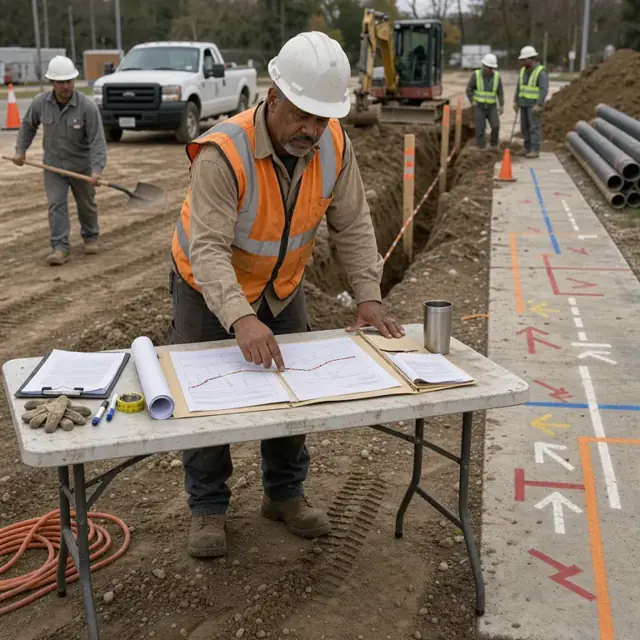
Permit and Locate Coordinator
Convert new contract awards and service requests into filed permits, one-call tickets and cleared locate packages.
Works in: Ambitious Tasks, Ambitious Docs, Email Buckets · Workflows: Permit and utility locate intake
Automates
- Reads contract documents and extracts project limits, scope and station numbers
- Pre-fills and submits 811 one-call tickets and agency permit applications
- Tracks expiration dates, mark-clear times and renewal triggers
- Maintains a master permit checklist with all agency contacts
Stops for a person
- Project manager reviews and signs every permit application before submission
- Field crew visually confirms locate marks on the ground before digging
- Licensed operator or project manager approves any requested variances

Material Takeoff and Ordering Specialist
Produce accurate bills of materials from construction plans and generate supplier orders while tracking yard inventory and material certifications.
Works in: Ambitious Sheets, Ambitious Docs, Ambitious Tasks · Workflows: Material takeoff and ordering
Automates
- Measures lengths, station numbers and component counts from plan sheets
- Applies project specifications to build the bill of materials
- Subtracts current inventory and drafts purchase orders by supplier
- Logs mill certifications, heat numbers and batch tickets as materials arrive
Stops for a person
- Senior estimator verifies complex fittings, pressure classes and joint types
- Project manager approves all purchase orders and expenditures
- Field foreman confirms delivered quantities and material condition on site

Crew and Equipment Dispatcher
Assign daily crews, excavators, shoring, vacuum trucks and traffic-control resources to specific work segments while respecting permit and inspection windows.
Works in: Construction Scheduler, Ambitious Tasks, Ambitious Docs · Workflows: Daily crew and equipment scheduling
Automates
- Reviews cleared permits, locate tickets and weather before building the daily plan
- Assigns personnel and equipment by station number or segment
- Blocks schedule time for required inspections and utility shutdowns
- Distributes the daily work plan to all foremen
Stops for a person
- Superintendent adjusts assignments based on actual crew availability and site conditions
- Foremen confirm all required permits and locate tickets are current before mobilization
- A person approves any overtime, equipment changes or scope deviations
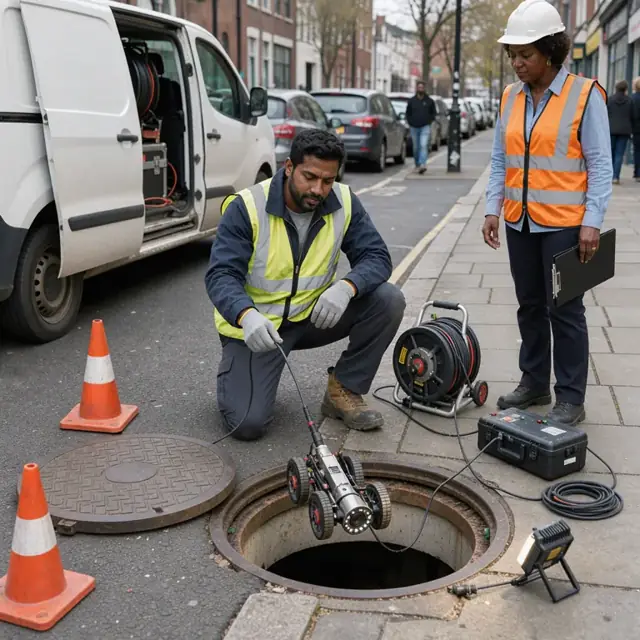
Inspection and Testing Coordinator
Schedule municipal, engineer and third-party inspections at each hold point and compile all test results and sign-off documentation.
Works in: Ambitious Tasks, Ambitious Docs, Ambitious Sheets · Workflows: Inspection and testing coordination
Automates
- Notifies inspectors with the exact required advance notice period
- Assembles compaction tests, pressure-test charts, deflection logs and CCTV videos
- Tracks punch-list items through to completion
- Attaches all signed reports and photos to the central project file
Stops for a person
- Project manager reviews test data and documentation before submission
- Field crew performs and records the actual field tests and measurements
- Agency inspector or engineer of record performs the final acceptance

Change Order and Force-Account Tracker
Document field changes, prepare change-order packages and track daily force-account costs against the contract terms.
Works in: Ambitious Docs, Ambitious Sheets, Ambitious Tasks · Workflows: Change order and force-account tracking
Automates
- Pulls station numbers, photos and measurements into change descriptions
- Builds cost breakdowns using approved contract unit prices and rates
- Logs daily force-account labor, equipment and material tickets
- Updates the master budget and schedule forecasts
Stops for a person
- Project manager and owner approve all change orders before extra work begins
- Superintendent verifies daily extra-work tickets directly on site
- Accounting confirms final quantities align with progress payment applications

As-Built and Closeout Specialist
Assemble as-built drawings, test reports, warranties, lien waivers and permit closeouts for final project delivery and payment release.
Works in: Ambitious Docs, Ambitious Sheets, Ambitious Tasks · Workflows: As-built documentation and project closeout
Automates
- Merges red-line markups, survey data and GPS coordinates into as-built files
- Compiles O&M manuals, warranties and lien waivers
- Calculates final installed quantities for payment and retainage release
- Tracks receipt of all required agency acceptance letters
Stops for a person
- Registered professional engineer reviews, stamps and signs the as-built drawings
- Project manager verifies completeness of all deliverables before submission
- Owner or agency issues final acceptance and releases retainage

Trench Safety and Compliance Clerk
Maintain daily trench-safety checklists, confined-space permits, dewatering logs, SWPPP records and environmental compliance documentation.
Works in: Ambitious Tasks, Ambitious Docs, Ambitious Sheets · Workflows: Trench safety and environmental compliance
Automates
- Generates daily competent-person trench and shoring checklists
- Logs atmospheric test results, confined-space entry permits and dewatering data
- Tracks due dates for permit renewals and BMP inspections
- Maintains current inventory and inspection logs for erosion-control materials
Stops for a person
- Competent person on site performs, documents and approves each daily inspection
- Project manager confirms which local environmental and safety rules apply
- All corrective actions, regulatory filings and permit renewals are completed by licensed personnel
Workflows
Permit and utility locate intake
Starts when: New contract award or emergency service request received
- Extract project limits, addresses, station numbers and scope from bid documents and plans
- Submit 811 one-call tickets for all underground utilities in the work zone
- Prepare and file excavation, encroachment, traffic-control and dewatering permit applications with the correct municipal or state agencies
- Track expiration dates, mark-clear times and any required stamped drawings
- Create a master permit task listing all agency contacts, requirements and renewal triggers
Watch for: Some jurisdictions require 72-hour advance notice and engineer-stamped plans; Emergency repairs require after-the-fact documentation and notification
Material takeoff and ordering
Starts when: Approved plans or revised drawings received
- Measure linear feet, station numbers, counts of fittings, valves, manholes and structures from plan sheets
- Apply project specifications for pipe material class, joint type, pressure rating, bedding and backfill aggregate
- Generate bill of materials and subtract current yard and jobsite inventory
- Draft purchase orders by supplier with delivery dates matched to the construction schedule
- Log incoming delivery confirmations, heat numbers, mill certifications and batch tickets
Watch for: Pipe, valves and special fittings often carry long lead times and must arrive before the trench is open; Owner-furnished materials must be tracked separately from contractor-supplied items
Daily crew and equipment scheduling
Starts when: Each morning or after daily permit and locate clearance
- Review all open tasks, current locate tickets, weather forecast and safety requirements
- Assign specific crews, excavators, shoring, vacuum trucks and traffic-control devices to station numbers or segments
- Block schedule windows for mandatory inspections, shutdowns and tie-ins
- Distribute daily work plans to foremen and update the master construction schedule
- Flag any tasks needing confined-space entry or active traffic-control permits
Watch for: Utility shutdowns are granted only in narrow approved time windows; No work can begin without a valid locate ticket less than 30 days old
Inspection and testing coordination
Starts when: When each pipeline segment or structure reaches an inspection hold point
- Notify the municipal inspector, engineer or third-party tester with the required 24-48 hour advance notice
- Compile all supporting documentation including compaction tests, deflection logs, pressure-test charts and CCTV videos
- Record inspector sign-offs, punch-list items or corrective actions required
- Schedule and track any necessary re-inspections
- Attach all signed reports, photos and test results to the digital project record
Watch for: Pressure tests, mandrel tests and CCTV inspections must pass before backfill can occur; Certain agencies require independent third-party special inspectors
Change order and force-account tracking
Starts when: Field conditions differ from plan or owner directs additional work
- Document existing conditions with dated photos, measurements and exact station numbers
- Draft change-order description, cost breakdown using contract unit prices and schedule impact
- Log daily force-account labor hours, equipment usage and materials on approved tickets
- Submit package for approval and update the master budget and schedule
- Revise subsequent material takeoffs and crew assignments
Watch for: Many public contracts require written pre-approval before proceeding with extra work; Equipment rates, labor burdens and markups must exactly match contract terms
As-built documentation and project closeout
Starts when: Substantial completion or final punch-list clearance
- Collect all daily field notes, red-line markups, survey data and GPS coordinates
- Draft as-built drawings showing actual installed locations, depths, materials and stationing
- Compile O&M manuals, equipment warranties, lien waivers, test reports and permit closeouts
- Calculate final installed quantities for payment applications and retainage release
- Submit complete package and track agency acceptance letters
Watch for: GPS coordinates of all valves, fittings, manholes and structures are frequently required; Final acceptance letters from all involved agencies must be obtained before final payment
Trench safety and environmental compliance
Starts when: Daily before work begins and on permit renewal dates
- Generate daily trench-safety and competent-person checklist covering shoring, sloping, spoils placement, egress and spoil distance
- Log confined-space atmospheric testing results and entry permits
- Track dewatering discharge permits, turbidity sampling and erosion-control measures
- Monitor expiration dates for SWPPP, dust-control, noise and street-use permits
- Maintain inventory and inspection logs for all BMP erosion-control materials on site
Watch for: Daily competent-person inspections are mandatory under OSHA and state rules; Environmental and safety regulations differ by state and local agency
Bot templates for this industry
Source: U.S. Small Business Administration, Office of Size Standards, Table of Small Business Size Standards Matched to North American Industry Classification System Codes, version March 2023 (effective 2023-03-17, NAICS 2022). Size standards are shown for reference only.