

Oil and Gas Pipeline and Related Structures Construction
Pipeline and station builders take right-of-way plans, dig and weld pipe segments, install valves and fittings, then backfill and restore land. For a crew that welds steel transmission lines and builds compressor stations, the specialists turn easement and engineering drawings into permitted work packages, daily dig and weld schedules, material takeoffs into procurement lists, and as-builts into closeout documentation. Weld procedures, pressure testing, environmental permits and safety plans stay with the superintendent and inspectors.
What makes this business different
- Right-of-way and easement documents that must be acquired or verified before any ground disturbance
- Federal, state and local permits including environmental, crossing and road-use permits with strict inspection windows
- Material traceability: every joint of pipe, valve and fitting must have heat numbers and mill certs logged
- Welding procedures qualified to specific codes with welder qualifications tracked daily
- Hydrostatic or pneumatic pressure testing with hold periods and documented results
- Daily safety tailboards, trench shoring inspections, environmental controls and erosion measures
- Landowner notifications, traffic control and restoration requirements that vary by segment
- As-built drawings, red-line markups and final documentation packages for handover to the owner
Specialist bots
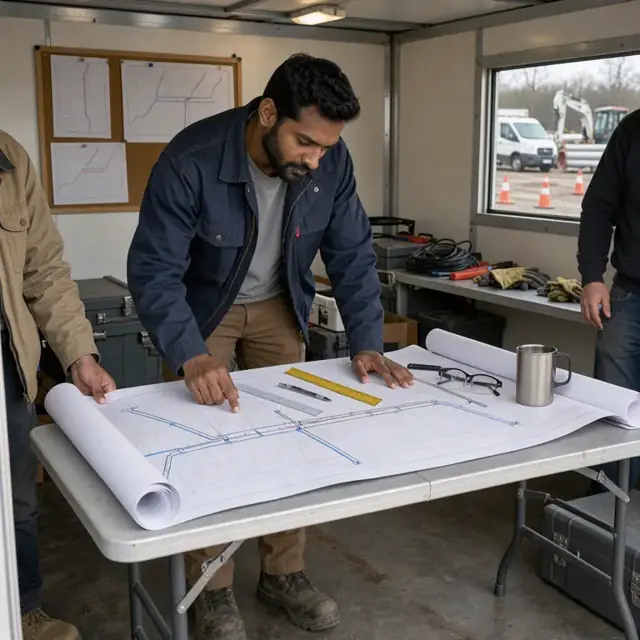
Permit and Easement Coordinator
Convert engineering plans into complete permit applications, track approvals and maintain compliance calendars.
Works in: Ambitious Docs, Ambitious Tasks, Ambitious Sheets · Workflows: Permit and easement acquisition
Automates
- Extracts permit triggers from alignment sheets
- Populates application forms with project data
- Monitors expiration and renewal dates
- Drafts landowner notification letters
- Compiles condition checklists for field crews
Stops for a person
- The project manager reviews and signs every submission
- Environmental and legal teams confirm sensitive permit language
- People obtain wet signatures and deliver applications in person when required

Materials and Traceability Specialist
Turn station and alignment drawings into accurate material orders and maintain full traceability from mill to ditch.
Works in: Ambitious Sheets, Ambitious Tasks, Ambitious Docs · Workflows: Material and equipment procurement
Automates
- Calculates pipe, coating and fitting quantities by segment
- Matches heat numbers to specification requirements
- Creates staged delivery schedules by milepost
- Logs incoming material certifications
- Flags long-lead items nearing critical path
Stops for a person
- The superintendent approves all purchase orders before they are sent
- Inspectors verify physical material against paperwork on arrival

Daily Construction Scheduler
Build each day's permitted work sequence incorporating crew availability, weather and landowner constraints.
Works in: Construction Scheduler, Ambitious Tasks, Ambitious Sheets · Workflows: Daily construction and weld schedule
Automates
- Pulls permitted segments for the day
- Assigns sequential tasks to spread crews
- Incorporates environmental and safety constraints
- Generates daily tailboard topic lists
- Updates progress against the baseline schedule
Stops for a person
- The superintendent adjusts crew assignments and approves the daily plan
- Safety officer confirms trench protection and traffic control measures
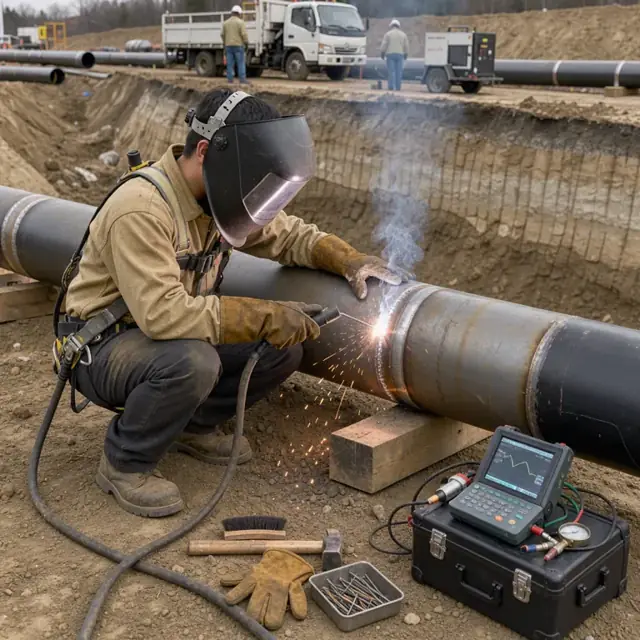
Welding and NDT Coordinator
Record every weld, schedule nondestructive testing and maintain welder qualification and procedure logs.
Works in: Ambitious Tasks, Ambitious Sheets, Ambitious Docs · Workflows: Welding and nondestructive testing coordination
Automates
- Assigns joint numbers and welder stamps
- Schedules radiographic crews by completed weld count
- Logs test results and repair tracking
- Monitors welder certification expiration dates
- Maintains qualified welding procedure database
Stops for a person
- Certified welding inspectors review and sign every test report
- The chief inspector approves all repair procedures

Pressure Test Coordinator
Prepare test plans, log live readings and compile complete pressure test documentation packages.
Works in: Ambitious Docs, Ambitious Sheets, Ambitious Tasks · Workflows: Pressure test and commissioning
Automates
- Generates test plans from segment design data
- Tracks calibrated gauge certificates
- Records pressure and temperature at required intervals
- Flags anomalies that require investigation
- Assembles all supporting test records
Stops for a person
- The project engineer reviews and signs every completed test report
- Owner's representative witnesses critical hold periods
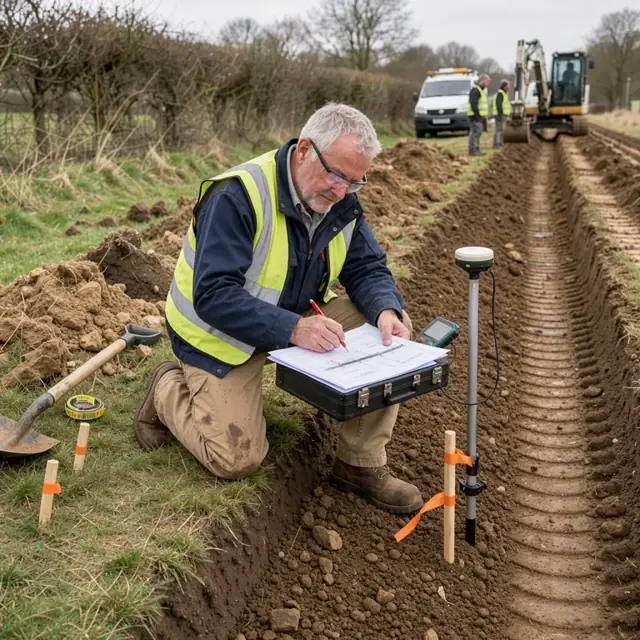
As-Built Documentation Specialist
Collect field red-lines, update drawings and assemble complete turnover documentation packages.
Works in: Ambitious Docs, Ambitious Sheets, Ambitious Tasks · Workflows: As-built and closeout documentation
Automates
- Transfers red-line markups into digital alignment sheets
- Compiles weld and material traceability records
- Organizes permit closeout forms
- Assembles landowner release documentation
- Prepares final as-built submission packages
Stops for a person
- The project manager and chief inspector approve all as-builts before submission
- Owner verifies GPS coordinates and final restoration photos
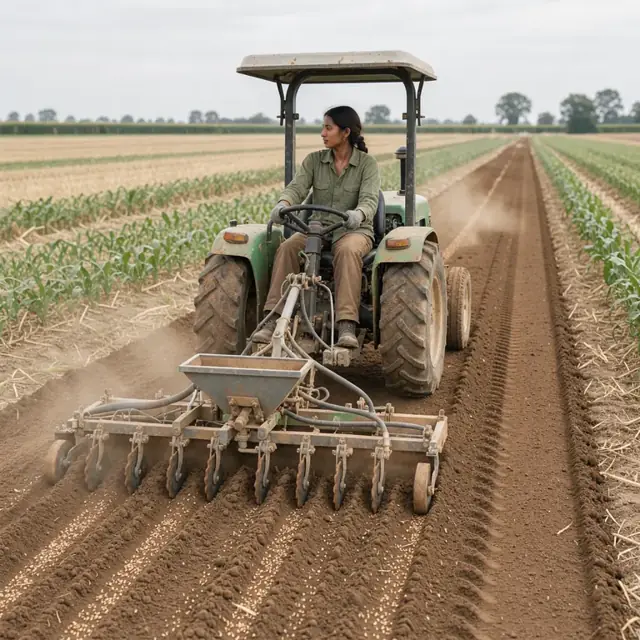
Landowner Notification and Restoration Coordinator
Draft and track all landowner communications, schedule restoration and obtain final releases.
Works in: Ambitious Docs, Ambitious Tasks, Email Buckets · Workflows: Landowner notification and restoration
Automates
- Generates pre-construction and restoration notices
- Schedules meetings according to easement terms
- Tracks damage claims and resolutions
- Coordinates seeding and erosion control timelines
- Prepares release documents for signature
Stops for a person
- The right-of-way agent approves every letter before sending
- Field supervisors confirm restoration meets landowner expectations before final sign-off
Workflows
Permit and easement acquisition
Starts when: New project award or notice to proceed
- Extract required permits from engineering and environmental reports
- Draft applications for federal, state, county and municipal permits
- Track landowner easement status and draft notification letters
- Monitor expiration dates and renewal requirements
- Compile permit packages with conditions for field use
Watch for: Some permits require pre-construction surveys or cultural resource clearances; Crossing permits for roads, railroads and waterways have tight windows
Material and equipment procurement
Starts when: After permit approval and weekly during construction
- Generate material takeoff from alignment sheets and station drawings
- Match heat numbers and certifications to project specifications
- Create purchase orders and delivery schedules by spread or station
- Track deliveries against laydown yard inventory
- Flag long-lead items such as valves, fittings and coating materials
Watch for: Pipe and coating must arrive staged by milepost; Traceability records must follow every piece into the ditch
Daily construction and weld schedule
Starts when: Each morning before shift
- Pull today's permitted segments and approved work areas
- Assign crews to ditch, weld, coat, lower-in and backfill tasks
- Incorporate weather, landowner access and environmental constraints
- Produce tailboard topics and required safety equipment list
- Update progress on alignment sheets for the superintendent
Watch for: Welders can only work on qualified procedures for that pipe grade; Trench safety and cave-in protection must be verified before entry
Welding and nondestructive testing coordination
Starts when: After each welding crew completes a joint
- Record welder stamp, procedure and joint number
- Schedule radiographic or ultrasonic testing
- Log test results and repair requirements
- Track welder qualification expiration dates
- Maintain continuity of qualified welding procedures
Watch for: Zero tolerance for undocumented welds; Repairs must be retested and documented before coating
Pressure test and commissioning
Starts when: When a segment or station is complete and ready for test
- Draft test plan with hold times and acceptance criteria
- Track gauge calibrations and test medium disposal permits
- Log pressure and temperature readings during test
- Compile test report with all supporting documentation
- Prepare punch list for any leaks or anomalies
Watch for: Test boundaries must match permit and design limits; All instruments must be certified and in date
As-built and closeout documentation
Starts when: After backfill and restoration of each spread
- Collect red-line markups from field crews
- Update alignment sheets with actual locations and depths
- Compile material traceability records and weld logs
- Assemble permit closeout forms and landowner release documents
- Draft final documentation package for owner handover
Watch for: GPS coordinates of every weld and feature must be recorded; Environmental restoration photos and reports are required
Landowner notification and restoration
Starts when: Before construction enters each property and after backfill
- Draft pre-construction and restoration notices per easement terms
- Schedule pre-construction meetings with landowners
- Track damage claims and resolution status
- Coordinate final grading, seeding and erosion control
- Obtain landowner release signatures when restoration is complete
Watch for: Crop damage and timing restrictions vary by landowner; All communications must be documented for legal protection
Bot templates for this industry
Source: U.S. Small Business Administration, Office of Size Standards, Table of Small Business Size Standards Matched to North American Industry Classification System Codes, version March 2023 (effective 2023-03-17, NAICS 2022). Size standards are shown for reference only.