

Poured Concrete Foundation and Structure Contractors
Poured concrete foundation and structure contractors bid on residential and commercial jobs, pour footings, walls, slabs and structural elements, coordinate with site prep and framing crews, and manage concrete suppliers, testing labs and inspections. For a crew that pours residential foundations and garage slabs, the specialists turn bid requests into priced estimates, estimates into schedules and material orders, schedules into daily pour plans, and completed pours into as-builts, invoices and lien paperwork. Mix designs, curing requirements, weather decisions and safety protocols stay with the foreman and crew.
What makes this business different
- Site-specific bids that factor soil conditions, frost lines, rebar schedules, anchor bolts and access constraints
- Tight sequencing with excavation, plumbing, electrical rough-in and framing trades
- Concrete orders placed by cubic yard with mix design, slump, air entrainment and additives specified per pour
- Weather-dependent pours: heat, cold, rain or wind can cancel or require additives and protection
- Third-party testing for slump, air content, cylinders and in-place strength before backfill or framing
- Permit cards, daily safety meetings, OSHA excavation and concrete safety logs, and local building department inspections
- Equipment tracking for pumps, conveyors, vibrators, forms, finish tools and curing blankets
- Change orders, progress billing, conditional lien waivers and final releases
Specialist bots
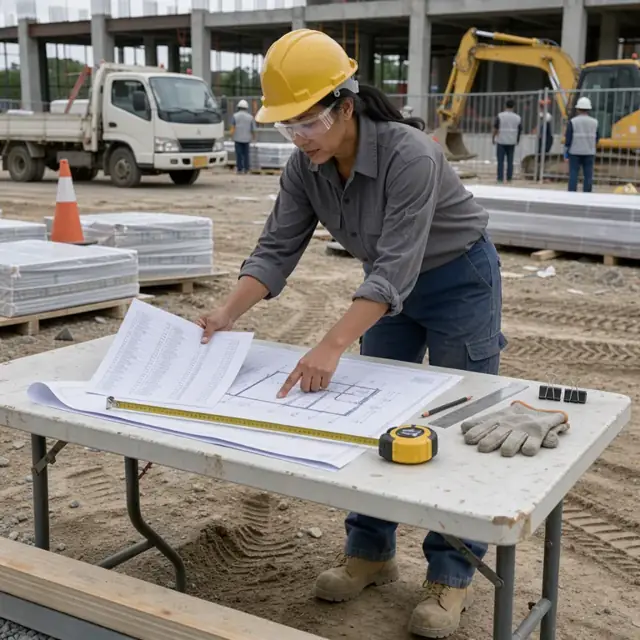
Concrete Estimator
Convert structural plans into accurate concrete, rebar and labor quantities with priced proposals.
Works in: Ambitious Sheets, Ambitious Docs, Ambitious Tasks · Workflows: Bid and estimate preparation
Automates
- Extracts dimensions and calculates volumes and linear feet
- Applies unit costs and productivity rates
- Builds line-item estimates and proposal drafts
- Flags missing information for the foreman
Stops for a person
- The foreman reviews and adjusts all bids before sending
- A person signs and submits the final proposal

Project Scheduler
Build and maintain the master schedule, lookahead and trade coordination calendar.
Works in: Construction Scheduler, Ambitious Tasks, Email Buckets · Workflows: Job scheduling and trade coordination
Automates
- Places new jobs on the calendar with dependencies
- Reserves concrete delivery and testing dates
- Generates seven-day lookaheads
- Drafts coordination messages to other trades
Stops for a person
- The foreman approves all schedule changes and weather calls
- A person confirms final concrete order quantities
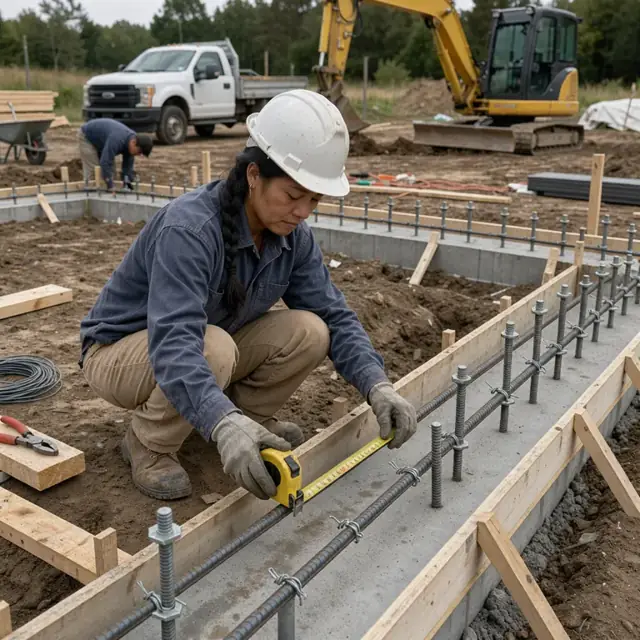
Concrete Order Coordinator
Convert scheduled pours into precise ready-mix orders and track on-site material inventory.
Works in: Ambitious Tasks, Ambitious Sheets, Ambitious Docs · Workflows: Concrete and material ordering
Automates
- Calculates final yardage with waste factor
- Specifies mix design and additives per pour
- Drafts supplier purchase orders
- Updates form, rebar and curing supply counts
Stops for a person
- The foreman confirms mix design and delivery time
- A person places the actual order with the supplier

Pour Day Supervisor
Run pre-pour checklists, log truck tickets and testing results, and document placement and curing.
Works in: Ambitious Tasks, Ambitious Docs, Ambitious Sheets · Workflows: Pour-day execution and quality control
Automates
- Generates the daily pre-pour safety and quality checklist
- Logs each truck ticket, slump and cylinder set
- Timestamps placement and finishing steps
- Compiles the daily report with test data
Stops for a person
- The foreman decides whether to place concrete or call off the pour
- Crew members perform and sign off on all physical placement and finishing
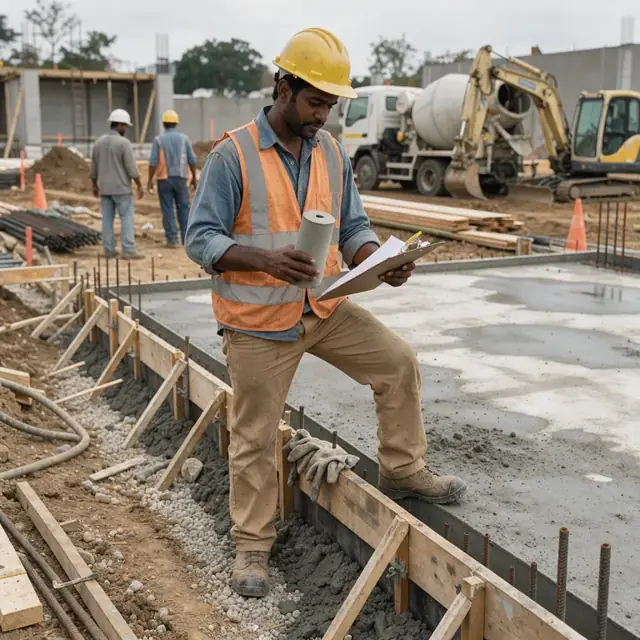
Inspection and Compliance Clerk
Schedule inspections, compile test reports and prepare lien waivers and closeout documents.
Works in: Ambitious Docs, Ambitious Tasks, Contract Analyzer · Workflows: Inspection, testing and job closeout, Billing, lien and compliance paperwork
Automates
- Tracks inspection and test due dates
- Assembles cylinder reports and as-built measurements
- Drafts conditional and unconditional lien waivers
- Organizes permit cards and safety logs
Stops for a person
- The owner reviews and signs every waiver, invoice and document sent to customers or agencies
- People confirm all building department approvals before backfill

Equipment and Tool Manager
Track hours, maintenance and cleaning of pumps, forms, vibrators and all concrete tools.
Works in: Ambitious Sheets, Ambitious Tasks, Process Optimizer · Workflows: Equipment and tool maintenance
Automates
- Logs equipment usage hours after each job
- Creates recurring maintenance and cleaning tasks
- Tracks consumable inventory levels
- Flags tools needing repair
Stops for a person
- Mechanics perform actual repairs and sign off
- The foreman verifies equipment is clean and ready for the next pour
Workflows
Bid and estimate preparation
Starts when: A general contractor or homeowner sends plans or a request for quote
- Review architectural and structural drawings for foundation details
- Measure and quantify concrete volumes, rebar, forms, embeds and labor hours
- Apply local material costs, equipment rates and crew productivity
- Draft a line-item proposal with exclusions and assumptions
- Create a bid task with all supporting calculations
Watch for: Soil reports and geotechnical recommendations must be incorporated; Alternate foundation types may be suggested when cost or schedule drives value
Job scheduling and trade coordination
Starts when: Contract is signed or notice to proceed received
- Enter job into master schedule with excavation, plumbing and framing dates
- Reserve concrete supplier, testing lab and any pump or conveyor
- Confirm permit issuance and inspection windows
- Build a seven-day lookahead for the crew and subs
- Send coordination messages to all trades
Watch for: Concrete must be scheduled within supplier lead times and daylight hours; Backfill cannot occur until concrete reaches required strength
Concrete and material ordering
Starts when: 48-72 hours before scheduled pour
- Calculate final cubic yards from form dimensions and waste factor
- Specify exact mix design, slump, air, admixtures and temperature requirements
- Draft purchase order to ready-mix supplier and testing lab
- Confirm delivery window, pump or chute needs and on-site contact
- Update inventory of forms, rebar, anchor bolts and curing supplies
Watch for: Last-minute volume changes must be approved by the foreman; Cold or hot weather additives are ordered only when forecast requires them
Pour-day execution and quality control
Starts when: Morning of scheduled concrete placement
- Run pre-pour checklist for forms, rebar placement, embeds, grade and safety
- Coordinate arrival of trucks, pump and testing technician
- Log each truck ticket, slump, air and cylinder set
- Track placement, finishing and curing start times
- Draft daily report with photos and test results
Watch for: Placement must stop if weather changes or test results fail; Curing blankets or insulation must be applied before crew leaves
Inspection, testing and job closeout
Starts when: Concrete reaches required strength or inspection due date
- Schedule building department or special inspector visit
- Compile cylinder break reports, field logs and as-built measurements
- Draft conditional lien waiver and progress billing
- Update job file with signed inspection cards and test results
- Flag any punch list items for the next trade
Watch for: No backfill or framing until official approval is received; Final unconditional waivers are issued only after full payment
Equipment and tool maintenance
Starts when: Weekly and after each major pour
- Log hours on pumps, vibrators, trowel machines and generators
- Create maintenance tasks for cleaning, lubrication and blade changes
- Track form cleaning, repair and inventory
- Order consumables such as curing compound, release agent and tie wire
- Flag any equipment needing repair before next job
Watch for: Concrete residue must be removed before it hardens on equipment; Safety tags and lockout procedures are followed by the crew
Billing, lien and compliance paperwork
Starts when: End of each billing period and job closeout
- Generate progress invoice from completed quantities
- Prepare conditional lien waivers for all subs and suppliers
- Track retention and release schedule
- File preliminary notices and final releases with county recorder
- Archive all safety, test and inspection records
Watch for: Billing deadlines are often tied to general contractor pay apps; The owner must sign every document sent to the customer or county
Bot templates for this industry
Source: U.S. Small Business Administration, Office of Size Standards, Table of Small Business Size Standards Matched to North American Industry Classification System Codes, version March 2023 (effective 2023-03-17, NAICS 2022). Size standards are shown for reference only.