

Other Foundation, Structure, and Building Exterior Contractors
These contractors handle specialized site and building exterior work including concrete foundations, structural steel erection, masonry, waterproofing, caulking, and exterior cladding. For a crew that pours footings, sets rebar, forms and pours walls then applies waterproofing and siding, the specialists turn bid documents into schedules, material orders and task lists; track daily inspections and weather windows; and keep permits, submittals and as-builts organized. The field crew decides on site conditions and quality.
What makes this business different
- Site-specific conditions that require daily weather, soil and access checks before any work can begin
- Sequenced trades with concrete, steel, masonry and waterproofing crews that must not overlap unsafely
- Material orders with long lead times for rebar, concrete mixes, sealants and cladding panels
- Daily safety and quality inspections plus photo documentation of every pour, weld and membrane
- Local building permits, special inspections, erosion control plans and stormwater permits that vary by jurisdiction
- Equipment and tool inventories that move between multiple active sites each week
- Change orders and back-charges that must be documented with photos, measurements and signed approvals before billing
Specialist bots
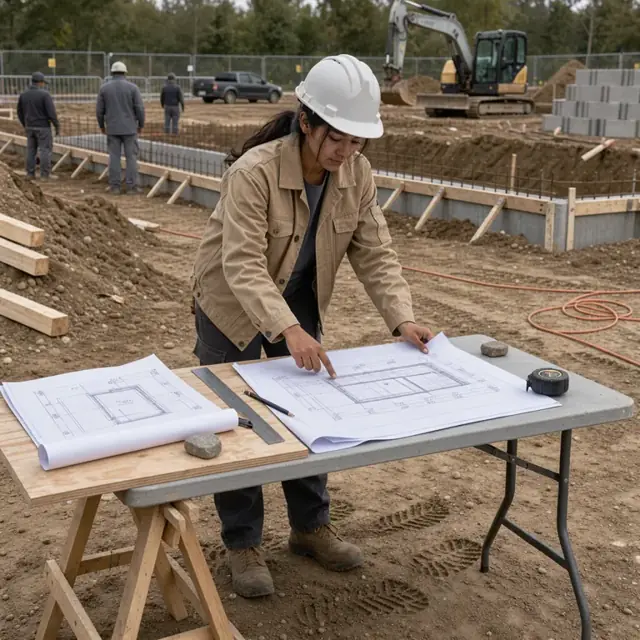
Contract and Schedule Builder
Turn signed contracts and plans into a detailed job schedule, task list and submittal register.
Works in: Ambitious Docs, Ambitious Sheets, Process Optimizer · Workflows: Bid review to job schedule creation
Automates
- Extracts dates, scopes and inspection requirements from contract documents
- Builds phased schedule with dependencies
- Creates submittal and permit trackers
- Generates initial crew and equipment needs list
Stops for a person
- The owner reviews and adjusts schedule logic and resource loading
- Field superintendent confirms site-specific constraints before mobilization

Site Readiness Coordinator
Check weather, access and inspector availability each morning to produce a daily go-no-go decision.
Works in: Ambitious Tasks, Ambitious Sheets · Workflows: Daily site readiness and weather check
Automates
- Pulls site-specific weather and soil data
- Confirms inspector and testing lab schedules
- Compares required materials against delivery confirmations
- Compiles morning site photos into a readiness report
Stops for a person
- The superintendent makes the final go or no-go call
- Any protection measures for cold or wet weather are chosen by the crew lead

Materials and Submittals Coordinator
Convert the schedule into accurate material orders, delivery tickets and submittal packages.
Works in: Ambitious Sheets, Ambitious Docs, Ambitious Tasks · Workflows: Material procurement and delivery coordination
Automates
- Calculates concrete volumes, rebar weights and sealant quantities
- Subtracts yard stock from order quantities
- Drafts purchase orders with pour dates and staging notes
- Tracks submittal status and approval deadlines
Stops for a person
- The owner approves and sends all purchase orders
- Mix designs and material substitutions are approved by the engineer of record

Inspection and Testing Tracker
Generate daily inspection checklists, log test results and compile photo documentation for every critical concrete, steel and waterproofing activity.
Works in: Ambitious Tasks, Ambitious Docs, Ambitious Sheets · Workflows: Inspection and testing coordination
Automates
- Creates task-specific checklists from the specifications
- Logs slump, air, cylinder and temperature data
- Organizes timestamped photos by activity and location
- Flags failed tests for immediate superintendent attention
Stops for a person
- The superintendent or special inspector reviews and signs every test report
- People confirm that all corrective actions meet the requirements the owner confirms

Change Order Documenter
Capture field conditions with photos and measurements then draft change orders or back-charges with supporting evidence.
Works in: Ambitious Docs, Ambitious Tasks, Ambitious Sheets · Workflows: Change order and back-charge documentation
Automates
- Attaches photos and measurements to condition descriptions
- Calculates additional labor, equipment and material costs
- Formats change order packages for approval
- Updates schedule and billing forecast when approved
Stops for a person
- The owner reviews every change order before it is sent
- The superintendent signs off on quantities and field conditions
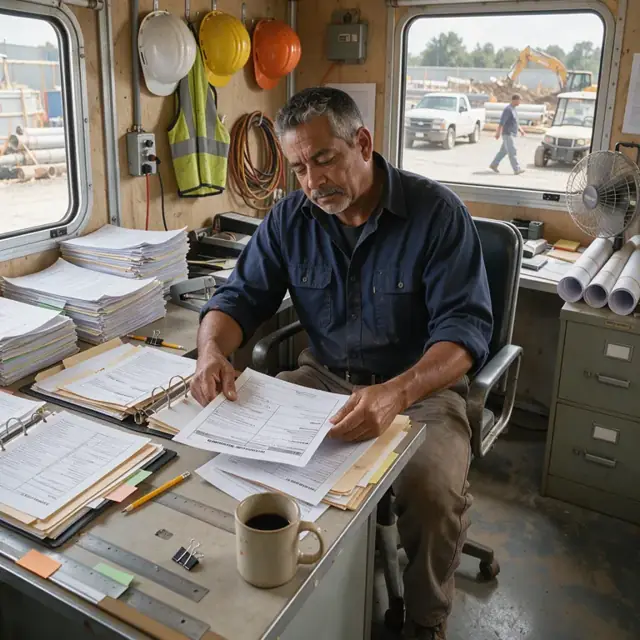
Permit and Closeout Manager
Track all permits, organize submittals, maintain as-builts and compile the final closeout package.
Works in: Ambitious Docs, Ambitious Tasks, Ambitious Sheets · Workflows: Permit, submittal and closeout management
Automates
- Lists every required permit with expiration dates
- Organizes submittal packages by specification section
- Compiles daily reports and photos into as-builts
- Generates punch lists from inspection photos
Stops for a person
- The owner confirms which local rules and permit requirements apply
- All final documents are reviewed and signed by people before filing
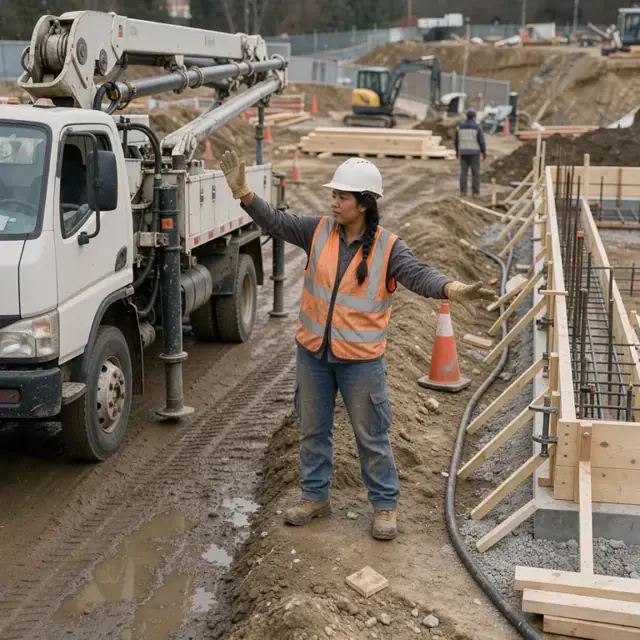
Equipment and Crew Dispatcher
Match equipment, tools and certified crews to daily tasks across multiple sites while tracking utilization and maintenance.
Works in: Ambitious Tasks, Ambitious Sheets, Construction Scheduler · Workflows: Equipment and crew dispatch
Automates
- Assigns excavators, pumps and cranes to sites based on schedule
- Creates daily tool and consumable load lists
- Routes equipment between jobs to reduce idle time
- Logs equipment hours and flags maintenance needs
Stops for a person
- The superintendent assigns specific crew members to tasks
- The owner approves any rental equipment requests
Workflows
Bid review to job schedule creation
Starts when: A signed contract or notice to proceed is received
- Extract key dates, scope items, special inspections and material requirements from the contract documents
- Build a preliminary schedule showing mobilization, excavation, forming, pouring, steel erection, waterproofing and cladding phases
- Identify long-lead items and required submittals with deadlines
- Flag required permits and pre-construction meetings
- Create site-specific task list with crew assignments and equipment needs
Watch for: Concrete pour dates must align with ready-mix supplier windows and inspector availability; Weather-sensitive steps like pours and membrane application need float built in
Daily site readiness and weather check
Starts when: Each workday at 5 AM and before crew dispatch
- Pull local weather forecast and soil moisture data for the site
- Confirm access roads are open and any required erosion controls are in place
- Check that required equipment and materials for that day's tasks are on site or arriving on time
- Verify the day's special inspector or testing lab is confirmed
- Draft a go-no-go decision with photos of current site conditions
Watch for: Pouring cannot occur below freezing or during heavy rain without owner-approved protection; Site access can be blocked by other trades or city utilities
Material procurement and delivery coordination
Starts when: After schedule is approved and weekly thereafter
- Explode schedule into concrete volume, rebar tonnage, form lumber, sealant quantities, cladding panels and fasteners
- Subtract current yard and job-site inventory
- Create purchase orders and delivery tickets with exact pour dates and staging locations
- Track material submittals and approvals
- Alert on any lead-time conflicts with the schedule
Watch for: Concrete mix designs must be pre-approved by engineer and tested on site; Structural steel and cladding often require shop drawings and fabricator coordination
Inspection and testing coordination
Starts when: Before, during and after each critical task
- Generate daily inspection checklist for rebar placement, formwork, concrete placement, weld inspection or waterproofing membrane
- Record test results, slump, air content, cylinder IDs and cure times
- Compile photo documentation of every stage with timestamps and locations
- Flag any failed tests or non-conformances for immediate correction
- Maintain running log of all special inspections for final occupancy
Watch for: Many jurisdictions require third-party special inspectors present for concrete, steel and masonry; Failed tests can stop the entire job until corrected and retested
Change order and back-charge documentation
Starts when: When a field condition differs from plans or another trade causes delay
- Capture photos, measurements and description of the differing condition
- Draft a change order or back-charge with labor, equipment and material costs
- Route for owner or GC approval with supporting documentation
- Update schedule and material orders if approved
- Add approved amounts to the next billing draw
Watch for: Extra work must be documented before it is performed to avoid disputes; Back-charges against other trades require signed acknowledgment
Permit, submittal and closeout management
Starts when: On contract award, at each phase gate and before final inspection
- Track all required permits, stormwater plans and utility locates with expiration dates
- Organize and submit product submittals, mix designs and weld procedures for approval
- Maintain as-built drawings and daily reports
- Generate punch list from site photos and inspections
- Compile closeout binder with warranties, test reports and final lien waivers
Watch for: Permit requirements differ by city and county; some require separate erosion control permits; Final occupancy cannot be granted until all special inspections are signed off
Equipment and crew dispatch
Starts when: Weekly and each morning
- Match required equipment (excavators, pumps, cranes, lifts) to active sites and schedule
- Assign crews to tasks based on certifications and experience
- Create daily load-out lists for tools, safety gear and consumables
- Route equipment between sites to minimize downtime
- Record hours and maintenance issues for each piece of equipment
Watch for: Cranes and concrete pumps often require separate permits and spotters; Equipment must be winterized or secured on sites during off days
Bot templates for this industry
Source: U.S. Small Business Administration, Office of Size Standards, Table of Small Business Size Standards Matched to North American Industry Classification System Codes, version March 2023 (effective 2023-03-17, NAICS 2022). Size standards are shown for reference only.