

Other Building Equipment Contractors
Other Building Equipment Contractors install, service and maintain specialized building systems such as elevators, escalators, conveyors, pneumatic tubes, dumbwaiters and material-handling equipment. For a crew that wins bids to install and later service commercial elevators and loading-dock lifts, the specialists turn bid documents into confirmed contracts, contracts into detailed installation schedules and material orders, and service calls into prioritized dispatch routes with parts kits. Equipment-specific manuals, safety protocols and local permit requirements stay with the licensed technicians.
What makes this business different
- Complex bids that must capture exact equipment models, capacities, power requirements and site conditions from architectural drawings
- Multi-phase installation schedules coordinated with general contractors, building owners and inspectors
- Specialized tools, rigging equipment and high-value components tracked across job sites and the shop
- Strict safety protocols, lockout-tagout procedures and manufacturer-specific installation checklists
- Local building permits, elevator inspections, electrical sign-offs and annual recertifications
- Emergency service calls that require rapid response with stocked vans and accurate parts inventory
- Repeat service contracts with building owners for monthly, quarterly or annual maintenance visits
- Documentation of every torque specification, electrical test and safety test for liability records
Specialist bots

Bid and Estimating Coordinator
Turn incoming requests for proposal into accurate, complete bids with correct equipment specifications.
Works in: Ambitious Docs, Ambitious Sheets, Contract Analyzer · Workflows: Bid and estimate preparation
Automates
- Extracts model numbers, capacities and power requirements from drawings
- Builds material and labor takeoffs
- Compiles bid documents and required certificates
- Tracks bid deadlines and follow-ups
Stops for a person
- A licensed project manager reviews scope, exclusions and pricing
- The owner approves any deviations from standard margins before submission
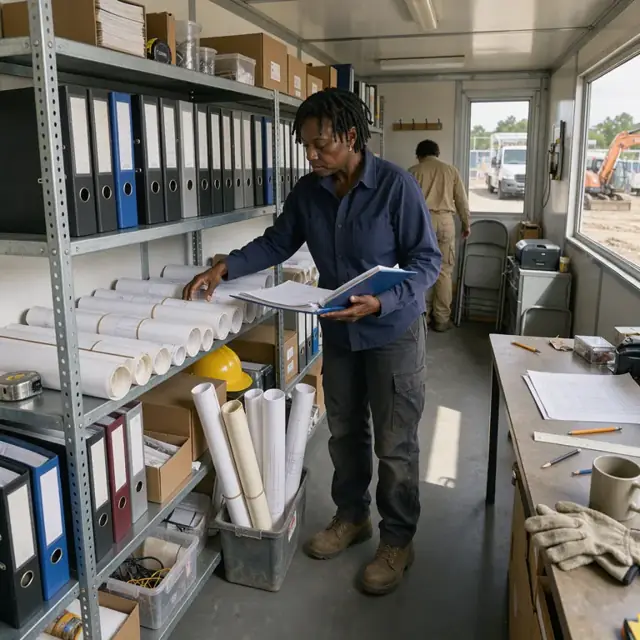
Contract and Job Setup Administrator
Review signed contracts, create job folders and initiate procurement and scheduling.
Works in: Ambitious Docs, Contract Analyzer, Ambitious Tasks · Workflows: Contract review and kickoff
Automates
- Compares contract to bid and flags differences
- Extracts milestones and equipment lists
- Creates organized job folders with all drawings
- Drafts pre-installation meeting agenda
Stops for a person
- A licensed project manager confirms variances and special conditions
- The owner approves equipment orders and any early spending
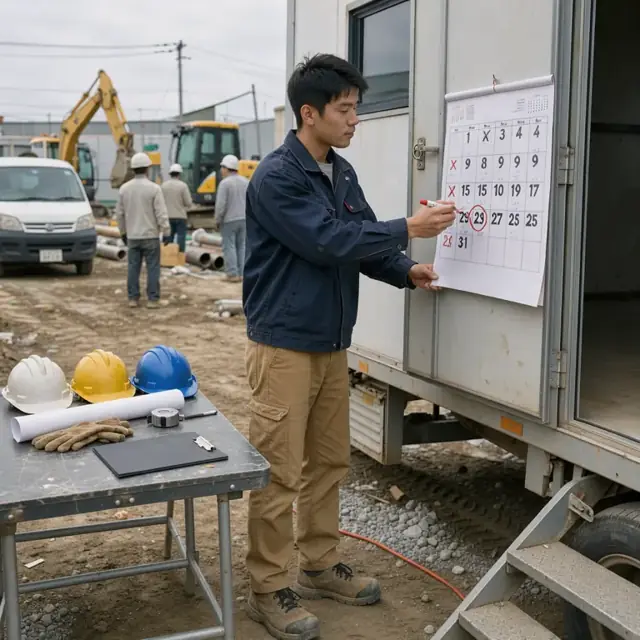
Installation Scheduler
Build detailed installation timelines that coordinate trades, inspections and equipment deliveries.
Works in: Construction Scheduler, Ambitious Tasks, Ambitious Sheets · Workflows: Installation and commissioning schedule
Automates
- Creates phased schedule with crane, rough-in and testing dates
- Identifies trade coordination points
- Generates material staging and delivery plan
- Assigns technicians to each phase
Stops for a person
- The lead technician reviews the schedule for feasibility
- The project manager confirms the schedule with the general contractor

Service Call Dispatcher
Intake service requests, check history and assign the right technician with correct parts.
Works in: Ambitious Tasks, Email Buckets, Ambitious Sheets · Workflows: Service call intake and dispatch
Automates
- Captures symptoms and error codes from incoming messages
- Checks service contracts and equipment history
- Matches technician location and skills to the call
- Generates work order and arrival message
Stops for a person
- The service manager approves assignments for critical calls
- A licensed technician confirms the diagnostic plan before travel

Preventive Maintenance Planner
Schedule recurring maintenance visits, generate equipment-specific checklists and stage parts.
Works in: Construction Scheduler, Ambitious Tasks, Ambitious Docs · Workflows: Preventive maintenance planning
Automates
- Pulls all contracts due in the upcoming period
- Optimizes technician routes across buildings
- Creates customized checklists for each unit
- Prepares parts kits for each van
Stops for a person
- The service manager reviews the monthly schedule
- Technicians confirm checklist results and any deficiencies
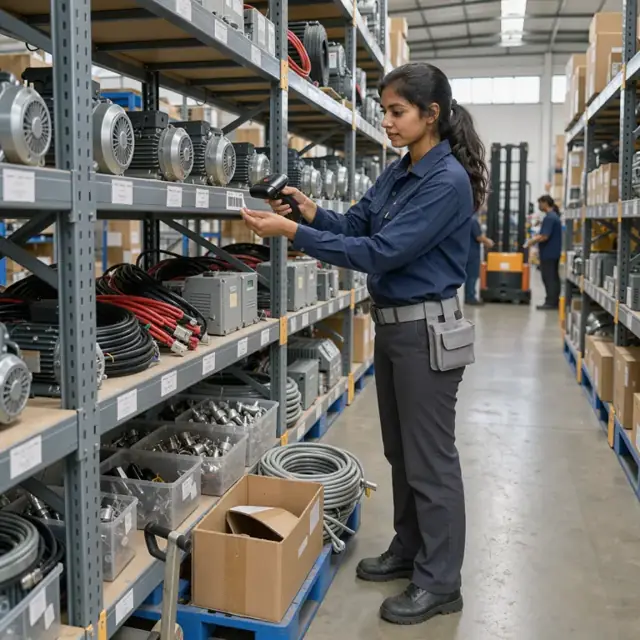
Parts and Inventory Manager
Maintain accurate stock levels in the warehouse and service vans while tracking high-value components.
Works in: Ambitious Sheets, Ambitious Tasks · Workflows: Parts and equipment inventory management
Automates
- Reviews consumption from completed work orders
- Calculates reorder quantities against minimum levels
- Drafts purchase orders for factory parts
- Tracks core returns and warranty claims
Stops for a person
- The owner approves purchases above a set value
- Technicians verify parts pulled for critical jobs

Compliance and Inspection Coordinator
Track permits, schedule inspections and maintain all test records and certifications.
Works in: Ambitious Tasks, Ambitious Docs, Ambitious Sheets · Workflows: Permit, inspection and compliance tracking
Automates
- Tracks permit and inspection deadlines per job
- Organizes test reports and torque logs
- Schedules recurring safety inspections
- Monitors technician license and insurance expirations
Stops for a person
- A licensed professional reviews all inspection reports
- The owner confirms which local code interpretations apply
- People handle all interactions with inspectors and authorities
Workflows
Bid and estimate preparation
Starts when: A request for proposal or invitation to bid arrives
- Extract equipment specifications, site constraints and schedule requirements from drawings and documents
- Compile material and labor takeoffs using manufacturer pricing
- Draft the full bid package with scope, exclusions, schedule and payment terms
- Attach required insurance certificates and licensing documentation
- Create a bid tracking task with follow-up reminders
Watch for: Accurate equipment model numbers and voltage requirements must match the architect's intent; Bids often require sealed envelopes or electronic submission by exact deadlines
Contract review and kickoff
Starts when: A signed contract or purchase order is received
- Compare final contract to the original bid and flag variances
- Extract key dates, milestones, equipment lists and special conditions
- Create job folder with all drawings, submittals and correspondence
- Schedule the pre-installation meeting with the general contractor
- Order long-lead equipment and schedule shop fabrication if needed
Watch for: Change orders must be tracked separately and approved before work proceeds; Insurance and bonding requirements are confirmed before mobilization
Installation and commissioning schedule
Starts when: Contract is executed and equipment lead times are known
- Build a detailed schedule showing crane dates, rough-in, installation, testing and inspection
- Coordinate with other trades for power, structural steel and finishes
- Assign licensed technicians and specialized rigging crews to each phase
- Generate material delivery and equipment staging plan
- Create task list for each technician with manufacturer checklists
Watch for: Elevator shafts and machine rooms have tight access windows; Multiple inspections by city, state and manufacturer representatives are required
Service call intake and dispatch
Starts when: A building owner or property manager reports an equipment issue
- Capture symptoms, error codes, location and urgency from the call or message
- Check warranty status, service contract and equipment history
- Assign the nearest qualified technician with appropriate van inventory
- Generate work order with safety procedures and required tools
- Draft arrival window message for the customer
Watch for: Some calls are life-safety critical and must be answered within hours; Technicians must carry manufacturer-specific diagnostic equipment
Preventive maintenance planning
Starts when: Monthly, quarterly or annual contract cycle
- Pull list of all active maintenance contracts due in the period
- Schedule routes that minimize travel between buildings
- Generate customized checklists for each piece of equipment
- Pre-stage common replacement parts and lubricants for each van
- Track completed visits and flag any deficiencies for follow-up
Watch for: Maintenance must occur within strict contract windows to avoid penalties; Oil samples, brake tests and cable inspections follow exact manufacturer intervals
Parts and equipment inventory management
Starts when: Weekly and after each major job
- Review consumption from completed work orders and upcoming jobs
- Reconcile van stock against minimum levels for emergency calls
- Draft purchase orders for factory parts and consumables
- Track high-value components such as motors, controllers and cables
- Adjust par levels based on seasonal demand and new equipment types
Watch for: Many parts are model-year and manufacturer specific with long lead times; Core returns and warranty claims must be processed promptly
Permit, inspection and compliance tracking
Starts when: Project milestones and recurring certification dates
- Track permit applications and inspection requests for each job
- Generate required test reports and torque logs from technician entries
- Schedule annual or five-year safety inspections with authorities
- Maintain digital records of all certifications and licenses
- Alert before any technician certification or insurance policy expires
Watch for: Different jurisdictions have unique elevator and conveyance codes; All test data must be preserved for potential liability claims
Bot templates for this industry
- Fire Life Safety Elevator Inspection (3 bots)
- Other Building Equipment Contractors (7 bots)
Source: U.S. Small Business Administration, Office of Size Standards, Table of Small Business Size Standards Matched to North American Industry Classification System Codes, version March 2023 (effective 2023-03-17, NAICS 2022). Size standards are shown for reference only.