

Finish Carpentry Contractors
Finish carpentry contractors install interior millwork, trim, cabinetry, doors, stairs and moldings on residential and commercial job sites. For a crew that bids on custom home builds and remodels, the specialists turn client selections into cut lists and material orders, coordinate with general contractors on site readiness, convert shop drawings into precise fabrication schedules, track specialty hardware and lumber inventory, and maintain job-specific safety and inspection documentation. The lead carpenter retains final decisions on fit, finish quality and field adjustments.
What makes this business different
- Custom millwork and trim profiles that must match architect or designer specifications exactly
- Coordination with other trades for site access, power and sequencing before installation
- Material takeoffs that account for waste factors on expensive hardwoods and sheet goods
- Shop fabrication of cabinets, stairs and built-ins that must fit within tight tolerances
- Jobsite storage and protection of pre-finished materials from weather and damage
- Building permit requirements, rough and final inspections, and local code compliance for stairs, handrails and egress
- Change orders and selections that arrive late from homeowners or designers
- Tracking of specialty items such as concealed hinges, custom pulls and exotic veneers
Specialist bots

Finish Carpentry Estimator
Convert architectural drawings and specifications into accurate material and labor bids.
Works in: Ambitious Sheets, Ambitious Docs, Process Optimizer · Workflows: Bid preparation and estimating
Automates
- Extracts quantities from plans
- Applies waste factors and unit pricing
- Builds line-item proposals
- Flags long-lead items
- Assembles supporting bid documents
Stops for a person
- The lead carpenter reviews all bids before submission
- Owner approves final pricing and any allowances

Selection and Change Coordinator
Capture homeowner and designer selections and convert them into confirmed specifications and change orders.
Works in: Ambitious Docs, Ambitious Tasks, Contract Analyzer · Workflows: Client selection and change order intake
Automates
- Parses selection emails and forms
- Compares against original bid allowances
- Drafts confirmation and change order documents
- Updates master material schedules
- Prepares documents for signature
Stops for a person
- The owner or lead carpenter approves any price adjustments
- A person sends selections back to the client for signature
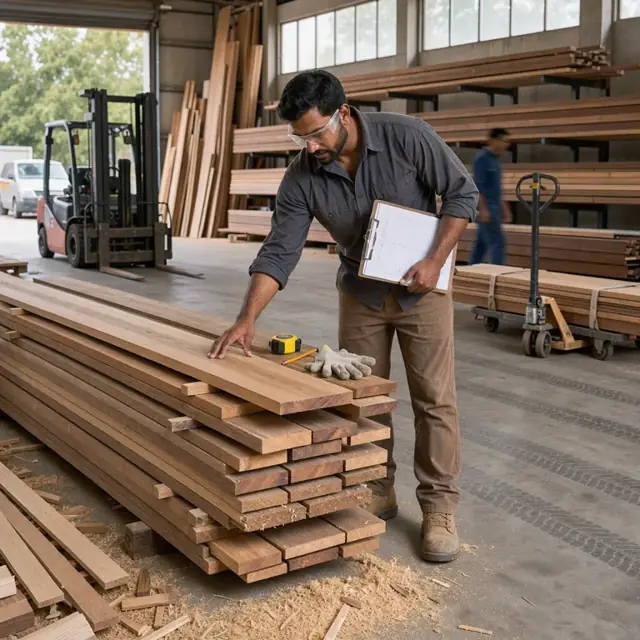
Material and Inventory Planner
Turn cut lists and selections into purchase orders while maintaining accurate shop and jobsite inventory.
Works in: Ambitious Sheets, Ambitious Tasks, Ambitious Docs · Workflows: Material ordering and inventory
Automates
- Generates supplier-specific orders
- Subtracts current stock levels
- Tracks delivery dates against job timelines
- Logs receipt and condition of incoming materials
- Updates inventory records across jobs
Stops for a person
- The owner places and pays for all orders
- The lead carpenter approves substitutions for specialty lumber
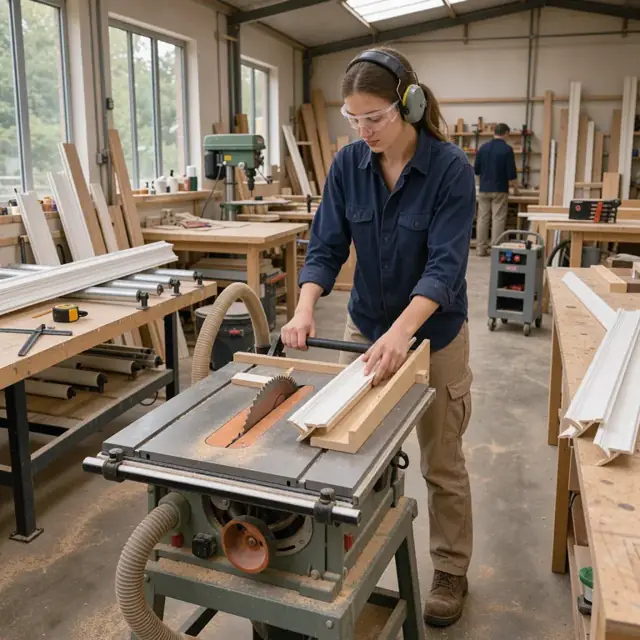
Shop Fabrication Scheduler
Convert approved drawings and material receipts into daily shop cut lists, CNC programs and finishing schedules.
Works in: Ambitious Tasks, Process Optimizer, Ambitious Sheets · Workflows: Shop fabrication scheduling
Automates
- Groups pieces by job and operation
- Produces labeled cut lists
- Schedules machines and assembly stations
- Tracks progress through each production stage
- Flags pieces needing rework
Stops for a person
- The lead carpenter verifies all dimensions before cutting begins
- A person inspects finish quality after each coat

Jobsite Readiness Coordinator
Confirm trade sequencing, site conditions and material delivery timing before crews arrive.
Works in: Ambitious Tasks, Email Buckets, Ambitious Docs · Workflows: Jobsite coordination and readiness
Automates
- Checks readiness with general contractors
- Creates daily look-ahead schedules
- Schedules protected material deliveries
- Builds punch lists for site corrections
- Prepares confirmation requests
Stops for a person
- The lead carpenter walks the site and approves readiness
- All change requests are confirmed by the owner before sending

Crew and Installation Dispatcher
Assign daily tasks, load vehicles and track installation progress on each jobsite.
Works in: Ambitious Tasks, Ambitious Docs, Ambitious Sheets · Workflows: Crew dispatch and daily installation
Automates
- Assigns tasks based on crew certifications
- Matches materials and tools to daily tickets
- Generates on-site measurement checklists
- Logs completed work with photos
- Records time and materials for billing
Stops for a person
- The lead carpenter makes all field fit decisions
- A person reviews and approves any modification photos before submission

Inspection and Compliance Clerk
Maintain permit status, generate inspection checklists and compile documentation for final sign-offs.
Works in: Ambitious Docs, Ambitious Tasks, Ambitious Sheets · Workflows: Inspection and permit tracking
Automates
- Creates jurisdiction-specific checklists
- Compiles photos and measurements
- Tracks permit and inspection due dates
- Organizes correction items
- Assembles full submittal packages
Stops for a person
- The owner or lead carpenter confirms which local requirements apply
- People perform all inspections and sign all official documents
- The bot only organizes records against requirements the owner confirms
Workflows
Bid preparation and estimating
Starts when: Receipt of plans, specs or invitation to bid from a general contractor
- Extract all finish-carpentry items from drawings and specifications
- Build a material takeoff list with waste factors for lumber, sheet goods and hardware
- Calculate labor hours by task type and crew size
- Draft a line-item proposal with unit pricing
- Flag long-lead items that affect schedule
- Compile supporting documents for the bid package
Watch for: Accurate waste percentages for crown molding and hardwood flooring; Allowance for site conditions that affect installation difficulty
Client selection and change order intake
Starts when: Homeowner or designer sends material and finish selections
- Capture species, stain, profile, hardware and finish details for each item
- Cross-check against original bid and note any upcharges
- Create a selection confirmation document for approval
- Update the master cut list and material schedule
- Draft a change order if selections differ from allowance
- Send the confirmation and change order for signature
Watch for: Selections often arrive piecemeal and must be consolidated; Any deviation from original bid requires written approval before ordering
Material ordering and inventory
Starts when: After selection approval and weekly
- Explode updated cut lists into purchase orders by supplier
- Subtract existing shop and jobsite inventory
- Track deliveries against job schedule and storage limits
- Flag specialty hardware or veneers with long lead times
- Log material receipts and condition upon arrival
- Update inventory records across all active jobs
Watch for: Premium lumber and sheet goods must be ordered in sequence to avoid waste; Jobsite space for storing doors and pre-finished cabinets is limited
Shop fabrication scheduling
Starts when: Once materials arrive or on a weekly cadence
- Group components by job and assembly type
- Generate CNC or manual cut lists with exact dimensions and labels
- Schedule machine time, assembly stations and finishing booth
- Produce bar-coded shop tickets for each piece
- Track progress from rough cut to final finish
- Flag any pieces that require rework before moving to next stage
Watch for: Tight tolerances required for cabinet carcases and stair stringers; Finishing must occur in a dust-free environment with proper drying time
Jobsite coordination and readiness
Starts when: One week before scheduled installation or when GC requests
- Confirm power, lighting and protection are in place
- Verify other trades have completed preceding work
- Draft daily look-ahead for crew and GC
- Schedule delivery of fabricated pieces to avoid weather exposure
- Create a punch list of site conditions that must be corrected
- Obtain written confirmation from the general contractor
Watch for: Access often depends on elevator scheduling in multi-story buildings; Protection of finished floors and adjacent work is required before starting
Crew dispatch and daily installation
Starts when: Morning of each scheduled jobsite day
- Assign tasks to crew members based on skill and certifications
- Load truck with materials, tools and hardware matched to the day's ticket
- Generate on-site checklist for measurements and adjustments
- Log completed work and photos of installation
- Flag any field modifications for engineer or architect review
- Record time and materials used for billing
Watch for: Stair and railing installations require precise plumb and level checks; Crew must follow fall-protection rules when working above six feet
Inspection and permit tracking
Starts when: Before rough-in, at substantial completion and on city-requested dates
- Generate required inspection checklists for stairs, handrails and egress
- Compile photos and measurements for submission
- Track permit expiration and renewal dates by jurisdiction
- Maintain job-specific material and test records
- Draft correction notices for any failed items
- Organize the full submittal package for the lead carpenter
Watch for: Inspection requirements vary by municipality and occupancy type; All field modifications must be documented before final sign-off
Bot templates for this industry
- Finish Carpentry Contractors (7 bots)
Source: U.S. Small Business Administration, Office of Size Standards, Table of Small Business Size Standards Matched to North American Industry Classification System Codes, version March 2023 (effective 2023-03-17, NAICS 2022). Size standards are shown for reference only.