

Dog and Cat Food Manufacturing
Dog and cat food manufacturers produce dry kibble, wet canned food, and treats in batches using fixed recipes, bulk ingredients and strict quality controls. Specialists turn customer or distributor orders into production schedules, convert recipes into scaled batch sheets and ingredient pulls, track inventory of grains, proteins, vitamins and packaging, schedule packaging lines and quality tests, and manage reorder points while maintaining temperature logs, lot traceability and regulatory paperwork that the quality team confirms against requirements the owner sets.
What makes this business different
- Batch production from master recipes that scale from test-kitchen to pallet quantities
- Strict lot traceability for every ingredient and finished batch for recall readiness
- Bulk dry and frozen ingredient inventory with FIFO rotation and moisture-control storage
- Separate production runs for dog versus cat formulas and for grain-free or limited-ingredient lines
- Packaging changeovers between can sizes, bag weights and private-label artwork
- Regular lab testing for nutrient levels, moisture, pathogens and shelf-life samples
- Distributor and retailer orders that arrive with lead-time and labeling requirements
- Temperature and humidity logs for raw materials, processing and finished goods storage
- Renewal tracking for facility registration, feed licenses and state registrations that the quality manager confirms
Specialist bots

Order Coordinator
Convert incoming purchase orders into validated production demand and acknowledgments.
Works in: Ambitious Tasks, Ambitious Docs, Email Buckets · Workflows: Order intake and validation
Automates
- Reads order emails and portal submissions
- Validates SKUs and quantities against current schedule
- Drafts order acknowledgments with ship dates
- Creates linked production demand tasks
Stops for a person
- Production manager approves rush orders and schedule changes
- Quality manager reviews any special labeling or nutritional claims

Production Planner
Build weekly manufacturing schedules that respect formulas, changeovers and line capacity.
Works in: Process Optimizer, Ambitious Sheets · Workflows: Production scheduling and changeover planning
Automates
- Aggregates demand by formula and package size
- Sequences runs to reduce cleaning time between diets
- Calculates required batch sizes
- Reserves line time and flags validation needs
Stops for a person
- The production manager confirms the final schedule each week
- Quality signs off on any changeover cleaning protocol
Formula Scaler
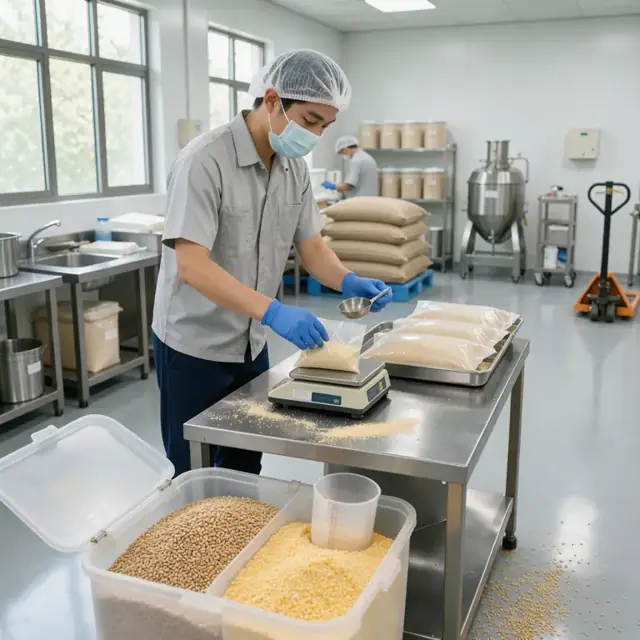
Scale master recipes to exact batch sizes and generate precise ingredient pull lists.
Works in: Ambitious Sheets, Ambitious Docs, Ambitious Tasks · Workflows: Batch formulation and ingredient scaling
Automates
- Loads master recipe and scales to batch size
- Calculates exact ingredient weights including moisture adjustment
- Generates lot-specific pull tickets
- Creates extrusion or mixing parameter sheets
Stops for a person
- The nutritionist or quality lead reviews any recipe adjustments
- A person verifies the first batch's actual weights

Inventory Controller
Track raw material and packaging inventory, generate pull tickets and trigger replenishment.
Works in: Ambitious Sheets, Ambitious Tasks, Ambitious Docs · Workflows: Inventory pull and receiving, Ingredient replenishment and supplier coordination
Automates
- Prints daily pull tickets by lot
- Records actual usage and updates balances
- Flags items below reorder point
- Drafts purchase orders for review
Stops for a person
- The warehouse lead confirms physical counts
- Purchasing manager approves and sends every purchase order
Quality Documenter
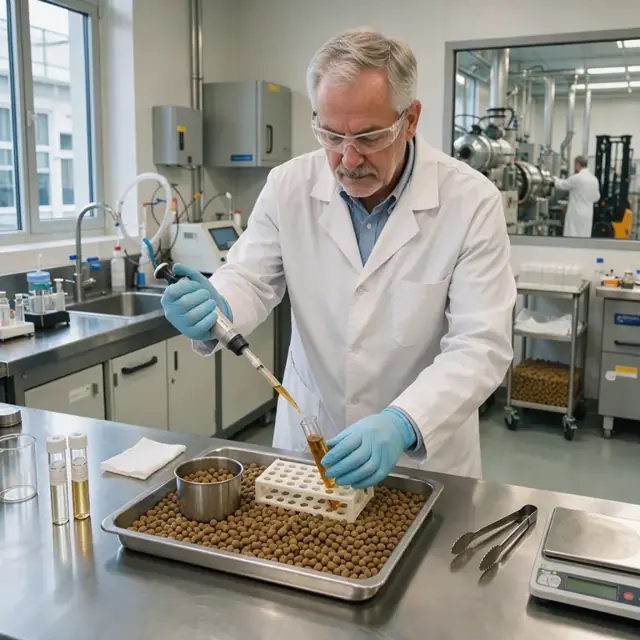
Generate testing checklists, log lab results and maintain lot traceability records.
Works in: Ambitious Tasks, Ambitious Docs, Ambitious Sheets · Workflows: In-process and finished-goods testing, Regulatory permit and paperwork tracking
Automates
- Creates batch-specific testing checklists
- Logs moisture, nutrient and pathogen results
- Holds product in system until tests pass
- Generates certificates of analysis
- Tracks permit and license renewal dates
Stops for a person
- The quality manager reviews and signs every certificate before release
- People confirm that all test results meet the requirements the owner has set
- The quality manager confirms which regulatory requirements apply
Packaging Coordinator
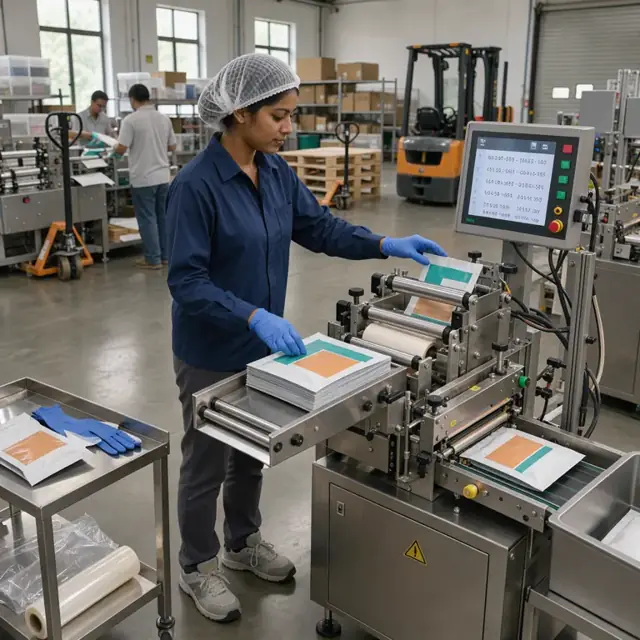
Match released batches to correct labels, generate lot-coded packaging materials and record line output.
Works in: Ambitious Docs, Ambitious Tasks, Ambitious Sheets · Workflows: Packaging and labeling execution
Automates
- Selects correct artwork and label formats per order
- Generates date-coded labels and manifests
- Records packaging material consumption
- Updates finished-goods inventory status
Stops for a person
- A person verifies first-case label accuracy before full run
- The quality manager must release the batch before packaging begins
Workflows
Order intake and validation
Starts when: A distributor, retailer or direct customer submits a purchase order by email, portal or form
- Capture product SKUs, quantities, requested ship date and special labeling needs
- Check against current production schedule and available finished-goods inventory
- Confirm lead time against the next scheduled run for that formula
- Draft order acknowledgment with confirmed ship date
- Create a production demand task linked to the master recipe
Watch for: Private-label orders require exact artwork and nutritional-statement matching; Rush orders must be flagged for quality and production review
Production scheduling and changeover planning
Starts when: Weekly forecast update and every new order batch
- Aggregate open orders by formula, bag or can size
- Sequence runs to minimize changeover cleaning between dog, cat and specialty diets
- Calculate total batch sizes needed from master recipes
- Reserve extrusion, mixing or canning line time
- Flag any formula that requires lab validation before full run
Watch for: Allergen cross-contact prevention between chicken-based and fish-based formulas; Equipment must be fully cleaned and documented between species or grain-free runs
Batch formulation and ingredient scaling
Starts when: 24 hours before each scheduled production run
- Pull the master recipe for the formula
- Scale ingredients to the exact batch size required
- Subtract current inventory to generate the precise pull list
- Create lot-traced ingredient tickets for each raw material
- Generate the cook or extrusion parameter sheet
Watch for: Moisture and fat content of incoming meat or fish meal must be adjusted in real time; Vitamin premixes are expensive and must be weighed to the gram
Inventory pull and receiving
Starts when: Daily at start of shift and when supplier deliveries arrive
- Print pull tickets by lot for each ingredient on the batch sheet
- Record actual weights taken from bulk bins or totes
- Log supplier lot numbers and certificates of analysis
- Update inventory balances and FIFO status
- Flag any ingredient below reorder point
Watch for: Frozen proteins must be tempered on a schedule before grinding; Bulk grain and meal bins must maintain temperature to prevent mold
In-process and finished-goods testing
Starts when: Every batch and at defined hold points
- Generate checklist for moisture, density and temperature at extrusion or canning
- Record lab results for nutrient analysis and pathogen screening
- Hold finished pallets until test results are logged
- Create certificates of analysis for each lot
- Flag any batch outside specification for rework or disposal
Watch for: Each lot must be traceable forward to customers and backward to every ingredient; Shelf-life samples are pulled and stored for the full declared period
Packaging and labeling execution
Starts when: After quality release of each batch
- Match batch to the correct bag or can size and label artwork
- Generate lot-coded labels with manufacture and best-by dates
- Print case labels and pallet manifests
- Record packaging line run time and material usage
- Move finished goods into inventory with correct status
Watch for: Label changes for different retailers must be verified before run; Metal detection and weight checks are required at packaging
Ingredient replenishment and supplier coordination
Starts when: When inventory falls below reorder point or weekly
- Calculate reorder quantities based on forecast and lead times
- Draft purchase orders for each supplier
- Track incoming shipment status and certificates
- Update par levels after price or specification changes
- Maintain supplier approval and COA files
Watch for: Many ingredients have seasonal availability and long lead times; Organic or novel-protein sources require additional verification documentation
Regulatory permit and paperwork tracking
Starts when: On renewal dates, after each production run and during audits
- Generate daily temperature and humidity log templates for raw materials, processing and storage areas
- Track facility registration, feed license and state registration renewal dates
- Compile lot traceability reports linking ingredients to finished batches
- Prepare draft paperwork for regulatory filings
- Flag upcoming deadlines for quality manager review
Watch for: Rules differ by state and federal agencies for feed manufacturing and pet food labeling; The quality manager confirms which requirements apply and approves all filings
Bot templates for this industry
- Dog and Cat Food Manufacturing (6 bots)
Source: U.S. Small Business Administration, Office of Size Standards, Table of Small Business Size Standards Matched to North American Industry Classification System Codes, version March 2023 (effective 2023-03-17, NAICS 2022). Size standards are shown for reference only.