

Other Animal Food Manufacturing
Other Animal Food Manufacturing facilities produce custom and standard feeds, supplements and treats for livestock, pets, horses and specialty animals. Batches are mixed from bulk grains, proteins, vitamins and additives according to formulas that vary by species, life stage and performance goals. The specialists turn incoming orders or recurring contracts into batch sheets, convert formulas into scaled ingredient lists and mixing schedules, track bulk inventory and inbound supplier loads, schedule production runs around equipment cleanouts, and manage labeling, shipping and reorder cycles. Formula accuracy, moisture control, pellet quality and regulatory tagging stay with the mill operator.
What makes this business different
- Custom feed formulas that combine base mixes with species-specific additives, medications or performance enhancers that must be scaled exactly
- Bulk ingredient receiving from trucks or rail with inbound sampling and moisture testing
- Batch mixing and pelleting sequences that require cleanouts between runs to prevent cross-contamination
- Inventory of grains, oils, minerals and micro-ingredients stored in bins and totes with FIFO rotation
- Finished product bagging, tagging and bulk load-out with lot traceability
- Feed labels that list guaranteed analysis, ingredient declaration and medicated claims when applicable
- Seasonal demand spikes for pasture supplements, show-animal feeds and emergency hay replacements
- Recurring mill contracts for large livestock operations that trigger automatic production runs
Specialist bots

Formula Coordinator
Convert every incoming feed order or contract into a scaled, approved batch formula and sheet.
Works in: Ambitious Docs, Ambitious Tasks, Ambitious Sheets · Workflows: Order to formula conversion
Automates
- Reads order details from forms, emails or contract files
- Matches or builds the formula from the master library
- Scales weights to ordered tonnage
- Generates the batch sheet with mixing order
- Flags medication or restricted additives
Stops for a person
- The mill operator approves any new or modified formula
- A person reviews and signs medicated feed sheets before production
- Final batch sheets are released only after owner confirmation

Bulk Ingredient Scheduler
Turn pending production into ingredient orders, schedule inbound deliveries and prepare receiving tasks.
Works in: Ambitious Sheets, Ambitious Tasks, Process Optimizer · Workflows: Bulk ingredient scheduling and receiving
Automates
- Explodes formulas into total ingredient needs
- Subtracts current bin inventory
- Drafts purchase quantities by supplier
- Schedules truck arrival windows
- Creates sampling and test checklists
Stops for a person
- The owner places and pays for all ingredient orders
- Receiving staff confirm moisture tests and bin assignments on arrival

Mill Run Planner
Sequence daily production runs, calculate exact batch weights and schedule equipment steps.
Works in: Ambitious Tasks, Process Optimizer, Ambitious Sheets · Workflows: Mixing and pelleting run planning
Automates
- Sequences batches to reduce cleanout time
- Calculates precise scale weights for each ingredient
- Builds the hour-by-hour run schedule
- Assigns lot numbers and prints batch tags
Stops for a person
- The mill operator adjusts the run order and equipment settings
- Any deviation from target temperatures or times is logged by a person

Inventory and Bin Tracker
Maintain accurate bin levels, track shrink and alert when ingredients need reordering.
Works in: Ambitious Sheets, Ambitious Tasks · Workflows: Inventory and bin management
Automates
- Updates bin quantities after each receipt and run
- Calculates shrink and dust loss
- Monitors micro-ingredient shelf life
- Generates reorder alerts at set par levels
Stops for a person
- Physical bin counts are performed and entered by people
- The owner approves any inventory adjustments or write-offs

Tag and Shipping Coordinator
Generate accurate feed tags, prepare bagging or bulk load-out paperwork and schedule outbound shipments.
Works in: Ambitious Docs, Ambitious Tasks, Ambitious Sheets · Workflows: Labeling, bagging and outbound shipping
Automates
- Creates feed tags with guaranteed analysis and lot codes
- Prints bag labels and delivery manifests
- Schedules loading times and driver routes
- Records outbound scale tickets
Stops for a person
- A person verifies medicated tags against the batch sheet
- The owner approves all outbound pricing and paperwork before release
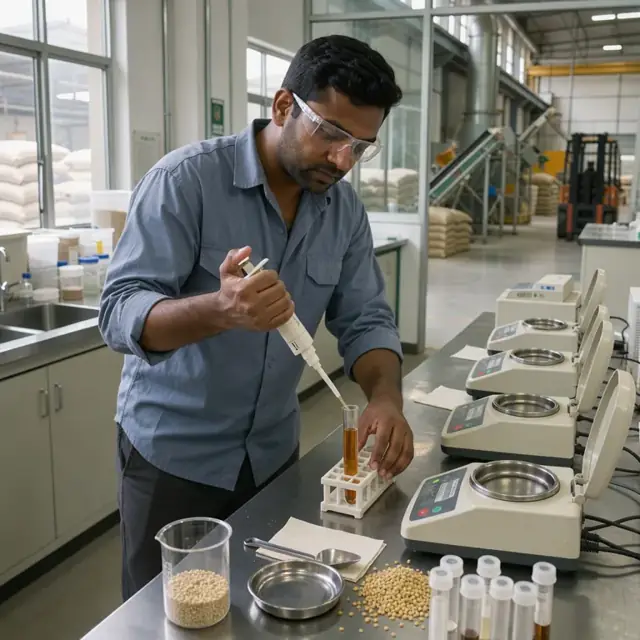
Quality and Compliance Clerk
Compile batch records, track permit dates and maintain ingredient supplier documentation.
Works in: Ambitious Docs, Ambitious Sheets, Ambitious Tasks · Workflows: Quality and regulatory documentation
Automates
- Assembles scale tickets and test results into batch files
- Tracks license and permit renewal dates
- Organizes supplier certificates of analysis
- Flags formulas that need label revisions
Stops for a person
- The mill operator confirms which regulatory requirements apply
- All audit paperwork is reviewed and signed by people
- The bot never certifies compliance
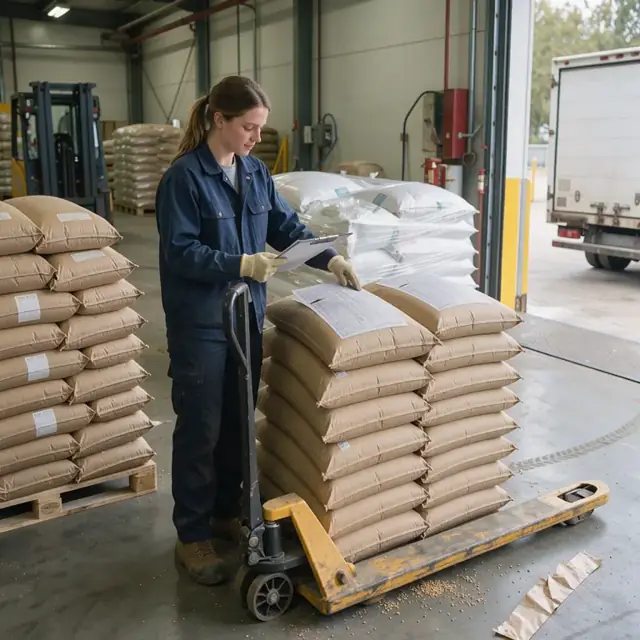
Customer Replenishment Coordinator
Monitor contract customer usage, draft reorder notices and confirm delivery windows.
Works in: Ambitious Tasks, Email Buckets, Ambitious Sheets · Workflows: Customer reorder and contract fulfillment
Automates
- Tracks consumption against contract volumes
- Drafts reorder and pricing updates
- Prepares advance delivery notices
- Reminds of upcoming formula reviews
Stops for a person
- The owner reviews and sends every customer communication
- Contract changes are approved only by a person
Workflows
Order to formula conversion
Starts when: New customer order, contract renewal or recurring schedule call
- Parse the requested feed type, species, life stage, volume and any custom additives
- Match against approved formulas or draft a new one from the master library
- Scale the formula to the ordered tonnage or bag count
- Generate a batch sheet with target weights and mixing order
- Flag any restricted ingredients or medication levels for review
Watch for: Formulas must stay within approved nutrient ranges for the target animal class; Medicated feeds require precise inclusion rates that cannot be approximated
Bulk ingredient scheduling and receiving
Starts when: After formula is approved and weekly for standing contracts
- Explode all pending batch sheets into total ingredient requirements
- Compare against current bin levels and on-order quantities
- Draft purchase orders or call-in quantities by supplier
- Schedule inbound truck or rail deliveries to match production windows
- Create receiving checklist with sampling and moisture-test tasks
Watch for: Moisture content of incoming grains affects final mix weight and must be recorded; Bin space must be freed before new loads arrive
Mixing and pelleting run planning
Starts when: Daily or when sufficient orders and ingredients are ready
- Sequence batches to minimize cleanouts between incompatible formulas
- Calculate exact scale weights for each ingredient in the run
- Build a timed schedule for grinding, mixing, conditioning, pelleting and cooling
- Assign lot numbers and print tags for each batch
- Log equipment settings and any deviations during the run
Watch for: Pellet durability and mash temperature must stay within process parameters; Cleanout material is tracked as rework or waste
Inventory and bin management
Starts when: After each receiving and production run and on a weekly cadence
- Update bin levels from scale tickets and production logs
- Calculate shrink and dust loss for each ingredient
- Rotate stock to maintain FIFO for perishables and additives
- Alert when any micro-ingredient or medication falls below reorder point
- Reconcile physical counts against system records
Watch for: Bulk bins cannot be overfilled for safety and quality reasons; Vitamin and medication premixes have limited shelf life
Labeling, bagging and outbound shipping
Starts when: When a production run is complete and cooled
- Generate feed tags with guaranteed analysis, ingredients and lot code
- Print bag labels or bulk delivery tickets
- Schedule truck loading or customer pickup times
- Create delivery manifest and driver paperwork
- Record outbound weights and any returns
Watch for: Medicated feed labels must match the exact inclusion rate used; Customer pickup trucks must be weighed in and out
Quality and regulatory documentation
Starts when: Every production run and on fixed audit dates
- Compile batch records including scale tickets, temperature logs and pellet durability tests
- Track renewal dates for mill license, drug-handling permits and insurance
- Maintain ingredient supplier certificates and certificates of analysis
- Generate monthly inventory and production reports for internal use
- Flag any formula changes that require label updates
Watch for: Local and federal rules on medicated feeds and animal by-products vary by state; The mill operator confirms which requirements apply to each product
Customer reorder and contract fulfillment
Starts when: When inventory drops below agreed level or on contract cadence
- Monitor consumption patterns for contract customers
- Draft reorder notices with current pricing
- Confirm any formula changes before next run
- Update contract terms or volume commitments
- Send advance notice of scheduled delivery windows
Watch for: Large livestock operations often require just-in-time delivery to avoid on-farm storage issues; All communications must be reviewed before sending
Bot templates for this industry
- Other Animal Food Manufacturing (7 bots)
Source: U.S. Small Business Administration, Office of Size Standards, Table of Small Business Size Standards Matched to North American Industry Classification System Codes, version March 2023 (effective 2023-03-17, NAICS 2022). Size standards are shown for reference only.