

Flour Milling
Flour mills receive bulk grain by truck or rail, clean and condition it, mill it into flour streams, blend to specification, test for quality, package or bulk load, and ship to bakeries and food plants. Specialists turn incoming grain certificates and customer orders into a daily milling schedule, convert that schedule into grain-cleaning and milling instructions, track inventory of wheat and finished flour, generate blend recipes and quality test plans, and prepare shipping documents while the miller oversees equipment settings, tempering times and in-process sampling.
What makes this business different
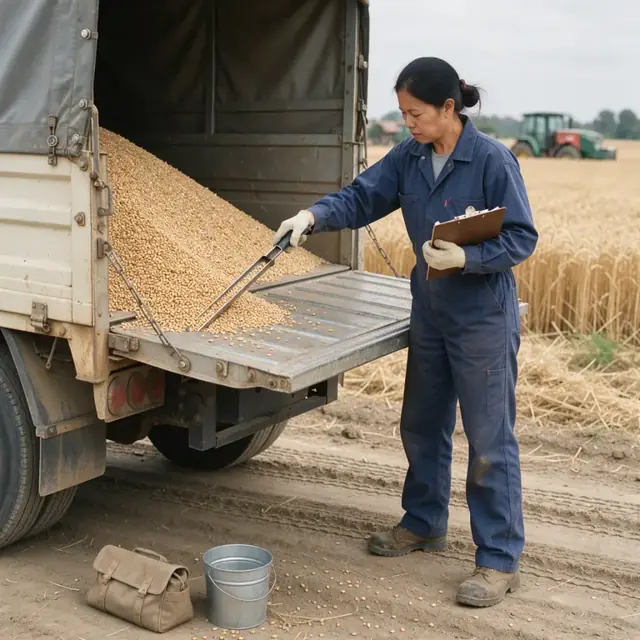
- Incoming wheat must be inspected for grade, moisture, protein, falling number and mycotoxins before unloading
- Wheat is tempered with precise water addition and rest times that vary by variety and season
- Multiple flour streams are produced simultaneously and must be blended to exact customer specifications for protein, ash, moisture and baking performance
- Continuous operation with scheduled maintenance windows, equipment sanitation and pest control logs
- Bulk storage in silos with inventory rotation to prevent spoilage or infestation
- Quality testing at multiple points including NIR analyzers, farinograph, alveograph and bake tests
- Regulatory paperwork for food safety, traceability from farm to customer, and audit readiness
- Seasonal swings in wheat harvest quality and supply that affect milling yields and blend adjustments
Specialist bots
Grain Receipt Specialist
Turn every inbound wheat load into an approved, segregated silo assignment with full documentation.
Works in: Ambitious Tasks, Ambitious Docs, Ambitious Sheets · Workflows: Grain receipt and inspection
Automates
- Reads supplier certificates and inbound paperwork
- Builds sampling and testing task list
- Compares test results against mill limits
- Assigns approved wheat to correct silo
- Creates receiving report and inventory update
Stops for a person
- The miller visually inspects each load and decides on acceptance or rejection
- Any load with elevated toxins is reviewed by the quality manager before return
- A person signs off on all receiving documents

Milling Scheduler
Convert customer orders and inventory targets into a daily wheat selection, tempering and milling sequence.
Works in: Ambitious Sheets, Process Optimizer, Ambitious Tasks · Workflows: Milling schedule and wheat tempering
Automates
- Matches available wheat to required flour specifications
- Calculates temper water and rest times
- Builds the hourly mill run plan with changeovers
- Generates work orders for the mill floor
Stops for a person
- The head miller reviews and adjusts the schedule each morning
- Any change to temper times or wheat mix requires miller approval

Flour Blend Engineer
Calculate precise flour stream blends to meet each customer's exact protein, ash and performance specifications.
Works in: Ambitious Sheets, Process Optimizer, Ambitious Docs · Workflows: Flour stream blending and quality planning
Automates
- Maps current mill streams to order requirements
- Computes optimal blend percentages
- Generates detailed blend sheets and test plans
- Prepares certificate of analysis templates
Stops for a person
- The quality manager verifies all blend calculations before release
- The miller confirms equipment can produce the required streams

Inventory and Silo Manager
Maintain accurate real-time inventory of all wheat in silos and finished flour in bins and bags.
Works in: Ambitious Sheets, Ambitious Tasks, Ambitious Docs · Workflows: Inventory and silo management
Automates
- Updates silo levels from scale and flow data
- Calculates extraction and yield
- Forecasts days of supply by wheat class and flour type
- Flags inventory for rotation or shipment
Stops for a person
- The operations manager approves any large inventory moves or sales
- Physical inventory counts are performed and reconciled by people

Order and Shipping Coordinator
Turn confirmed flour orders into complete shipping documents, bills of lading and customer notifications.
Works in: Ambitious Docs, Ambitious Tasks, Ambitious Sheets · Workflows: Order fulfillment and shipping
Automates
- Reserves inventory and creates load orders
- Generates bills of lading and manifests
- Prepares certificates of analysis
- Drafts shipment notification messages
Stops for a person
- The loader inspects tanker cleanliness before filling
- A person reviews and signs all outbound legal documents
- The quality manager releases each lot for shipment

Quality Testing Coordinator
Create testing schedules from the milling plan, log all lab results and prepare customer certificates.
Works in: Ambitious Tasks, Ambitious Sheets, Ambitious Docs · Workflows: Quality testing and lab workflow
Automates
- Builds daily lab task list from production schedule
- Logs NIR, farinograph and bake test results
- Flags out-of-spec results
- Assembles lot-specific certificates of analysis
Stops for a person
- Lab technicians perform all physical tests and enter raw data
- The quality manager reviews every certificate before it is sent

Compliance and Documentation Clerk
Maintain daily sanitation checklists, traceability records and track all license and audit deadlines.
Works in: Ambitious Tasks, Ambitious Docs, Ambitious Sheets · Workflows: Regulatory and safety documentation
Automates
- Generates daily food safety and maintenance checklists
- Compiles traceability reports by lot
- Tracks renewal dates for permits and insurance
- Organizes records for audit readiness
Stops for a person
- The quality manager confirms that the food safety plan is followed
- People perform all inspections and sign off on corrective actions
- Regulatory filings and audit responses are handled by people
Workflows
Grain receipt and inspection
Starts when: A truck or railcar arrives with wheat
- Capture inbound certificate of analysis, truck or rail number, supplier and variety
- Schedule probe sampling and lab testing for protein, moisture, test weight, falling number and toxins
- Approve or reject the load against mill standards
- Assign the wheat to a specific silo with segregation by protein and quality
- Update inventory and generate receiving report
Watch for: Different wheat classes and protein levels cannot be commingled; Loads rejected for high vomitoxin or other defects must be documented and returned
Milling schedule and wheat tempering
Starts when: Daily production orders and inventory targets
- Combine open customer orders with forecast demand by flour type
- Select wheat lots from silos to meet target extraction and flour specs
- Calculate tempering water addition, time and temperature for each lot
- Build the 24-hour milling sequence with changeover times
- Create work orders for cleaning, conditioning and break-roll settings
Watch for: Tempering rest time is usually 6 to 24 hours depending on wheat hardness; Schedule must respect equipment sanitation and preventive maintenance windows
Flour stream blending and quality planning
Starts when: After each milling shift and when new streams are available
- Map current flour streams to customer specifications
- Calculate exact blend ratios of straight-grade, patent and clear flours
- Generate blend sheets with target protein, ash, moisture and absorption
- Create quality test schedule including NIR, rheological and bake tests
- Draft certificate of analysis template for each blend
Watch for: Flour must meet exact customer specs for bakery performance; Any deviation in stream quality requires immediate miller adjustment
Inventory and silo management
Starts when: Daily and after each receipt or shipment
- Update wheat and finished-flour silo levels from scale tickets and flow meters
- Calculate extraction rates and mill yield
- Forecast days of supply for each wheat class and flour type
- Identify lots ready for shipment or re-blend
- Track bulk and bagged stock separately
Watch for: First-in-first-out rotation is critical to prevent insect activity and quality loss; Moisture migration in silos must be monitored
Order fulfillment and shipping
Starts when: Customer order confirmed for bulk or bagged flour
- Reserve inventory and create pick or load order
- Generate bill of lading, certificate of analysis and shipping manifest
- Schedule truck or rail loading with proper seals and documentation
- Draft customer notification of shipment
- Record scale weights and final paperwork
Watch for: Bulk tankers must be inspected for cleanliness and previous cargo; All shipments require traceability lot numbers
Quality testing and lab workflow
Starts when: Each new wheat receipt, each blend change and daily composite samples
- Create daily lab testing schedule from milling plan
- Log results from moisture, protein, ash, falling number and rheological tests
- Flag any results outside specification for review
- Maintain historical records by lot and blend
- Prepare customer-specific certificates of analysis
Watch for: Test results determine whether flour can be released for shipment; Lab equipment calibration records must be current
Regulatory and safety documentation
Starts when: Daily operations, monthly reviews and renewal dates
- Generate daily sanitation, pest control and preventive maintenance checklists
- Compile traceability records from wheat to finished flour
- Track renewal dates for licenses, insurance and audit schedules
- Maintain lot-specific records for potential recall
- Draft reports for third-party audits
Watch for: Food safety plan must be followed exactly as written by the quality manager; People confirm all regulatory requirements are met
Bot templates for this industry
- Flour Milling (7 bots)
Source: U.S. Small Business Administration, Office of Size Standards, Table of Small Business Size Standards Matched to North American Industry Classification System Codes, version March 2023 (effective 2023-03-17, NAICS 2022). Size standards are shown for reference only.