

Malt Manufacturing
Malt manufacturers steep, germinate and kiln barley and other grains on batch schedules to exact customer specifications for brewers and distillers. For a facility that receives orders for pale, crystal, chocolate and specialty malts with varying roast levels and enzyme profiles, the specialists turn incoming grain orders into steeping and germination schedules, track kiln temperatures and moisture, manage inventory of raw barley and finished malt, schedule lab tests, and prepare shipping and certificate-of-analysis documents. Maltsters keep strict process logs, moisture targets and quality specs.
What makes this business different
- Custom malt orders with precise specifications for color, moisture, extract yield, diastatic power and flavor profiles
- Batch processing of barley through steeping, germination, kilning and roasting stages with tight time and temperature windows
- Moisture and temperature monitoring throughout germination and kilning to hit exact analytical targets
- Inventory of raw barley varieties, in-process malt and finished product with lot traceability
- Lab testing for moisture, color, extract, protein and enzyme activity on each batch
- Certificates of analysis, shipping documents and food-safety records for commercial brewers and distillers
- Seasonal barley harvest cycles that affect raw material availability and pricing
Specialist bots

Order Taker
Turn every custom malt order into a confirmed specification sheet and production task.
Works in: Ambitious Tasks, Ambitious Docs, Email Buckets · Workflows: Order intake and specification capture
Automates
- Reads incoming order messages and purchase orders
- Captures exact color, moisture, extract and enzyme targets
- Checks against current barley stock and kiln schedule
- Drafts the order confirmation
- Creates the production task with full specs
Stops for a person
- The maltster approves any non-standard specifications
- Pricing and contract terms are confirmed by a person
- A person sends the final confirmation to the customer

Steeping and Germination Scheduler
Convert confirmed orders into steeping, germination and turning schedules for each batch.
Works in: Ambitious Tasks, Ambitious Sheets, Process Optimizer · Workflows: Steeping and germination scheduling
Automates
- Groups compatible orders by barley variety and malt type
- Builds the timed steeping and germination plan
- Sets water change, air rest and turning intervals
- Creates daily tank checklists
- Flags dedicated runs for special requirements
Stops for a person
- The maltster reviews and adjusts the schedule daily
- Any deviation from standard procedures is approved by the maltster

Kiln and Roasting Operator
Monitor and record each kiln cycle to hit exact temperature, time and moisture targets.
Works in: Ambitious Tasks, Ambitious Docs, Ambitious Sheets · Workflows: Kilning, roasting and process monitoring
Automates
- Loads the programmed temperature and airflow profile
- Records moisture samples at set intervals
- Generates the complete process log for the batch
- Alerts when the cycle reaches curing or roasting stages
Stops for a person
- The maltster makes any manual adjustments to temperature or timing
- Final roast level is confirmed by the maltster before unloading
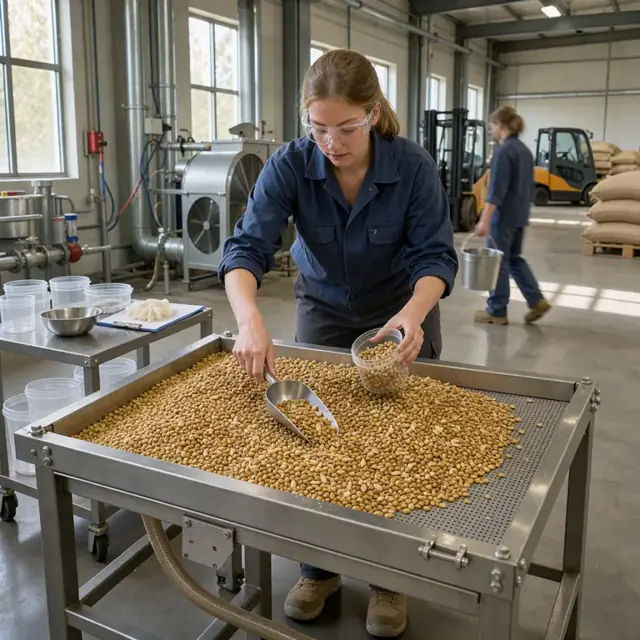
Quality Testing Coordinator
Coordinate lab testing for each batch and prepare certificates of analysis.
Works in: Ambitious Tasks, Ambitious Docs, Ambitious Sheets · Workflows: Quality testing and lab coordination
Automates
- Creates sample submission forms with full batch specs
- Records lab results for all required parameters
- Compares results to customer targets
- Drafts the certificate of analysis
Stops for a person
- The maltster reviews all lab results before release
- Any out-of-spec results are reviewed and decisions made by the maltster
- A person approves the final certificate of analysis

Inventory and Traceability Manager
Track barley receipts, in-process stock and finished malt with full lot traceability.
Works in: Ambitious Sheets, Ambitious Tasks, Ambitious Docs · Workflows: Raw material and finished malt inventory
Automates
- Updates stock after each barley delivery and malt cycle
- Calculates projected usage against open orders
- Drafts reorder lists for barley and supplies
- Maintains lot numbers from raw grain to finished product
Stops for a person
- The owner approves all purchase orders and spending
- Physical inventory counts are performed by people

Shipping and Documentation Coordinator
Prepare all shipping documents, certificates and carrier instructions for each order.
Works in: Ambitious Docs, Ambitious Tasks, Contract Analyzer · Workflows: Shipping and certificate preparation
Automates
- Reserves passed lots for specific orders
- Generates bills of lading and packing lists
- Drafts certificates of analysis
- Prepares any export or customs paperwork
- Creates carrier pickup instructions
Stops for a person
- The maltster verifies the certificate matches the tested batch
- A person approves all documents before they are sent or filed
- The owner confirms shipping arrangements and costs

Compliance and Recordkeeping Clerk
Maintain daily production logs, sanitation records and track renewal dates for licenses and certifications.
Works in: Ambitious Tasks, Ambitious Docs, Ambitious Sheets · Workflows: Regulatory and safety recordkeeping
Automates
- Generates daily production and sanitation checklists
- Compiles temperature and process logs
- Tracks renewal dates for registrations and insurance
- Maintains records required for customer audits
Stops for a person
- The maltster confirms which customer-specific requirements apply
- All records and corrective actions are reviewed by people
- The clerk never certifies compliance
Workflows
Order intake and specification capture
Starts when: A customer submits an order by email, form or purchase order
- Capture the malt type, quantity, color target, moisture limit, diastatic power and any special roast or flavor notes
- Check the order against current production capacity and barley inventory
- Assign a lot number and confirm delivery date against the kiln schedule
- Draft the order confirmation with price and terms
- Create a production task with the full malt specification sheet
Watch for: Exact analytical targets must be recorded as the customer states them; Specialty malts may require dedicated equipment runs to avoid cross-contamination
Steeping and germination scheduling
Starts when: After order confirmation and weekly capacity review
- Group orders by barley variety and malt type for efficient batching
- Build the steeping schedule with water changes, air rests and temperature setpoints
- Create the germination schedule with turning frequency and humidity targets
- Flag any orders needing separate runs for allergen or organic requirements
- Generate daily checklists for each tank and bed
Watch for: Steep water temperature and aeration must stay within narrow ranges; Germination time affects enzyme development and must match customer specs
Kilning, roasting and process monitoring
Starts when: Start of each kiln cycle
- Load the germination batch into the kiln according to the schedule
- Set and monitor the temperature ramp, curing and roasting profile
- Record moisture loss at multiple points during the cycle
- Adjust airflow and time to reach the exact color and flavor targets
- Generate a process log for the entire cycle
Watch for: Kiln temperature curves are product-specific and must be followed precisely; Over-roasting or under-drying can ruin an entire batch
Quality testing and lab coordination
Starts when: Completion of each kiln or roast cycle
- Pull representative samples from the finished batch
- Send samples to the lab with the full specification sheet
- Record results for moisture, color, extract, protein, diastatic power and beta-glucan
- Compare results against the customer's target ranges
- Draft the certificate of analysis for approval
Watch for: Each lot must be tested before release; Out-of-spec batches require rework or customer notification
Raw material and finished malt inventory
Starts when: Daily and after each harvest season
- Track incoming barley deliveries by variety, moisture and protein content
- Update in-process and finished malt stock after each cycle
- Calculate projected usage against open orders and forecast
- Draft purchase orders for barley and specialty grains
- Maintain lot traceability from barley receipt to finished malt shipment
Watch for: Barley must be stored at correct moisture to prevent spoilage; Finished malt is sensitive to humidity and must be kept in climate-controlled silos or bags
Shipping and certificate preparation
Starts when: When a batch passes quality testing and a shipment is due
- Reserve the tested malt lot for the customer order
- Prepare bill of lading, packing list and certificate of analysis
- Draft commercial invoice and any required customs documents for export
- Schedule carrier pickup with temperature-controlled or dry-van requirements
- Record shipment details and update inventory
Watch for: Many customers require a certificate of analysis before accepting delivery; Traceability must be maintained through the entire supply chain
Regulatory and safety recordkeeping
Starts when: Every production day and on renewal or audit dates
- Generate daily production and sanitation checklists
- Log all temperature, moisture and process parameters
- Track renewal dates for food facility registration, licenses and insurance
- Maintain allergen, organic and kosher certification records if applicable
- Prepare documents for third-party audits or customer visits
Watch for: Food safety and traceability rules differ by state and customer requirements; The maltster confirms which certifications and tests each customer needs
Bot templates for this industry
- Malt Manufacturing (7 bots)
Source: U.S. Small Business Administration, Office of Size Standards, Table of Small Business Size Standards Matched to North American Industry Classification System Codes, version March 2023 (effective 2023-03-17, NAICS 2022). Size standards are shown for reference only.