

Wet Corn Milling and Starch Manufacturing
Wet corn milling and starch manufacturing facilities steep corn in large tanks, separate it into starch, germ, fiber and gluten, then dry, modify or refine these into starches, sweeteners and co-products. For a plant running continuous steeping and separation with daily customer orders for modified starches and corn syrup solids, the specialists turn incoming orders into production schedules, track each lot through every process step with lab results, manage bulk corn and chemical inventories with rail and truck deliveries, schedule sanitation cycles between grades, prepare shipping manifests and certificates of analysis, and handle byproduct sales of gluten feed and germ meal while operators and the quality lab confirm all process parameters, test results and regulatory paperwork.
What makes this business different
- Continuous processing with large steeping tanks running on 24-48 hour cycles that cannot be interrupted mid-batch
- Full traceability of every corn lot through steeping, milling, separation, drying, modification and packaging using lot numbers and timestamps
- Bulk raw material inventory delivered by railcar or truck including corn, sulfur dioxide, enzymes, acids and process chemicals
- Frequent clean-in-place sanitation cycles between starch grades to prevent cross-contamination
- Laboratory testing at multiple stages for pH, moisture, protein, viscosity and other parameters with results tied to each lot
- Bulk tanker, tote and bagged shipments requiring certificates of analysis, allergen statements and regulatory shipping documents
- Seasonal variations in corn supply that change steeping time, yield and chemical usage requiring forecast adjustments
- Wastewater treatment oversight and prompt sale of wet and dry co-products to avoid spoilage
Specialist bots

Order Coordinator
Convert every customer order into confirmed specifications, lot assignments and production tasks.
Works in: Ambitious Tasks, Ambitious Docs, Ambitious Sheets · Workflows: Order intake and specification review
Automates
- Reads incoming orders and extracts product type, quantity, packaging and all technical specifications
- Checks current tank and dryer availability against requested dates
- Assigns preliminary lot number ranges
- Drafts order confirmations with full specifications
- Creates production tasks attaching complete customer requirements
Stops for a person
- The production manager approves any schedule impacts or special specifications
- A person sends all customer confirmations and handles exceptions

Corn and Chemical Inventory Manager
Track incoming corn lots and bulk chemicals, maintain storage inventories and prepare reorder lists.
Works in: Ambitious Sheets, Ambitious Tasks, Ambitious Docs · Workflows: Corn receiving and bulk inventory
Automates
- Records incoming railcar and truck lot data including test results
- Updates bulk storage levels by bin and variety
- Assigns lots to steep tanks according to the production schedule
- Calculates reorder quantities based on par levels and forecast usage
- Drafts purchase documentation for review
Stops for a person
- The procurement manager places all purchases and approves suppliers
- The quality lab reviews and accepts all incoming corn test results

Production Scheduler
Build daily steeping and milling schedules that respect tank cycles, sanitation requirements and order priorities.
Works in: Process Optimizer, Ambitious Sheets · Workflows: Steeping and milling production schedule
Automates
- Reviews open orders, current tank occupancy and dryer status
- Sequences steep tank filling, emptying and transfers
- Inserts mandatory sanitation cycles between product grades
- Adjusts schedule for yield variations from different corn varieties
- Distributes the schedule to operators, lab and maintenance teams
Stops for a person
- The plant manager approves the final daily schedule
- Operators can request real-time adjustments based on equipment conditions

Lot and Process Tracker
Follow each lot through every processing stage, attach lab results and compare against customer specifications.
Works in: Ambitious Tasks, Ambitious Sheets, Ambitious Docs · Workflows: Lot tracking and lab coordination
Automates
- Creates and updates digital lot records at each transfer point
- Attaches lab test results for pH, protein, viscosity and other parameters
- Compares measurements against the customer specifications
- Flags any deviations for operator and quality review
- Updates real-time inventory for all co-product streams
Stops for a person
- Lab technicians enter and verify all test results
- The quality manager reviews and signs off on any deviation reports

Shipping and Documentation Coordinator
Prepare packaging instructions, certificates of analysis, bills of lading and customer shipment notifications.
Works in: Ambitious Docs, Ambitious Tasks, Ambitious Sheets · Workflows: Packaging and shipping preparation
Automates
- Generates packaging and loadout instructions for each format
- Compiles certificates of analysis from the complete lot record
- Creates bills of lading, manifests and allergen statements
- Drafts customer shipment notifications
- Tracks carrier confirmations and updates final inventory
Stops for a person
- The quality manager reviews and approves all certificates of analysis
- A person signs all shipping documents and verifies physical loadout
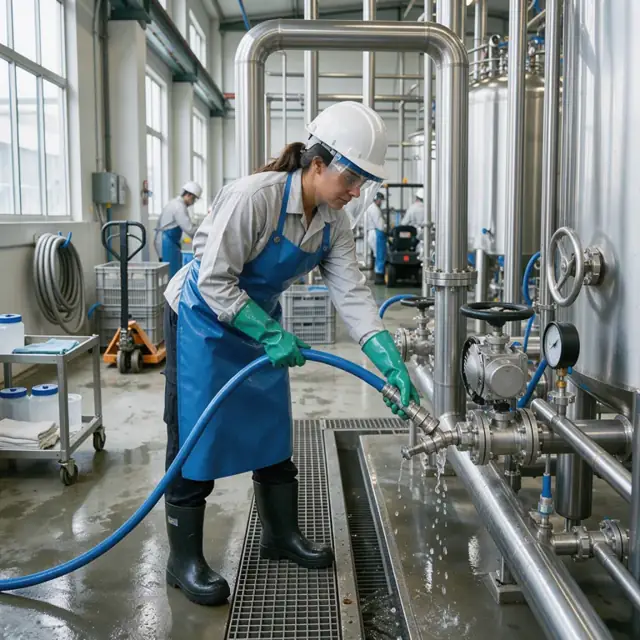
Sanitation and Maintenance Planner
Create sanitation checklists between product grades and schedule preventive maintenance during planned downtime.
Works in: Ambitious Tasks, Process Optimizer, Ambitious Sheets · Workflows: Equipment sanitation and maintenance
Automates
- Generates equipment-specific cleaning checklists after each changeover
- Schedules maintenance tasks during planned production gaps
- Tracks chemical usage and concentrations for clean-in-place systems
- Records completion of all sanitation and maintenance tasks
- Confirms equipment status before the next scheduled run
Stops for a person
- Maintenance technicians perform and document all physical cleaning and repairs
- The sanitation supervisor confirms that all work meets requirements the owner confirms
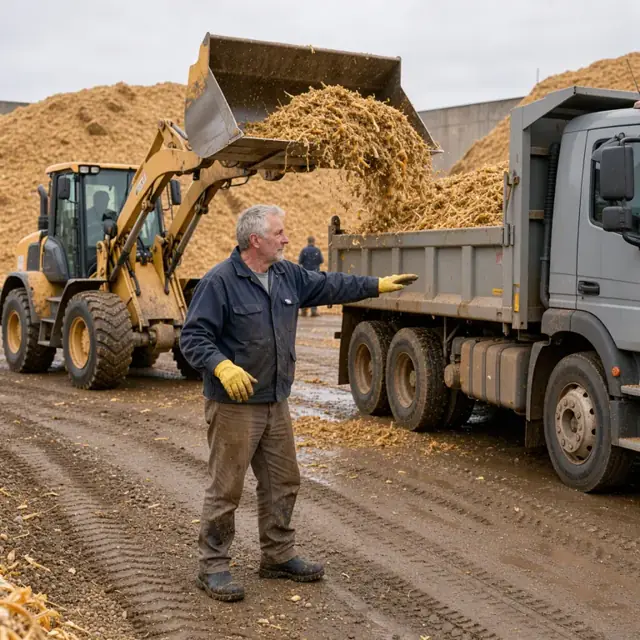
Byproduct Manager
Track co-product inventories, prepare sales offers and coordinate shipping of gluten feed, germ meal and other byproducts.
Works in: Ambitious Sheets, Ambitious Docs, Ambitious Tasks · Workflows: Byproduct inventory and sales
Automates
- Monitors inventory levels and quality parameters for each byproduct stream
- Calculates available saleable volumes based on moisture content
- Drafts sales offers according to current inventory
- Prepares shipping documents for byproduct customers
- Tracks byproduct revenue and offsets against production costs
Stops for a person
- The sales manager approves all byproduct pricing and offers
- A person confirms all sales contracts and final shipments
Workflows
Order intake and specification review
Starts when: A customer order arrives by EDI, email or portal
- Parse the product type, grade, quantity, packaging format and all technical specifications
- Check against current production schedule, tank availability and dryer capacity
- Assign preliminary lot number range and confirm delivery date
- Draft the order confirmation listing all specifications
- Create a production task attaching the full customer requirements
Watch for: Modified starches require exact modification parameters that must be confirmed by the lab; Food-grade and industrial starch orders must be strictly segregated in the schedule
Corn receiving and bulk inventory
Starts when: Railcar or truck arrival or weekly forecast update
- Record incoming corn lot details including moisture, test weight and supplier information
- Update bulk corn inventory by variety and storage bin
- Assign incoming lots to available steep tanks based on the current schedule
- Calculate reorder quantities for corn, chemicals and enzymes when below par levels
- Draft purchase documentation for review and flag any quality rejections
Watch for: Corn quality directly impacts starch yield and must be tested before acceptance; Storage bins are rotated on a first-in first-out basis to prevent spoilage
Steeping and milling production schedule
Starts when: Daily at start of shift and after each new order
- Review all open orders, current tank occupancy and dryer status
- Build a sequenced schedule for steeping, milling, separation, drying and modification
- Insert required clean-in-place sanitation cycles between incompatible product grades
- Adjust schedule for seasonal corn variations using historical yield data
- Distribute the finalized schedule to operators, lab and maintenance
Watch for: Steep times cannot be shortened or interrupted without ruining the batch; Sanitation cycles between grades add several hours of downtime
Lot tracking and lab coordination
Starts when: Each time a steep tank is filled, emptied or transferred
- Create and update a digital lot record that follows material through every process stage
- Attach lab results for pH, starch content, protein, viscosity and other tests at each checkpoint
- Compare results against the customer specifications
- Flag any deviations for operator and quality review before the next step
- Update real-time inventory for starch, fiber, germ and gluten streams
Watch for: Every process parameter and lab test must be permanently recorded against its specific lot; Deviations may require reprocessing, downgrading or disposal of material
Packaging and shipping preparation
Starts when: When a dryer run or bulk tank reaches target quantity
- Generate packaging instructions for bulk tanker, tote, bag or pallet formats
- Compile the certificate of analysis from all lot lab results
- Draft bills of lading, manifests and allergen statements
- Schedule carrier pickup and draft customer shipment notification
- Record final shipment details and update inventory
Watch for: Certificates of analysis must exactly match the shipped lot; Bulk tankers require documented cleaning verification before loading
Equipment sanitation and maintenance
Starts when: After each product changeover and on scheduled intervals
- Generate equipment-specific sanitation checklist for the next product grade
- Schedule preventive maintenance during planned production gaps
- Track chemical usage and concentrations for all clean-in-place cycles
- Record completion of cleaning, inspections and maintenance tasks
- Confirm equipment status before releasing the next scheduled run
Watch for: Cross-contamination between different starch grades is a critical quality risk; Regulatory inspections focus heavily on sanitation and maintenance records
Byproduct inventory and sales
Starts when: When fiber, germ or gluten streams reach target inventory levels
- Update inventory quantities and quality parameters for each co-product
- Calculate available volumes for sale based on moisture and quality
- Draft sales offers and prepare shipping documents for byproduct buyers
- Coordinate pickup or delivery with byproduct customers
- Track byproduct revenue and subtract from overall production costs
Watch for: Wet byproducts must be moved quickly to prevent spoilage and odor issues; Byproduct sales represent a significant portion of plant revenue
Bot templates for this industry
Source: U.S. Small Business Administration, Office of Size Standards, Table of Small Business Size Standards Matched to North American Industry Classification System Codes, version March 2023 (effective 2023-03-17, NAICS 2022). Size standards are shown for reference only.