

Fats and Oils Refining and Blending
Fats and oils refining and blending operations receive crude vegetable oils and animal fats by tanker or railcar, refine them through degumming, neutralizing, bleaching and deodorizing, then blend finished oils to exact customer specifications for food manufacturers, restaurants and private-label brands. The specialists turn incoming crude shipments and blend orders into a production schedule, track tank inventories and test results, generate batch records and certificates of analysis, manage tanker or drum shipments, and keep safety and quality logs current. Recipes, test methods and release decisions stay with the quality manager and operators.
What makes this business different
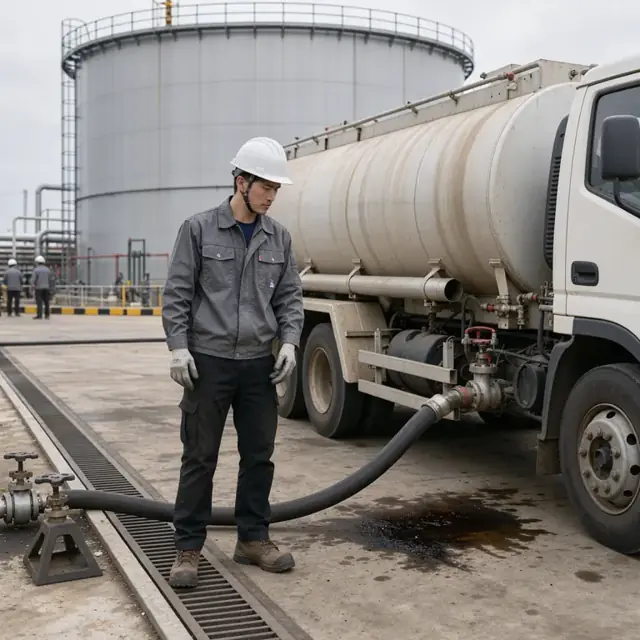
- Crude oil and fat shipments arrive by tanker truck or railcar that must be tested, sampled and scheduled for unloading into dedicated raw tanks
- Multi-step refining process with precise temperature, pressure, chemical addition and filtration parameters for each batch
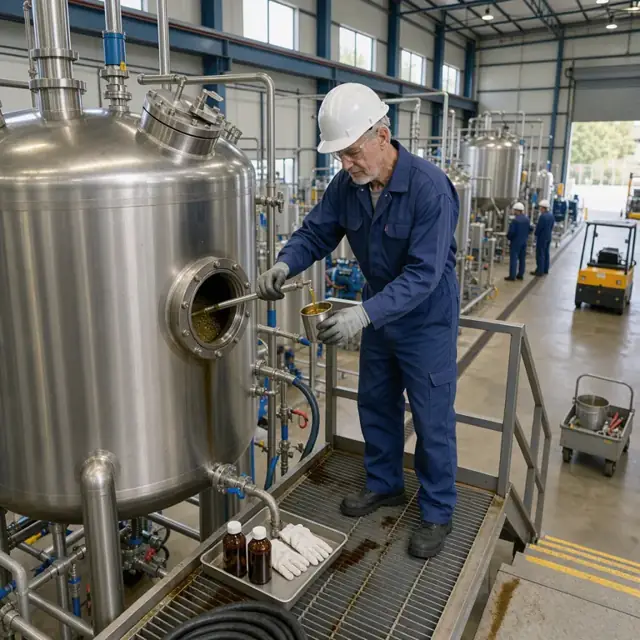
- Frequent lab testing at each stage for free fatty acids, peroxide value, color, moisture and impurities
- Bulk storage in heated or insulated tanks with nitrogen blanketing to prevent oxidation
- Custom blending of refined oils to exact customer specifications for fatty acid profile, smoke point and flavor
- Traceability from incoming lot to finished batch with full batch records and certificates of analysis
- Hazard analysis and critical control points monitoring, sanitation logs, and wastewater permits that differ by municipality
- Seasonal swings in crude oil availability and pricing that affect production planning and inventory turns
Specialist bots
Crude Intake Coordinator
Convert incoming crude shipment notices into scheduled unloading tasks with testing requirements.
Works in: Ambitious Tasks, Ambitious Sheets, Email Buckets · Workflows: Crude intake and unloading schedule
Automates
- Reads carrier announcements and extracts lot, volume and preliminary analysis
- Checks tank availability and suggests unloading windows
- Creates sampling tasks and receiving records
- Updates seven-day inventory forecast
Stops for a person
- The quality manager reviews and accepts or rejects each incoming lot
- The plant manager approves any schedule changes that affect production
- A person physically verifies tanker seals and takes samples

Refining Batch Planner
Turn accepted crude inventory into detailed multi-step refining batch instructions and test points.
Works in: Ambitious Tasks, Process Optimizer, Ambitious Docs · Workflows: Refining batch planning and execution
Automates
- Selects the next crude lot and target specification
- Builds the timed sequence of degumming, neutralizing, bleaching and deodorizing steps
- Inserts required lab test points at each stage
- Calculates chemical addition amounts and expected yields
Stops for a person
- The shift supervisor confirms equipment availability and adjusts sequence
- Operators verify actual process parameters against the plan
- Any deviation requires supervisor sign-off before continuing
Blend Formulator
Calculate exact ratios of refined oils to meet each custom blend specification and generate the blending worksheet.
Works in: Ambitious Sheets, Ambitious Docs, Ambitious Tasks · Workflows: Custom blend order fulfillment
Automates
- Compares requested specs against current refined stock analyses
- Computes precise blend percentages and batch size
- Produces the mixing order and agitation instructions
- Prepares the final test list and certificate of analysis template
Stops for a person
- The quality manager reviews and releases the blend formula
- The blender confirms tank and agitator readiness before starting
- A person approves the final blended product before shipment

Tank Inventory Manager
Maintain real-time visibility of every tank's volume, temperature and status to guide production and sales.
Works in: Ambitious Sheets, Ambitious Tasks · Workflows: Tank farm inventory and rotation
Automates
- Records transfers, receipts and temperature readings
- Calculates available yield after refining loss factors
- Flags tanks approaching capacity or heel limits
- Suggests FIFO rotation order for each oil type
Stops for a person
- Operators enter manual gauge readings twice per shift
- Management approves any inventory adjustments or write-offs
- A person verifies tank levels during physical inventory counts

Lab Test Coordinator
Generate test checklists for each process point, record results and flag any batch that fails specification.
Works in: Ambitious Tasks, Ambitious Sheets, Ambitious Docs · Workflows: In-process and finished product testing
Automates
- Creates the exact test list for each refining stage or finished blend
- Logs incoming lab data and compares against limits
- Attaches results to the digital batch record
- Alerts when a batch requires reprocessing
Stops for a person
- The quality manager reviews all out-of-spec results and decides on disposition
- Lab technicians calibrate instruments and sign test sheets
- Retained sample labels and storage are verified by a person

Shipment Dispatcher
Prepare all shipping documents, loading instructions and customer certificates once a batch is approved.
Works in: Ambitious Docs, Ambitious Tasks, Contract Analyzer · Workflows: Finished product shipment and documentation
Automates
- Confirms batch release status and available volume
- Generates bill of lading, certificate of analysis and load checklist
- Prints labels and records seal numbers
- Closes inventory and triggers reorder signals
Stops for a person
- Quality signs the certificate of analysis before it is sent
- Loading personnel inspect the tanker interior and verify cleanliness
- A person releases the truck after loading and sealing

Compliance and Log Clerk
Maintain daily sanitation, critical control point and permit tracking logs required for the facility.
Works in: Ambitious Tasks, Ambitious Sheets, Ambitious Docs · Workflows: Safety, sanitation and permit tracking
Automates
- Generates shift checklists for sanitation and critical control points
- Records wastewater, temperature and chemical logs
- Tracks permit and report due dates
- Compiles summary data for monthly reviews
Stops for a person
- The plant manager confirms which local wastewater limits and permit requirements apply
- All corrective actions and audit responses are handled and signed by people
- A person reviews and approves every completed log before archiving
Workflows
Crude intake and unloading schedule
Starts when: A supplier or carrier announces an incoming tanker or railcar of crude oil or fat
- Capture carrier details, lot number, expected volume and preliminary certificate of analysis
- Schedule the unloading window against available raw storage tanks and current production
- Assign a sampling and testing protocol before acceptance
- Create a receiving task with tank destination and initial test requirements
- Update inventory projections for the next seven days
Watch for: Tanks must be compatible with the oil type and free of cross-contamination; Unloading cannot begin until lab confirms the crude meets acceptance criteria
Refining batch planning and execution
Starts when: Daily production meeting or when a tank of crude is accepted
- Select the next crude lot and target finished specification
- Generate the step-by-step refining recipe with chemical dosages, temperatures, vacuum levels and hold times
- Assign equipment and sequence the batch through degumming, neutralization, bleaching, filtration and deodorization
- Create in-process test points and required lab samples
- Log start and end times for each process stage
Watch for: Process parameters must stay within narrow ranges to avoid off-spec product; Waste streams from each stage require separate tracking for wastewater treatment
Custom blend order fulfillment
Starts when: A customer purchase order or internal request for a specific blended oil
- Review the requested fatty acid profile, stability and physical specs against available refined stocks
- Calculate the exact blend ratios and draft a blending worksheet
- Schedule the blend tank and any heating or mixing time
- Create a sampling and final testing plan
- Draft the certificate of analysis template for the batch
Watch for: Some blends require specific order of addition and agitation speeds; Finished blends must be held until all test results are reviewed and approved
Tank farm inventory and rotation
Starts when: Every shift change and after each transfer or receipt
- Record volumes, temperatures and headspace in every raw, in-process and finished tank
- Calculate available yield after expected refining losses
- Flag tanks that are nearing minimum heel or maximum capacity
- Suggest rotation order to minimize oxidation and maintain FIFO
- Update the master inventory sheet used by sales and scheduling
Watch for: Oils must be kept at correct temperatures to stay liquid without degrading; Nitrogen blanketing levels and tank integrity checks are required daily
In-process and finished product testing
Starts when: Each refining step completion and every finished batch
- Generate the test checklist for the current process point
- Record lab results for free fatty acids, peroxide, color, moisture, impurities and other specs
- Compare results against internal and customer limits
- Flag out-of-spec batches for reprocessing or downgrade
- Attach test data to the batch record
Watch for: Test equipment calibration records must be current; Retain samples for each batch must be labeled and stored for the required period
Finished product shipment and documentation
Starts when: A customer requests shipment or a filled order reaches ship date
- Confirm the batch is released by quality and has sufficient volume in the correct tank
- Generate bill of lading, certificate of analysis and loading checklist
- Schedule the tanker or drum filling and label printing
- Record loading temperature, seal numbers and carrier details
- Close the batch in inventory and trigger reorder of crude if needed
Watch for: Tankers must be inspected for cleanliness before loading; Temperature during loading and transit must stay within specification
Safety, sanitation and permit tracking
Starts when: Start of each shift, weekly and on fixed calendar dates
- Generate daily sanitation and critical control point checklists
- Log temperatures, pressures, chemical concentrations and wastewater readings
- Track renewal dates for operating permits, wastewater discharge and environmental reports
- Maintain the master list of current material safety data sheets for all chemicals
- Compile monthly summary reports for management review
Watch for: Local limits on wastewater pH, oil and grease, and BOD vary by municipality; All logs and records must be ready for unannounced audits
Bot templates for this industry
- Fats and Oils Refining and Blending (7 bots)
Source: U.S. Small Business Administration, Office of Size Standards, Table of Small Business Size Standards Matched to North American Industry Classification System Codes, version March 2023 (effective 2023-03-17, NAICS 2022). Size standards are shown for reference only.