

Breakfast Cereal Manufacturing
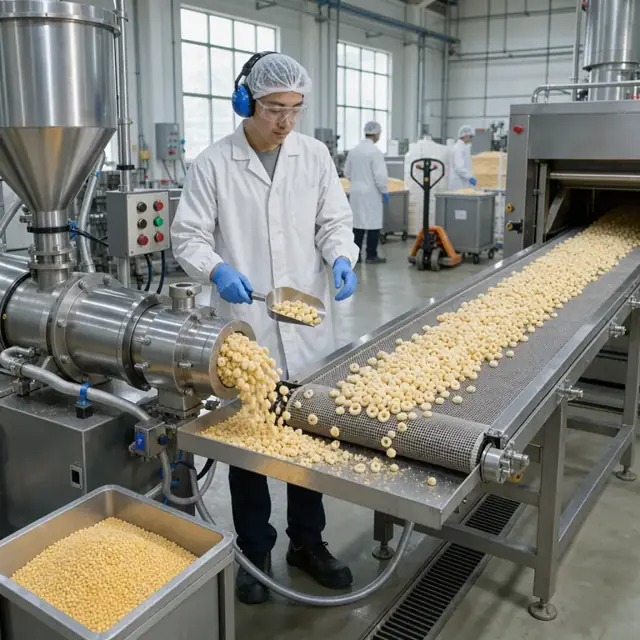
Breakfast cereal manufacturers produce ready-to-eat and hot cereals in large batches using grains, sweeteners, flavorings and fortificants. For a plant that runs weekly production of flaked, puffed, shredded and granola-style cereals with private-label and branded SKUs, the specialists turn sales orders and forecasts into a master production schedule, convert the schedule into precise ingredient and packaging orders, track lot-controlled raw materials through mixing, cooking, forming, toasting, coating and packaging while maintaining allergen separation, metal detection and quality logs. Recipes, nutritional labels, FDA requirements and food-safety plans remain with the quality team.
What makes this business different
- Large batch production of multiple cereal types sharing the same extrusion, flaking and toasting lines with strict changeover and allergen cleaning protocols
- Ingredient lot traceability from grain silos through finished pallets for recall readiness
- Seasonal demand spikes around back-to-school and holidays that require advance planning of bulk grains and specialty packaging
- Fortification with vitamins and minerals that must be dosed precisely and verified by lab
- Bulk, club and retail packaging formats that change per order and require different film, cartons and cases
- Preventive controls, HACCP, metal detection, sieve checks and environmental monitoring that generate daily records
- Private-label customers who supply their own artwork and nutritional specs that must match exactly
Specialist bots

Demand Planner
Convert sales orders, forecasts and seasonal patterns into a feasible master production schedule.
Works in: Ambitious Sheets, Process Optimizer, Ambitious Tasks · Workflows: Demand forecasting and master scheduling
Automates
- Aggregates order and shipment history
- Builds the 4-week master schedule respecting line and changeover constraints
- Flags capacity or material conflicts
- Drafts the schedule for approval
Stops for a person
- Production manager approves the final master schedule
- Procurement confirms material availability before schedule is locked

Procurement Coordinator
Turn the master schedule into accurate ingredient and packaging purchase orders while tracking lots and lead times.
Works in: Ambitious Sheets, Ambitious Tasks, Ambitious Docs · Workflows: Ingredient and packaging procurement
Automates
- Explodes schedule into raw material and packaging needs
- Subtracts current stock and creates purchase lists
- Tracks supplier lead times and harvest windows
- Maintains certificate-of-analysis files
Stops for a person
- Purchasing manager approves and sends all purchase orders
- Quality team reviews supplier certificates
Production Scheduler
Release daily shift schedules, issue lots and capture real-time execution data from each processing step.
Works in: Ambitious Tasks, Process Optimizer, Ambitious Sheets · Workflows: Daily production execution and lot control
Automates
- Loads approved schedule to line systems
- Issues raw materials with lot numbers
- Records process parameters and quality checks
- Calculates yields and flags deviations
Stops for a person
- Line operators confirm lot usage and process settings
- Supervisors review and release completed batch records

Quality and Food Safety Clerk
Generate and maintain all HACCP, preventive control, environmental and lot traceability records required for each run.
Works in: Ambitious Tasks, Ambitious Docs, Ambitious Sheets · Workflows: Quality assurance and food safety documentation
Automates
- Creates daily checklists for each line
- Logs cooker temperatures, metal detector tests and environmental swabs
- Tracks fortification samples sent to lab
- Maintains full lot traceability forward and backward
Stops for a person
- The quality manager reviews every deviation and hold
- People perform physical inspections and sign off on records
- The bot never certifies compliance

Packaging and Labeling Specialist
Ensure every SKU's artwork, nutrition facts, ingredient list and claims exactly match the approved recipe and customer requirements.
Works in: Ambitious Docs, Contract Analyzer, Ambitious Tasks · Workflows: Packaging and label compliance
Automates
- Pulls approved artwork and label files for each run
- Compares nutritional values against recipe and lab results
- Generates lot-coded case and pallet labels
- Verifies private-label packaging files
Stops for a person
- Quality manager approves all labels before printing
- Customer artwork changes are confirmed by the owner

Finished Goods and Logistics Coordinator
Track finished cereal inventory by lot, pick orders according to FIFO and prepare shipping documents.
Works in: Ambitious Sheets, Ambitious Tasks, Ambitious Docs · Workflows: Finished goods inventory and shipment preparation
Automates
- Moves completed production into inventory with lot tracking
- Picks orders using FIFO rules
- Generates bills of lading and advance shipping notices
- Reconciles shipments to the master schedule
Stops for a person
- Warehouse supervisor verifies pick accuracy and release status
- Logistics manager approves all outbound shipments

Customer Order Manager
Capture incoming customer orders and forecasts, confirm feasibility against the production schedule and communicate changes.
Works in: Ambitious Tasks, Email Buckets, Ambitious Docs · Workflows: Customer order intake and change management
Automates
- Reads new orders and forecast updates
- Checks against current schedule and inventory
- Drafts confirmations and schedule impact notes
- Updates demand forecast
Stops for a person
- Sales manager approves all order confirmations and changes
- Any schedule impact is reviewed by production before commitment
Workflows
Demand forecasting and master scheduling
Starts when: Weekly on Monday morning and when large customer orders arrive
- Pull last week's shipments, current open orders and seasonal trends from sales data
- Combine with customer forecasts and historical patterns to project volume by SKU
- Run the production scheduler to generate a 4-week master schedule that respects line capacities and changeover rules
- Flag any conflicts with grain receiving windows or packaging lead times
- Draft the proposed schedule for review
Watch for: Changeovers between allergen and non-allergen products require full cleaning and line clearance; Bulk grain deliveries must align with silo space and production timing
Ingredient and packaging procurement
Starts when: After master schedule is approved and on a rolling 30-day cadence
- Explode the master schedule into raw material and packaging requirements by lot size
- Subtract current inventory and on-order quantities
- Generate purchase orders for grains, sugars, oils, vitamins, flavorings, film and cartons
- Track supplier lead times and adjust for harvest seasonality of oats, corn and rice
- Maintain approved supplier and certificate-of-analysis records
Watch for: Certain grains are purchased in rail or truckload quantities with moisture and quality specs; Packaging artwork and nutritional claims must be verified before printing
Daily production execution and lot control
Starts when: Start of each production shift
- Load the approved schedule into the line control system
- Issue raw materials from silos and warehouses with lot numbers
- Record each step: mixing ratios, cook time and temperature, flaking roll gaps, toasting oven profiles, coating spray rates and packaging counts
- Capture in-process quality checks and metal-detector tests
- Close out each lot with yield and waste data
Watch for: Allergen runs must be sequenced last in the day with full sanitation afterward; Moisture, density and bowl-life tests are performed on every batch
Quality assurance and food safety documentation
Starts when: Every production run and on scheduled audit dates
- Generate the daily HACCP, preventive control and environmental monitoring checklists
- Log cooker temperatures, metal detector performance, sieve integrity and swab results
- Record fortificant addition rates and send samples to the lab for vitamin assay
- Maintain lot traceability from incoming grain to finished pallet
- Track certificate-of-analysis and regulatory renewal dates
Watch for: Any deviation triggers a hold on the lot until reviewed; The quality manager confirms which tests and records are required
Packaging and label compliance
Starts when: When production schedule releases a new SKU or customer order
- Pull approved artwork, nutrition facts and ingredient statements for the specific SKU
- Verify that claims, allergens and fortification levels match the recipe
- Draft case and pallet labels with correct lot and best-by dates
- Check that private-label packaging matches the customer's supplied files
- Create the finished-goods inventory entry
Watch for: Nutritional labels must be calculated from the exact recipe and verified by lab results; Multiple packaging formats exist for the same cereal base
Finished goods inventory and shipment preparation
Starts when: End of each production day and when customer orders are due
- Move completed pallets into finished goods warehouse with lot tracking
- Pick orders according to FIFO and customer requirements
- Generate bills of lading and customer-specific shipping documents
- Draft advance shipping notices
- Reconcile actual shipments against the master schedule
Watch for: Certain customers require specific pallet patterns or temperature-controlled transport; Inventory must be held until all quality releases are complete
Customer order intake and change management
Starts when: When a new order or forecast update arrives from a retailer or distributor
- Capture the SKU, quantity, packaging type, ship date and special instructions
- Check against current production schedule and available inventory
- Draft order confirmation and requested production adjustments
- Update the demand forecast and master schedule if needed
- Notify procurement of any packaging or ingredient impacts
Watch for: Private-label orders often arrive with last-minute artwork or claim changes; Changes after cutoff may require schedule rework
Bot templates for this industry
- Breakfast Cereal Manufacturing (7 bots)
Source: U.S. Small Business Administration, Office of Size Standards, Table of Small Business Size Standards Matched to North American Industry Classification System Codes, version March 2023 (effective 2023-03-17, NAICS 2022). Size standards are shown for reference only.