

Nonchocolate Confectionery Manufacturing
Nonchocolate confectionery manufacturers produce hard candies, gummies, caramels, licorice, taffy and seasonal sweets in batches from recipes that specify temperature, timing and ingredients. For a kitchen that runs weekly production of custom and standard lines with private-label orders, the specialists turn sales orders and forecasts into a batch production schedule, convert the schedule into a precise ingredient and packaging pull list, track batch codes and retain samples, and manage seasonal demand spikes while maintaining temperature logs, allergen controls and labeling requirements. Recipes, food-safety decisions and final sign-off stay with the production manager.
What makes this business different
- Precise batch cooking with temperature and humidity controls that must be logged for every run
- Allergen segregation including dedicated equipment or thorough cleaning between runs for nuts, soy or dairy
- Lot traceability from raw materials through finished goods with retain samples held for a set period
- Seasonal demand surges for holidays that require advance scheduling of lines and inventory builds
- Packaging that includes twist wraps, cello bags, boxes and labels with ingredient statements and allergen declarations
- Raw materials such as sugars, corn syrup, gelatin, flavors and colors purchased in bulk with strict rotation
- Private-label and contract manufacturing orders that carry customer-specific formulas and packaging
- Regulatory paperwork for facility registration, nutritional labeling verification and complaint tracking
Specialist bots

Order Coordinator
Convert incoming purchase orders and forecasts into confirmed production orders with correct formulas and packaging.
Works in: Ambitious Tasks, Ambitious Docs, Email Buckets · Workflows: Order intake and formula confirmation
Automates
- Parses order details and required ship dates
- Matches against approved formulas and allergen profiles
- Creates production tasks with full specifications
- Drafts order acknowledgments
Stops for a person
- Production manager approves any formula deviations or new items
- Customer-specific packaging artwork is reviewed by a person before use

Production Scheduler
Build weekly master schedules that respect line capacities, allergen sequencing and seasonal demand.
Works in: Ambitious Sheets, Process Optimizer · Workflows: Production scheduling and line allocation
Automates
- Combines orders into a rolling production plan
- Sequences runs to minimize allergen changeovers
- Calculates batch sizes and projected completion times
- Highlights capacity conflicts for seasonal peaks
Stops for a person
- The production manager approves the final weekly schedule
- Any overtime or expedited runs are authorized by a person

Materials Planner
Generate accurate pull lists for ingredients and packaging based on the production schedule and current stock.
Works in: Ambitious Sheets, Ambitious Tasks · Workflows: Ingredient and packaging pull, Inventory replenishment and rotation
Automates
- Explodes formulas into precise material requirements
- Subtracts current inventory and suggests reorder quantities
- Creates staged pull lists with lot tracking
- Monitors shelf-life and rotation rules
Stops for a person
- Purchasing approvals and actual orders are placed by a person
- Any material substitution is confirmed by the production manager
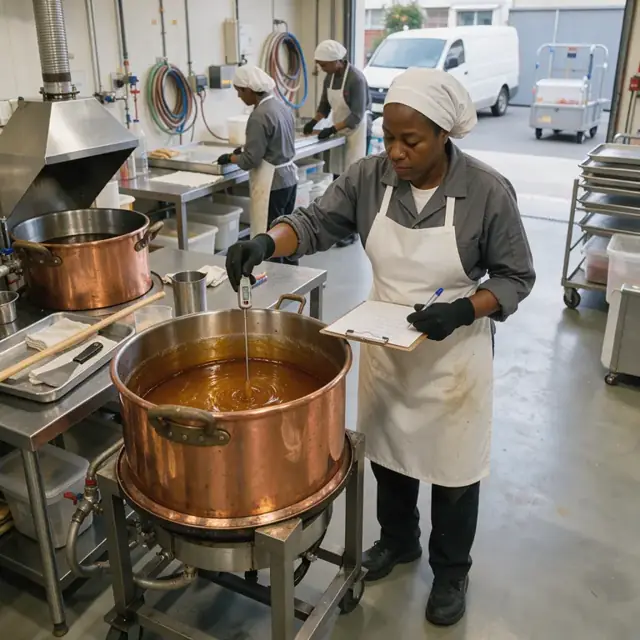
Batch Documenter
Create batch records with formulas, capture in-process data and manage lot-coded retain samples.
Works in: Ambitious Docs, Ambitious Tasks, Ambitious Sheets · Workflows: Batch production and in-process checks, Quality checks and batch release
Automates
- Generates batch sheets with target parameters
- Logs recorded temperatures and process times
- Assigns sequential lot codes and sample labels
- Prepares hold or release documentation
Stops for a person
- The production manager reviews and signs every batch record
- Any deviation or out-of-spec result triggers immediate human review

Compliance Clerk
Maintain regulatory logs, update label databases and track traceability records for every lot.
Works in: Ambitious Docs, Ambitious Sheets, Ambitious Tasks · Workflows: Regulatory and traceability documentation
Automates
- Compiles daily processing and temperature logs
- Keeps ingredient and allergen statements current
- Generates traceability reports by lot
- Tracks renewal dates for registrations and analyses
Stops for a person
- The production manager confirms which requirements apply to each product
- All final documents and submissions are reviewed and filed by people
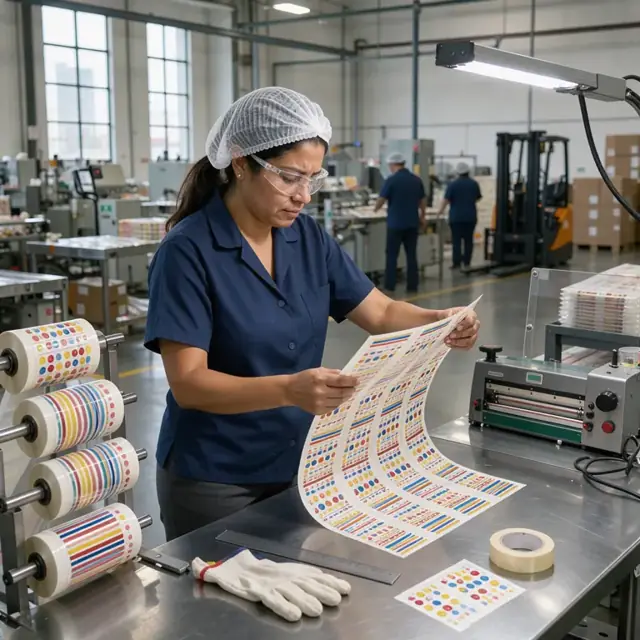
Label and Packaging Verifier
Ensure all packaging artwork, ingredient lists and allergen declarations stay accurate to current formulas.
Works in: Contract Analyzer, Ambitious Docs · Workflows: Regulatory and traceability documentation, Order intake and formula confirmation
Automates
- Compares label text against master formula database
- Flags mismatches in claims or declarations
- Maintains version history of approved artwork
- Prepares label proofs for new items
Stops for a person
- Final label approval and printing sign-off are performed by a person
- Customer-supplied label files are reviewed before production
Workflows
Order intake and formula confirmation
Starts when: A customer or distributor submits a purchase order or forecast
- Capture product type, quantity, packaging format, special formulas and delivery date
- Match against approved formulas and current production capabilities
- Confirm allergen and labeling requirements for the specific item
- Create a production order task with batch size and due date
- Draft acknowledgment and request any missing specifications
Watch for: Private-label orders may require customer-supplied artwork or exact ingredient lists; Allergen declarations must match the exact formula without assumptions
Production scheduling and line allocation
Starts when: Weekly forecast update or new firm orders
- Combine open orders and forecast into a master production schedule
- Assign batches to specific lines based on equipment, changeover needs and allergen rules
- Calculate required run quantities including scrap and test batches
- Flag seasonal items needing earlier production and longer storage
- Output a daily schedule with start times and changeover windows
Watch for: Changeover time increases when moving between allergen and non-allergen products; Candy cookers and depositors have fixed capacities per shift
Ingredient and packaging pull
Starts when: One day before each scheduled production run
- Explode the production schedule by formula into raw material quantities
- Subtract current inventory and generate a staged pull list
- Include packaging materials matched to each item and quantity
- Check lot numbers and expiration dates of pulled materials
- Create a staging task for the warehouse team
Watch for: Sugars and syrups must be weighed precisely to formula; Packaging must be staged in the correct count to avoid line stops
Batch production and in-process checks
Starts when: Start of each scheduled production shift
- Generate batch sheet with exact formula, target temperatures and cook times
- Record actual temperatures, times and adjustments during the cook
- Assign and print lot codes for traceability on every package
- Pull and label retain samples for each batch
- Log any deviations and corrective actions
Watch for: Critical temperature points must be reached and held; Cleaning verification required between allergen runs
Quality checks and batch release
Starts when: Completion of each production batch
- Record results of moisture, texture, weight and sensory checks
- Compare against specification sheet for that product
- Hold or release the batch based on test results
- Update inventory with released quantities and lot codes
- Generate certificate of analysis draft when required
Watch for: Retain samples must be stored under controlled conditions; Any out-of-spec batch requires production manager review
Inventory replenishment and rotation
Starts when: Daily and at end of each week
- Scan finished goods and compare against minimum stock levels
- Identify items approaching reorder points or shelf-life limits
- Draft purchase orders for bulk sugars, flavors and packaging
- Enforce first-in-first-out rotation for all ingredients
- Flag slow-moving seasonal items for promotion
Watch for: Many ingredients are hygroscopic and have limited shelf life once opened; Packaging inventory must match upcoming production schedule exactly
Regulatory and traceability documentation
Starts when: End of each production day and on fixed calendar dates
- Compile daily temperature and processing logs
- Update master allergen and ingredient label database
- Track facility registration, nutritional analysis and complaint log
- Prepare shipment-specific traceability records
- Alert on upcoming renewal or testing deadlines
Watch for: Lot traceability must extend from incoming raw materials to shipped cases; Label statements must be verified against current formulas
Bot templates for this industry
Source: U.S. Small Business Administration, Office of Size Standards, Table of Small Business Size Standards Matched to North American Industry Classification System Codes, version March 2023 (effective 2023-03-17, NAICS 2022). Size standards are shown for reference only.