

Chocolate and Confectionery Manufacturing from Cacao Beans
Chocolate and confectionery manufacturers from cacao beans roast, grind, conche, temper and mold chocolate into bars, truffles, couvertures and seasonal confections. For a bean-to-bar operation that produces small-batch dark chocolate bars, holiday gift boxes and wholesale couverture, the specialists turn cacao shipments into roast and grind schedules, recipes into production runs with tempering and molding plans, track inventory of beans, nibs, cocoa butter and finished bars, manage seasonal orders and maintain food-safety and labeling records. Recipes, sensory profiles and quality standards stay with the chocolatier.
What makes this business different
- Traceability from specific cacao bean lots through roast, grind, conche and final bar with lot codes on every batch
- Roasting, grinding and conching schedules that run on precise time and temperature curves for flavor development
- Tempering and molding that must maintain exact crystal structure to avoid bloom, with cooling tunnel parameters
- Inventory of raw beans, nibs, cocoa liquor, cocoa butter, sugar, vanilla and molds that must be kept at correct humidity and temperature
- Seasonal production spikes for holidays, gift boxes, custom enrobed confections and wholesale couverture orders
- Allergen control, ingredient labeling, nutrition facts, organic or fair-trade certifications and lot tracking for recalls
- Wholesale customers with private-label specifications, minimum order quantities and delivery windows
- Food-safety logs, facility permits, equipment calibration records and sanitation schedules required for each production day
- Regulatory filings for nutrition labeling, allergen declarations and any origin or certification claims
Specialist bots
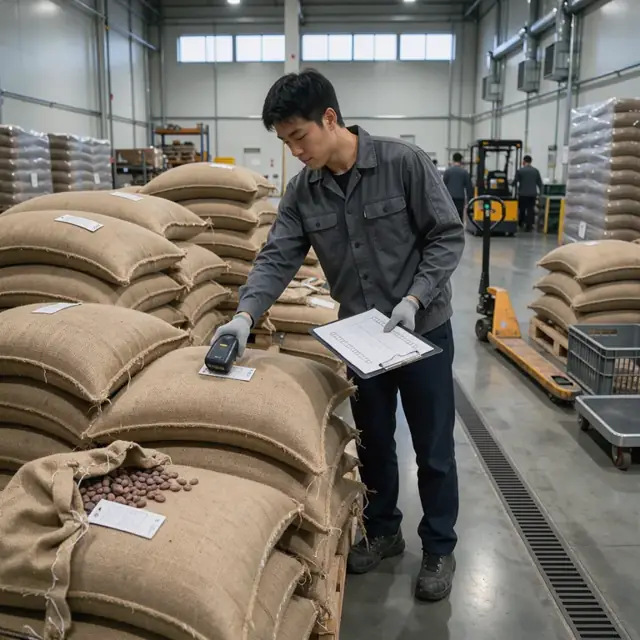
Bean Receiver and Traceability Clerk
Log every cacao shipment with full lot traceability and move it into climate-controlled storage.
Works in: Ambitious Sheets, Ambitious Docs, Ambitious Tasks · Workflows: Cacao bean receiving and traceability
Automates
- Creates intake records with supplier and origin data
- Assigns internal lot codes
- Updates bean inventory and flags documentation
- Creates roast-readiness tasks
- Generates initial storage safety checklists
Stops for a person
- The chocolatier confirms bean quality and storage conditions
- A person physically inspects and signs for each shipment

Roast and Conche Scheduler
Turn weekly orders and bean inventory into a precise roast, grind and conche production calendar.
Works in: Process Optimizer, Ambitious Sheets, Ambitious Tasks · Workflows: Roast, grind and conche scheduling
Automates
- Reviews bean stock and upcoming orders
- Builds time-temperature roast schedules by origin
- Calculates conche durations against downstream capacity
- Generates batch cards and allergen flags
- Creates equipment cleaning verification tasks
Stops for a person
- The chocolatier approves all roast profiles
- The owner adjusts the schedule for equipment maintenance

Tempering and Molding Planner
Convert finished chocolate liquor into tempering parameters, molding sequences and batch labels.
Works in: Ambitious Tasks, Ambitious Docs, Process Optimizer · Workflows: Chocolate production and molding
Automates
- Calculates batch sizes for available molds
- Sets precise tempering curves
- Creates molding and cooling tunnel schedules
- Generates lot-coded labels and yield trackers
- Logs all temperature readings from the run
Stops for a person
- The chocolatier confirms tempering settings and tastes the batch
- A person performs final visual inspection of molded bars
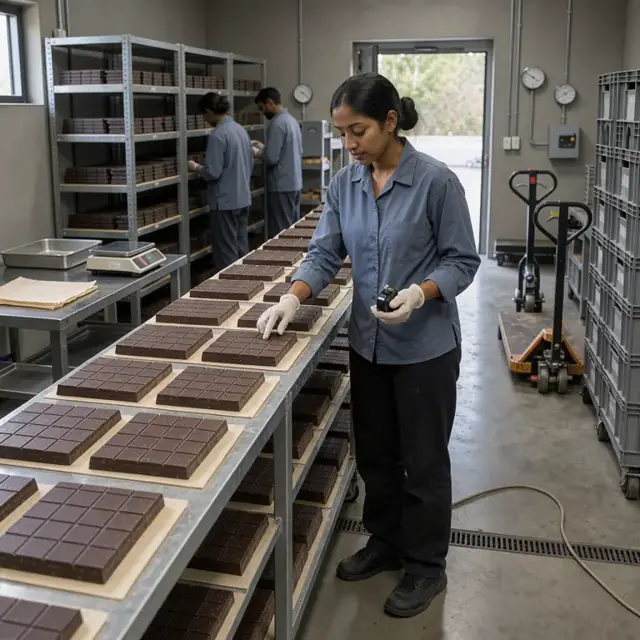
Inventory and Aging Tracker
Maintain real-time stock of beans, ingredients, aging bars and packaging materials.
Works in: Ambitious Sheets, Ambitious Tasks · Workflows: Ingredient and finished goods inventory
Automates
- Subtracts ingredients after each run
- Adds finished bars with lot and aging dates
- Calculates reorder points for packaging
- Flags near-expiry stock
- Reconciles counts after each production day
Stops for a person
- The owner approves all purchases
- The chocolatier decides when aged bars move to sale

Order and Shipping Coordinator
Match customer orders to finished inventory, prepare shipping documents and temperature-controlled instructions.
Works in: Ambitious Tasks, Ambitious Docs, Ambitious Sheets · Workflows: Wholesale and seasonal order fulfillment
Automates
- Reserves specific lots for each order
- Generates pick lists and packing slips
- Drafts commercial invoices and shipping labels
- Creates temperature shipping guidelines
- Prepares traceability and food-safety shipment summaries
Stops for a person
- The owner approves all shipments and spends money
- A person packs and verifies each box before sealing
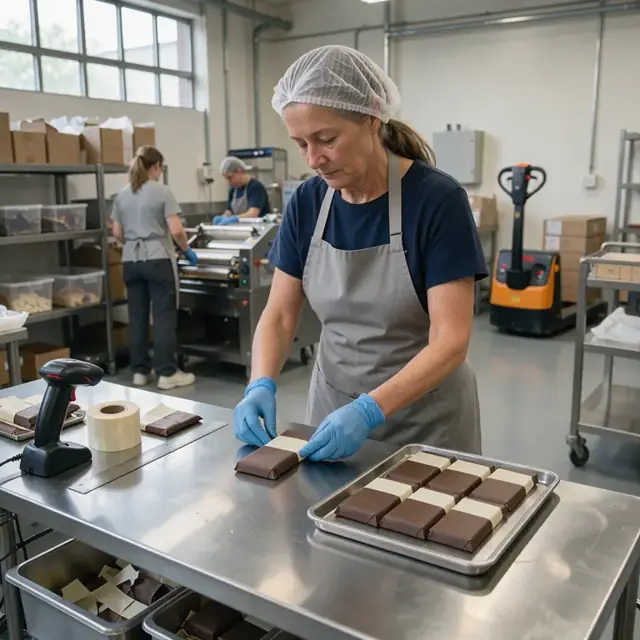
Quality and Labeling Clerk
Produce accurate batch records, ingredient lists, nutrition labels and traceability documentation.
Works in: Ambitious Docs, Ambitious Sheets, Ambitious Tasks · Workflows: Quality control and labeling, Food safety and regulatory paperwork
Automates
- Drafts ingredient statements and nutrition facts from recipes
- Generates lot-specific labels
- Compiles batch records for filing
- Tracks required certification seals
- Generates daily sanitation and calibration checklists
Stops for a person
- The chocolatier verifies all sensory and recipe data
- A person reviews and approves every label before printing
- The owner confirms which regulatory filings are required
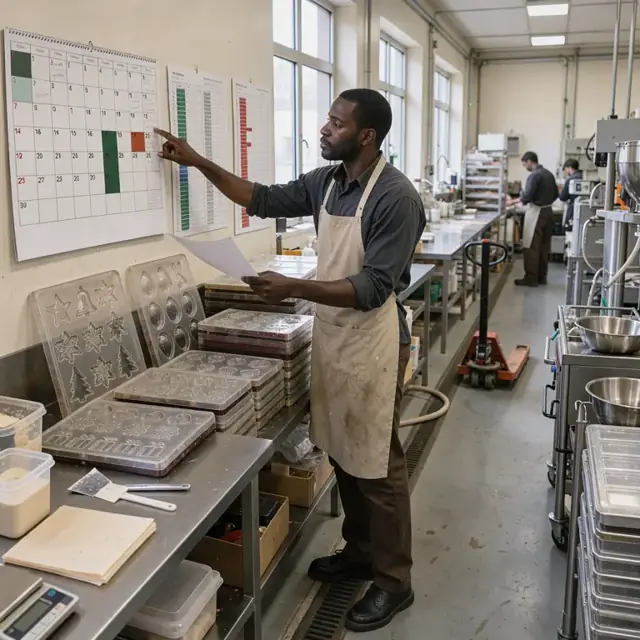
Seasonal Production Planner
Forecast holiday and limited-edition demand and build a multi-week production calendar.
Works in: Process Optimizer, Ambitious Sheets, Ambitious Tasks · Workflows: Seasonal and holiday production planning
Automates
- Forecasts seasonal order volumes
- Aligns with current inventory and lead times
- Builds the production calendar
- Identifies bottlenecks and suggests pre-orders
- Generates peak-season permit and inspection checklists
Stops for a person
- The owner sets final production targets and approves spending
- The chocolatier approves all new seasonal recipes
Workflows
Cacao bean receiving and traceability
Starts when: Arrival of a new bean shipment or supplier invoice
- Record supplier, lot number, origin, quantity and certificate of analysis
- Assign internal lot code and move beans into climate-controlled storage
- Update bean inventory sheet with roast-readiness date
- Flag any organic, fair-trade or origin-specific documentation
- Create a receiving task for the next roast schedule
- Generate initial food-safety storage checklist
Watch for: Beans must be kept at proper humidity to prevent mold; Full traceability required from farm to finished bar; The chocolatier confirms bean quality before storage
Roast, grind and conche scheduling
Starts when: Weekly production meeting or low inventory on a specific chocolate type
- Review current bean inventory and upcoming orders
- Build a roast schedule by bean origin and flavor target
- Calculate grind and conche times to match tempering and molding availability
- Generate batch cards with exact time-temperature curves
- Flag any allergen cross-contact risks for shared equipment
- Create equipment-cleaning verification task before each run
Watch for: Roast profiles are proprietary and must be followed exactly; Conche runs can last many hours and tie up equipment; The chocolatier must approve any changes to roast curves
Chocolate production and molding
Starts when: Approved roast and conche completion
- Confirm tempering parameters for the specific chocolate recipe
- Calculate batch size against available molds and cooling capacity
- Generate molding and demolding sequence with cooling tunnel settings
- Print batch labels with lot code, ingredients and best-by date
- Record actual yield, scrap and rework
- Log all tempering temperatures and cooling tunnel readings
Watch for: Temper must stay within narrow temperature range or the batch is rejected; Molds must be perfectly clean to avoid defects; The chocolatier tastes and signs off on each batch before labeling
Ingredient and finished goods inventory
Starts when: After each production run and weekly
- Update bean, nib, liquor, butter and sugar usage from batch cards
- Add newly molded bars to finished goods inventory with lot codes
- Track aging of bars for optimal flavor development
- Calculate reorder points for packaging, ribbons and seasonal boxes
- Flag any items approaching best-by dates for priority sale
- Reconcile physical counts against system records
Watch for: Chocolate and cocoa butter are sensitive to temperature fluctuations; Seasonal packaging must be ordered months in advance; The owner approves all reorder purchases
Wholesale and seasonal order fulfillment
Starts when: New customer order or start of a seasonal sales window
- Check order against current finished goods and production schedule
- Reserve specific lots that meet customer specifications
- Generate pick list, packing slip and commercial invoice
- Draft temperature-controlled shipping instructions
- Create shipping task with carrier label drafts
- Prepare food-safety and traceability shipment summary
Watch for: Many wholesale customers require specific lot traceability; Chocolate must ship without melting in warm months; The owner approves all invoices and shipping documents
Quality control and labeling
Starts when: End of each production run and before shipment
- Record sensory and lab results against recipe standards
- Draft ingredient lists, nutrition facts and allergen statements
- Generate labels for bars, boxes and bulk couverture
- Track any required organic, fair-trade or origin seals
- File batch records for traceability
- Create daily sanitation and equipment calibration checklist
Watch for: Label claims must exactly match the confirmed recipe; Allergen and nutritional information must be verified by the chocolatier; The owner confirms which regulatory filings are required
Seasonal and holiday production planning
Starts when: Quarterly and before major holidays
- Forecast demand for holiday gift boxes and molded confections
- Compare against current bean and packaging inventory
- Build a multi-week production calendar using the process optimizer
- Identify equipment and labor bottlenecks
- Draft pre-orders for limited-edition bars
- Generate permit and inspection readiness checklist for peak season
Watch for: Holiday windows are fixed and cannot be missed; Special molds and packaging have long lead times; The chocolatier approves all new seasonal recipes and the owner sets production targets
Food safety and regulatory paperwork
Starts when: Every production day and on renewal or audit dates
- Generate daily sanitation, handwashing and equipment calibration checklist
- Log all temperature, time and cleaning records from production
- Track facility permit, insurance and any certification renewal dates
- Compile batch traceability records for potential recall
- Draft summary reports for any third-party audits
- Flag any upcoming label or nutrition filing deadlines
Watch for: Rules differ by jurisdiction for food manufacturing facilities; The owner confirms which permits, filings and certifications apply; People perform and sign off on all inspections and corrective actions
Bot templates for this industry
Source: U.S. Small Business Administration, Office of Size Standards, Table of Small Business Size Standards Matched to North American Industry Classification System Codes, version March 2023 (effective 2023-03-17, NAICS 2022). Size standards are shown for reference only.