

Confectionery Manufacturing from Purchased Chocolate
Confectionery manufacturers using purchased chocolate take orders for truffles, bark, clusters and seasonal molded pieces. They melt and temper chocolate in batches, mix in inclusions, hand-finish or mold, cool, package and ship or deliver. Recipes, tempering curves, allergen protocols and labeling stay with the chocolatier. The specialists turn customer orders into production runs, production runs into ingredient pulls and temper schedules, and finished batches into packed orders and reorders.
What makes this business different
- Custom and seasonal orders with many options (flavors, inclusions, shapes, packaging, dietary and allergen notes) that must reach the production floor exactly as ordered
- Tempering chocolate in small batches with precise temperature curves and seeding methods
- Allergen separation using dedicated tools and surfaces for nut-free, dairy-free and other restricted runs
- Shelf-life and humidity-sensitive finished goods that require specific cooling, wrapping and storage
- Hand-finishing, molding and packaging steps that limit daily output
- Labeling with ingredients, allergens, lot codes, best-by dates and nutritional statements
- Repeat business customers, corporate gifts, holiday peaks and event orders
- Food-safety logs, facility permits and food-handler cards tracked by the owner
Specialist bots

Order Taker
Turn every custom confectionery order into a confirmed, production-ready specification.
Works in: Ambitious Tasks, Ambitious Docs, Email Buckets · Workflows: Order intake and customization
Automates
- Reads incoming order messages and online forms
- Captures product type, flavors, inclusions, packaging and all allergen notes
- Checks against production calendar and minimum batch sizes
- Drafts order confirmation and payment status summary
- Creates the production-ready order task
Stops for a person
- The chocolatier approves any off-menu custom designs or shapes
- Allergen questions are escalated to the chocolatier
- A person sends final confirmations and handles payment

Production Scheduler
Convert confirmed orders into an optimized daily tempering and molding schedule.
Works in: Ambitious Tasks, Process Optimizer, Ambitious Sheets · Workflows: Production scheduling and tempering plan
Automates
- Groups orders by chocolate type and allergen profile
- Builds the timed tempering and cooling schedule
- Sequences runs to reduce changeover and cross-contact
- Calculates exact batch sizes and flags custom finishing needs
Stops for a person
- The chocolatier reviews and adjusts the daily schedule
- Any changes to allergen sequencing are approved by a person
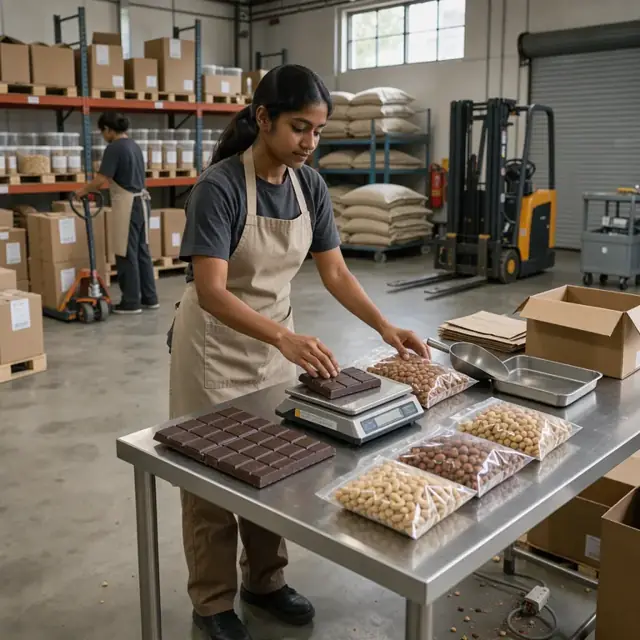
Ingredient and Inventory Manager
Turn the production schedule into accurate ingredient pull lists and maintain stock levels.
Works in: Ambitious Sheets, Ambitious Tasks · Workflows: Ingredient pulling and inventory management
Automates
- Explodes schedule into chocolate, inclusions and packaging needs
- Subtracts current inventory and flags reorder quantities
- Maintains par levels for bulk chocolate and seasonal packaging
- Logs scrap and waste chocolate from each run
Stops for a person
- The owner approves and places all purchases
- Any ingredient substitution that affects a recipe requires chocolatier approval

Tempering and Batch Technician
Guide each production run through precise melting, tempering, mixing and finishing steps.
Works in: Ambitious Tasks, Ambitious Docs, Process Optimizer · Workflows: Batch production and finishing
Automates
- Pulls the daily schedule and staged ingredients
- Lists exact tempering temperatures and seeding instructions per chocolate type
- Records actual batch yields and any process deviations
- Tracks cooling tunnel or rack times
Stops for a person
- The chocolatier performs the temper test and makes final adjustments
- A person verifies that all allergen protocols were followed
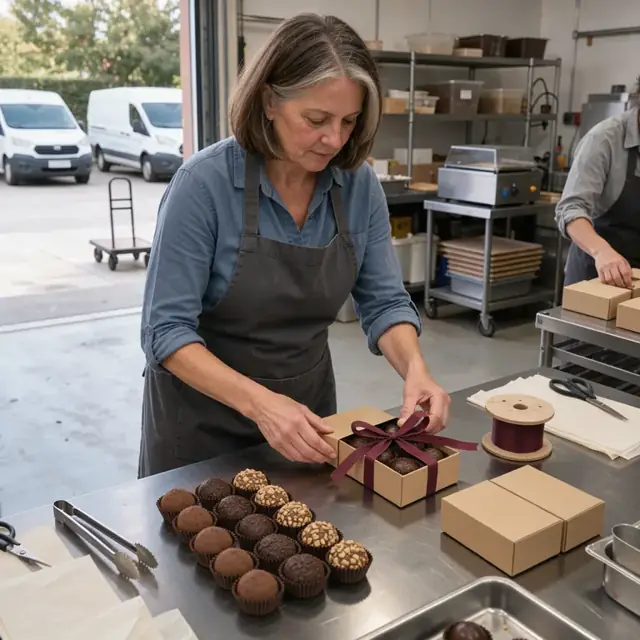
Packaging and Labeling Coordinator
Create accurate labels, pack finished confections and prepare orders for shipment.
Works in: Ambitious Docs, Ambitious Tasks, Ambitious Sheets · Workflows: Packaging, labeling and lot tracking, Order fulfillment and shipping
Automates
- Generates ingredient, allergen and lot-coded labels from the recipe
- Creates packing slips and shipping labels
- Matches packaged goods to customer orders
- Suggests appropriate insulated packaging for temperature control
Stops for a person
- A person applies all labels and performs final visual inspection
- The owner approves any substitutions on packing slips
- Shipping notifications are sent only after human review

Food Safety and Compliance Clerk
Maintain daily safety logs, batch records and track permits and certifications.
Works in: Ambitious Tasks, Ambitious Docs, Ambitious Sheets · Workflows: Food safety and compliance paperwork
Automates
- Generates daily sanitation and temperature checklists
- Logs tempering, cooling and storage temperatures
- Tracks renewal dates for permits, insurance and food-handler credentials
- Keeps allergen and ingredient statements current with recipes
Stops for a person
- The owner confirms which local and regulatory requirements apply
- People perform and document all inspections and corrective actions
- The bot never certifies compliance
Workflows
Order intake and customization
Starts when: A customer orders by form, email, text or direct message
- Capture the product type, flavors, inclusions, shapes, quantity, packaging and any custom design notes
- Record all allergen and dietary requirements exactly as stated
- Check against current production calendar and minimum batch sizes
- Confirm pricing, deposit status and requested ship or delivery date
- Create a production-ready order task with full specifications
Watch for: Allergens must be captured word for word and flagged for separation; Holiday or event orders often have firm delivery deadlines that cannot shift
Production scheduling and tempering plan
Starts when: Daily after order cutoff or weekly for larger runs
- Group confirmed orders by chocolate type, inclusions and molding needs
- Build a tempering and molding schedule that respects equipment capacity and cooling times
- Sequence runs to minimize allergen cross-contact and color changes
- Calculate exact chocolate, inclusion and packaging quantities required
- Flag any custom molds or finishing steps that need extra time
Watch for: Tempering must stay within narrow temperature windows or the batch is ruined; Molds and tools must be fully cleaned between allergen runs
Ingredient pulling and inventory management
Starts when: Before each production run and weekly
- Explode the production schedule into a precise pull list of chocolate bars, nuts, dried fruit, extracts and packaging
- Subtract current stock from inventory sheets
- Draft reorder quantities for items below par level
- Log any waste or scrap chocolate from previous runs
- Stage ingredients in the correct tempering order
Watch for: Chocolate and inclusions are purchased in bulk but used in small precise batches; Perishable inclusions have limited shelf life and must be rotated
Batch production and finishing
Starts when: Morning of each scheduled production day
- Pull the daily schedule and prepped ingredients
- Melt, temper and mix each batch according to the recipe card
- Fill molds or hand-finish centers and enrobe as required
- Move finished pieces to cooling tunnels or racks
- Record actual batch yields and any deviations
Watch for: Tempering curves and seeding must be followed exactly; Hand-finishing steps are rate-limiting and cannot be rushed
Packaging, labeling and lot tracking
Starts when: After each batch cools
- Package cooled pieces into boxes, bags or gift sets per order spec
- Generate labels that include ingredients, allergens, lot code, best-by date and nutritional information
- Apply labels and tamper-evident seals where required
- Create a packing slip and outer shipping label for each order
- Move completed orders to the shipping or pickup area
Watch for: Labels must exactly match the recipe and allergen profile of each batch; Lot codes are essential for traceability in case of recall
Order fulfillment and shipping
Starts when: When packaged orders are ready and on requested ship dates
- Match packed orders to customer shipping or delivery requirements
- Generate shipping labels and any required customs documentation
- Prepare cold packs or insulated packaging for temperature-sensitive items
- Record tracking numbers and send shipment notifications
- Log any shortages or substitutions
Watch for: Chocolate is sensitive to heat during transit; Corporate and event orders often require specific delivery windows
Food safety and compliance paperwork
Starts when: Every production day and on renewal or audit dates
- Generate and complete the daily sanitation and temperature log checklist
- Record tempering, cooling and storage temperatures
- Track facility permits, insurance and food-handler credentials
- Keep current ingredient and allergen statements synced to recipes
- Archive batch records and lot traceability documents
Watch for: Local health department rules vary and change; the owner confirms which apply; People perform and sign off on all inspections and corrective actions
Bot templates for this industry
Source: U.S. Small Business Administration, Office of Size Standards, Table of Small Business Size Standards Matched to North American Industry Classification System Codes, version March 2023 (effective 2023-03-17, NAICS 2022). Size standards are shown for reference only.