

Frozen Specialty Food Manufacturing
Frozen specialty food manufacturers produce batches of entrees, appetizers, side dishes and desserts that are cooked or assembled then blast-frozen and packaged for distribution. For a plant that runs weekly production of items such as vegetable lasagna, stuffed shells, quiche and pot pies, the specialists turn customer orders and forecasts into production schedules, convert schedules into ingredient pulls and assembly lines, track freezing and packaging, and manage inventory of finished cases while keeping temperature logs and label artwork current. Recipes, quality standards and food-safety decisions stay with the production manager.
What makes this business different
- Weekly or monthly production runs based on distributor forecasts and direct orders
- Multi-stage processes: ingredient prep, assembly, cooking, blast freezing, packaging and case palletizing
- Strict temperature and time controls during cooking, cooling and freezing to meet safety requirements
- Ingredient lot traceability, allergen segregation and label verification for every batch
- Inventory of raw materials with shelf-life rotation and finished-goods storage in freezers
- Packaging artwork, nutrition labels and case codes that must match current recipes and regulations
- Distributor and retail customer specifications that change seasonally or by contract
- Equipment cleaning and sanitation schedules between allergen runs
Specialist bots

Demand Planner
Convert incoming orders, forecasts and specifications into production demand tasks.
Works in: Ambitious Tasks, Ambitious Sheets, Ambitious Docs · Workflows: Order and forecast intake
Automates
- Reads purchase orders and forecast files
- Reconciles against open production and inventory
- Checks line availability and lead times
- Drafts order acknowledgments
- Creates demand tasks with allergen flags
Stops for a person
- The production manager approves any changes to forecast assumptions
- Shortfalls or rush orders are escalated for decision
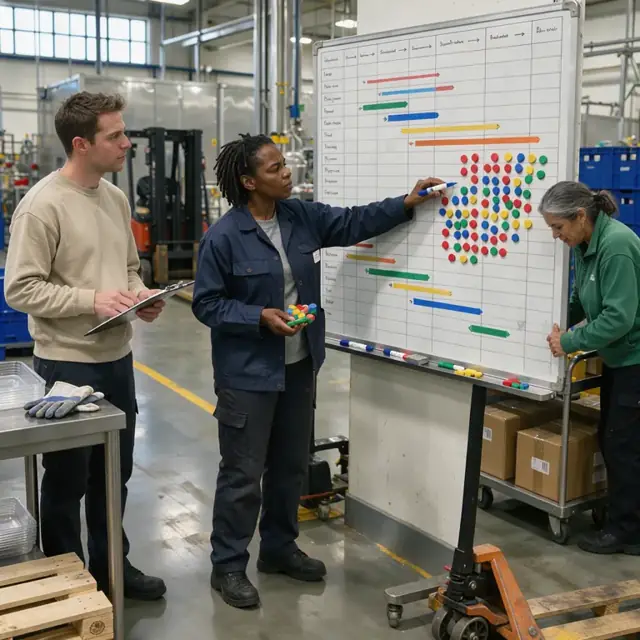
Production Scheduler
Build and balance the weekly master production schedule across lines and freezers.
Works in: Process Optimizer, Ambitious Sheets · Workflows: Production scheduling and line balancing
Automates
- Combines demand into daily runs
- Sequences to reduce allergen changeovers
- Assigns equipment and shift resources
- Calculates material needs
- Flags capacity or material gaps
Stops for a person
- The production manager reviews and adjusts the final schedule
- Any schedule that changes customer delivery dates requires approval

Materials Coordinator
Generate accurate pull lists and replenishment orders for ingredients and packaging.
Works in: Ambitious Sheets, Ambitious Tasks, Ambitious Docs · Workflows: Ingredient and packaging pull
Automates
- Explodes bills of materials for scheduled batches
- Adjusts for current stock and lot data
- Creates staged pull sheets by zone
- Drafts purchase orders for low items
- Records lots issued to production
Stops for a person
- Purchasing places all orders and spends money
- The quality manager reviews any ingredient substitutions

Process Monitor
Create detailed batch instructions and capture critical temperature and time data during production.
Works in: Ambitious Tasks, Ambitious Docs, Process Optimizer · Workflows: Batch production and freezing
Automates
- Generates line-specific work instructions
- Logs cook, cool and freeze times and temperatures
- Tracks lot numbers at each step
- Creates digital quality checkpoints
- Transfers traceability data to packaging
Stops for a person
- Line operators confirm critical limits were met
- Any process deviation is reviewed and documented by the production manager

Label and Packaging Controller
Maintain current label artwork, verify content against recipes and generate lot-coded packaging.
Works in: Ambitious Docs, Ambitious Tasks · Workflows: Packaging and label control
Automates
- Pulls latest approved artwork and statements
- Cross-checks ingredients and allergens against the batch
- Generates case labels with correct lot and barcode
- Records packaging consumption
- Flags upcoming label revisions
Stops for a person
- The production manager approves any label or artwork change before printing
- A person performs final visual label verification on the line
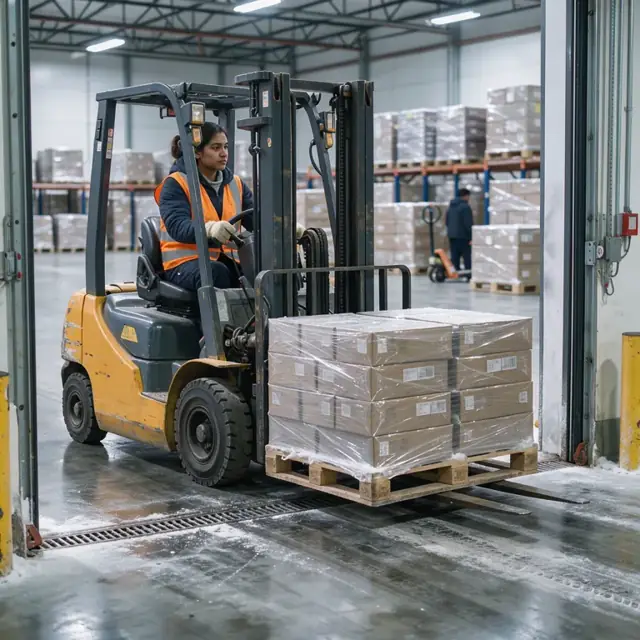
Inventory and Shipment Dispatcher
Manage finished-goods inventory, pick orders and prepare shipment documentation.
Works in: Ambitious Sheets, Ambitious Tasks, Ambitious Docs · Workflows: Finished goods inventory and shipment
Automates
- Moves completed production into inventory by lot
- Picks against customer orders using FIFO
- Generates bills of lading and temperature instructions
- Prepares invoice data
- Updates stock levels and reorder points
Stops for a person
- The warehouse lead confirms pick accuracy and pallet condition
- The owner approves any expedited or partial shipments
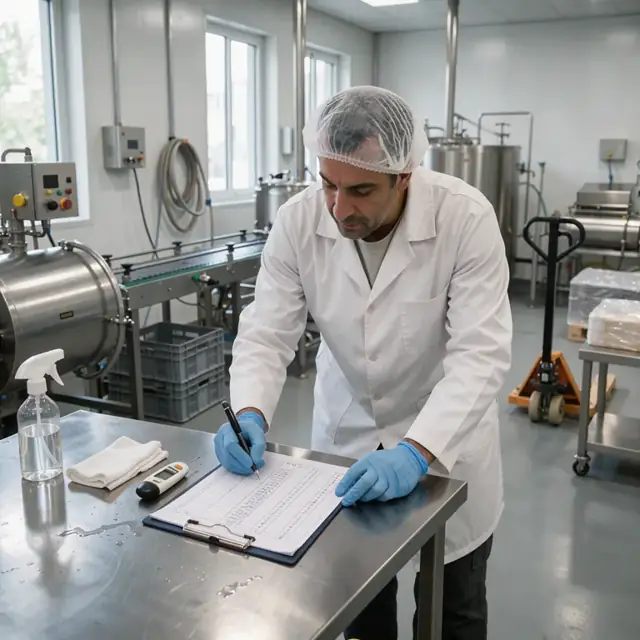
Compliance and Quality Clerk
Compile daily food-safety and quality logs and track renewal dates for permits and audits.
Works in: Ambitious Tasks, Ambitious Sheets, Ambitious Docs · Workflows: Food safety, quality and compliance logs
Automates
- Assembles temperature and sanitation records
- Logs metal detection and weight data
- Tracks cleaning and swab results
- Alerts before permits or audits are due
- Maintains version-controlled recipes and labels
Stops for a person
- The quality manager reviews all logs and deviations
- People confirm which regulatory and customer requirements apply to each product
Workflows
Order and forecast intake
Starts when: New distributor purchase orders, forecast updates or direct customer orders arrive
- Capture item codes, quantities, due dates and any custom specifications
- Reconcile forecasts against current open orders and safety stock targets
- Check production calendar for available line time and ingredient lead times
- Draft acknowledgment and flag any shortfalls for review
- Create production demand tasks with lot and allergen details
Watch for: Distributor forecasts can shift with retail promotions; Allergen and special-diet items must be flagged immediately
Production scheduling and line balancing
Starts when: Weekly on Monday or after major order changes
- Combine demand into a master production schedule by item and batch size
- Sequence runs to minimize changeover and allergen cross-contact
- Assign lines, ovens, freezers and labor for each day
- Calculate required ingredient and packaging quantities
- Flag any capacity or material shortages
Watch for: Oven and blast-freezer capacity limit daily output; Changeover time between items with different allergens is significant
Ingredient and packaging pull
Starts when: One day before each production run
- Explode bill of materials for scheduled batches
- Subtract current inventory and lot numbers
- Generate staged pull lists by production zone
- Draft purchase orders for items below reorder point
- Track lot numbers and expiration dates pulled to the floor
Watch for: Frozen and refrigerated ingredients must stay at proper temperatures until use; Packaging must match current approved artwork and nutrition data
Batch production and freezing
Starts when: Start of each scheduled production shift
- Generate step-by-step assembly and cooking instructions for each line
- Record start and end times, temperatures and lot numbers at each stage
- Monitor blast-freezer dwell time and core temperatures
- Create in-process quality checkpoints
- Hand off completed pallets to packaging with lot traceability
Watch for: Critical limits for cooking and freezing must be logged; Any deviation triggers a hold until reviewed
Packaging and label control
Starts when: After freezing and before case sealing
- Pull current approved label and carton artwork for each item
- Verify ingredient statements, allergens and nutrition match the batch recipe
- Generate case labels with lot code, expiration and barcode
- Print and apply inner and outer packaging
- Record packaging materials consumed
Watch for: Label changes require proof approval before use; Allergen statements must reflect shared-equipment risks
Finished goods inventory and shipment
Starts when: End of each production day and when shipments are due
- Move completed cases into frozen inventory with lot tracking
- Pick orders against customer requirements and FIFO rules
- Generate bill of lading and temperature-monitoring instructions
- Draft shipment confirmation and invoice data
- Update inventory and reorder suggestions
Watch for: Frozen storage must maintain continuous temperature logs; Customers may require specific pallet configurations or temperature recorders
Food safety, quality and compliance logs
Starts when: Every production day and on review cadence
- Compile cook, cool, freeze and sanitation temperature logs
- Record metal detector and weight-check results
- Track equipment cleaning and allergen swab results
- Monitor permit, license and audit due dates
- Maintain recipe and label versions with change history
Watch for: Multiple overlapping regulatory and customer audit schemes apply; The production manager confirms which requirements govern each run
Bot templates for this industry
- Frozen Specialty Food Manufacturing (7 bots)
Source: U.S. Small Business Administration, Office of Size Standards, Table of Small Business Size Standards Matched to North American Industry Classification System Codes, version March 2023 (effective 2023-03-17, NAICS 2022). Size standards are shown for reference only.