

Fruit and Vegetable Canning
Fruit and vegetable canners receive bulk fresh produce, wash, sort, peel, cut, cook, can or jar, label and palletize for wholesale and private-label customers. The specialists turn incoming raw-material receipts into verified intake records, intake data into daily processing schedules, schedules into batch recipes and thermal-process logs, and finished goods into inventory, labeling and outbound shipment plans. Recipes, critical limits, pH testing and retort records stay with the production supervisor.
What makes this business different
- Seasonal raw produce that arrives in truckloads at peak harvest with tight harvest-to-process windows
- Traceability from field lot through every can or jar to final customer
- Thermal processing with validated time-temperature critical limits and retort or pasteurizer records
- pH testing, acidification and cooling logs that must be reviewed before release
- Sanitation standard operating procedures, equipment calibration and preventive maintenance schedules
- Labeling that matches net weight, ingredients, nutrition and allergen statements to each batch
- Inventory of empty cans, jars, lids, labels and pallets that must stay ahead of production
- Wholesale order fulfillment with case picking, palletizing and carrier coordination
- Preventive maintenance and calibration records for retorts, fillers, seamers and thermometers
Specialist bots
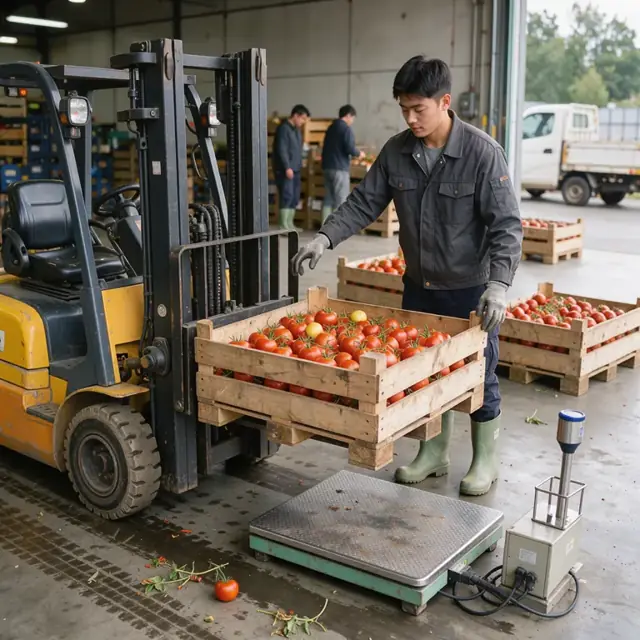
Raw Produce Intake Verifier
Capture every incoming load of fruit or vegetables with complete traceability and quality data.
Works in: Ambitious Tasks, Ambitious Sheets, Ambitious Docs · Workflows: Raw produce receiving and inspection
Automates
- Reads delivery paperwork and temperature logs
- Creates lot records and traceability tags
- Checks against receiving specifications
- Updates raw inventory and cooler assignments
Stops for a person
- The production supervisor approves any rejected or diverted loads
- Quality samples are evaluated by a person
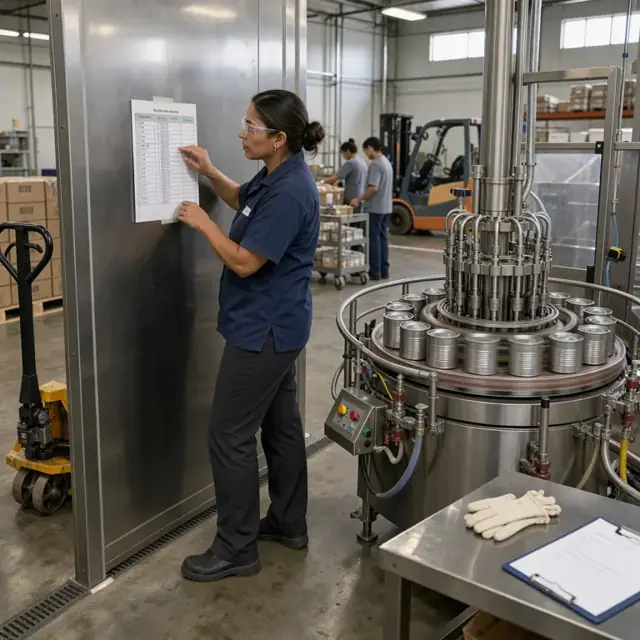
Processing Line Scheduler
Convert open orders and available raw stock into daily line assignments and run times.
Works in: Ambitious Sheets, Process Optimizer, Ambitious Tasks · Workflows: Daily processing schedule
Automates
- Matches orders to suitable production lines
- Calculates required raw and packaging quantities
- Builds the shift schedule with changeover times
- Flags special customer or organic runs
Stops for a person
- The supervisor adjusts the schedule for equipment availability or crew size
- A person confirms the final daily plan

Thermal Process Recorder
Build and monitor each batch's formulation, critical limits and retort records.
Works in: Ambitious Docs, Ambitious Tasks, Ambitious Sheets · Workflows: Batch formulation and thermal process
Automates
- Pulls the validated recipe and fill weights
- Logs time-temperature and pH data
- Flags deviations from critical limits
- Holds the batch until all records are complete
Stops for a person
- The production supervisor reviews every batch record before release
- Lab results are interpreted by a qualified person

Labeling and Pallet Coordinator
Ensure correct labels are applied to each batch and pallets are built to customer specifications.
Works in: Ambitious Tasks, Ambitious Docs, Ambitious Sheets · Workflows: Labeling, casing and palletizing
Automates
- Matches batch to the correct label artwork and lot code
- Generates case and pallet labels
- Builds pallet patterns and SSCC tags
- Updates finished goods inventory
Stops for a person
- A person verifies label accuracy and print quality before run
- The supervisor signs off on each pallet tag

Finished Goods Inventory and Shipping Dispatcher
Manage warehouse stock, pick orders and prepare accurate shipping documents.
Works in: Ambitious Sheets, Ambitious Tasks, Ambitious Docs · Workflows: Finished goods inventory and shipment
Automates
- Selects lots by FIFO and customer requirements
- Creates pick lists and pallet manifests
- Generates bills of lading and advance shipping notices
- Reduces inventory upon shipment confirmation
Stops for a person
- The warehouse lead confirms physical pallet counts
- A person reviews and signs all shipping paperwork
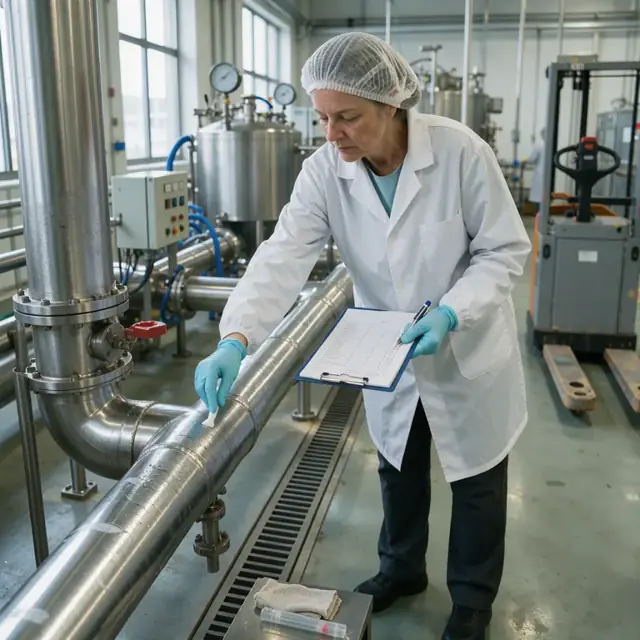
Quality and Sanitation Clerk
Maintain all daily sanitation, calibration, maintenance and batch record checklists.
Works in: Ambitious Tasks, Ambitious Docs, Ambitious Sheets · Workflows: Quality, sanitation and maintenance logs
Automates
- Generates shift sanitation and swab schedules
- Tracks calibration due dates and maintenance items
- Compiles batch records and lab data
- Alerts on any incomplete entries
Stops for a person
- The production supervisor reviews and approves all critical records
- Corrective actions are taken and documented by people

Packaging and Ingredient Supply Planner
Forecast and order cans, jars, lids, labels and ingredients to stay ahead of production.
Works in: Ambitious Sheets, Ambitious Tasks, Ambitious Docs · Workflows: Packaging and ingredient reorder
Automates
- Calculates needs based on schedule and current stock
- Drafts purchase orders by supplier
- Tracks lead times and incoming receipts
- Maintains supplier certificate files
Stops for a person
- The owner approves and places every purchase order
- A person verifies incoming materials against specifications
Workflows
Raw produce receiving and inspection
Starts when: A supplier truck arrives with field bins or totes
- Record supplier, lot number, variety, harvest date, load temperature and condition
- Inspect for defects, foreign material, temperature compliance and sample for quality tests
- Create a traceability tag linking the load to the field lot
- Assign to a holding cooler or direct to the processing line
- Update raw-material inventory and flag any rejections for review
Watch for: Produce must move from field to process within hours to preserve quality; Rejected loads must be documented before return or diversion
Daily processing schedule
Starts when: End of previous shift or start of new week
- Review open customer orders, current raw stock and scheduled maintenance
- Assign production lines to specific products, varieties and batch sizes
- Calculate required raw volume, empty containers, lids and packaging
- Build a timed schedule for washing, peeling, cutting, filling, sealing and thermal processing
- Flag line changeovers, special customer requirements and sanitation needs
Watch for: Line changeovers require full sanitation between incompatible products; Retort or pasteurizer capacity limits daily output
Batch formulation and thermal process
Starts when: Start of each scheduled run
- Pull the exact validated recipe including ingredient weights, brine or syrup ratios and fill weights
- Calculate and log initial pH, fill temperature and critical limits
- Record retort or pasteurizer time-temperature profile for each batch
- Sample for post-process pH, vacuum, seal integrity and cooling
- Hold the entire batch until all records and lab results are compiled
Watch for: Critical limits must be met exactly as validated in the filed process; Any deviation triggers an automatic hold for review
Labeling, casing and palletizing
Starts when: After batch release from hold
- Confirm batch matches the customer order and approved label specification
- Apply correct labels with lot code, expiration date, nutrition facts and allergen statements
- Case the product, seal cartons and palletize according to the customer pattern
- Generate pallet tags with SSCC barcodes and full traceability information
- Move pallets to the finished-goods warehouse and update inventory records
Watch for: Label artwork and claims must match the exact recipe and batch; Pallet patterns vary by customer and shipment method
Finished goods inventory and shipment
Starts when: Customer order or weekly replenishment
- Pick cases from inventory using FIFO rules and lot-specific requirements
- Build and stage outbound pallets according to carrier and customer needs
- Prepare bill of lading, shipping manifest and advance shipping notice
- Notify the carrier and record the shipment details
- Update remaining inventory and traceability records
Watch for: Traceability must be maintained through every outbound shipment; Temperature-controlled or dry storage requirements differ by product
Quality, sanitation and maintenance logs
Starts when: Each shift and on scheduled dates
- Generate daily sanitation checklist, equipment swab schedule and pre-operational inspection
- Record calibration checks for thermometers, pH meters, scales and seamers
- Track preventive maintenance due dates for fillers, seamers, retorts and conveyors
- Compile all batch records, lab results, deviation reports and cooling logs
- Flag any incomplete entries or gaps before product release
Watch for: All records must be legible, complete and stored for the required retention period; The production supervisor reviews every critical record
Packaging and ingredient reorder
Starts when: Weekly or when inventory drops below reorder point
- Calculate upcoming production needs for cans, jars, lids, labels, ingredients and pallets
- Compare against current stock, on-order quantities and lead times
- Draft purchase orders by supplier with required certificates of analysis
- Track seasonal packaging lead times and confirm receipt upon arrival
- Update inventory and file incoming material documentation
Watch for: Lids and cans have long lead times and must be ordered months ahead; Ingredient and packaging certificates must be collected and filed
Bot templates for this industry
- Fruit and Vegetable Canning (7 bots)
Source: U.S. Small Business Administration, Office of Size Standards, Table of Small Business Size Standards Matched to North American Industry Classification System Codes, version March 2023 (effective 2023-03-17, NAICS 2022). Size standards are shown for reference only.