

Specialty Canning
Specialty canners produce shelf-stable foods in small batches using custom recipes for items such as fruit preserves, pickled vegetables, salsas, sauces and soups. For a kitchen that receives private-label or farmer-market orders, the specialists turn incoming orders into batch recipes and ingredient pulls, schedule retort or water-bath processing runs, manage jar and lid inventory, generate labels with ingredients and nutrition facts, and track lot codes for traceability while the production team retains control over process authority, pH testing and thermal processing validation.
What makes this business different
- Low-acid and acidified foods that require validated thermal processes, pH control and record-keeping for each batch
- Batch production with lot traceability from raw ingredients through finished cans or jars
- Custom recipes that change per private-label client or seasonal produce run
- Jar, lid and can inventory that must be rotated and kept free of defects
- Labeling that includes ingredients, allergens, nutrition facts and lot codes
- Seasonal raw-material purchasing tied to harvest windows and supplier certificates
- Regulatory filings, process filings and periodic laboratory testing coordinated with the production lead
- Retail and food-service customers who reorder specific SKUs on quarterly or annual contracts
Specialist bots
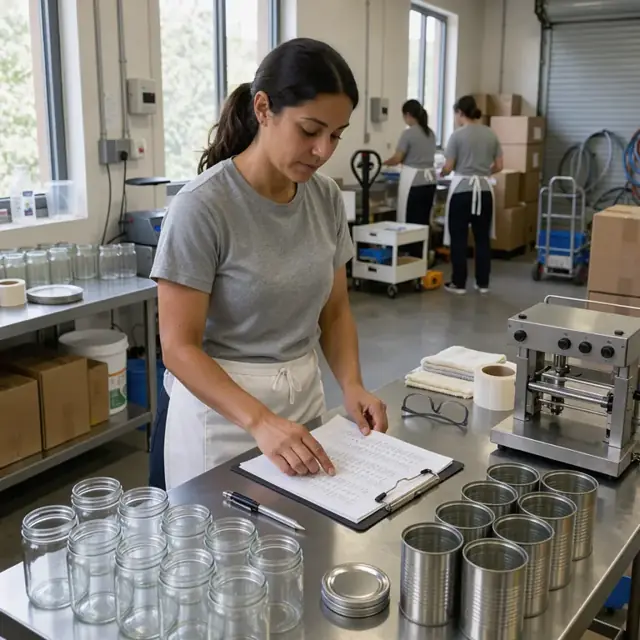
Order Coordinator
Convert incoming customer orders into production-ready specifications and schedule slots.
Works in: Ambitious Tasks, Ambitious Docs, Email Buckets · Workflows: Order intake and recipe assignment
Automates
- Reads purchase orders and customer messages
- Maps order details to existing recipes or flags for review
- Checks production calendar and material availability
- Creates the production task with full specifications
- Drafts order acknowledgment for approval
Stops for a person
- The production lead approves any new or modified formulation
- A person reviews and sends all customer confirmations
- Artwork for private labels is approved by the owner

Batch Production Planner
Group orders into efficient processing batches and create cook sheets with lot codes.
Works in: Ambitious Tasks, Ambitious Sheets, Process Optimizer · Workflows: Batch production scheduling
Automates
- Groups compatible orders by process type and container size
- Calculates batch sizes and projects retort cycles
- Assigns sequential lot codes
- Builds the timed processing sheet with critical limits
Stops for a person
- The production lead reviews and adjusts every cook sheet
- Final schedule is released only after the lead confirms equipment readiness

Materials and Inventory Manager
Maintain accurate stock of raw produce, ingredients, jars, lids and packaging while preparing purchase lists.
Works in: Ambitious Sheets, Ambitious Tasks, Ambitious Docs · Workflows: Raw material purchasing and inventory
Automates
- Generates bill of materials from the production schedule
- Subtracts current inventory levels
- Drafts purchase orders by supplier
- Tracks lot numbers and harvest windows
- Flags low-stock items before they affect scheduled runs
Stops for a person
- The owner approves and places all purchases
- Incoming raw materials are inspected and accepted by a person
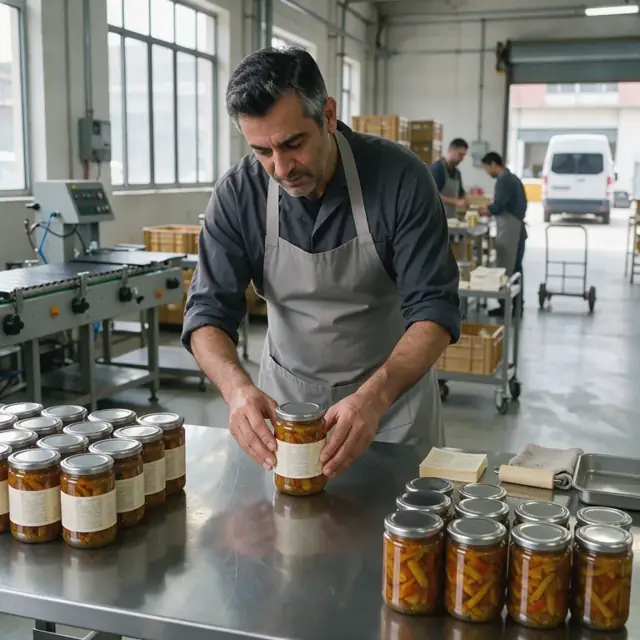
Label and Nutrition Specialist
Generate accurate ingredient lists, nutrition facts and checked labels for each batch.
Works in: Ambitious Docs, Ambitious Sheets · Workflows: Label and nutrition facts generation
Automates
- Pulls current recipe and calculates nutrition values
- Assembles label content including allergens and lot codes
- Formats artwork for each container size
- Checks formatting against the requirements the owner confirms
Stops for a person
- The production lead verifies nutrition and ingredient accuracy
- Final labels are proofed and approved before printing

Traceability and Records Clerk
Compile and organize all lot-specific records, processing logs and quality data for each batch.
Works in: Ambitious Docs, Ambitious Sheets, Ambitious Tasks · Workflows: Lot traceability and record keeping
Automates
- Links ingredient lots to finished product lots
- Assembles processing time, temperature and pH records
- Creates the complete batch record folder
- Stores records in organized digital and physical locations
Stops for a person
- The production lead reviews and signs every completed batch record
- Any deviations or corrective actions are documented by people

Shipping Coordinator
Prepare finished goods for shipment, generate packing documents and coordinate carrier pickups.
Works in: Ambitious Tasks, Ambitious Docs, Ambitious Sheets · Workflows: Finished goods preparation and shipping
Automates
- Verifies case counts against open orders
- Creates packing slips and commercial invoices
- Groups shipments by destination
- Drafts carrier labels and pickup requests
Stops for a person
- A person performs final quality release before shipment
- The owner approves any export or special documentation

Compliance and Filing Tracker
Monitor due dates for filings, renewals, laboratory tests and maintain the master list of approved processes.
Works in: Ambitious Tasks, Ambitious Sheets, Ambitious Docs · Workflows: Regulatory and permit tracking
Automates
- Lists upcoming renewal and filing dates
- Assembles required records for submission
- Tracks certificates of analysis by supplier and ingredient
- Generates summary checklists for the production lead
Stops for a person
- The production lead confirms which regulatory requirements apply
- All filings, tests and corrective actions are performed and signed by people
Workflows
Order intake and recipe assignment
Starts when: A customer order arrives by email, purchase order or platform message
- Capture product type, pack size, quantity, custom formulation requests and label artwork
- Match the order to an approved recipe or flag for new formulation
- Confirm production window against retort schedule and raw-material availability
- Record order details in the master schedule
- Create a production task with all specifications
Watch for: Custom formulations must be reviewed by the production lead before acceptance; Private-label artwork must be version-controlled and approved
Batch production scheduling
Starts when: Weekly or when sufficient orders accumulate for a run
- Group orders by similar process parameters and container size
- Calculate total batch volume and required raw materials
- Assign a lot code and schedule the retort or water-bath cycle
- Reserve processing equipment time and cooling space
- Generate the cook sheet with exact times, temperatures and critical limits
Watch for: Retort capacity and cycle times constrain daily output; Acidified foods require pH verification before processing
Raw material purchasing and inventory
Starts when: After batch schedule is locked and seasonally before harvests
- Explode the production schedule into a bill of materials
- Compare against current stock of produce, spices, jars, lids and cans
- Draft purchase orders by supplier with required certificates of analysis
- Track harvest windows and lead times for seasonal items
- Log incoming inspection results and lot numbers
Watch for: Perishable produce must be purchased to coincide with processing dates; Supplier certificates must be collected and filed before use
Label and nutrition facts generation
Starts when: Before each new batch or label change
- Pull the current recipe and ingredient list
- Calculate nutrition facts based on formulation
- Incorporate lot code, processing date and allergen declarations
- Draft printer-ready label artwork for each SKU
- Check against regulatory formatting requirements the owner has confirmed
Watch for: Nutrition facts must reflect the exact recipe used; Allergen and ingredient statements must match the batch exactly
Lot traceability and record keeping
Starts when: At the start and end of every batch
- Record all incoming lot numbers for ingredients used
- Log processing parameters, pH readings and thermal process data
- Assign and mark finished product lot codes on cases
- Create the batch record package for review
- Store digital and physical records by lot
Watch for: Full forward and backward traceability must be maintained; Critical limits and corrective actions are documented at every step
Finished goods preparation and shipping
Starts when: After batch cooling, labeling and quality release
- Confirm case counts against the order
- Generate packing slips and commercial invoices
- Group shipments by customer and destination
- Draft carrier labels and pickup requests
- Record shipment date and tracking information
Watch for: Shelf-stable goods still require proper case labeling and pallet integrity; Export orders may require additional documentation
Regulatory and permit tracking
Starts when: Monthly and on renewal or filing dates
- List upcoming process filings, license renewals and laboratory testing due dates
- Compile required batch records for any scheduled review
- Track supplier and ingredient certificates of analysis
- Maintain current list of approved formulations and processes
- Generate summary reports for the production lead
Watch for: Different jurisdictions require specific filings for low-acid and acidified foods; The production lead confirms which requirements apply to each product
Bot templates for this industry
- Specialty Canning (7 bots)
Source: U.S. Small Business Administration, Office of Size Standards, Table of Small Business Size Standards Matched to North American Industry Classification System Codes, version March 2023 (effective 2023-03-17, NAICS 2022). Size standards are shown for reference only.