

Dried and Dehydrated Food Manufacturing
Dried and dehydrated food manufacturers take bulk raw ingredients, process them through washing, slicing, blanching, drying and packaging lines on scheduled production runs. For a facility that dehydrates fruits, vegetables, herbs and meat snacks in batches for wholesale and private-label customers, the specialists turn incoming orders and forecasts into production schedules, convert schedules into raw-material purchase orders and drying plans, track moisture levels and throughput, manage inventory of finished goods in climate-controlled storage, and prepare compliance paperwork for FDA, USDA and customer audits. Recipes, dryer settings, quality tests and food-safety decisions stay with the production manager.
What makes this business different
- Raw ingredients that arrive in large lots with varying moisture content and must be sampled and tested before use
- Multi-day drying cycles that run continuously in industrial dehydrators with precise temperature, humidity and airflow controls
- Batch traceability from incoming lot to finished pallet, including moisture, water-activity and microbial test results
- Seasonal raw-material availability that requires forward purchasing, storage contracts and inventory rotation
- Finished goods stored in climate-controlled warehouses with FIFO picking and pest-control logs
- Customer-specific specifications, private-label packaging artwork, nutrition labels and certificate-of-analysis requirements
- Regulatory paperwork for low-acid canned food, acidified foods, preventive controls and export certificates
- Preventive maintenance schedules for washers, slicers, blanchers, dryers, metal detectors and packaging equipment
Specialist bots

Demand Forecaster
Convert customer orders and forecasts into accurate production demand and capacity checks.
Works in: Ambitious Sheets, Ambitious Tasks, Process Optimizer · Workflows: Order intake and demand forecasting
Automates
- Parses incoming purchase orders and forecasts
- Checks against current inventory and dryer availability
- Updates the master demand plan
- Drafts order confirmations for approval
Stops for a person
- The production manager approves all projected ship dates
- Special customer specifications are reviewed by quality staff
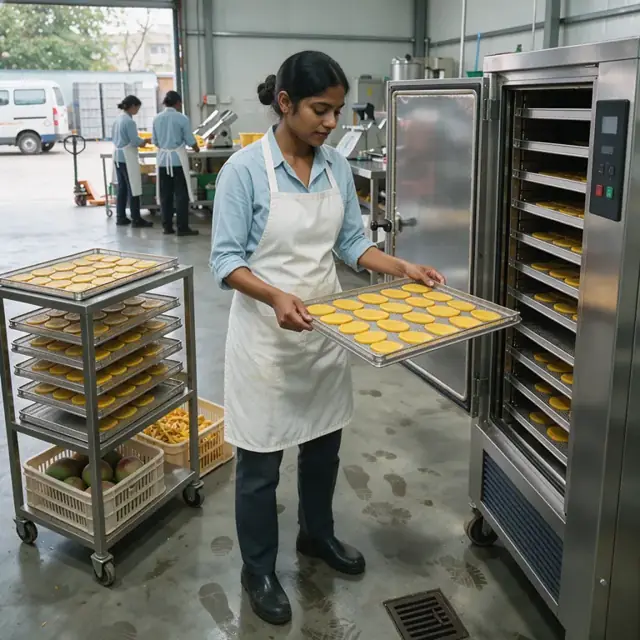
Production Scheduler
Build weekly dryer loading schedules that respect temperature compatibility and raw material timing.
Works in: Ambitious Sheets, Ambitious Tasks · Workflows: Production scheduling and dryer loading
Automates
- Groups products by required dryer settings
- Assigns batches to specific chambers and dates
- Calculates raw material needs
- Flags scheduling conflicts
Stops for a person
- The production manager approves the final weekly schedule
- Changes to dryer assignments are confirmed by the operator

Raw Materials Coordinator
Turn production schedules into purchase orders and manage incoming lot inspection and inventory.
Works in: Ambitious Sheets, Ambitious Tasks, Ambitious Docs · Workflows: Raw material purchasing and receiving
Automates
- Calculates exact raw ingredient quantities needed
- Drafts purchase orders by supplier
- Creates receiving and testing tasks
- Updates inventory after inspection
Stops for a person
- The owner approves all purchase orders before they are sent
- Any rejected incoming lots are handled by the quality manager
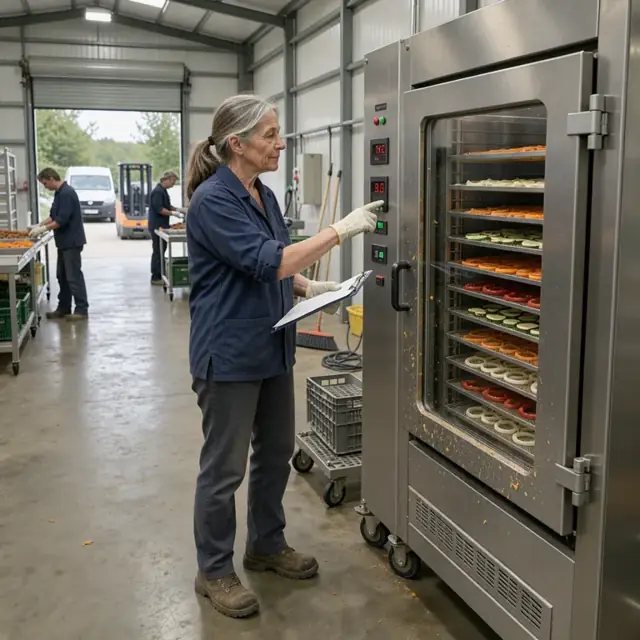
Drying Process Technician
Monitor each drying batch, record process data and schedule quality tests.
Works in: Ambitious Tasks, Ambitious Sheets, Process Optimizer · Workflows: Drying process monitoring and quality testing
Automates
- Generates batch records with target parameters
- Logs temperature and humidity data
- Schedules moisture and water-activity tests
- Tracks full lot traceability
Stops for a person
- The production manager reviews and signs every completed batch record
- Any out-of-specification results are escalated to quality staff
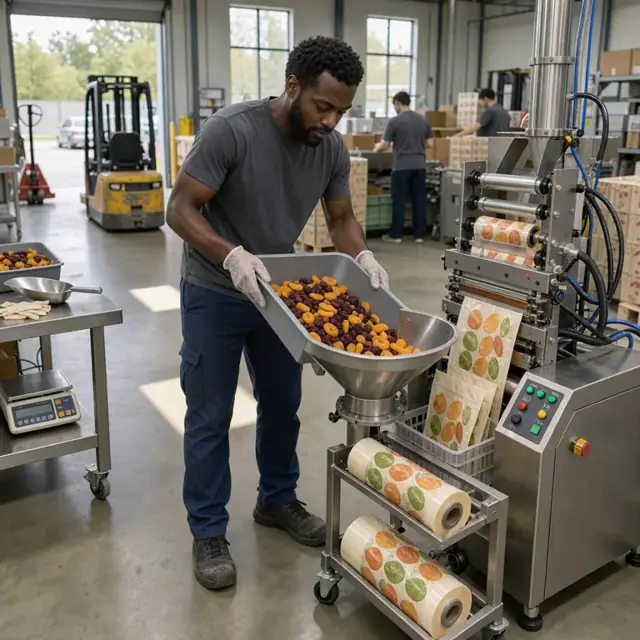
Packaging and Labeling Coordinator
Prepare correct packaging, generate labels and instructions for each finished batch.
Works in: Ambitious Docs, Ambitious Tasks, Contract Analyzer · Workflows: Packaging and labeling execution
Automates
- Pulls the correct bill of materials for packaging
- Generates lot-coded labels and nutrition panels
- Creates packing instructions for each customer
- Verifies label content against specifications
Stops for a person
- Quality staff approve all labels before printing
- Private-label artwork is confirmed by the customer or brand owner

Inventory and Shipping Dispatcher
Manage finished goods storage, pick orders using FIFO and prepare shipment documents.
Works in: Ambitious Tasks, Ambitious Sheets, Ambitious Docs · Workflows: Finished goods inventory and shipment
Automates
- Recommends picks based on FIFO logic
- Generates bills of lading and packing slips
- Compiles certificates of analysis
- Updates inventory after shipment
Stops for a person
- The warehouse lead confirms all picked pallets
- The owner approves final shipping documents
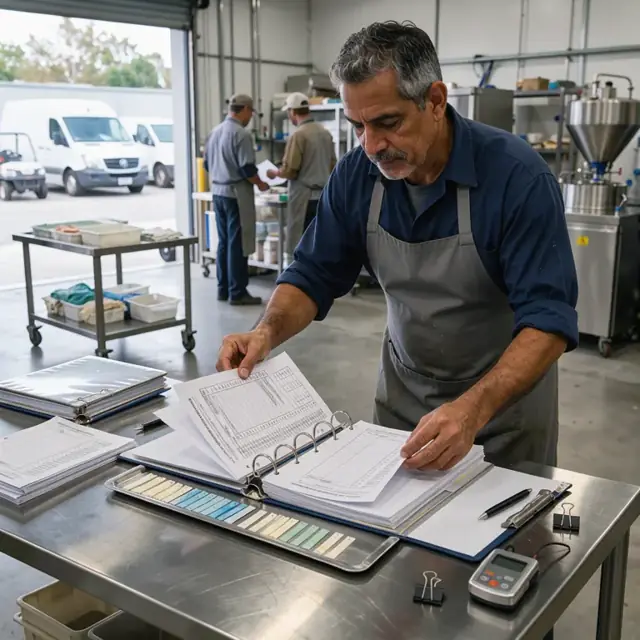
Compliance and Documentation Clerk
Compile batch records, test results and regulatory paperwork for audits and customer requirements.
Works in: Ambitious Docs, Ambitious Sheets, Ambitious Tasks · Workflows: Regulatory and customer compliance documentation
Automates
- Assembles batch records and test data
- Drafts certificates of analysis
- Tracks maintenance and sanitation logs
- Monitors renewal dates for registrations
Stops for a person
- The quality manager reviews all certificates before they are sent
- The owner confirms which regulatory and customer requirements apply to each product
Workflows
Order intake and demand forecasting
Starts when: New customer purchase order, forecast update or recurring contract release
- Parse the order for product type, pack size, quantity, due date and special specs
- Check against current inventory, open production runs and dryer capacity
- Draft a confirmation with projected ship date
- Update the master demand forecast in the planning sheet
- Create a production task with customer-specific requirements
Watch for: Private-label orders often require matching exact artwork and nutrition panels; Lead times for dried goods can stretch several weeks due to drying cycle duration
Production scheduling and dryer loading
Starts when: Weekly planning meeting or when forecast changes
- Combine open orders and forecast into a master production schedule
- Group products by compatible dryer temperature and duration
- Assign lots to specific dehydrator chambers and loading dates
- Calculate required raw material quantities and slicing thickness
- Flag any products needing pre-blanching or post-drying treatments
Watch for: Dryer chambers cannot be mixed between high- and low-temperature products in the same run; Seasonal fruits must be scheduled when raw supply is available
Raw material purchasing and receiving
Starts when: After production schedule is locked and weekly
- Explode the schedule into raw-ingredient requirements by lot size
- Compare against current inventory and on-order quantities
- Draft purchase orders for growers, packers or brokers
- Create receiving tasks with sampling and testing instructions
- Update inventory sheet upon receipt and inspection
Watch for: Incoming produce must be checked for moisture, defects and foreign material; Contracts for forward purchase of seasonal crops must be tracked
Drying process monitoring and quality testing
Starts when: Start of each drying batch
- Generate batch record with target moisture, water activity and dryer settings
- Log hourly temperature, humidity and airflow readings
- Schedule in-process moisture tests and final quality checks
- Record lot codes, start and stop times for full traceability
- Flag any batch that falls outside owner-confirmed parameters
Watch for: Moisture content must reach exact specification before packaging; Water-activity levels determine shelf stability and must be verified
Packaging and labeling execution
Starts when: When a dried batch completes quality testing
- Pull required packaging materials and labels for the batch
- Generate customer-specific labels with lot code, nutrition facts and allergens
- Create packing instructions for bulk, retail or private-label formats
- Schedule metal detection and weight-check verification
- Move completed pallets to finished-goods inventory with proper rotation
Watch for: Allergen cross-contact prevention between runs must be documented; Private-label artwork must be verified against the current approved version
Finished goods inventory and shipment
Starts when: Daily and when customer orders are ready to ship
- Pick pallets using FIFO logic from climate-controlled storage
- Generate bill of lading and packing slip
- Draft certificate-of-analysis with test results for the lot
- Record shipment details and update inventory levels
- Schedule pest-control and temperature logs for the warehouse
Watch for: Dried goods are sensitive to humidity and must stay within controlled conditions; Export orders require additional certificates that must be prepared in advance
Regulatory and customer compliance documentation
Starts when: End of each batch, monthly and on audit dates
- Compile batch records, test results and temperature logs
- Generate certificates of analysis checked against customer requirements
- Track preventive maintenance, sanitation and pest-control records
- Monitor renewal dates for facility registrations and licenses
- Prepare audit-ready folders for FDA, USDA or customer visits
Watch for: Different customers require different test panels and documentation formats; The production manager confirms which regulatory requirements apply to each product
Bot templates for this industry
Source: U.S. Small Business Administration, Office of Size Standards, Table of Small Business Size Standards Matched to North American Industry Classification System Codes, version March 2023 (effective 2023-03-17, NAICS 2022). Size standards are shown for reference only.