

Fluid Milk Manufacturing
Fluid milk processors receive raw milk in tankers, pasteurize, homogenize, separate and package it into fluid milk, cream, buttermilk and flavored varieties for delivery to stores, schools and foodservice. Specialists turn tanker arrivals into tested silo inventory, silo levels and orders into sequenced production runs with sanitation cycles, run-specific process logs, label and lot data for packaging, full traceability records, quality test compilations for review, and refrigerated load plans while the quality team and plant manager review every critical control, test result and regulatory document.
What makes this business different
- Raw milk received in tankers that must be tested, sampled and logged before unloading into silos
- Strict temperature control from receiving through pasteurization, cooling, storage and distribution
- Pasteurization, homogenization and separation processes with defined time and temperature parameters
- Multiple finished products from the same milk run: whole, 2%, 1%, skim, cream, flavored and buttermilk
- Daily production of perishable fluid products with short shelf life and lot traceability
- Sanitation cycles between products, allergen controls for flavored lines and cleaning verification
- Regulatory paperwork including milk receipts, plant licenses, pasteurization charts, weight and measures seals, and nutrient labeling
- Coordinated outbound loads to stores, distributors and schools with refrigerated trailers and tight delivery windows
Specialist bots

Receiving Technician
Capture every tanker delivery, log intake data and prepare test tasks so only tested milk enters silos.
Works in: Ambitious Tasks, Ambitious Sheets, Ambitious Docs · Workflows: Raw milk receiving and testing
Automates
- Reads incoming tanker paperwork and creates receiving tasks
- Logs temperature, seals and hauler data
- Creates sample and test tasks
- Updates silo inventory after approval
- Generates the batch receiving record
Stops for a person
- Quality supervisor reviews all test results before unloading
- Plant manager approves any rejected tanker disposition
- A person physically performs the antibiotic and bacteria tests

Production Planner
Convert silo levels, orders and changeover rules into a daily sequenced production schedule.
Works in: Ambitious Sheets, Process Optimizer, Ambitious Tasks · Workflows: Daily production scheduling
Automates
- Pulls current inventory and order data
- Sequences runs to minimize sanitation time
- Calculates required milk volumes per product
- Inserts sanitation cycles
- Builds and distributes the shift schedule
Stops for a person
- Shift supervisor approves the final daily schedule
- Any schedule changes that affect yields are confirmed by the plant manager
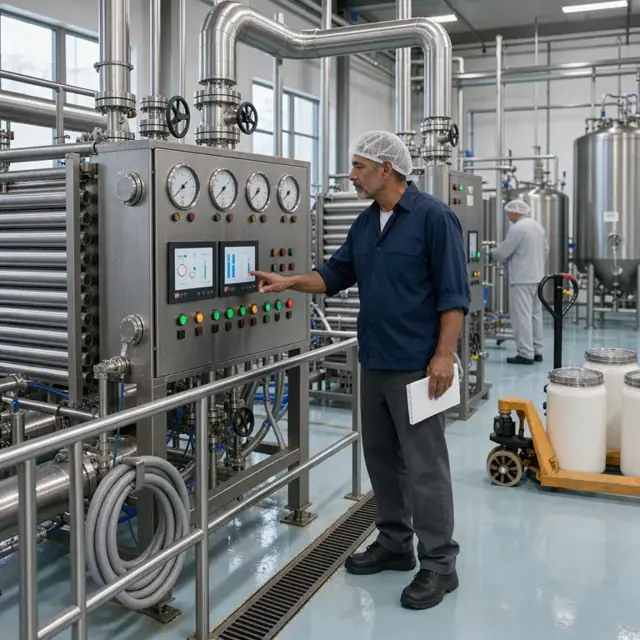
Pasteurization Operator
Monitor and record pasteurization, homogenization and separation steps with full critical control documentation.
Works in: Ambitious Docs, Ambitious Tasks, Ambitious Sheets · Workflows: Pasteurization and processing
Automates
- Creates run-specific process checklists
- Pulls lot information from source silo
- Logs time, temperature and flow data
- Routes product to correct next tank
- Flags deviations from critical limits
Stops for a person
- A certified operator reviews and signs every pasteurization chart
- Quality team verifies all critical limits were met

Filler and Packaging Technician
Set up, run and document filling lines while ensuring correct labels, weights and lot codes.
Works in: Ambitious Tasks, Ambitious Docs, Ambitious Sheets · Workflows: Filling, packaging and labeling
Automates
- Prepares label and lot data for each run
- Checks package weights against standards
- Records run times, materials used and downtime
- Updates cooler inventory with finished pallets
- Generates deviation reports when needed
Stops for a person
- Supervisor verifies label accuracy before startup
- Quality confirms fill weights and seal checks
- A person approves any line deviations

Inventory and Traceability Clerk
Maintain silo, tank and finished goods inventory with complete one-up one-down lot traceability.
Works in: Ambitious Sheets, Ambitious Tasks, Ambitious Docs · Workflows: Inventory and lot traceability
Automates
- Reconciles raw milk usage to finished output
- Assigns and tracks lot numbers through the cooler
- Flags short-coded product for priority movement
- Generates daily inventory and traceability reports
Stops for a person
- Plant manager reviews reconciliation numbers daily
- Quality signs off on all traceability records before shipment

Quality and Compliance Documenter
Compile test results, sanitation logs, charts and regulatory paperwork for review.
Works in: Ambitious Docs, Ambitious Sheets, Ambitious Tasks · Workflows: Quality testing and compliance logging
Automates
- Schedules and logs required laboratory tests
- Compiles pasteurization and sanitation records
- Tracks permit and calibration due dates
- Drafts reports for regulatory filings
- Assembles complete compliance packets
Stops for a person
- The quality supervisor reviews and signs every report
- Plant manager confirms which requirements apply and approves all submissions
- People perform and interpret all laboratory tests

Distribution Coordinator
Build daily truck loads, manifests and temperature instructions for refrigerated distribution.
Works in: Ambitious Tasks, Ambitious Sheets, Ambitious Docs · Workflows: Distribution and load dispatch
Automates
- Matches inventory to customer orders
- Sequences loads by route and temperature needs
- Generates bills of lading and manifests
- Tracks shipment status and returns
- Logs any temperature or delivery deviations
Stops for a person
- Logistics manager approves all loads before departure
- Driver confirms temperature settings and signs manifest
Workflows
Raw milk receiving and testing
Starts when: Tanker arrival at the plant
- Record tanker identification, temperature, seal numbers and hauler paperwork
- Create tasks for pulling samples and performing antibiotic, bacteria, somatic cell and composition tests
- Log test outcomes and draft acceptance or rejection record
- Update silo inventory only after approval and attach all test data to the receiving batch record
- Flag any temperature or test deviations for immediate review
Watch for: Temperature must be below regulatory maximum on arrival; Any rejected load must be documented and returned with full traceability
Daily production scheduling
Starts when: End of previous day or start of shift
- Pull current silo inventories, open orders and forecasted demand
- Sequence production runs across pasteurizers, separators and fillers while minimizing changeovers
- Calculate required raw milk volumes per product and projected finished case volumes
- Insert required sanitation cycles between fat levels and flavored products
- Output the daily schedule with changeover and capacity notes for approval
Watch for: Minimize changeovers between milk types to reduce sanitation time; Flavored and cream products must follow specific sequencing rules
Pasteurization and processing
Starts when: Approved production schedule start
- Pull milk from designated silo and record source lot
- Generate run-specific checklist for pasteurizer time, temperature and flow rate recording
- Route pasteurized milk to homogenizer, separator or flavor tanks per the schedule
- Log all critical control points and post-cooling temperatures
- Transfer to holding tanks or fillers and flag any deviations
Watch for: Every pasteurization run must have continuous chart or digital record; Equipment must be cleaned and verified between incompatible products
Filling, packaging and labeling
Starts when: Finished milk in holding tanks
- Prepare filler setup checklist for correct bottle or carton size and product code
- Generate lot-coded labels with nutritional facts, ingredients and sell-by date
- Monitor and log fill weights, seal integrity and run times during packaging
- Record pallet moves to cooler with lot and timestamp data
- Flag any weight, seal or label deviations for review
Watch for: Accurate weight and measure compliance for each package size; Allergen and fortified product labels must exactly match the batch
Inventory and lot traceability
Starts when: End of each production run and daily
- Update silo, tank, holding and cooler inventories with new lots
- Reconcile raw milk used against finished product yields and waste
- Maintain forward and backward lot traceability matrix
- Identify any product nearing sell-by date for priority shipment
- Generate daily inventory and traceability summary report
Watch for: Traceability must reach from tanker to final case in minutes; Short shelf life requires tight first-in-first-out rotation
Quality testing and compliance logging
Starts when: Each production run and on fixed testing schedule
- Create scheduled tasks for finished product tests for bacteria, fat, solids and coliform
- Compile pasteurization charts, sanitation swabs, equipment calibration and environmental monitoring logs
- Track plant license, permit, inspection and calibration due dates
- Draft reports for weight and measures, nutrient analysis and grading
- Assemble full compliance packet for review
Watch for: All test results must be reviewed and signed by the quality supervisor; Plant manager confirms which regulatory requirements apply to the facility
Distribution and load dispatch
Starts when: Daily after cooler inventory is updated
- Match finished product inventory to customer orders and route requirements
- Build refrigerated truck loads by stop sequence and temperature zone
- Generate bills of lading, load manifests and temperature monitoring instructions
- Draft carrier notifications and track outbound shipments
- Record returns, credits and any temperature deviations on delivery
Watch for: All loads must maintain refrigeration from plant to customer; School and retail delivery windows are strictly scheduled
Bot templates for this industry
- Fluid Milk Manufacturing (7 bots)
Source: U.S. Small Business Administration, Office of Size Standards, Table of Small Business Size Standards Matched to North American Industry Classification System Codes, version March 2023 (effective 2023-03-17, NAICS 2022). Size standards are shown for reference only.