

Cheese Manufacturing
Cheese manufacturers receive milk and cultures, follow standardized or custom recipes for batches of cheddar, mozzarella, goat cheese or specialty wheels, age them under controlled conditions, cut, package and ship to distributors, retailers and direct customers. Specialists turn incoming milk tests and orders into production schedules, track every vat through make, age, test and release, manage inventory of cultures, rennet, salt and packaging, and keep temperature, pH and sanitation logs while the cheesemaker retains all recipe, culture and quality decisions.
What makes this business different
- Incoming milk must be tested for antibiotics, bacteria counts and temperature on receipt before acceptance
- Batch production with strict make schedules, curd cutting times, pressing and brining steps that cannot be interrupted
- Controlled aging rooms with precise humidity, temperature and turning schedules that vary by cheese style
- Traceability from milk tanker to final wheel or package for food safety and recall readiness
- Sanitation protocols, pH and moisture logs, starter culture viability and equipment cleaning records required daily
- Inventory of perishable cultures, rennet, molds, wax and packaging that must stay within expiration and usage windows
- Cut, wrap and label orders for retail, foodservice and direct-to-consumer with weight, lot code and best-by dates
- Seasonal milk supply fluctuations that affect yield and require production adjustments
- Regulatory paperwork, facility permits, equipment calibration records and employee training logs that must be maintained and available for inspection
Specialist bots

Milk Receiver
Turn every incoming milk delivery into tested, approved and inventoried silo stock with full traceability.
Works in: Ambitious Tasks, Ambitious Sheets, Ambitious Docs · Workflows: Milk receiving and testing
Automates
- Records tanker data, volumes and test results
- Compares test values against acceptance limits the owner confirms
- Updates silo inventory and creates traceability links
- Flags any out-of-spec loads for rejection and documentation
Stops for a person
- The cheesemaker reviews and approves every milk load acceptance or rejection
- A person performs the physical sampling and runs the test kits

Production Planner
Convert orders, forecasts, milk supply and aging space into a weekly vat schedule and daily make sheets.
Works in: Ambitious Sheets, Process Optimizer, Ambitious Tasks · Workflows: Production scheduling and batch planning
Automates
- Balances orders against available milk, aging capacity and equipment
- Assigns recipes and cultures to each vat and day
- Generates timed make sheets for each batch
- Adjusts schedule for seasonal milk variation and maintenance
Stops for a person
- The cheesemaker approves the final weekly schedule
- Any changes to recipes or culture blends are decided by the cheesemaker

Make Process Assistant
Guide each vat through the exact timed steps and capture all required pH, temperature and process logs.
Works in: Ambitious Tasks, Ambitious Sheets, Ambitious Docs · Workflows: Vat make process and curd handling
Automates
- Delivers step-by-step timed instructions from the make sheet
- Prompts for and records pH, temperature and critical points in real time
- Creates a digital batch record for traceability
- Flags any missed timing or out-of-range reading for immediate review
Stops for a person
- The cheesemaker makes all culture additions and curd-cutting decisions
- The cheesemaker reviews and signs off each completed batch record

Aging Room Manager
Maintain aging schedules, environmental conditions and turning or washing tasks for every cheese lot.
Works in: Ambitious Tasks, Ambitious Sheets, Process Optimizer · Workflows: Aging room management and monitoring
Automates
- Assigns new batches to specific rooms and racks
- Sets target humidity and temperature by cheese style
- Creates daily turning, washing and monitoring tasks
- Flags wheels that have reached target age for testing or release
Stops for a person
- The cheesemaker selects which wheels to move to the next stage or cut
- A person verifies and adjusts actual room conditions daily

Quality Testing Clerk
Schedule and record all moisture, pH, salt and microbial tests and track lot release status.
Works in: Ambitious Sheets, Ambitious Tasks, Ambitious Docs · Workflows: Quality testing and release
Automates
- Generates test schedules by batch and age
- Logs results and compares against the specification the owner confirms
- Holds lots that fail tests and maintains complete historical records
- Updates status once release is approved
Stops for a person
- Only the cheesemaker or designated quality lead releases any batch
- Lab samples sent off-site are handled by people
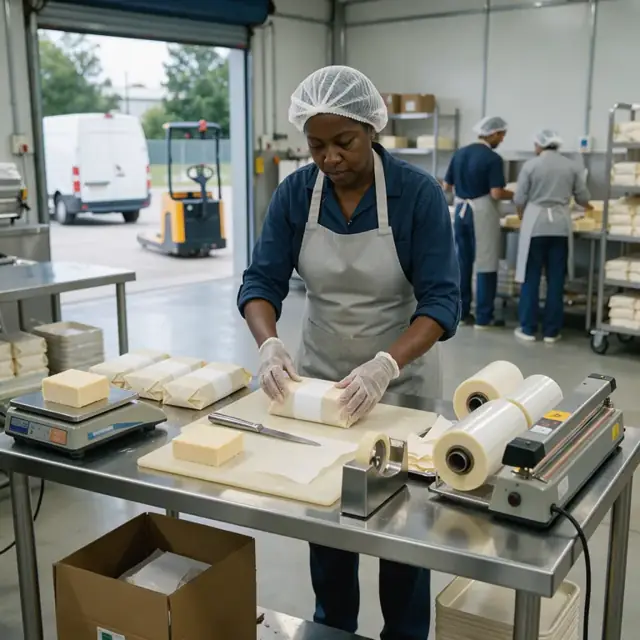
Packaging and Labeling Coordinator
Convert released cheese inventory into cut, weighed, labeled and packaged orders ready for shipment.
Works in: Ambitious Tasks, Ambitious Sheets, Ambitious Docs · Workflows: Cutting, packaging and labeling, Order fulfillment and shipping
Automates
- Allocates specific lots to orders and calculates cut weights
- Generates all labels with lot codes, ingredients, allergens and dates
- Prepares shipping documents and cold-chain requirements
- Updates inventory after packaging and triggers reorders for materials
Stops for a person
- A person performs the physical cutting, wrapping and final visual checks
- The owner approves any custom or gift packaging before shipment

Sanitation and Compliance Clerk
Generate cleaning checklists, log sanitation activities and track all required maintenance, calibration and training records.
Works in: Ambitious Tasks, Ambitious Sheets, Ambitious Docs · Workflows: Sanitation and compliance logging
Automates
- Creates end-of-day and periodic cleaning tasks for all equipment and rooms
- Records concentrations, contact times and verification results
- Tracks calibration, maintenance due dates and training records
- Compiles logs by date, equipment and batch for inspection readiness
- Flags upcoming permit or license renewal dates
Stops for a person
- The owner confirms which regulatory requirements apply to the facility
- People perform all cleaning, verification and corrective actions
- The bot never certifies compliance
Workflows
Milk receiving and testing
Starts when: Arrival of a milk tanker or bulk delivery
- Record tanker temperature, volume, seal numbers and delivery paperwork
- Run antibiotic, bacteria, somatic cell and composition tests on each load
- Approve or reject the load based on test results against owner-confirmed limits
- Pump accepted milk into silos and update inventory with traceability link
- File the receiving record and flag any rejected loads for return
Watch for: Milk must be below the maximum temperature on arrival; Any rejected load must be documented and returned without mixing; All test kits and thermometers must be calibrated before use
Production scheduling and batch planning
Starts when: Weekly forecast and confirmed orders
- Combine standing orders with forecast demand by cheese type and style
- Assign vats to specific recipes, cultures and make days for the coming week
- Balance aging room space, milk availability and equipment schedules
- Adjust for seasonal milk yield changes and maintenance downtime
- Generate daily make sheets with exact step times and required logs
Watch for: Make times are fixed by recipe and cannot overlap in shared vats; Aging capacity limits total wheels started each week
Vat make process and curd handling
Starts when: Start of each scheduled make day
- Pull milk from silo according to recipe ratio and update inventory
- Add specified cultures, rennet and additives at exact times per make sheet
- Monitor and record pH, temperature, set times and cook steps in real time
- Cut, stir, cook, drain and transfer curd to hoops or forms on schedule
- Press, brine or salt per recipe and create full batch traceability record
Watch for: Every timing, temperature and pH point must be logged in real time; The cheesemaker decides any on-the-fly adjustments
Aging room management and monitoring
Starts when: Daily and after each new batch enters
- Assign new wheels or blocks to specific aging rooms, racks and positions
- Set and verify humidity, temperature and airflow for each cheese style
- Create and track daily turning, brushing, washing or waxing tasks
- Flag wheels or lots that have reached target age for testing or release
- Record any environmental deviations and corrective actions taken
Watch for: Different cheeses require separate rooms or strict separation to prevent cross contamination; Temperature and humidity excursions must be logged immediately
Quality testing and release
Starts when: At key points during make, aging and before packaging
- Schedule moisture, pH, salt, microbial and sensory tests per recipe and lot
- Record lab or in-house results and compare against owner-confirmed specifications
- Flag any batch that fails a test for review and hold status
- Track lot release status and maintain complete test and release records
- Update aging or inventory systems once a lot is released
Watch for: Only the cheesemaker or quality lead can release a batch; All test equipment must be calibrated on schedule
Cutting, packaging and labeling
Starts when: After aging release and per customer order
- Pull released wheels or blocks by lot for cutting and weighing
- Cut, wrap or package to exact order specifications and weights
- Generate labels with lot code, net weight, ingredients, allergens and best-by date
- Create case labels, pallet manifests and shipping documents
- Update inventory, traceability and trigger reorder points for packaging materials
Watch for: Allergen and nutritional labeling must match current recipes; Packaging materials must be food-contact approved and tracked
Sanitation and compliance logging
Starts when: End of each make day and on scheduled dates
- Generate daily cleaning checklists for vats, presses, floors, tools and aging rooms
- Record sanitizer concentrations, contact times, rinse verification and visual checks
- Track equipment calibration, maintenance due dates and employee training records
- Compile logs by date, equipment and batch for inspection readiness
- Flag upcoming permit, license or inspection renewal dates
Watch for: Cleaning must occur between every batch of different cheese types; The owner confirms which regulatory requirements apply to the facility
Order fulfillment and shipping
Starts when: Customer order receipt and inventory availability
- Confirm order details against available released inventory and lot codes
- Allocate specific lots, update traceability and prepare cold-chain packaging
- Generate shipping documents, temperature monitors and customer notifications
- Schedule carrier pickup and record shipment details
- Update remaining inventory and trigger reorders for finished goods
Watch for: Cheese must stay within required temperature range in transit; Direct customer orders often require gift or custom labeling
Bot templates for this industry
- Cheese Manufacturing (7 bots)
Source: U.S. Small Business Administration, Office of Size Standards, Table of Small Business Size Standards Matched to North American Industry Classification System Codes, version March 2023 (effective 2023-03-17, NAICS 2022). Size standards are shown for reference only.