

Dry, Condensed, and Evaporated Dairy Product Manufacturing
Plants that receive bulk milk and cream, then evaporate, condense, spray-dry or freeze-dry into powders, condensed milk, evaporated milk, whey products and related shelf-stable dairy ingredients. The specialists convert incoming milk test results and customer orders into production schedules, ingredient and packaging orders, batch records, quality-test coordination and shipment plans while the operators and lab staff retain all decisions on process parameters, food safety and release of finished goods.
What makes this business different
- Incoming raw milk and cream must be tested for antibiotics, bacteria counts and solids before acceptance
- Evaporators, dryers and homogenizers run continuous or long-batch campaigns with strict temperature, vacuum and spray parameters
- Moisture, protein, fat and microbial specs must be verified by lab testing on every batch before release
- Allergen, kosher or organic certification paperwork and lot traceability from incoming milk through finished pallet
- Heavy use of drums, totes, bags, liners, nitrogen flushing and palletizing for shelf-stable powders and concentrates
- Seasonal milk supply fluctuations that require inventory buffering and production leveling
- Customer-specific formulations, private-label packaging and export documentation
- CIP cycles, equipment swabs, environmental monitoring and wastewater discharge logs required daily
Specialist bots
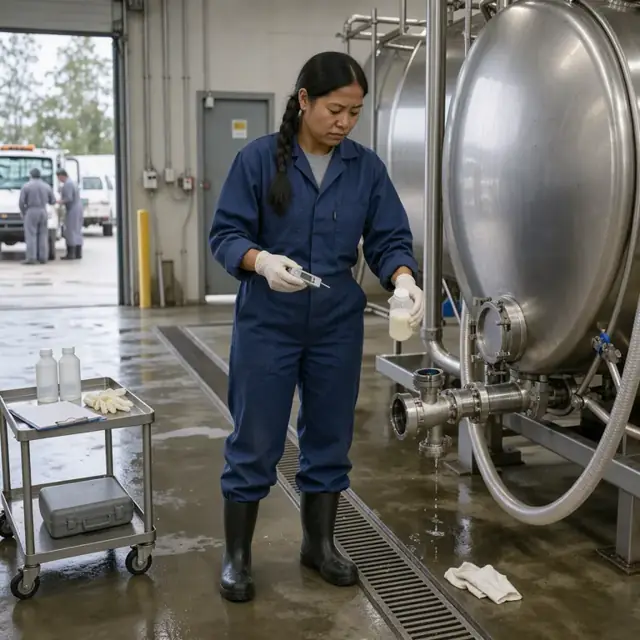
Milk Receiver
Turn every incoming tanker into tested, approved and correctly logged raw material lots.
Works in: Ambitious Tasks, Ambitious Docs, Ambitious Sheets · Workflows: Raw milk receiving and testing
Automates
- Reads tanker paperwork and sensor data
- Creates test requests and logs results
- Compares results to acceptance criteria the owner confirms
- Generates silo transfer instructions
- Builds the traceability record
Stops for a person
- A person visually inspects each tanker and decides final acceptance or rejection
- Any positive test result is reviewed and reported by the quality manager

Production Scheduler
Convert customer orders and milk forecasts into sequenced production campaigns and daily targets.
Works in: Ambitious Sheets, Process Optimizer · Workflows: Production scheduling and campaign planning
Automates
- Combines orders and forecasts by product family
- Sequences campaigns to reduce cleaning time
- Calculates milk demand and projected output
- Assigns equipment and shift targets
Stops for a person
- The production manager reviews and approves the weekly schedule
- Any change to dryer or evaporator campaigns requires operator sign-off

Formulation Technician
Adjust each recipe to the exact composition of incoming milk and generate accurate batch sheets.
Works in: Ambitious Sheets, Ambitious Docs, Ambitious Tasks · Workflows: Batch formulation and ingredient scaling
Automates
- Pulls current milk composition data
- Calculates ingredient quantities and targets
- Creates the batch sheet with process set points
- Generates pick lists for minor ingredients
Stops for a person
- The operator verifies the batch sheet before starting the run
- Any deviation from standard recipe is approved by the technical manager

Packaging Coordinator
Ensure correct packaging materials and labels are ordered, inspected and ready for each production campaign.
Works in: Ambitious Sheets, Ambitious Tasks, Ambitious Docs · Workflows: Packaging material ordering and label control
Automates
- Forecasts material needs from the schedule
- Compares stock to par levels
- Drafts purchase orders
- Checks label content against current formulations the owner confirms
Stops for a person
- The owner or purchasing manager places and approves all purchase orders
- A person performs final label and material inspection before use

Quality Test Coordinator
Create test requests, record lab results and maintain lot release and certificate records.
Works in: Ambitious Tasks, Ambitious Sheets, Ambitious Docs · Workflows: In-process and finished-product testing, Regulatory and safety compliance paperwork
Automates
- Generates daily and per-batch test requests
- Logs incoming lab results
- Compares results to specification limits the owner confirms
- Drafts certificates of analysis and regulatory log templates
- Tracks renewal dates for permits and certifications
Stops for a person
- The laboratory manager or quality director releases every lot
- All final certificates and filings are reviewed and signed by a person before sending

Inventory and Reorder Manager
Track finished goods by lot, maintain safety stock and generate production and customer reorder suggestions.
Works in: Ambitious Sheets, Ambitious Tasks · Workflows: Finished goods inventory and reorder
Automates
- Updates inventory after each run
- Compares stock to orders and targets
- Calculates replenishment quantities
- Flags aging lots and suggests reorders
Stops for a person
- The warehouse supervisor confirms physical counts
- Production and customer orders are released only by authorized staff

Shipment Documentation Clerk
Prepare accurate shipping manifests, bills of lading and customer certificates for every outbound load.
Works in: Ambitious Docs, Ambitious Tasks, Contract Analyzer · Workflows: Shipment preparation and documentation
Automates
- Pulls correct lots for each order
- Generates manifests and bills of lading
- Drafts certificates and required export papers
- Records carrier and temperature instructions
Stops for a person
- A person verifies the physical load matches the paperwork
- All customer and export documents are approved before the truck is released
Workflows
Raw milk receiving and testing
Starts when: Milk tanker arrives at the plant
- Record tanker identification, temperature and seal numbers
- Pull samples for antibiotic, bacteria, somatic cell and compositional tests
- Compare test results against acceptance limits the quality manager confirms
- Approve or reject the load and direct it to the correct silo
- Create a receiving lot record linked to all downstream batches
Watch for: Any positive antibiotic test requires immediate rejection and regulatory reporting; Temperature must be below the regulatory threshold on arrival
Production scheduling and campaign planning
Starts when: Weekly forecast and incoming milk volumes confirmed
- Combine open customer orders with forecast demand by product type
- Sequence products to minimize changeover cleaning between skim, whole and specialty runs
- Assign evaporator and dryer campaigns to available equipment
- Calculate required milk volume and projected finished-goods output
- Generate daily shift targets and packaging requirements
Watch for: Evaporator and dryer changeovers are time-consuming and water-intensive; Seasonal milk flush requires flexible scheduling
Batch formulation and ingredient scaling
Starts when: Start of each production run
- Pull the approved recipe for the scheduled product
- Calculate exact ingredient and additive quantities based on incoming milk composition
- Generate the batch sheet with target solids, fat and protein levels
- Create inventory pick lists for any added vitamins, stabilizers or minerals
- Transmit the batch sheet to the operator station
Watch for: Formulation must adjust in real time to natural variation in incoming milk solids; All additions must be documented for traceability
Packaging material ordering and label control
Starts when: Weekly and at campaign start
- Forecast bag, drum, tote and pallet needs from the production schedule
- Check current stock against minimum par levels
- Draft purchase orders for approved suppliers
- Verify that all label artwork matches current formulations and regulatory requirements the owner confirms
- Stage correct labels and liners for each line
Watch for: Labels must list exact nutritional profile, allergen statements and lot traceability codes; Packaging must maintain low moisture transmission for powder stability
In-process and finished-product testing
Starts when: Every batch or shift
- Create test requests for moisture, fat, protein, microbiology and physical properties
- Log lab results against specification limits the lab confirms
- Hold or release each lot based on test outcomes
- Maintain lot traceability from raw milk through finished product
- Generate certificate-of-analysis drafts for each released lot
Watch for: No product may ship until all required tests pass and a person releases the lot; Environmental and equipment swab results must be trended daily
Finished goods inventory and reorder
Starts when: Daily and end of each campaign
- Update inventory counts by lot after each packaging run
- Compare stock to open orders and safety stock targets
- Draft replenishment production quantities
- Track aging of stored product and flag any nearing retest dates
- Generate reorder suggestions for customers on blanket orders
Watch for: Powders are sensitive to humidity and must be stored in climate-controlled warehouses; FIFO rotation is critical for shelf-life management
Shipment preparation and documentation
Starts when: Customer order ready to ship
- Pick and stage the correct lot numbers for each order
- Generate pallet manifests, bills of lading and export papers
- Draft customer-specific certificates of analysis and allergen statements
- Schedule carrier pickup and record temperature requirements
- Close the order once loading is confirmed
Watch for: Many shipments require temperature-controlled or dry-van trailers with sealed loads; Export orders need additional origin and halal or kosher documentation
Regulatory and safety compliance paperwork
Starts when: Daily operations and renewal dates
- Generate daily CIP, swab, environmental monitoring and wastewater log templates
- Track renewal dates for permits, licenses and certifications
- Compile lot traceability records from milk intake through finished goods
- Draft reports for regulatory filings the quality manager confirms
- Maintain current allergen, nutritional and label statements
Watch for: Rules differ by jurisdiction for wastewater, wastewater discharge and food safety logs; The quality manager confirms which requirements apply and signs all filings
Bot templates for this industry
Source: U.S. Small Business Administration, Office of Size Standards, Table of Small Business Size Standards Matched to North American Industry Classification System Codes, version March 2023 (effective 2023-03-17, NAICS 2022). Size standards are shown for reference only.