

Animal (except Poultry) Slaughtering
Animal slaughtering facilities receive live animals from suppliers, schedule harvests, conduct stunning and exsanguination, perform carcass dressing and splitting, complete inspections, chill carcasses, fabricate cuts, track yields, manage byproducts and maintain cold chains. Specialists convert supplier delivery messages into verified receipts and harvest schedules, live-animal data into timed stunning and dressing sequences, post-harvest records into inspection and chilling logs, carcass weights into yield reports and supplier settlements, and temperature and sanitation data into required paperwork while the harvest team retains all humane-handling, food-safety and regulatory decisions.
What makes this business different
- Live animal receiving with supplier manifests, animal identification tags, health certificates and ante-mortem inspection requirements
- Harvest scheduling limited by holding pen capacity, line speed, inspector availability and daily production quotas
- Humane handling protocols including stunning effectiveness checks and carcass condemnation tracking
- Multiple inspection points for ante-mortem, post-mortem, organ and head with retained tags and stamps
- Carcass chilling with strict time-temperature logs, hot-boning options and cold-chain verification
- Byproduct handling for hides, offal, bones, blood, tallow and rendering with separate cold storage and temperature controls
- Yield tracking by animal grade, weight, cutout percentage and lot for supplier payment calculations
- Regulatory paperwork including establishment numbers, inspection stamps, HACCP records, sanitation standard operating procedures and license renewals
Specialist bots
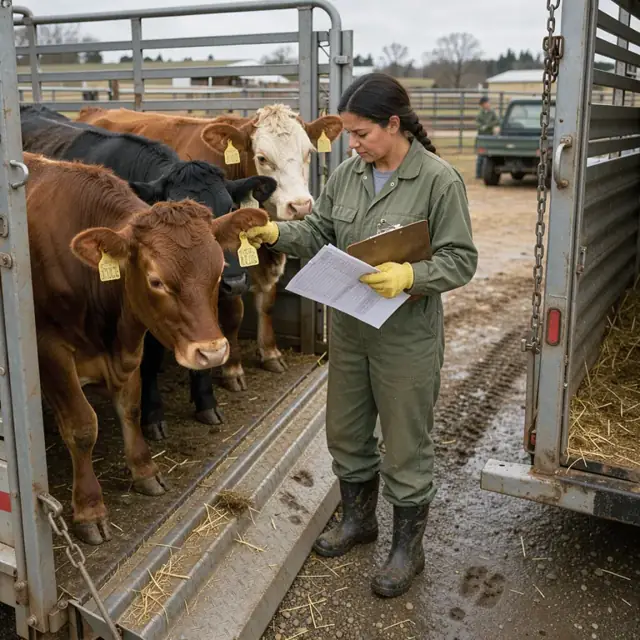
Livestock Receiver
Turn supplier delivery messages and manifests into verified live-animal inventory and harvest-ready tasks.
Works in: Ambitious Tasks, Ambitious Docs, Ambitious Sheets · Workflows: Livestock receiving and manifest verification
Automates
- Reads incoming manifest emails, forms and attached documents
- Matches animals and lots to the scheduled harvest plan
- Creates lot-specific tasks with all tag and certificate details
- Flags health certificate gaps or condition concerns
- Updates live-animal inventory by pen, supplier and lot
Stops for a person
- The harvest manager approves any manifest discrepancies before unloading
- Licensed veterinary or inspector personnel make all ante-mortem and health decisions
- A person performs physical verification of animal condition upon unloading

Harvest Scheduler
Convert confirmed livestock supply and customer orders into daily harvest sequences and station assignments.
Works in: Ambitious Sheets, Ambitious Tasks · Workflows: Harvest day scheduling and line setup
Automates
- Combines current live inventory with confirmed orders
- Assigns animals to line positions by size, species and supplier
- Builds timed schedules for each station
- Creates checklists for every crew position
- Balances line speed against inspector availability
Stops for a person
- The plant manager approves the final daily schedule before posting
- The owner confirms any religious slaughter or custom processing instructions

Carcass Tracker
Track each carcass from stunning through dressing, inspection, chilling and release while recording all regulatory stamps and events.
Works in: Ambitious Tasks, Ambitious Docs, Ambitious Sheets · Workflows: Harvest execution and carcass tracking, Carcass chilling and inspection logging
Automates
- Records stunning effectiveness, bleed times and condemnation events by tag
- Follows each carcass through every processing station in sequence
- Logs digital inspection stamps and results as entered
- Captures hot weights and cooler entry data
- Flags any carcasses needing hold or additional inspection
Stops for a person
- USDA inspectors personally verify, stamp and sign off on carcasses
- Authorized personnel make all condemnation and disposition decisions
- The harvest supervisor reviews every deviation flag before release

Yield Analyst
Convert chilled carcass weights into fabrication orders, track actual yields against expectations and prepare supplier settlement data.
Works in: Ambitious Sheets, Process Optimizer, Ambitious Tasks · Workflows: Fabrication and yield tracking
Automates
- Calculates expected yields from hot and chilled weights by grade
- Generates detailed cut specifications matching customer orders
- Tracks actual primal and subprimal yields with variances
- Prepares settlement reports by supplier and lot
- Flags yield variances outside typical ranges
Stops for a person
- The owner approves all supplier payment calculations based on yields
- Fabrication supervisors confirm cut specifications before any production begins

Byproduct Coordinator
Track all byproducts from harvest through segregated storage, temperature control and scheduled pickup or rendering.
Works in: Ambitious Sheets, Ambitious Tasks · Workflows: Byproduct collection and inventory
Automates
- Records volumes of hides, offal, bones, blood and tallow by lot
- Assigns each byproduct stream to the correct storage and destination
- Schedules rendering and pickup runs based on volume thresholds
- Maintains temperature and separation logs
- Reconciles byproduct inventory against daily harvest totals
Stops for a person
- The owner confirms all byproduct sales, contracts and destinations
- A person physically verifies separation between edible and inedible streams

Sanitation and Compliance Clerk
Generate sanitation checklists, compile temperature logs and organize all regulatory paperwork for owner review.
Works in: Ambitious Tasks, Ambitious Docs, Ambitious Sheets · Workflows: Sanitation, temperature and regulatory paperwork
Automates
- Creates end-of-shift sanitation checklists for each area
- Compiles all cooler, chiller and process temperature records
- Tracks renewal dates for licenses, grants of inspection and permits
- Organizes records by lot, date and regulatory category
- Prepares summary reports organized for regulatory review
Stops for a person
- The plant manager or owner confirms which specific regulatory requirements apply to each log
- People perform all physical sanitation checks, verifications and sign-offs
- Regulatory inspectors review and sign all official records
Workflows
Livestock receiving and manifest verification
Starts when: Supplier delivery of livestock or arrival of scheduled animals
- Capture supplier manifest details including animal count, tag numbers, health certificates and transport conditions
- Verify against the scheduled harvest order, pen availability and regulatory holding requirements
- Create individual or lot tasks with full identification for ante-mortem inspection
- Record observed animal condition and flag any concerns for veterinary or owner review
- Update live-animal inventory by supplier, lot and pen location
Watch for: Animals must be held in approved pens with water, feed and rest before harvest; Any manifest discrepancies must be resolved by the owner before unloading
Harvest day scheduling and line setup
Starts when: Weekly planning cycle and each afternoon for the next day's run
- Combine confirmed customer orders with current live-animal inventory
- Assign animals to harvest slots based on size, species, supplier and inspector availability
- Build the full line schedule covering stunning, bleed, dressing, split, wash and chill stations
- Flag any special instructions for religious slaughter methods or custom processing
- Generate station-specific checklists for each crew position and equipment setup
Watch for: Line speed is strictly limited by inspector presence, equipment capacity and species type; Different species or animal sizes require dedicated runs or equipment changeovers
Harvest execution and carcass tracking
Starts when: Start of each harvest shift
- Load the daily schedule to station tablets or displays
- Record stunning effectiveness, bleed time, any condemnations and associated tag numbers
- Track each carcass sequentially through dressing, evisceration, splitting, washing and initial inspection stations
- Attach or record inspection stamps and condemnation tags exactly as entered by inspectors
- Log hot carcass weights immediately after dressing before chilling
Watch for: Zero tolerance for missed stunning verification or any contamination event; Every condemned carcass requires documented reason, disposition and owner review
Carcass chilling and inspection logging
Starts when: End of each harvest shift and at prescribed intervals during chilling
- Record entry time, hot weight, cooler location and initial temperature for each carcass
- Monitor and log cooler and carcass temperatures at required intervals
- Generate chilling curves and immediately flag any carcasses outside time-temperature parameters
- Prepare post-mortem inspection results summary by lot for review
- Create hold, release or further-inspection tasks for each carcass pending final clearance
Watch for: Carcasses must reach required internal temperature within regulatory time limits; Any temperature deviation requires owner or supervisor review before further movement
Fabrication and yield tracking
Starts when: After chilling clearance and on scheduled fabrication days
- Convert cleared chilled carcass weights into detailed fabrication orders by customer specification
- Track actual primal, subprimal and further-processed cuts against expected yield percentages
- Record trim, bone, fat and loss percentages by lot for supplier settlement
- Generate product labels including establishment number, inspection stamp and pack date
- Reconcile actual versus expected yields and flag significant variances for review
Watch for: Yield variances directly impact supplier payments and plant financial margins; Export orders require additional verification and documentation steps
Byproduct collection and inventory
Starts when: During harvest shift and at end of each day
- Track volumes of hides, offal, bones, blood and tallow generated by lot
- Assign each byproduct stream to the correct rendering, tanning, pet-food or disposal path with temperature controls
- Maintain separate storage and temperature logs for edible and inedible byproducts
- Schedule pickup or rendering runs based on accumulated volumes and storage capacity
- Reconcile byproduct inventory and revenue against total harvest volumes
Watch for: Byproducts must be chilled or preserved immediately to prevent spoilage; Strict separation prevents any cross-contamination between edible product and byproducts
Sanitation, temperature and regulatory paperwork
Starts when: End of each shift, weekly and on regulatory renewal dates
- Generate end-of-shift sanitation checklists for every processing and storage area
- Compile all operational and pre-operational sanitation results and corrective actions
- Consolidate temperature logs from all coolers, chillers and processing equipment
- Track renewal dates for licenses, grants of inspection, water permits and equipment certifications
- Prepare summary reports organized by lot and date for regulatory review
Watch for: Requirements differ by federal, state and export standards; All logs must be immediately available for unannounced regulatory inspections
Bot templates for this industry
- Animal (except Poultry) Slaughtering (6 bots)
Source: U.S. Small Business Administration, Office of Size Standards, Table of Small Business Size Standards Matched to North American Industry Classification System Codes, version March 2023 (effective 2023-03-17, NAICS 2022). Size standards are shown for reference only.