

Meat Processed from Carcasses
Meat processors receive whole or partial carcasses, break them down into primal and retail cuts, grind, cure, smoke or package fresh and frozen meat products for wholesale and direct sale. For a facility that receives hanging beef or pork carcasses on set days, breaks them into cuts, produces ground product and smoked sausage, the specialists turn supplier delivery notices into verified receiving records and inventory, convert customer orders into a cutting and grinding plan with yields, schedule smokehouse runs with time and temperature logs, track inventory of carcasses and finished goods, manage cold-chain distribution routes, and maintain daily safety checklists. Food-safety, labeling and inspection records stay with the plant operator.
What makes this business different
- Receiving and hanging of whole or half carcasses with temperature verification on arrival
- Daily or weekly production schedule driven by both incoming carcass deliveries and customer orders
- Yield tracking from carcass to finished cuts, trim and ground product with accurate inventory of each primal
- Cold storage and freezer space management for raw carcasses, in-process meat and finished goods
- Curing, smoking and thermal-processing schedules with time and temperature logs
- USDA inspection points, HACCP plan execution, product labeling with nutrition and allergen statements
- Wholesale customer orders with specific cut sheets, packaging requirements and delivery windows
- Traceability from incoming carcass lot to outgoing packaged product
- Allergen and ingredient labeling, facility permits, food-safety logs and temperature records
Specialist bots

Carcass Receiving Clerk
Turn every incoming carcass delivery into verified inventory and quality records.
Works in: Ambitious Tasks, Ambitious Sheets, Ambitious Docs · Workflows: Carcass receiving and intake
Automates
- Reads supplier delivery notices and temperature logs
- Creates intake tasks with lot numbers and weights
- Checks against purchase orders
- Assigns cooler locations
- Updates raw material inventory
Stops for a person
- A person performs the physical quality and temperature inspection
- The operator confirms acceptance or rejection of any carcass
- A person signs off on all receiving records
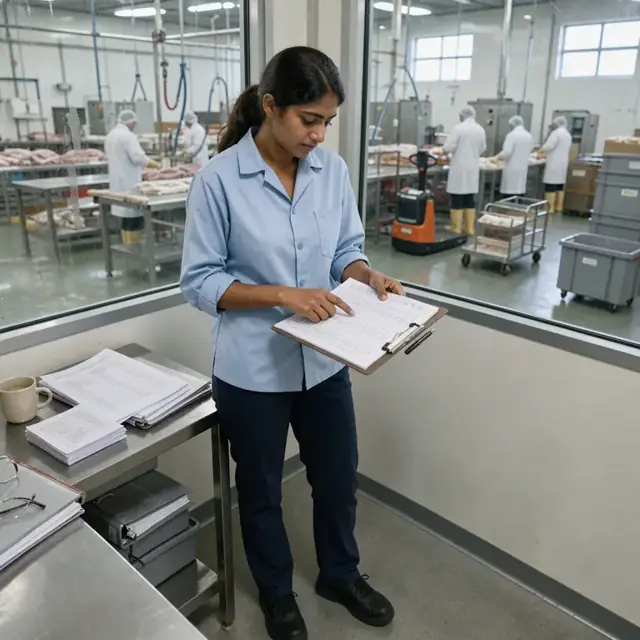
Order Coordinator
Turn customer orders into confirmed production tasks and inventory reservations.
Works in: Ambitious Tasks, Ambitious Docs, Email Buckets · Workflows: Order intake and fulfillment planning
Automates
- Parses order details and specifications
- Checks against current inventory
- Drafts order confirmations
- Creates production tasks for cutting or smoking
- Reserves or triggers raw material needs
Stops for a person
- The operator reviews and approves all customer confirmations
- Special cut requests are verified by the butcher

Cut Floor Scheduler
Convert daily orders and available carcasses into a timed breakdown and cutting schedule.
Works in: Ambitious Tasks, Process Optimizer, Ambitious Sheets · Workflows: Daily cut and breakdown schedule
Automates
- Matches carcasses to orders by type and weight
- Builds station-by-station production schedule
- Allocates primals to specific cuts or grinding
- Generates cut sheets for each workstation
Stops for a person
- The lead butcher approves the daily schedule
- Changes to carcass allocation are decided by the operator

Smokehouse and Cure Planner
Build and monitor curing and smoking schedules with full time and temperature logs.
Works in: Ambitious Tasks, Ambitious Docs, Ambitious Sheets · Workflows: Smoking, curing and thermal processing
Automates
- Creates batch schedules by product type
- Records cure formulas and start times
- Logs process parameters
- Generates finished product labels
Stops for a person
- The operator sets all proprietary cure recipes and smoke cycles
- A person verifies critical control point logs daily
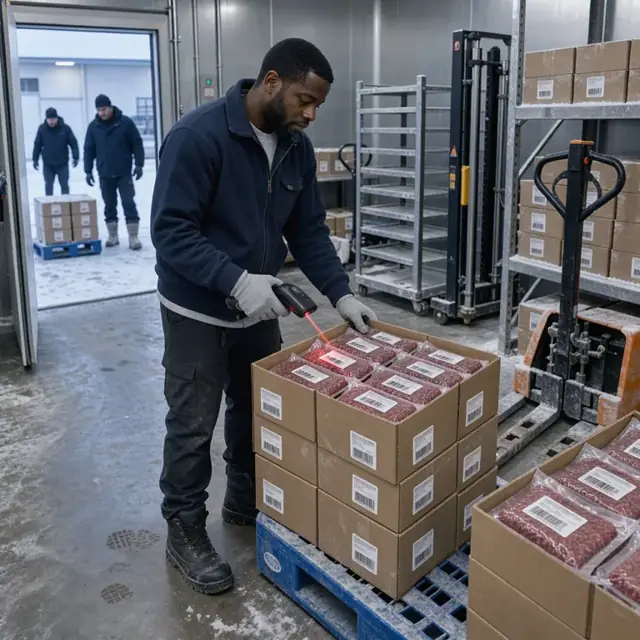
Inventory and Yield Tracker
Track carcass yields, update live inventory and maintain lot traceability.
Works in: Ambitious Sheets, Ambitious Tasks, Ambitious Docs · Workflows: Inventory, yield and traceability tracking
Automates
- Calculates actual yields per carcass
- Updates inventory across raw, in-process and finished stages
- Maintains lot traceability records
- Flags reorder points
Stops for a person
- The operator reviews and approves all yield and inventory adjustments
- A person confirms physical counts during weekly audits
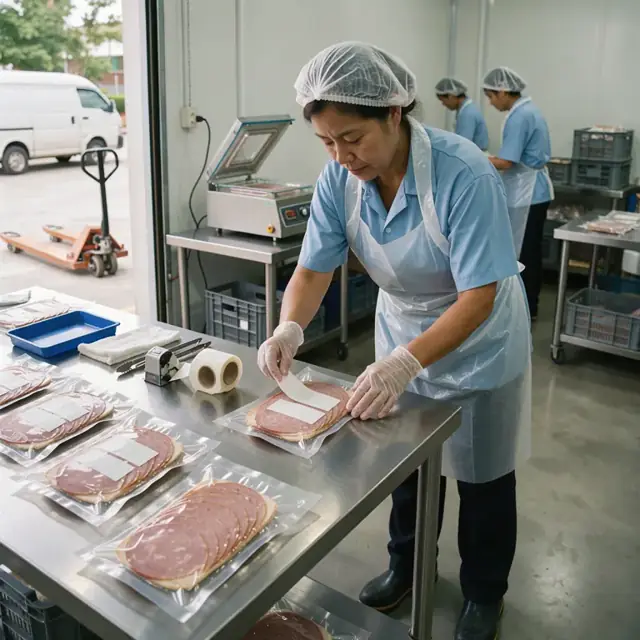
Packaging and Labeling Specialist
Generate accurate labels, select packaging and prepare products for shipment.
Works in: Ambitious Docs, Ambitious Tasks, Ambitious Sheets · Workflows: Packaging and labeling
Automates
- Creates labels with required marks and nutrition data
- Determines packaging specifications
- Generates pallet manifests
- Stages finished goods by temperature zone
Stops for a person
- A person verifies every label against the actual product and lot
- The operator approves any custom labeling requests

Cold Chain Dispatch Coordinator
Plan refrigerated delivery routes and maintain cold-chain documentation.
Works in: Ambitious Tasks, Ambitious Docs · Workflows: Cold chain shipping and routing
Automates
- Groups orders by region and temperature needs
- Builds delivery routes and windows
- Creates carrier instructions
- Records shipment and temperature data
Stops for a person
- The driver confirms temperature settings and route changes
- A person approves all customer delivery communications
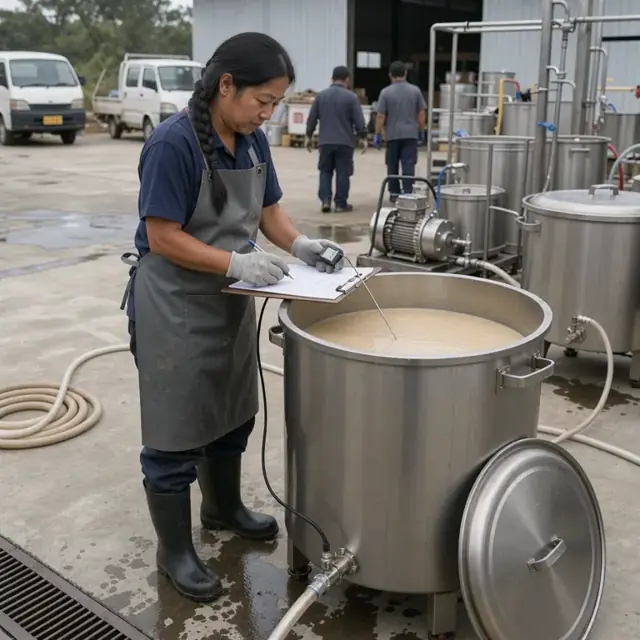
Compliance and Records Clerk
Maintain daily safety checklists, HACCP logs and regulatory recordkeeping.
Works in: Ambitious Tasks, Ambitious Docs, Ambitious Sheets · Workflows: Inspection, safety and compliance records
Automates
- Generates daily sanitation and monitoring checklists
- Logs critical control points
- Tracks renewal dates for licenses and inspections
- Organizes traceability records
Stops for a person
- The plant operator confirms which requirements apply and reviews all logs
- People perform and sign off on all physical inspections and corrective actions
Workflows
Carcass receiving and intake
Starts when: Supplier delivery of hanging carcasses or boxed meat
- Record supplier, lot number, temperature on arrival and carcass weights
- Verify against purchase order and inspect for quality or temperature abuse
- Assign to cooler rail or storage location and create inventory tasks
- Flag any items needing immediate inspection or trimming
- Update overall raw material inventory
Watch for: Temperature must be at or below regulatory thresholds on arrival; Each carcass or lot must be traceable through all subsequent steps
Order intake and fulfillment planning
Starts when: Customer order received by email, portal or phone
- Capture product type, cut specifications, quantity, packaging and delivery date
- Check against current carcass and finished-goods inventory
- Draft order confirmation with projected ship date
- Convert order into production tasks for cutting, grinding or smoking
- Reserve inventory or trigger additional carcass purchase
Watch for: Custom cut specifications must be captured exactly; Orders may require product that has not yet arrived as carcasses
Daily cut and breakdown schedule
Starts when: Morning of each production day after orders are confirmed
- Pull open customer orders and required yields
- Match available carcasses to orders by type, grade and weight
- Create a timed breakdown schedule for saws, knives and grinders
- Allocate specific primals to retail cuts, trim or grinding
- Generate cut sheets and labels for each station
Watch for: Carcass aging and cooler space limit daily volume; Different species or grades cannot cross-contaminate equipment
Smoking, curing and thermal processing
Starts when: After raw product is staged for further processing
- Build a smokehouse or cure schedule based on product type and batch size
- Record cure ingredients, injection or rub formulas and start times
- Monitor and log time, temperature and humidity during the process
- Generate finished product labels with ingredients and nutrition data
- Move completed product to chilling or packaging
Watch for: Strict time and temperature logs are required at every stage; Formulas and smoke cycles are proprietary and set by the operator
Inventory, yield and traceability tracking
Starts when: End of each production day and weekly
- Record actual yields from each carcass by primal and finished product
- Update live inventory of carcasses, trim, ground meat and packaged goods
- Reconcile any trim or by-product usage or sale
- Maintain lot traceability records from incoming carcass to shipment
- Flag low-stock items for reorder
Watch for: Yield varies by carcass quality and must be tracked per lot; Regulatory traceability must be maintained for potential recall
Packaging and labeling
Starts when: After product is cut, ground or smoked
- Generate case and consumer labels with required USDA mark, ingredients and nutrition
- Select appropriate packaging materials and vacuum or map parameters
- Print and apply labels including lot code and use-by dates
- Create pallet manifests for wholesale shipments
- Stage finished goods into cooler or freezer
Watch for: All labels must match the exact product formulation and lot; Packaging must maintain cold chain integrity
Cold chain shipping and routing
Starts when: When orders are packaged and ready for shipment
- Group orders by delivery region and required temperature
- Build route and time windows for refrigerated trucks
- Draft carrier or driver instructions and temperature monitoring requirements
- Record shipment details and proof of delivery
- Update inventory after shipment leaves
Watch for: Product must remain at safe temperatures in transit; Wholesale customers have specific delivery windows
Inspection, safety and compliance records
Starts when: Daily during production and on regulatory schedules
- Generate daily sanitation and HACCP monitoring checklists
- Log all critical control point temperatures and corrective actions
- Track equipment calibration, employee training and inspector visits
- Maintain records for incoming carcasses, processing and outgoing shipments
- Alert before licenses, water tests or inspection renewals are due
Watch for: Local, state and federal requirements differ by product type and facility; All records must be available for inspection at any time
Bot templates for this industry
- Meat Processed from Carcasses (8 bots)
Source: U.S. Small Business Administration, Office of Size Standards, Table of Small Business Size Standards Matched to North American Industry Classification System Codes, version March 2023 (effective 2023-03-17, NAICS 2022). Size standards are shown for reference only.