

Rendering and Meat Byproduct Processing
Rendering plants receive animal tissues, fats, bones and offal from slaughterhouses and butcher shops, then cook, press, separate and dry the material into tallow, grease, bone meal, meat meal and other byproducts. The specialists convert incoming load tickets into scheduled cook batches, track yields of fat and protein streams, manage continuous rendering equipment, maintain temperature and pressure logs, generate certificates of analysis for each load, and handle outbound bulk shipments to buyers while keeping detailed traceability records required by regulators.
What makes this business different
- Intake of highly variable raw materials with different species, moisture content, bone-to-fat ratios and potential for rapid spoilage
- Continuous or batch high-temperature cooking under pressure with strict time-temperature logs
- Separation of fat, protein meal and wastewater streams with yield tracking per batch
- Heavy equipment maintenance schedules for cookers, presses, centrifuges and dryers
- Traceability from raw load ticket through finished product lot with species and origin records
- Odor control, wastewater permits, air permits and rendering-specific environmental reporting
- Bulk outbound shipments by truck or rail with certificates of analysis and weight tickets
- Hazard analysis and critical control points at every cooking and cooling step
Specialist bots

Raw Material Intake Verifier
Convert every arriving load ticket into a traceable digital lot with grading and routing instructions.
Works in: Ambitious Tasks, Ambitious Docs, Ambitious Sheets · Workflows: Raw material receiving and grading
Automates
- Reads incoming load tickets and supplier manifests
- Assigns lot numbers and records species and weight
- Flags loads outside temperature or condition limits
- Creates intake tasks and directs material to correct bins
Stops for a person
- Plant operator confirms grading and any rejected loads
- A person physically inspects questionable material before acceptance

Cook Batch Planner
Turn daily raw material inventory into a safe, efficient cooker schedule with critical control point monitoring.
Works in: Ambitious Tasks, Process Optimizer, Ambitious Sheets · Workflows: Rendering cook and process scheduling
Automates
- Groups materials by species and expected yield
- Builds timed cook, press and dry schedules
- Calculates expected start and end times for each vessel
- Generates monitoring sheets for temperature and pressure
Stops for a person
- The lead operator approves the final daily schedule
- Deviations from validated cook parameters are reviewed by a person

Yield and Stream Analyst
Track actual versus expected yields of fat, meal and water streams and flag process deviations.
Works in: Ambitious Sheets, Process Optimizer, Ambitious Tasks · Workflows: Yield tracking and stream separation
Automates
- Records weights from each separation stage
- Calculates yield percentages by lot
- Compares results to historical data for the material type
- Highlights batches outside normal ranges
Stops for a person
- The plant manager reviews all flagged yield deviations
- Adjustments to process parameters are made only by qualified staff

Equipment Maintenance Coordinator
Maintain cleaning, sanitation and preventive maintenance schedules for all rendering equipment.
Works in: Ambitious Tasks, Ambitious Sheets, Process Optimizer · Workflows: Equipment maintenance and cleaning
Automates
- Generates daily cleaning checklists after each batch
- Tracks hours of operation for each major piece of equipment
- Schedules lubrication, inspection and part replacement
- Logs downtime and repair notes
Stops for a person
- Technicians perform and sign off on all maintenance work
- Pressure vessel inspections are conducted by certified personnel
Outbound Shipment Verifier
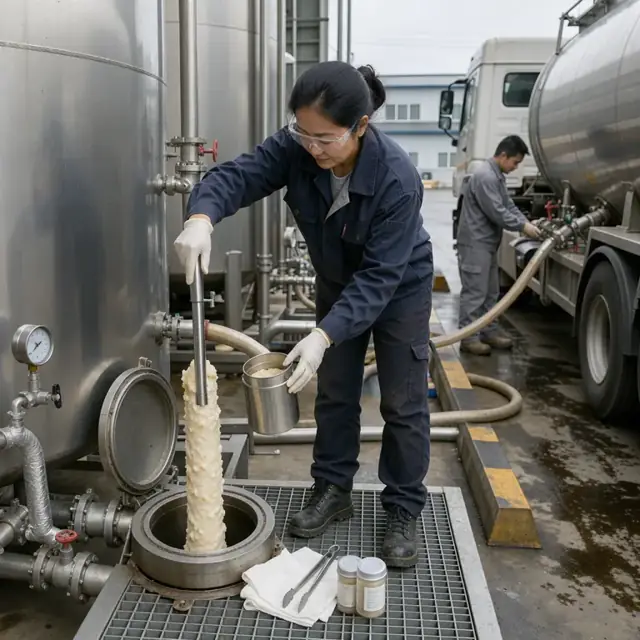
Prepare certificates of analysis, manifests and shipping documents for each finished product load.
Works in: Ambitious Docs, Ambitious Tasks, Ambitious Sheets · Workflows: Finished product testing and shipping
Automates
- Compiles lab results into certificates of analysis
- Matches loads to customer specifications
- Generates weight tickets and shipping manifests
- Records carrier and seal information
Stops for a person
- A person reviews and signs every certificate of analysis
- The loading supervisor confirms product identity before release
Compliance and Traceability Clerk
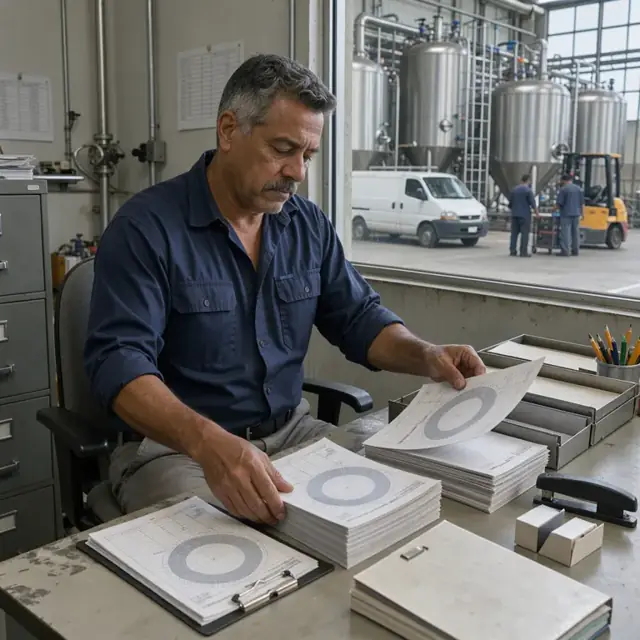
Keep all temperature logs, traceability records and regulatory reports current and organized.
Works in: Ambitious Docs, Ambitious Sheets, Ambitious Tasks · Workflows: Regulatory and traceability documentation
Automates
- Compiles daily cooker logs and critical control point data
- Maintains supplier-to-product traceability matrix
- Tracks permit and reporting deadlines
- Organizes records for periodic regulatory review
Stops for a person
- The plant manager confirms which requirements apply to each report
- All submissions to agencies are reviewed and filed by people

Inventory and Supply Forecaster
Monitor raw material, finished product and consumable inventories and draft reorder recommendations.
Works in: Ambitious Sheets, Ambitious Tasks, Process Optimizer · Workflows: Inventory and supply management
Automates
- Tracks stock levels across all storage bins and tanks
- Calculates usage rates and reorder points
- Forecasts intake versus processing capacity
- Drafts lists of supplies and spare parts needed
Stops for a person
- The owner approves all purchases and expenditures
- Changes to inventory strategy are decided by management
Workflows
Raw material receiving and grading
Starts when: A truck arrives with raw animal byproducts
- Capture load ticket details including supplier, species, weight and condition
- Inspect and grade material for freshness, contamination and species mix
- Assign a unique lot number and direct the load to the appropriate holding bin or cooker
- Record temperature of incoming material and flag any loads above critical thresholds
- Create a digital intake task linked to the physical load
Watch for: Loads must be processed quickly to prevent spoilage and odor; Species separation is required for certain finished product grades
Rendering cook and process scheduling
Starts when: After daily raw material intake or when bins reach capacity
- Group compatible raw materials by species and moisture content
- Build a timed schedule for each cooker including preheat, pressure cook, and cool-down phases
- Allocate press, centrifuge and dryer time based on expected yields
- Flag any batches requiring special handling for high-bone or high-fat loads
- Generate equipment run logs and critical control point monitoring sheets
Watch for: Cookers operate under pressure and must follow validated time-temperature combinations; Schedule must balance continuous flow with equipment cleaning cycles
Yield tracking and stream separation
Starts when: End of each cook batch or shift
- Record weights of separated tallow, grease, meal and wastewater streams
- Calculate yield percentages against raw input weight
- Compare actual yields to historical averages for the material type
- Flag any significant deviations for review before the next batch
- Update inventory sheets for each finished product category
Watch for: Fat and protein yields directly affect profitability and must be monitored closely; Cross-contamination between species must be prevented during separation
Equipment maintenance and cleaning
Starts when: After each batch, weekly and on manufacturer intervals
- Generate daily cleaning and sanitation checklist for cookers, presses and conveyors
- Track preventive maintenance for centrifuges, dryers and boilers
- Log any breakdowns, repairs or part replacements with downtime impact
- Schedule deep cleaning and inspection of pressure vessels
- Maintain records of calibration for all temperature and pressure sensors
Watch for: Rendering equipment builds up grease and protein residue rapidly; Pressure vessels require documented safety inspections
Finished product testing and shipping
Starts when: When a bulk storage tank or silo reaches shipment volume
- Pull representative samples and record laboratory results for each lot
- Draft certificate of analysis with moisture, fat, protein and impurity levels
- Generate weight tickets and shipping manifests for truck or rail loads
- Match outbound loads to customer orders and delivery windows
- Record carrier details and seal numbers for traceability
Watch for: Each load must have a tested certificate of analysis before leaving the plant; Buyers require specific product specifications that must be verified
Regulatory and traceability documentation
Starts when: Daily, end of each lot and on permit renewal dates
- Compile daily temperature and pressure logs for all cookers
- Maintain species and supplier traceability matrix for every finished lot
- Track wastewater, air emission and odor control reports
- Monitor renewal dates for operating permits and licenses
- Prepare summary reports for periodic regulatory submissions
Watch for: Traceability must link every finished product lot back to the original raw loads; Local, state and federal agencies each require different reporting formats
Inventory and supply management
Starts when: Weekly and when supplies reach reorder points
- Track levels of packaging materials, filter media and processing chemicals
- Monitor bulk storage of finished tallow and meal against customer demand
- Draft reorder lists for consumables and spare parts
- Forecast raw material intake versus processing capacity
- Adjust par levels based on seasonal slaughter volumes
Watch for: Raw material supply is seasonal and can surge or drop sharply; Spare parts for older rendering equipment can have long lead times
Bot templates for this industry
Source: U.S. Small Business Administration, Office of Size Standards, Table of Small Business Size Standards Matched to North American Industry Classification System Codes, version March 2023 (effective 2023-03-17, NAICS 2022). Size standards are shown for reference only.