

Seafood Product Preparation and Packaging
Seafood processors receive fresh and frozen catch from vessels and trucks, then fillet, portion, smoke, bread, cook, can, freeze or package into finished goods for distribution. For a facility that receives daily boat deliveries of finfish and shellfish, portions into retail and foodservice packs, and runs value-added lines for smoked salmon, crab cakes and frozen breaded fillets, the specialists turn landing notices into receiving schedules, catch into production runs with HACCP monitoring, and finished cases into labeled inventory and shipment loads. Recipes, food-safety plans, temperature logs and regulatory filings stay with the plant manager and quality team.
What makes this business different
- Daily or tide-driven receiving windows from fishing vessels and trucks carrying temperature readings and harvest-area documentation
- Species-specific processing such as heading, gutting, filleting, peeling, deveining or shucking that changes daily with the catch
- HACCP and sanitation standard operating procedures with continuous temperature monitoring and corrective-action logs
- Traceability from boat to finished case using lot codes, harvest dates and supplier harvest tags
- Perishable raw material that must be processed or frozen inside strict time windows
- Value-added production runs including smoking, breading, cooking and canning that require dedicated lines and full changeover cleaning between species
- Finished goods held in cold storage with FIFO rotation and outbound loads coordinated with distributors
- Seasonal volume swings driven by fishery openings, quotas and weather
Specialist bots
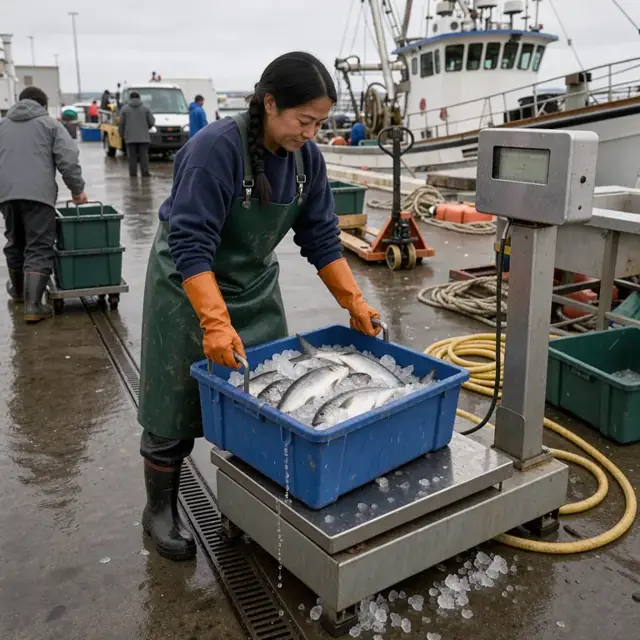
Receiving Coordinator
Turn vessel and truck arrival notices into scheduled offloads with complete traceability records.
Works in: Ambitious Tasks, Ambitious Docs, Ambitious Sheets · Workflows: Vessel and truck receiving
Automates
- Reads harvest notifications and manifests
- Builds the dock schedule and assigns crew
- Creates lot numbers and prints receiving tags
- Drafts temperature and condition logs
- Flags incomplete documentation for review
Stops for a person
- The quality team inspects each lot and decides acceptance or rejection
- The plant manager confirms harvest area and vessel documentation meets requirements
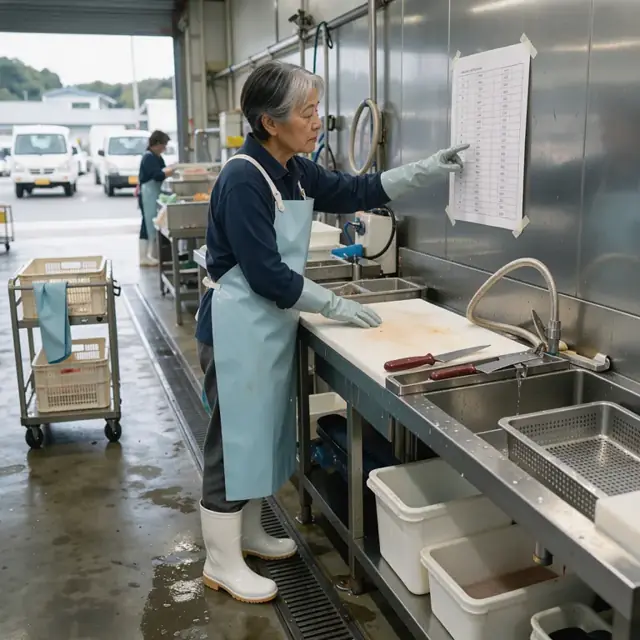
Production Scheduler
Convert received volumes and open orders into daily line schedules with sanitation windows.
Works in: Ambitious Tasks, Process Optimizer, Ambitious Sheets · Workflows: Daily production scheduling
Automates
- Matches species to open orders and forecasts
- Assigns runs to processing and value-added lines
- Inserts sanitation changeover times between species
- Calculates time windows for each critical step
- Flags lots nearing regulatory time limits
Stops for a person
- The plant manager approves the daily schedule
- Quality staff confirm that time and temperature limits are acceptable

Processing Lead
Guide raw material through filleting, portioning and initial processing steps while logging yields.
Works in: Ambitious Tasks, Ambitious Docs, Ambitious Sheets · Workflows: Raw material processing and portioning
Automates
- Pulls the correct lot-tagged bins
- Creates start-of-run checklists
- Records start and end times plus temperatures
- Tracks yields and waste by species and lot
- Moves completed portions to next station
Stops for a person
- Operators perform and initial each critical control point
- Quality staff verify bone removal and metal detection results

Value-Added Technician
Execute smoking, cooking, breading and canning runs while monitoring critical limits.
Works in: Ambitious Tasks, Ambitious Docs, Process Optimizer · Workflows: Value-added production
Automates
- Loads recipe parameters for each batch
- Tracks time, temperature and humidity at each critical control point
- Builds cooling or freezing curves
- Generates batch labels with lot and process dates
- Logs deviations for corrective action
Stops for a person
- The quality team reviews all critical control point records before product is released
- The plant manager approves any process deviations
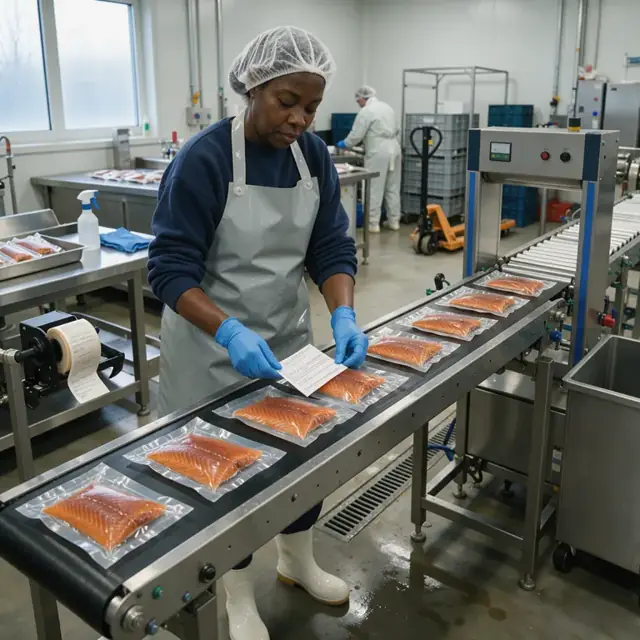
Packaging and Labeling Coordinator
Ensure finished product is correctly packaged, labeled with full traceability and moved into storage.
Works in: Ambitious Tasks, Ambitious Docs, Ambitious Sheets · Workflows: Packaging and labeling
Automates
- Selects correct packaging and label formats per product type
- Generates labels with species, lot, weight and allergen data
- Records case counts and pallet locations
- Logs metal detector and seal checks
- Moves completed pallets into inventory
Stops for a person
- A person verifies every label against the recipe before running the line
- Quality staff perform final visual and weight checks

Inventory and Shipping Dispatcher
Manage cold storage inventory, pick orders using FIFO and prepare temperature-controlled shipments.
Works in: Ambitious Tasks, Ambitious Sheets, Ambitious Docs · Workflows: Cold storage inventory and shipping
Automates
- Scans pallets into storage locations
- Generates pick lists by lot and rotation
- Prepares bills of lading and temperature loggers
- Records outbound load temperatures
- Closes orders and updates inventory
Stops for a person
- The shipping lead confirms each load meets customer and regulatory temperature requirements
- A person signs off on all bills of lading before departure
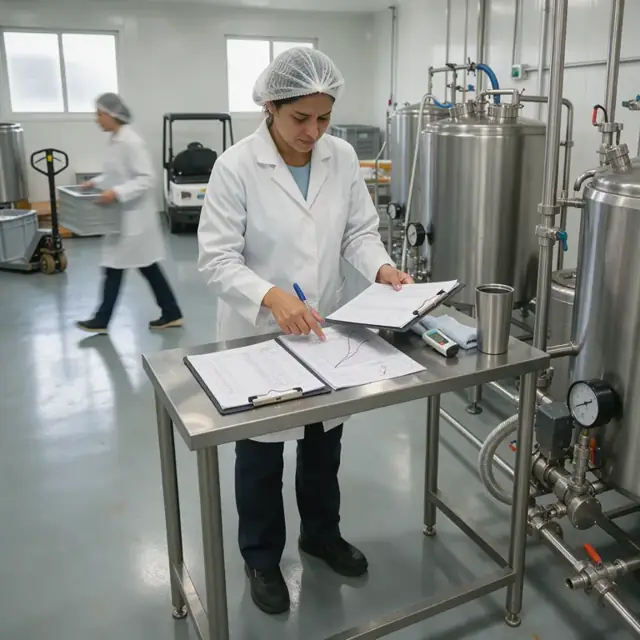
Quality and Compliance Clerk
Maintain daily sanitation, HACCP and traceability records and track renewal dates for permits and certificates.
Works in: Ambitious Tasks, Ambitious Docs, Ambitious Sheets · Workflows: Quality and regulatory documentation
Automates
- Generates daily checklists from the HACCP plan
- Compiles temperature and corrective action logs
- Matches harvest tags to finished lots
- Tracks renewal dates for licenses and lab tests
- Prepares summary packets for review
Stops for a person
- The plant manager and quality team review and sign every record
- People confirm which regulatory requirements apply to each species and process
- The bot never certifies compliance
Workflows
Vessel and truck receiving
Starts when: Notification of incoming boat or refrigerated truck
- Capture harvest tag, vessel, species, quantity, temperature and ice condition on arrival
- Schedule dock time and assign receiving crew
- Inspect, weigh and compare each lot against the manifest
- Create lot numbers and attach traceability tags to bins or pallets
- Record temperature, condition and any rejection notes for quality review
Watch for: Temperature must be taken immediately upon offload; Harvest area and vessel documentation must match requirements the plant manager confirms
Daily production scheduling
Starts when: After receiving is complete and inventory is known
- Match received species and volumes to open orders and standing forecasts
- Assign species to processing lines and value-added runs
- Build an hourly schedule for filleting, smoking, breading, cooking and packaging
- Reserve time for full sanitation changeovers between species
- Flag any lots that must be processed inside regulatory time limits
Watch for: Different species cannot share equipment without complete sanitation; Fresh product must be processed or frozen inside time windows the quality team confirms
Raw material processing and portioning
Starts when: Start of each production run
- Pull lot-tagged raw material from cold storage
- Record start time, temperature and operator on the checklist
- Process into fillets, portions, peeled shrimp or picked crab meat
- Weigh, sort, inspect for bones or shell and send to next station
- Log yields, trim and waste by lot for inventory adjustment
Watch for: Metal detection and bone-removal steps required for certain species; Allergen cross-contact prevention between crustaceans and finfish
Value-added production
Starts when: When raw material is ready for further processing
- Prepare brines, batters, breadings or smoking schedules per recipe
- Run product through the smoking, cooking, breading or canning line
- Monitor time, temperature and humidity at each critical control point
- Cool or freeze finished product inside the required time window
- Label each batch with lot code, process date and hold time
Watch for: Continuous monitoring of internal temperatures during smoking and cooking; Cool-down curves must be documented for review by quality staff
Packaging and labeling
Starts when: After processing or value-added steps are complete
- Pull correct packaging materials for retail, foodservice or bulk packs
- Apply labels with species, net weight, lot code, harvest or process date and allergen statements
- Run through metal detector and check seal integrity
- Palletize, scan location and move to cold storage
- Record finished case counts against the production order
Watch for: Labels must include country of origin and processor establishment number where required; Allergen and handling statements must match the exact recipe the quality team confirms
Cold storage inventory and shipping
Starts when: Daily at start of shift and when orders are due
- Scan incoming pallets into freezer or cooler locations
- Pick orders by lot using FIFO rotation
- Prepare bills of lading and insert temperature loggers for outbound loads
- Load reefers or freezer trucks while recording temperatures
- Close out orders and update inventory records
Watch for: Maintain unbroken cold chain from plant to customer; Traceability records must travel with every shipment
Quality and regulatory documentation
Starts when: Every production day and on fixed review dates
- Generate daily sanitation and HACCP checklists
- Compile temperature, metal-detection and corrective-action logs
- Match harvest tags to finished lots for full traceability
- Track renewal dates for licenses, certificates and lab-test schedules
- Prepare summary packets for manager review
Watch for: Records must be kept for the time period regulators require; The plant manager confirms which requirements apply to each species and process
Bot templates for this industry
Source: U.S. Small Business Administration, Office of Size Standards, Table of Small Business Size Standards Matched to North American Industry Classification System Codes, version March 2023 (effective 2023-03-17, NAICS 2022). Size standards are shown for reference only.