

Frozen Cakes, Pies, and Other Pastries Manufacturing
Frozen cake, pie and pastry manufacturers run continuous production lines that mix, fill, bake or freeze, package and palletize products for distribution. Specialists turn customer orders and forecasts into production schedules, convert recipes into scaled batch sheets and ingredient pulls, schedule equipment and line changeovers, track inventory of perishable fillings and packaging films, and maintain temperature and metal-detection logs. Food-safety, allergen and labeling requirements remain with the production manager.
What makes this business different
- Large batch production of standardized and private-label frozen cakes, pies, turnovers and pastries with strict recipe scaling
- Continuous freezing tunnels, spiral freezers and blast freezers that require precise temperature and dwell-time control
- Frequent line changeovers between products with different allergens or fillings while minimizing downtime
- Perishable ingredients such as fruit fillings, cream cheese and whipped toppings that must be ordered just in time with lot traceability
- Packaging that includes moisture-proof films, cardboard sleeves and pallet configurations for freezer storage and shipping
- Metal detection, weight checks, temperature logs and allergen segregation documented at every shift
- Customer-specific labeling, nutrition panels and private-label artwork that must be verified before run
- Forecast-driven production with seasonal peaks for holiday pies and summer fruit turnovers
Specialist bots
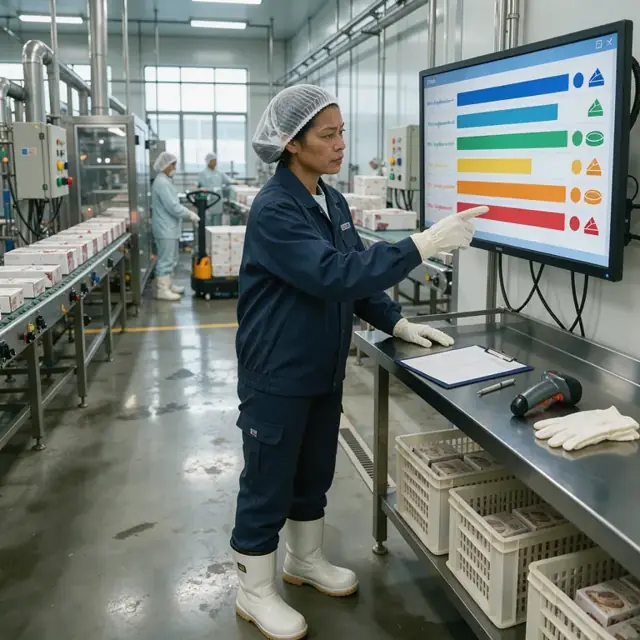
Demand Planner
Convert customer orders and forecasts into a feasible weekly production schedule.
Works in: Ambitious Sheets, Process Optimizer, Ambitious Tasks · Workflows: Order and forecast intake, Production scheduling and line assignment
Automates
- Parses incoming orders and forecasts
- Sequences products to reduce changeovers
- Calculates line and freezer capacity needs
- Flags shortfalls and suggests adjustments
- Updates the master demand sheet
Stops for a person
- Production manager approves the final weekly schedule
- Any rush orders or schedule changes are confirmed by the owner
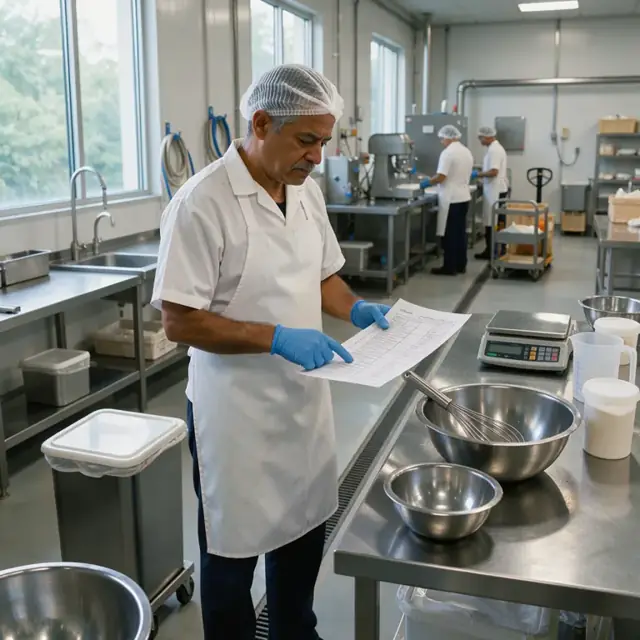
Batch Formulation Scaler
Scale recipes to production batch sizes and generate accurate ingredient pull lists.
Works in: Ambitious Sheets, Ambitious Docs, Ambitious Tasks · Workflows: Batch formulation and ingredient scaling
Automates
- Explodes master recipes into run quantities
- Calculates exact ingredient weights by lot
- Subtracts current stock and drafts reorder needs
- Produces printed batch tickets with allergen highlights
Stops for a person
- The production manager reviews scaled formulas before release
- Any recipe deviation is approved and documented by the quality lead

Line Changeover Coordinator
Orchestrate sanitation, setup and verification between production runs.
Works in: Ambitious Tasks, Ambitious Docs, Process Optimizer · Workflows: Line changeover and sanitation
Automates
- Creates allergen-specific cleaning checklists
- Records swab and inspection results
- Updates machine parameters for the next item
- Tracks changeover duration against target
Stops for a person
- Quality technician confirms line is clean before release
- Shift supervisor signs off on completed changeover

Materials and Inventory Clerk
Maintain lot-traced inventory of ingredients and packaging while generating daily pull lists.
Works in: Ambitious Sheets, Ambitious Tasks · Workflows: Inventory replenishment and lot tracking
Automates
- Logs incoming receipts against purchase orders
- Allocates lots to production orders
- Generates pull sheets for the next shift
- Calculates reorder quantities for perishables
Stops for a person
- Warehouse lead verifies physical counts against system
- Purchasing manager approves all purchase orders before sending

Quality and Safety Documenter
Compile shift checklists for metal detection, temperatures, weights and corrective actions.
Works in: Ambitious Docs, Ambitious Sheets, Ambitious Tasks · Workflows: Quality and food-safety documentation, Regulatory permits, inspections and compliance paperwork
Automates
- Generates daily critical-control-point checklists
- Logs sensor and manual readings
- Compiles end-of-shift reports
- Maintains lot traceability records
- Tracks permit and inspection renewal dates
Stops for a person
- Quality manager reviews all logs and signs off on each shift
- Any deviation triggers review and corrective action by plant personnel
- The production manager confirms which regulatory requirements apply

Label and Packaging Verifier
Confirm that artwork, nutrition facts and case labels match approved customer files before each run.
Works in: Ambitious Docs, Contract Analyzer, Ambitious Tasks · Workflows: Packaging and labeling verification
Automates
- Compares label files to master approvals
- Generates label proofs for review
- Checks pallet and case configurations
- Stages correct films and labels for the line
Stops for a person
- Production manager approves every label proof before printing
- Customer artwork changes are confirmed by the sales contact
Workflows
Order and forecast intake
Starts when: New customer purchase order, forecast update or recurring blanket order arrives
- Parse order quantities, item codes, private-label requirements and requested ship dates
- Check against current production schedule and available freezer space
- Convert order into production demand and flag any special labeling or packaging
- Draft order acknowledgment for approval
- Update master demand sheet for the planning cycle
Watch for: Private-label orders require exact artwork and nutrition verification; Seasonal spikes must be visible weeks in advance
Production scheduling and line assignment
Starts when: Weekly planning meeting and daily adjustment
- Load forecast and confirmed orders into the scheduling tool
- Sequence products to minimize changeover time and allergen risk
- Assign lines, shifts and run quantities with changeover windows
- Calculate required oven, freezer and packaging hours
- Flag any capacity shortfalls for management review
Watch for: Allergen runs must follow dedicated sequencing rules; Freezer tunnel capacity limits simultaneous products
Batch formulation and ingredient scaling
Starts when: 24 hours before each production run
- Explode recipe into scaled batch sizes for each line
- Generate ingredient pull sheets by lot and storage location
- Subtract current inventory and draft reorder quantities for perishables
- Create mixer and depositor set-up sheets
- Print batch tickets with lot numbers and allergen call-outs
Watch for: Exact scaling for large batches to maintain texture after freezing; Traceability from finished pallet back to raw-material lots
Line changeover and sanitation
Starts when: Between every product run
- Generate sanitation and allergen-cleaning checklist
- Record pre- and post-changeover swab or inspection results
- Update equipment settings for next product
- Release line for next run only after approval
- Log downtime and reason in the master schedule
Watch for: Wet and dry cleaning procedures differ by allergen profile; Changeover time directly impacts daily output
Inventory replenishment and lot tracking
Starts when: Daily and at reorder points
- Scan incoming ingredients and packaging against purchase orders
- Update lot-traced inventory in cold storage and dry warehouse
- Generate daily pull list for production
- Track yield loss and scrap from each run
- Draft purchase orders for ingredients approaching reorder point
Watch for: Fruit fillings and dairy must stay within temperature during receipt; Packaging films must match exact product dimensions
Quality and food-safety documentation
Starts when: Every shift and at critical control points
- Generate metal-detector, weight, temperature and visual-check checklists
- Record results from inline sensors and manual checks
- Compile shift-end reports for review
- Track corrective actions when limits are exceeded
- Maintain lot traceability files for recall readiness
Watch for: Frozen core temperature must reach required degrees before packaging; Allergen cleaning verification must be logged before next run
Packaging and labeling verification
Starts when: Before each new product run and label change
- Compare artwork, nutrition facts and ingredient list against approved files
- Generate label proofs for approval
- Check case and pallet configurations against customer requirements
- Print and stage correct labels and films
- Record verification sign-off before run begins
Watch for: Private-label graphics must match customer-supplied files exactly; Freezer-stable labels must adhere under condensation
Regulatory permits, inspections and compliance paperwork
Starts when: Before production runs, on inspection dates and renewal deadlines
- Generate daily pre-operational and sanitation checklists for each line
- Track renewal dates for facility registration, food safety plan and equipment certifications
- Compile documentation packages for third-party audits or regulatory visits
- Maintain current files for allergen control plan, HACCP or preventive controls and lot traceability
- Draft renewal applications or updates for approval
Watch for: Rules vary by federal, state and local health departments; The production manager confirms which requirements apply to each facility
Bot templates for this industry
Source: U.S. Small Business Administration, Office of Size Standards, Table of Small Business Size Standards Matched to North American Industry Classification System Codes, version March 2023 (effective 2023-03-17, NAICS 2022). Size standards are shown for reference only.