

Cookie and Cracker Manufacturing
Cookie and cracker manufacturers run batch production lines that mix, form, bake, cool and package sweet and savory baked snacks. Specialists turn sales orders and forecasts into production schedules, convert recipes into scaled batch sheets and ingredient pulls, track oven and line capacity, manage packaging and labeling runs, and maintain food-safety logs and supplier COAs while the baker and line operator stay in charge of quality and adjustments.
What makes this business different
- Scaled batch recipes that convert precisely from test-kitchen formulas to production quantities with ingredient substitutions allowed only after approval
- Shared production lines that switch between cookies, crackers and seasonal items with full allergen cleaning and changeover procedures
- Long-lead-time ingredients such as specialty flours, chocolate chips, nuts and imported spices that must be ordered against forecast
- Packaging materials that must match each SKU exactly including film, cartons, inner liners and pallet patterns
- Oven and cooling tunnel capacity that limits daily output and creates bottlenecks during holiday spikes
- Lot traceability, temperature logs, metal detection records and supplier certificates of analysis required for every run
- Retail and foodservice customers who order on standing contracts or by promotion with strict ship dates and label requirements
Specialist bots

Order and Forecast Coordinator
Convert incoming orders and forecasts into accurate production demand while checking capacity and material availability.
Works in: Ambitious Tasks, Ambitious Sheets, Ambitious Docs · Workflows: Order intake and forecasting
Automates
- Reads order forms, emails and contract releases
- Checks capacity and ingredient availability
- Builds weekly forecast from standing orders
- Drafts acknowledgments and demand tasks
Stops for a person
- Owner approves any date changes or large promotional orders
- Allergen and label requirements are confirmed by quality manager

Batch Formulator
Scale master recipes to production batch sizes and generate accurate ingredient pull sheets for each run.
Works in: Ambitious Sheets, Ambitious Docs, Ambitious Tasks · Workflows: Batch formulation and scaling
Automates
- Scales formulas by mixer size and number of batches
- Adjusts for yield and moisture data
- Creates pre-weigh sheets and allergen flags
- Maintains current version of each recipe
Stops for a person
- Baker reviews and approves scaled batch before mixing
- Any formula or substitution changes require owner sign-off

Production Scheduler
Build weekly and daily line schedules that respect oven capacity, changeover rules and customer ship dates.
Works in: Ambitious Sheets, Process Optimizer · Workflows: Production line scheduling
Automates
- Sequences SKUs to reduce changeovers
- Assigns run quantities to available lines
- Calculates expected start and finish times
- Produces shift sheets with targets
Stops for a person
- Production manager adjusts sequence for equipment status
- Owner sets priority for rush or promotional orders

Materials Planner
Convert the production schedule into purchase orders for ingredients and packaging while tracking inventory and supplier documents.
Works in: Ambitious Sheets, Ambitious Tasks, Ambitious Docs · Workflows: Ingredient and packaging procurement
Automates
- Explodes schedule into material requirements
- Subtracts on-hand stock and open orders
- Drafts purchase orders by lead time
- Tracks certificates of analysis by lot
Stops for a person
- Owner approves and sends all purchase orders
- Incoming ingredients are inspected and logged by warehouse staff
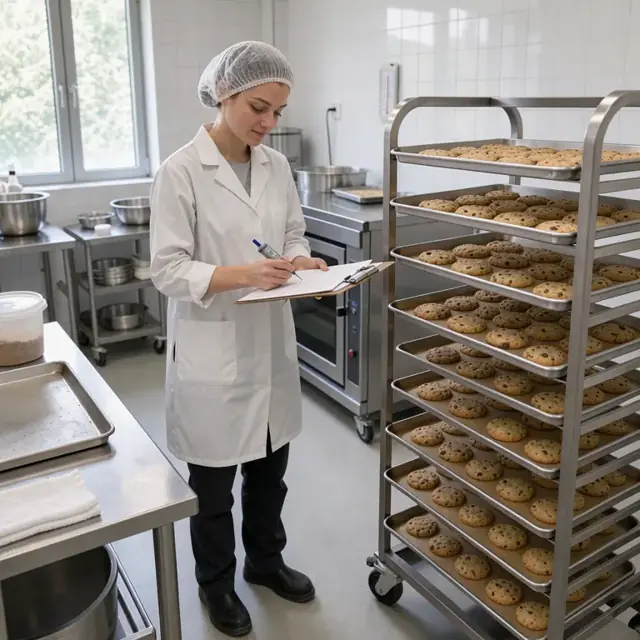
Quality and Safety Clerk
Generate and organize batch checklists, record critical control points and maintain lot traceability documentation.
Works in: Ambitious Tasks, Ambitious Docs, Ambitious Sheets · Workflows: Quality and food-safety documentation
Automates
- Creates batch-specific checklists
- Logs temperatures, weights and metal detector checks
- Matches lot codes across ingredients and finished goods
- Prepares sanitation and changeover records
Stops for a person
- Line operator records actual measurements
- Quality manager reviews and signs off all records
- Owner confirms which regulatory requirements apply
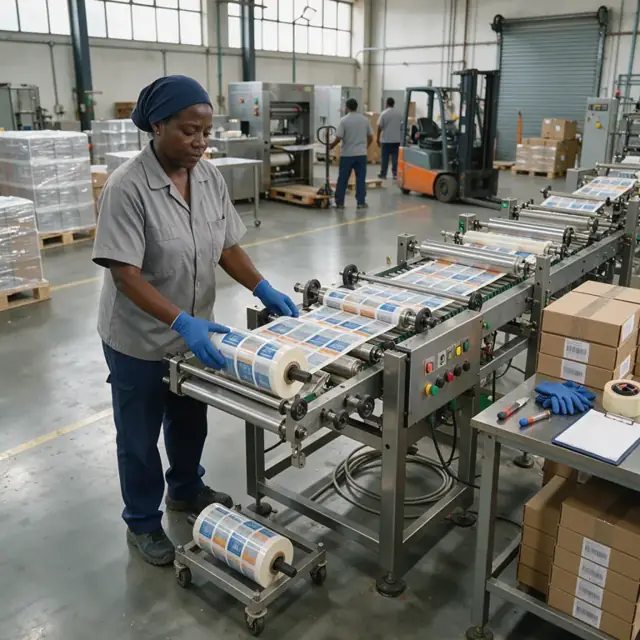
Label and Packaging Coordinator
Control label artwork, generate lot-coded labels and verify correct packaging materials for each run.
Works in: Ambitious Docs, Ambitious Tasks, Contract Analyzer · Workflows: Packaging run and label control
Automates
- Pulls approved label files for each SKU
- Generates lot and production date codes
- Prints case and pallet labels in required quantities
- Tracks packaging consumption
Stops for a person
- Owner or quality manager proofs every new or revised label
- Line operator verifies packaging matches the schedule before starting

Inventory and Shipment Coordinator
Track finished goods inventory, allocate product to orders and prepare shipping documents with full lot traceability.
Works in: Ambitious Sheets, Ambitious Tasks, Ambitious Docs · Workflows: Finished goods inventory and shipment
Automates
- Records production yields into inventory
- Allocates lots to customer orders using FIFO
- Generates bills of lading and shipping labels
- Prepares customer shipment notifications
Stops for a person
- Warehouse staff confirms physical movement of goods
- Owner approves any short shipments or substitutions
- Logistics manager verifies carrier and temperature requirements
Workflows
Order intake and forecasting
Starts when: New customer order, standing contract release or weekly forecast update
- Capture customer, SKU, quantity, ship date and special label requests
- Check against open production capacity and ingredient availability
- Convert promotional or one-time orders into production forecast
- Draft order acknowledgment and flag any date conflicts
- Create a production demand task with lot and label specs
Watch for: Allergen and label claims must be captured exactly as required by the customer; Holiday and promotional surges must be visible weeks in advance
Batch formulation and scaling
Starts when: Approved production schedule for the next run
- Pull master recipe for each SKU
- Scale ingredients to mixer batch size and number of batches
- Adjust for current lot yields and moisture levels
- Generate ingredient pull list and pre-weigh sheets
- Flag any allergen or shared-equipment changeover needs
Watch for: Small-batch test runs must be kept separate from full production; Formula changes require owner sign-off before use
Production line scheduling
Starts when: Weekly and daily at shift start
- Combine open orders and forecast into a master schedule
- Sequence SKUs to minimize changeovers and allergen risk
- Assign run quantities to available oven and packaging lines
- Calculate expected start and end times for each batch
- Produce daily shift sheets with run order and targets
Watch for: Oven zones and cooling times differ by product type; Line speed and downtime must be factored in real time
Ingredient and packaging procurement
Starts when: After schedule is locked and on monthly cadence
- Explode schedule into raw material and packaging requirements
- Subtract current inventory and open receipts
- Draft purchase orders by supplier lead time
- Track certificates of analysis and incoming lot numbers
- Monitor par levels for bulk flour, sugar, oils and film stock
Watch for: Certain ingredients have long lead times and must be ordered early; Pallet patterns and case counts affect warehouse space
Quality and food-safety documentation
Starts when: Start of every shift and batch
- Generate batch-specific checklist for metal detection, weights and temperatures
- Record line clearance, changeover and sanitation sign-offs
- Log oven temperatures, cooling curves and finished product moisture
- Match lot codes to ingredients and packaging used
- Prepare hold and release records for each completed run
Watch for: Every lot must be traceable forward and backward; Sanitation and allergen cleaning must be verified before next run
Packaging run and label control
Starts when: Before each packaging shift
- Confirm correct film, carton and inner liner for each SKU
- Generate and proof customer-specific labels and nutritional panels
- Print lot-coded labels and case labels in correct quantities
- Track packaging material consumption against output
- Flag any label revisions or regulatory updates
Watch for: Label artwork and claims must match approved versions; Retail customers often require unique pallet labels
Finished goods inventory and shipment
Starts when: End of each production run and on customer ship dates
- Record actual yield and move product into finished goods
- Allocate inventory to open orders by lot and FIFO
- Draft bill of lading and shipping labels
- Notify customer of shipment and provide lot traceability
- Reconcile any short shipments or returns
Watch for: Shelf-life sensitive products must ship within approved windows; Temperature-controlled or frozen shipments follow strict carrier rules
Bot templates for this industry
- Cookie and Cracker Manufacturing (7 bots)
Source: U.S. Small Business Administration, Office of Size Standards, Table of Small Business Size Standards Matched to North American Industry Classification System Codes, version March 2023 (effective 2023-03-17, NAICS 2022). Size standards are shown for reference only.