

Roasted Nuts and Peanut Butter Manufacturing
Roasted nuts and peanut butter manufacturers buy raw nuts and seeds in bulk, roast and season them in batches, grind peanuts into natural or stabilized nut butters, package into jars retail or bulk containers, and ship to retailers, co-packers and foodservice. The specialists convert customer orders and forecasts into roast and grind schedules, maintain allergen separation and food-safety logs, track raw-inventory and finished-goods rotation, and prepare shipping documents while the production team owns roasting temperatures, grind consistency and quality tasting.
What makes this business different
- Allergen control between peanut, tree-nut, and non-nut lines with strict separation and cleaning protocols
- Roast and grind schedules driven by both retail jar orders and bulk wholesale contracts with different pack sizes
- Moisture, roast color and grind texture must stay within tight quality ranges set by the owner
- Raw nut and peanut inventory bought in truckload quantities with long lead times and storage in climate-controlled silos or warehouses
- Finished-goods shelf-life tracking, lot coding and recall traceability for every batch
- Seasonal spikes around holidays and back-to-school for gift tins, snack packs and school-lunch peanut butter
- Retail and foodservice labeling that includes nutrition panels, allergen statements and country-of-origin declarations
- Bulk tanker or tote shipments of stabilized peanut butter that require temperature-controlled loading
Specialist bots
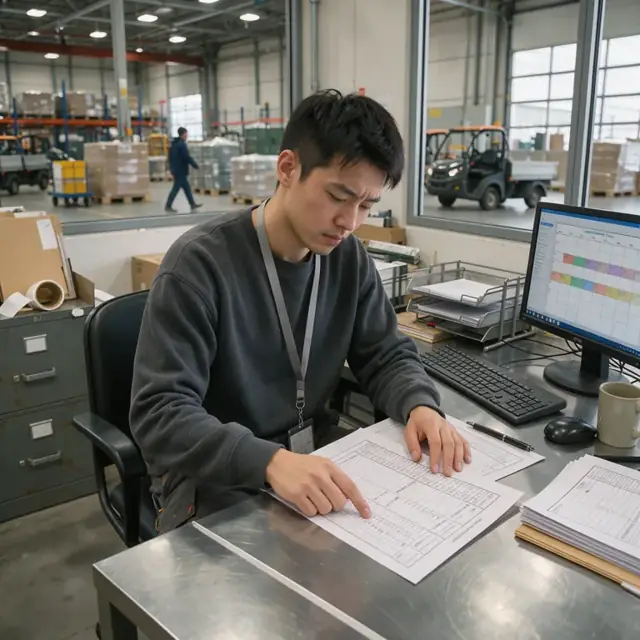
Order Intaker
Convert incoming purchase orders and forecasts into confirmed production tasks with full specifications.
Works in: Ambitious Tasks, Ambitious Docs, Email Buckets · Workflows: Order intake and specification
Automates
- Reads emails and portal orders
- Extracts product, pack size, destination and special labeling needs
- Checks against current schedule and inventory
- Drafts confirmation and attaches specification sheet
- Creates the production task
Stops for a person
- Production manager approves schedule impact and special requests
- Owner confirms any price or term changes before confirmation is sent

Roast and Grind Scheduler
Build weekly roast, grind and packaging schedules that respect allergen rules and equipment capacity.
Works in: Ambitious Tasks, Process Optimizer, Ambitious Sheets · Workflows: Roast and grind production scheduling
Automates
- Aggregates orders by roast level and product family
- Sequences runs to minimize changeover cleaning
- Assigns equipment and quantities
- Calculates raw material needs
- Produces the daily schedule
Stops for a person
- The production lead reviews and adjusts the schedule
- Owner sets maximum daily output limits
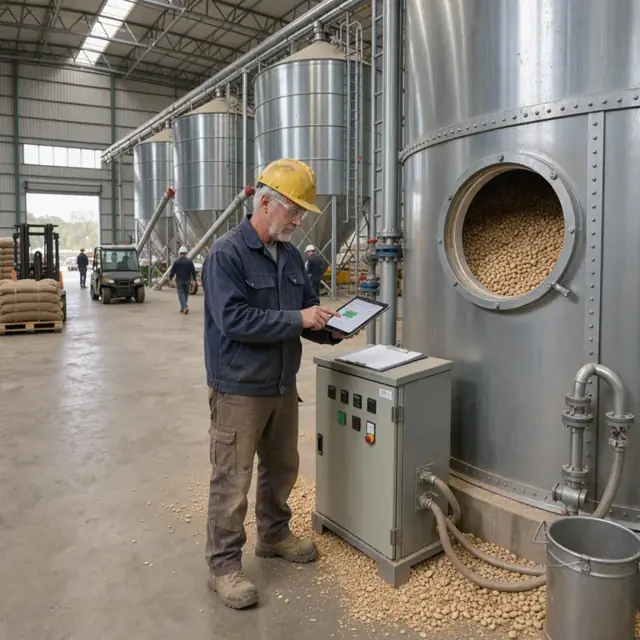
Raw Inventory Manager
Turn production schedules into raw-nut purchase orders and maintain accurate silo and warehouse stock records.
Works in: Ambitious Sheets, Ambitious Tasks, Ambitious Docs · Workflows: Raw material purchasing and inventory
Automates
- Explodes schedule into raw requirements
- Subtracts current stock levels
- Drafts purchase orders by supplier
- Logs incoming lot and certificate data
- Tracks storage conditions
Stops for a person
- Owner approves and places all purchase orders
- Receiving team verifies incoming truckload quality and count

Quality and Safety Clerk
Generate and organize batch records, sanitation logs, allergen swabs and traceability documentation for every run.
Works in: Ambitious Tasks, Ambitious Docs, Ambitious Sheets · Workflows: Quality and food-safety documentation, Permit, license and regulatory paperwork
Automates
- Creates roast and grind checklists for each batch
- Logs temperature, color, moisture and texture results
- Records cleaning and swab results between allergens
- Maintains full lot traceability
- Prepares recall documentation
Stops for a person
- Production staff enters actual readings and confirms cleaning
- Owner or quality lead reviews records before release
- People confirm all requirements are met
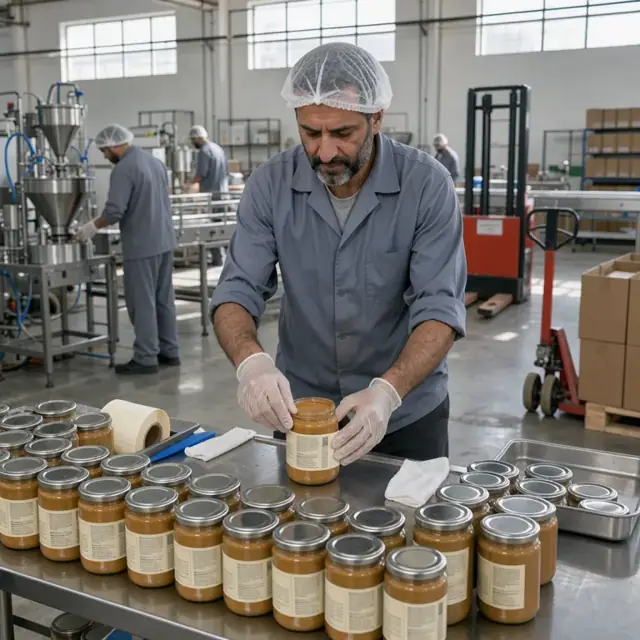
Label and Packaging Preparer
Prepare accurate labels, case markings and shipping documents for each finished-goods run.
Works in: Ambitious Docs, Ambitious Tasks, Ambitious Sheets · Workflows: Packaging and labeling preparation
Automates
- Generates nutrition and ingredient labels with current lot data
- Creates case and pallet labels
- Checks allergen and origin statements
- Prepares bills of lading and manifests
- Flags any label changes for review
Stops for a person
- Owner approves every new or revised label before printing
- Packaging lead verifies labels match product before run starts

Shipping Coordinator
Organize pallet loads, prepare shipping documents and coordinate carrier pickups for finished roasted nuts and peanut butter.
Works in: Ambitious Tasks, Ambitious Docs, Ambitious Sheets · Workflows: Finished goods shipping and dispatch
Automates
- Confirms counts and lots against orders
- Builds load plans and temperature logs
- Drafts bills of lading and advance notices
- Schedules carriers
- Updates inventory after shipment
Stops for a person
- Warehouse staff confirms physical pallet counts and condition
- Owner approves any temperature-controlled or export shipments
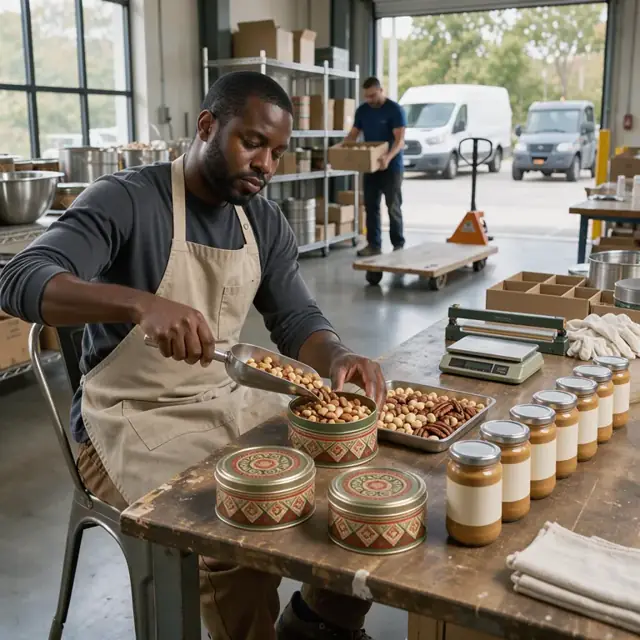
Customer and Contract Host
Send shipment confirmations, track feedback and remind contract customers of renewals and seasonal opportunities.
Works in: Email Buckets, Ambitious Tasks, Ambitious Docs · Workflows: Customer and contract follow-up
Automates
- Drafts shipment notices with tracking
- Requests delivery confirmations
- Reminds customers of contract volumes
- Tracks and logs quality feedback
- Drafts seasonal promotion messages
Stops for a person
- Owner approves every message, price change and promotion before sending
- Sales lead reviews feedback before recipe adjustments
Workflows
Order intake and specification
Starts when: Customer purchase order, contract renewal or forecast update arrives by email or portal
- Parse the order for product type, roast level, seasoning, pack size and destination
- Check against current production schedule and raw-nut availability
- Draft order confirmation with expected ship date and lot numbers
- Create a production task with full specification sheet attached
- Flag any special labeling or co-packer requirements
Watch for: Allergen declarations must match the exact facility schedule; Bulk peanut-butter orders may require tanker availability
Roast and grind production scheduling
Starts when: Weekly forecast review and after every new firm order
- Aggregate orders and forecasts by product family and roast level
- Sequence runs to minimize allergen changeovers and cleaning time
- Assign roast ovens, grinders and packaging lines with run quantities
- Calculate required raw nuts and peanut feedstock
- Produce a daily schedule with start times and expected completion
Watch for: Oven and grinder capacity limits each day's output; Peanut-butter stabilization step must follow grind immediately
Raw material purchasing and inventory
Starts when: After schedule creation and on monthly review
- Explode production schedule into raw-nut and peanut requirements by variety and grade
- Subtract current silo and warehouse stock
- Draft purchase orders for upcoming truckloads from approved suppliers
- Track incoming certificates of analysis and lot numbers
- Monitor moisture and temperature in storage
Watch for: Raw peanuts and tree nuts must be stored separately with pest-control logs; Long lead times require accurate three-month forecasts
Quality and food-safety documentation
Starts when: Start of every roast or grind run and daily
- Generate batch-specific roast-temperature, color and moisture checklist
- Log grinder settings, stabilizer addition and finished texture results
- Record sanitation and allergen swab results between runs
- Maintain lot traceability from raw intake through packaged goods
- Prepare mock-recall documentation on demand
Watch for: Roast and grind parameters are set by the owner and verified by the production team; Allergen cleaning verification must be confirmed before starting next run
Packaging and labeling preparation
Starts when: One day before scheduled packaging run
- Pull correct jar, pouch or bulk container inventory
- Generate label artwork with current nutrition, ingredients and lot code
- Draft case labels and pallet manifests
- Check that all labels carry correct allergen and country-of-origin statements
- Create shipping documents for retail, foodservice or export
Watch for: Label changes require owner approval before printing; Bulk totes and tankers need separate temperature and cleanliness records
Finished goods shipping and dispatch
Starts when: When a production run is packaged and cleared
- Confirm finished-goods count and lot numbers against order
- Build pallet or load plan for truck or container
- Draft bill of lading and temperature log for refrigerated loads
- Schedule carrier pickup and send advance shipping notice
- Record shipment and update inventory
Watch for: Peanut butter must ship within temperature limits to prevent separation; Retailers often require specific pallet patterns and labels
Customer and contract follow-up
Starts when: After shipment and on contract review dates
- Draft shipment confirmation and tracking information
- Request proof-of-delivery signatures where required
- Remind contract customers of upcoming renewal or volume commitments
- Track quality feedback and adjust seasoning or roast profiles for next run
- Draft seasonal promotion offers for gift and snack channels
Watch for: All communications and price changes must be approved before sending; Volume commitments affect future raw-nut purchases
Permit, license and regulatory paperwork
Starts when: Before production runs, on renewal dates and after regulatory inspections
- Generate daily sanitation, pest-control and facility-cleaning checklists
- Track food-facility registration, business license and any state nut-processing permit renewal dates
- Compile batch records, temperature logs and allergen-verification forms required for audits
- Prepare documentation packages for organic, kosher or export certifications when requested
- Maintain current nutrition-label and country-of-origin filing copies
Watch for: Rules differ by state and by whether product is sold retail versus foodservice or export; The owner confirms which permits and filings apply to each product line
Bot templates for this industry
Source: U.S. Small Business Administration, Office of Size Standards, Table of Small Business Size Standards Matched to North American Industry Classification System Codes, version March 2023 (effective 2023-03-17, NAICS 2022). Size standards are shown for reference only.