

Spice and Extract Manufacturing
Spice and extract manufacturers blend, grind, toast and package custom and standard spice mixes, extracts and flavorings for food processors, restaurants and retail. For a facility that receives bulk raw spices, creates private-label blends on order, and ships on fixed production days, the specialists turn customer specifications into approved recipes, recipes into batch production schedules and ingredient pulls, and finished goods into inventory, labels and shipments. Formulation, sensory checks and regulatory calls stay with the food technologist.
What makes this business different
- Custom blend requests with exact ratios, roast levels, particle sizes and allergen controls that must match the customer's specification
- Fixed production cadence with cutoff dates before each grind and blend run
- Batch scaling from small test mixes to production runs using the same master formula
- Raw spices and carriers purchased in bulk with lot traceability, moisture control and FIFO rotation
- Allergen segregation, cross-contact prevention and lot-coded labeling for every package
- FDA registration, facility certifications, COA generation and batch records for traceability
- Repeat business customers who reorder signature blends and request seasonal or limited-run extracts
Specialist bots

Formula Intake Specialist
Turn every custom blend request into a confirmed, production-ready formula card.
Works in: Ambitious Tasks, Ambitious Docs, Contract Analyzer · Workflows: Formula intake and specification review
Automates
- Reads incoming specification documents and forms
- Extracts exact ratios, grind sizes, roast levels and packaging requirements
- Checks against the master formula library
- Drafts the formula card and production task
Stops for a person
- The food technologist approves any new or modified formulas
- Allergen and regulatory questions are escalated to the owner
- A person sends order confirmations and handles specification changes
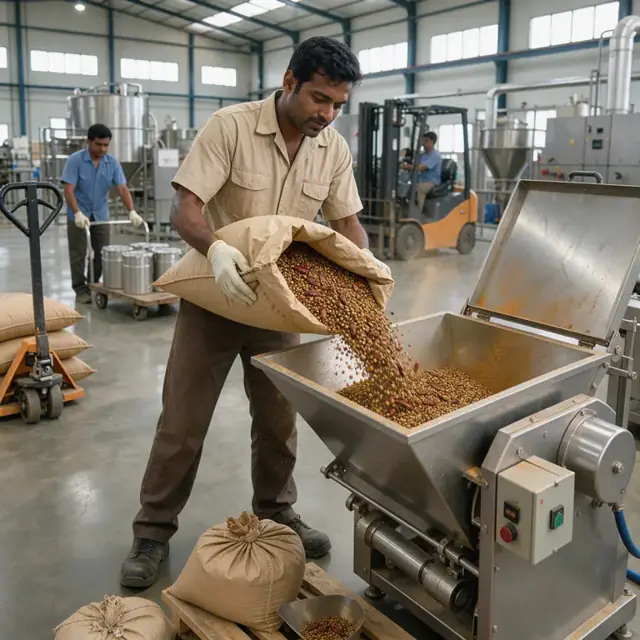
Production Scheduler
Turn each production run's orders into a timed batch schedule and cleaning plan.
Works in: Ambitious Tasks, Process Optimizer, Ambitious Docs · Workflows: Batch production scheduling
Automates
- Groups orders by base material and packaging
- Builds the sequenced production timeline
- Schedules full sanitation between allergen runs
- Generates lot-coded label templates
Stops for a person
- The production lead adjusts the schedule for equipment availability
- Final sanitation and changeover steps are verified by a person

Raw Materials Manager
Convert production plans into purchase orders and maintain traceable spice inventory.
Works in: Ambitious Sheets, Ambitious Tasks, Ambitious Docs · Workflows: Raw material purchasing and inventory
Automates
- Calculates required raw materials from formulas
- Subtracts current stock by lot number
- Drafts purchase orders with COA requirements
- Tracks incoming inspections and expirations
Stops for a person
- The owner approves and places all purchases
- Any substitution of raw material requires technologist approval

Capacity Planner
Forecast production volume per run and identify equipment and time bottlenecks.
Works in: Process Optimizer, Ambitious Sheets, Ambitious Tasks · Workflows: Production capacity planning
Automates
- Compares orders to grinder, mixer and packaging capacity
- Suggests maximum run volumes
- Maps the full production process to find slowest steps
Stops for a person
- The owner sets final production limits and priorities

Quality and Release Clerk
Record test results, generate certificates of analysis and release finished batches.
Works in: Ambitious Docs, Ambitious Sheets, Ambitious Tasks · Workflows: Quality testing and batch release
Automates
- Creates batch record templates from production data
- Logs test results against specification limits
- Generates certificates of analysis
- Updates inventory with released product
Stops for a person
- The food technologist reviews and approves all test results and releases
- Any failing batch is reviewed and dispositioned by a person
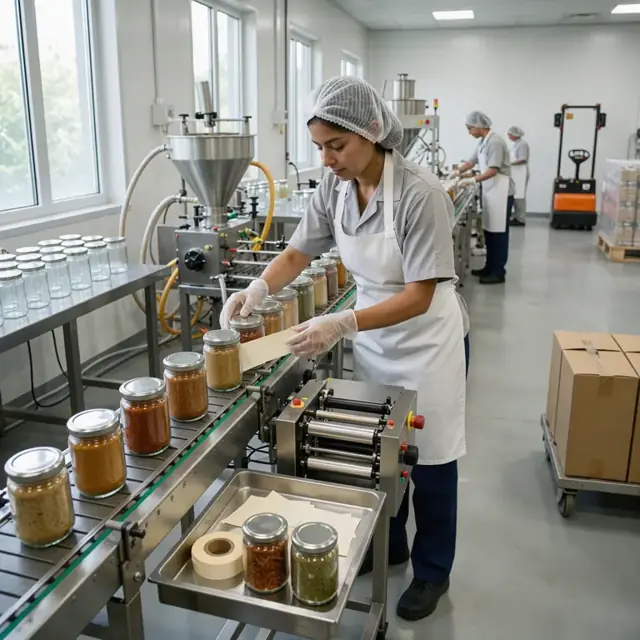
Fulfillment Coordinator
Pick, label and prepare finished spice and extract orders for shipment.
Works in: Ambitious Tasks, Ambitious Docs, Ambitious Sheets · Workflows: Order fulfillment and shipping
Automates
- Creates pick lists by lot number
- Generates final customer labels and seals
- Groups orders by carrier
- Drafts shipping notifications
Stops for a person
- A person performs final label and lot verification before sealing cases
- The owner approves any expedited or special shipping arrangements

Compliance and Traceability Coordinator
Maintain batch records, track certifications and keep regulatory documents current.
Works in: Ambitious Docs, Ambitious Sheets, Ambitious Tasks · Workflows: Regulatory and traceability records
Automates
- Generates complete batch records from production data
- Tracks renewal dates for registrations and certifications
- Maintains current ingredient and allergen statements
- Prepares traceability reports on demand
Stops for a person
- The owner confirms all regulatory requirements for each product category
- All records and submissions are reviewed and approved by people before filing
- The bot never certifies compliance
Workflows
Formula intake and specification review
Starts when: A customer submits a new blend request or reorder by form, email or purchase order
- Capture all required spices, ratios, grind size, roast level, carrier and packaging specs
- Check the request against approved formulas and manufacturing capabilities
- Confirm production date against the next blend run and cutoff
- Draft the formula card with lot traceability fields
- Create a production task with the exact customer specification
Watch for: Exact percentages and processing instructions must be captured without rounding; Requests after cutoff move to the next scheduled run unless the technologist approves
Batch production scheduling
Starts when: Order cutoff for each production run
- Lock the order list for the run
- Group orders by base spice, grind size and packaging type
- Build a timed production plan: cleaning, toasting, grinding, blending, testing, packaging
- Sequence allergen-sensitive blends first with full sanitation between runs
- Generate lot-coded labels with ingredients, allergens and use-by dates
Watch for: Grinder and mixer capacity limits each batch size; Allergen runs require dedicated equipment or validated cleaning
Raw material purchasing and inventory
Starts when: After cutoff and monthly
- Explode the production plan into raw spice and carrier requirements
- Subtract current inventory by lot
- Draft purchase orders by supplier with required COAs
- Track moisture, lot and expiration for each incoming spice
- Log any rejected or wasted material
Watch for: Bulk spices ordered with lead time for quality testing before use; Storage conditions monitored for humidity and pest control
Production capacity planning
Starts when: Monthly
- Compare forecast orders to grinder, mixer and packaging line capacity
- Suggest maximum order volume per run
- Use the Process Optimizer to identify the bottleneck step in the production day
Watch for: Equipment changeover time between different grinds and blends is significant
Quality testing and batch release
Starts when: After each blend is completed
- Record sensory, moisture, particle size and microbial test results
- Generate certificate of analysis for each lot
- Flag any batch that fails specification for rework or disposal
- Update inventory with released finished goods
Watch for: Every batch requires documented review before shipment; The food technologist confirms all test results meet requirements
Order fulfillment and shipping
Starts when: When finished goods are released
- Pick lot-coded finished goods for each order
- Apply final labels and seals
- Group shipments by carrier and destination
- Draft shipping documents and customer notifications
- Record shipment confirmation and any temperature or handling notes
Watch for: Moisture-sensitive products require specific packaging; Hazardous material declarations for certain extracts
Regulatory and traceability records
Starts when: Every production run and on renewal dates
- Generate batch records with all ingredient lots and processing parameters
- Track FDA facility registration and any required certifications
- Monitor renewal dates for insurance, licenses and supplier approvals
- Maintain allergen and ingredient statement templates current with formulas
Watch for: Traceability must allow one-up one-down lot tracking within hours; The owner confirms which regulatory requirements apply to each product line
Bot templates for this industry
- Spice and Extract Manufacturing (7 bots)
Source: U.S. Small Business Administration, Office of Size Standards, Table of Small Business Size Standards Matched to North American Industry Classification System Codes, version March 2023 (effective 2023-03-17, NAICS 2022). Size standards are shown for reference only.